You get home in DC, crack open a fresh bag of flower, and realize the worst part of the session isn’t the setup. It’s that you’re out of your usual wraps. That’s usually when people start asking the same question in different ways: what can you roll a blunt with, what works, and what’s just a bad idea when you’re trying not to waste good bud.
Around the DMV, that question comes up more than people admit. Someone in Northwest is improvising after work. Someone in Prince George’s County wants a tobacco-free option. Someone in Arlington likes the ritual of a classic leaf but doesn’t want the harshness that comes with a sloppy roll. The material matters because the wrap changes the burn, the flavor, the draw, and the whole mood of the smoke.
The Ultimate Guide to Blunt Rolling Materials
A blunt session usually starts with good flower and a simple plan. Then the missing piece shows up. No wraps, no papers, and no patience for trial and error. At that point, one either makes a smart substitute or ruins a premium stash with whatever is lying around in the kitchen.
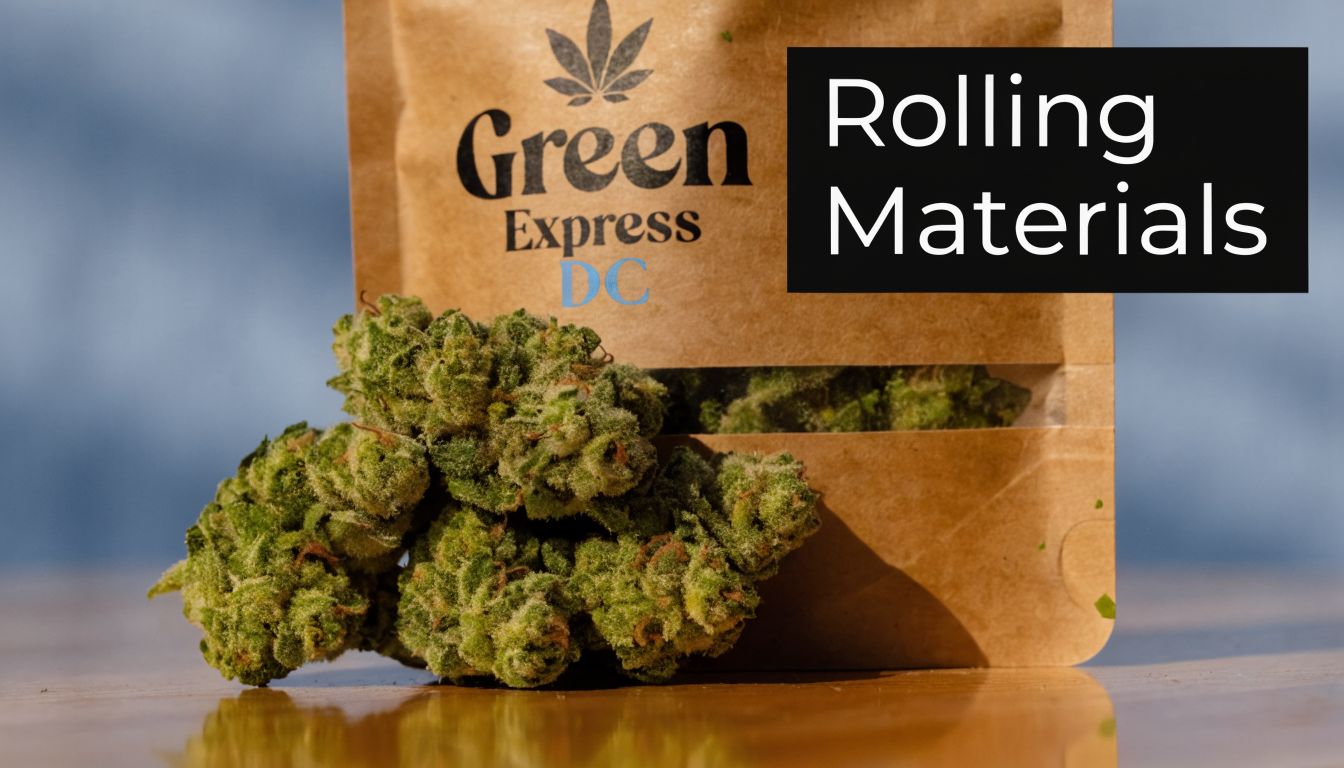
In practical terms, you’ve got a few lanes. There are the old standards, like cigar wraps and split cigarillos. There are modern tobacco-free options, like hemp wraps and palm leaf cones. Then there are the desperate DIY choices people talk about online, which sound creative until you think about what you’re actually burning and inhaling.
That distinction matters more in the DMV than a lot of people realize. Consumers in DC, Maryland, and Virginia are often choosing flower more carefully than they used to. People pay attention to quality, smell, cure, and how clean the smoke feels. If that’s your standard for flower, your wrap should meet it too.
Here’s the clean way to understand it:
- Classic route: Tobacco-based wraps give you the traditional blunt feel, stronger aroma, and that familiar slow burn.
- Modern route: Tobacco-free wraps keep the larger blunt format without adding nicotine.
- Emergency route: Household substitutes exist, but they come with real trade-offs and, in some cases, risks you shouldn’t ignore.
Good flower can carry an average wrap. A bad wrap can ruin good flower in one light.
The best answer to what can you roll a blunt with depends on what you care about most. Flavor. Burn time. Ease of rolling. Tobacco presence. Or simple convenience when you don’t feel like engineering a session from scratch.
Understanding the Blunt What Makes It Unique
A blunt isn’t just a joint with more flower packed inside. It’s a different smoking format with a different pace.
A standard blunt is cannabis rolled in a tobacco wrap, cigarillo shell, or a blunt-style non-tobacco alternative. The wrap is thicker than standard rolling paper, and that changes almost everything about the experience. It burns slower, feels denser in the hand, and usually asks for a more deliberate roll.
According to Sluggers blunt guide, standard blunts hold 1 to 1.5 grams of flower on average, with larger wraps holding up to 3 grams. The same source notes that blunts gained wider U.S. visibility in 1993 and that their slower burn, often 45 to 90 minutes versus a joint’s 20 to 30 minutes, helped lock in their popularity.
Why the format feels different
If a joint is a quick pour, a blunt is the slow-sipping version of the same idea. You’re not just tasting the flower. You’re tasting the wrap, the seal, the heat level, and the way the material holds a cherry.
That’s why people who love blunts usually care about:
- Capacity: More room for flower changes how the smoke develops.
- Burn rhythm: Thicker wraps support a longer session.
- Wrap flavor: Tobacco, hemp, palm, and floral materials all shift the profile.
- Shareability: A blunt is often rolled for a group, not just a solo smoke.
Why the wrap choice matters
The wrap is not a neutral container. It adds texture, resistance, and flavor. It also affects whether the blunt canoes, stays lit, or turns harsh halfway through.
A lot of new smokers focus only on strain selection. Experienced smokers know the wrap can be the difference between a relaxed evening and a frustrating relight marathon.
A blunt works best when the wrap and the flower are pulling in the same direction.
That’s the heart of the question. What can you roll a blunt with? Technically, a lot of things. Practically, only a few materials give you the burn, seal, and flavor that make a blunt worth rolling in the first place.
Classic Choices The World of Tobacco-Based Wraps
For a lot of longtime smokers, a true blunt starts with tobacco leaf. Not because it’s the healthiest option. It isn’t. But because the texture, smell, and slow roast of a tobacco wrap create the profile many people still associate with an authentic blunt.
Cigarillos and split blunts
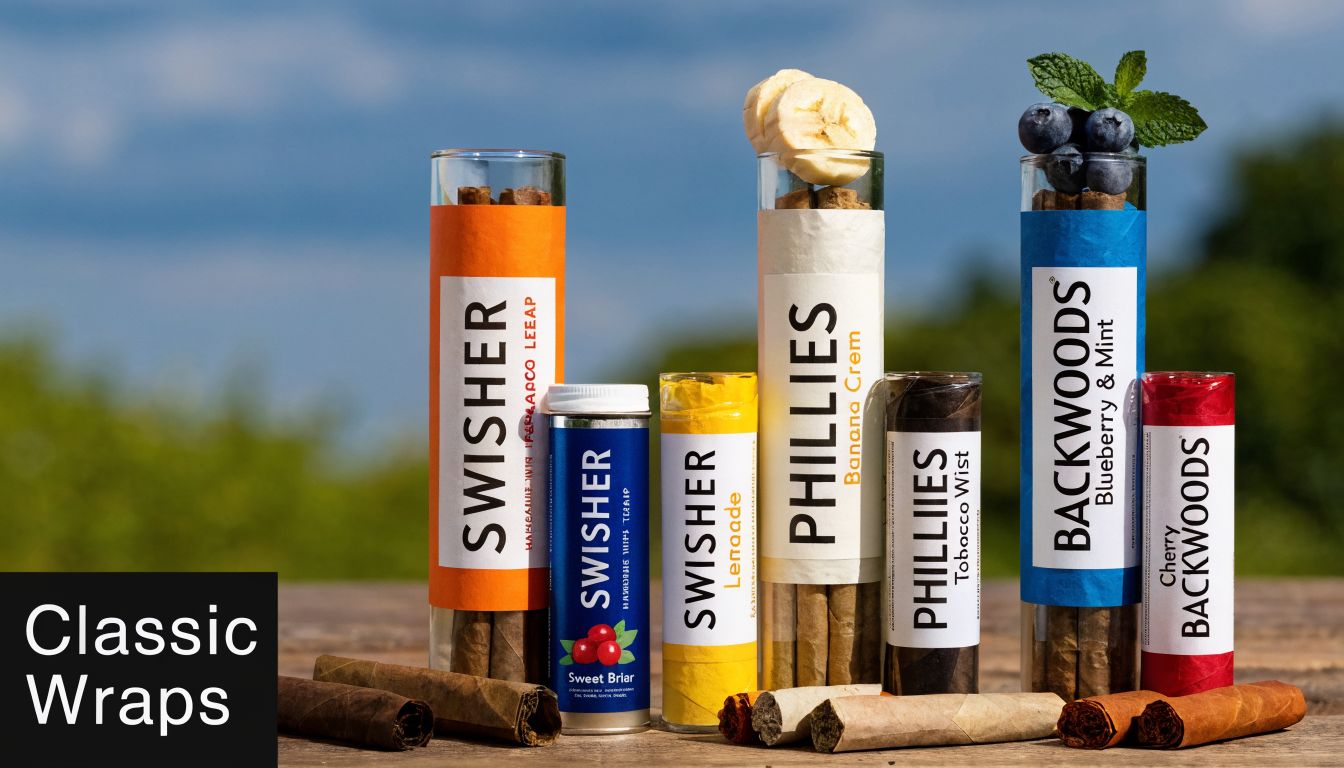
This is the old-school method familiar to many in the region at some point. Swisher-style cigarillos, Phillies-style cigars, and similar products get split, emptied, and refilled with flower.
The upside is obvious. They’re familiar, accessible, and they deliver that classic blunt aroma. The downside is that they can be messy, dry, and inconsistent. Some split clean. Some crumble in your fingers.
For beginners, split cigarillos can be frustrating because the wrap already has tension and shape memory from the original fill. Once you open it, you’re fighting the leaf the whole way.
Standalone wraps and full tobacco leaves
If you want more control, standalone wraps are cleaner than splitting a cigar. You can shape the roll yourself and avoid dealing with leftover filler. Full tobacco leaves go one step further. They offer more flexibility, but they also require more touch and patience.
According to Root and Bloom’s blunt rolling guide, tobacco wraps need 10 to 15% humidity for pliability. That’s why skilled rollers lightly moisten the edges instead of soaking the whole wrap. The same guide notes that pros often dry-seal the seam with a lighter and that this method can preserve terpene profiles with 95% fidelity.
That sounds technical, but the practical lesson is simple: too dry and the wrap cracks. Too wet and it gets floppy, sticky, and hard to seal.
What tobacco wraps do well
Tobacco wraps still win in a few areas:
- Deep flavor: They bring a darker, richer note that many smokers want.
- Sturdy body: A decent leaf can hold shape well once sealed.
- Ritual: Splitting, filling, tucking, and baking the seam is part of the appeal.
They also come with trade-offs that deserve honesty.
- Nicotine presence: Even if you’re focused on the flower, the wrap changes the effect.
- Harshness risk: A bad leaf or poor moisture control can smoke rough fast.
- Learning curve: Tobacco leaf is less forgiving than many tobacco-free wraps.
For smokers who still like jumbo-format tobacco wraps, this blunt jumbo roll option shows the kind of product people often reach for when they want that traditional feel without splitting a cigar by hand.
A quick visual always helps if you’re working on your form:
Tobacco wraps reward good technique and punish lazy prep.
If you like the classic blunt profile, tobacco-based materials still have a place. You just need to respect the material and be honest about the trade-offs.
Modern Rolling Alternatives Tobacco-Free Wraps
A lot of DMV smokers still want the blunt format but don’t want tobacco in the mix. That’s where modern wraps changed the conversation. You can keep the larger roll, the slower pace, and the handfeel of a blunt without relying on a cigar shell.
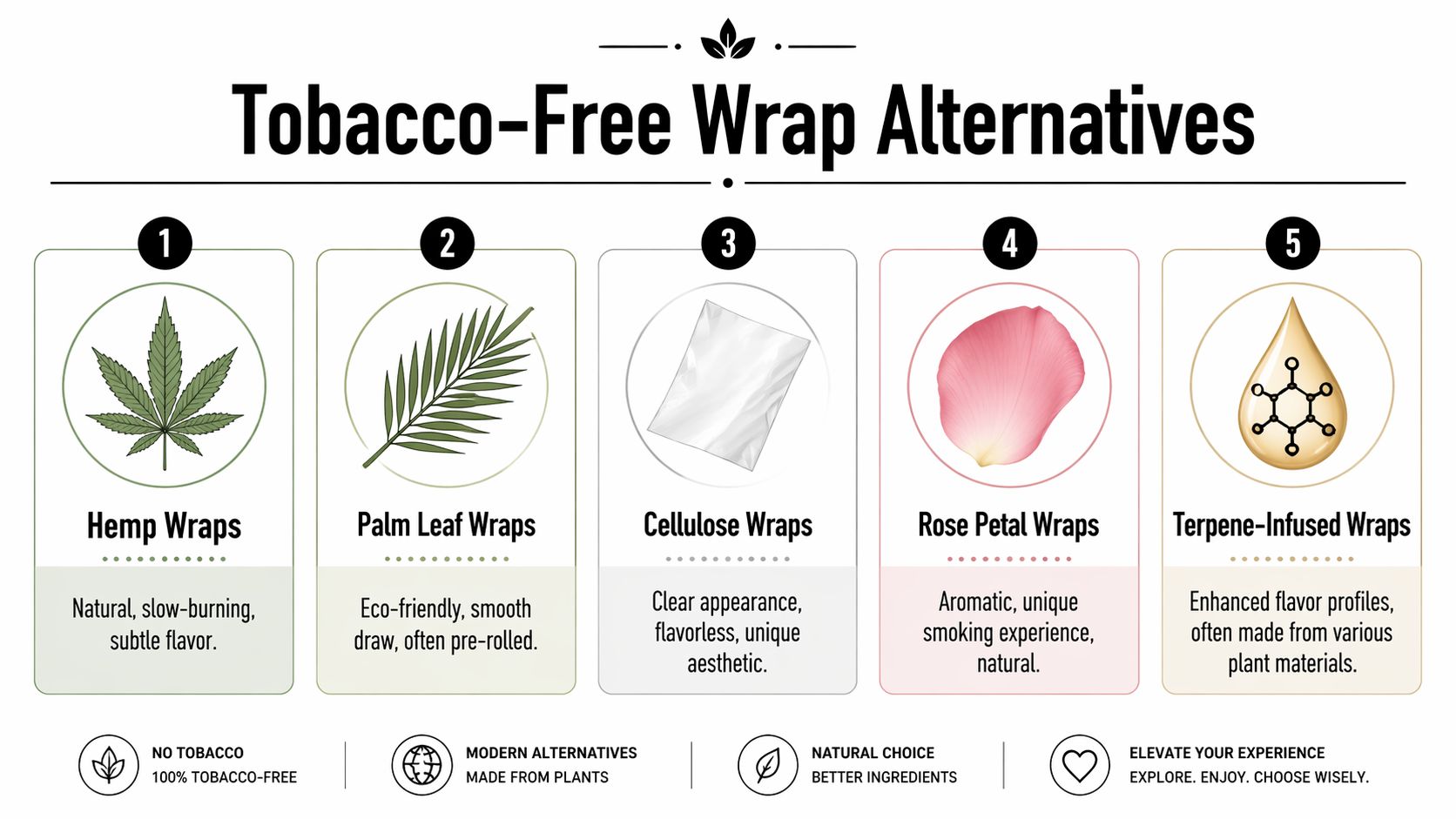
According to the PMC blunt use research summary, the global blunt wrap market reached $1.2 billion in 2024, and non-tobacco alternatives like hemp have grown at 15% CAGR since 2020. The same source notes that tobacco blunts can contribute to 30% higher nicotine exposure than joints. That’s a big reason many smokers have switched to non-tobacco wraps.
Hemp wraps
Hemp wraps are the easiest recommendation. They’re familiar in size, usually easier to handle than brittle tobacco leaf, and they don’t force a nicotine note into the session.
They tend to let the flower speak more clearly. If you’re smoking something with a loud terpene profile, that matters. The trade-off is that some hemp wraps feel slightly drier or more papery than a rich leaf wrap, depending on brand and storage.
Palm leaf and pre-rolled botanical cones
Palm leaf options are popular with smokers who want a denser, slower session and don’t want to hand-roll from scratch every time. Many come pre-formed, which removes a lot of the skill barrier.
They don’t taste like tobacco, and they don’t pretend to. The flavor is more earthy and neutral. If you want the wrap to stay out of the way, that can be a strength. If you want the old-school cigar note, it won’t scratch that itch.
Rose petal, cellulose, and terpene-infused wraps
These are more style-driven choices. They can be enjoyable, but they’re not always everyday materials.
Rose petal wraps bring aroma first. Cellulose wraps are about appearance and novelty. Terpene-infused wraps can add a flavored edge that some smokers enjoy and others think overwhelms the flower. These are the kinds of wraps you choose on purpose, not just because they’re available.
Blunt Wrap Material Comparison
| Material | Flavor Profile | Burn Rate | Health Impact | Ease of Use |
|---|---|---|---|---|
| Hemp Wraps | Mild, neutral, flower-forward | Steady slow burn | Tobacco-free | Usually beginner-friendly |
| Palm Leaf Wraps | Earthy, natural | Slow and dense | Tobacco-free | Often easiest in cone form |
| Cellulose Wraps | Minimal flavor | Can vary by brand | Tobacco-free, but novelty-focused | Moderate |
| Rose Petal Wraps | Floral and aromatic | Can be uneven if poorly made | Tobacco-free, but quality matters | Moderate to difficult |
| Terpene-Infused Wraps | Added flavor on top of flower | Varies | Tobacco-free if made from plant material | Easy to moderate |
What actually works for daily use
For most adults asking what can you roll a blunt with, the practical answer is short. Hemp wraps work. Palm leaf products work. Good-quality botanical wraps can work. The best choice depends on whether you want tradition, neutrality, or convenience.
- Best for flavor purity: Hemp
- Best for low-effort sessions: Palm leaf cones
- Best for novelty: Rose petal or terpene-infused wraps
- Best if you hate nicotine: Any purpose-made tobacco-free wrap
If the wrap has a strong personality, make sure it complements the flower instead of covering it up.
The modern market is better than it used to be. You don’t have to choose between a harsh tobacco shell and a flimsy substitute anymore.
DIY Household Items A Word of Caution
Much online advice often goes sideways.
Yes, people have used corn husks, fruit peels, onion paper, and other household items as emergency rolling material. Some of those methods also have cultural roots, and they shouldn’t be dismissed as random internet hacks. But there’s a difference between acknowledging a tradition and pretending every home workaround is safe to burn.
The biggest issue is simple. Most improvised materials were never made for combustion and inhalation. That means you’re guessing about residue, treatment, moisture, and what happens when heat hits the material.
According to Mellow Fellow’s discussion of rolling paper alternatives, “most household items release toxins when burned” and “long-term health risks rise from repeated exposure to unsafe combustion byproducts.” That’s the line too many people skip past when they’re looking for a quick fix.
What people try in a pinch
A few examples come up often:
- Corn husks: Often discussed because they have a history of use in some regions.
- Fruit peels: Popular in videos because they look creative, not because they’re reliable.
- Onion or similar thin plant layers: Sometimes mentioned as a last resort.
The problem isn’t just whether these can hold flower. Some can. The problem is whether they burn cleanly, seal well, and avoid introducing a whole new set of unknowns into the smoke.
The practical standard
If you care enough to choose clean, well-cured flower, don’t undercut that decision with an untested wrap from the produce drawer.
A purpose-made wrap is built for the job. A household substitute usually isn’t. That’s the whole argument.
Untested materials turn a smoking session into an experiment you didn’t agree to run.
In a real emergency, many experienced smokers would rather wait, use a proper piece, or skip the session than roll top-shelf flower into something questionable. That’s not snobbery. That’s quality control.
Key Techniques for a Perfect Roll and Seal
Even the right wrap can smoke badly if the prep is off. Most blunt problems start in one of three places: the grind, the pack, or the seam.
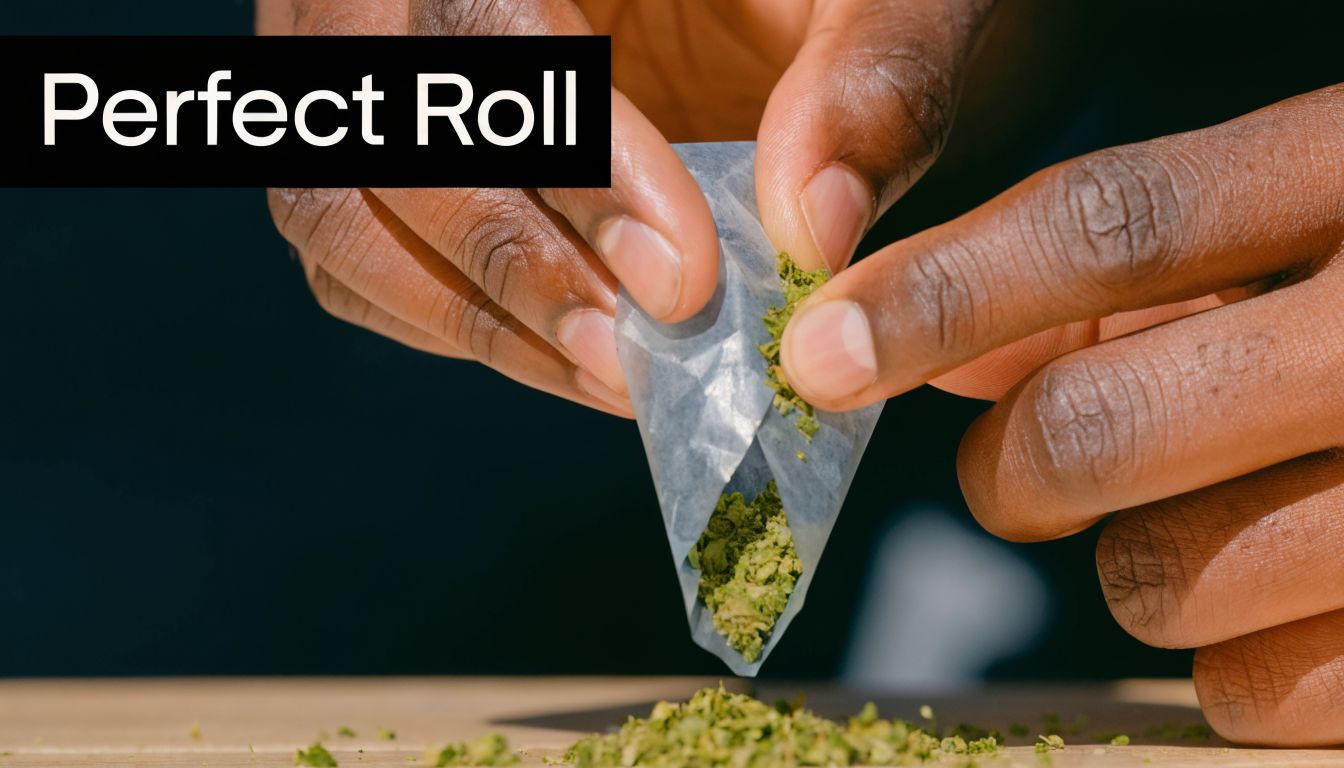
According to 420 Science’s guide on how to roll a blunt, a medium-coarse grind on 1 to 2 grams of flower is best for combustion and airflow. That same guide notes that finer grinds burn hotter, degrade cannabinoids faster, and that a coarser texture can produce 25% longer sessions with more consistent flavor.
Grind for airflow, not dust
A lot of people overgrind because they think smaller pieces will roll tighter. What happens is that the material compacts too much, the draw gets restricted, and the cherry starts moving unevenly.
You want texture. Not full nugs, but not powder. When the flower still has some body, the wrap can breathe and the burn line stays more controlled.
Pack with shape in mind
Don’t dump everything into the center and hope the roll fixes it. Spread the flower evenly from end to end. Leave enough room to tuck the wrap without overstuffing.
Good packing creates a consistent cylinder. Bad packing creates thin spots, bulges, soft ends, and relights.
A few practical rules help:
- Build the body first: Arrange the flower before you start tucking.
- Keep the ends honest: If one end is loose, the whole roll will feel sloppy.
- Use gentle pressure: Tight is not always better. Air still needs to move.
Seal the wrap without drowning it
Sealing is where beginners often ruin an otherwise decent roll. They over-wet the seam, the wrap stretches, and the whole thing starts fighting back.
For most wraps, less moisture works better than more. Moisten the edge, tuck carefully, then set the seam with a brief pass of heat if the material allows it. You’re trying to lock the shape, not toast the blunt before it’s lit.
If you want a hands-on walkthrough, this guide to rolling the perfect blunt breaks down the process in a practical way.
A clean finishing routine
Try this order:
- Check the grind so it’s medium-coarse and springy.
- Distribute the flower evenly across the wrap.
- Tuck slowly from one side to the other instead of forcing the whole seam at once.
- Moisten only the edge that needs adhesion.
- Bake the seam lightly with a lighter if the wrap responds well to that finish.
- Test the draw before fully lighting.
The best roll feels balanced in the fingers before it ever gets lit.
When people ask what can you roll a blunt with, they usually focus on materials. The better question is whether you can prepare that material well enough to get the result you want.
The Smart Alternative Premium Prerolls Delivered in DC
Not every session needs to start with a grinder, wrap choice, and ten minutes of handwork. Sometimes the smartest move is skipping the process.
That’s especially true for busy DMV consumers who want consistency more than ritual. If you’re heading out for the night, settling in after work, or staying at a hotel in DC, a well-made preroll solves most of the problems this article has talked about. No guessing on grind. No torn seam. No bad seal. No wasted flower because the wrap fought you.
Why prerolls make sense
A quality preroll is about control. The flower is already measured, the construction is already handled, and the smoke is designed to burn evenly.
That appeals to a few types of buyers right away:
- Professionals: You don’t always want to spend time rolling.
- Visitors: You may not want to buy accessories for a short stay.
- Newer smokers: You get a reliable format without learning on the fly.
- Experienced users: Some nights you want results, not a project.
Better fit for convenience and consistency
For a lot of adults in DC, Maryland, and Virginia, the best answer to what can you roll a blunt with is simple. You don’t have to. A ready-made option removes the most common failure points and gives you a more predictable session.
If convenience is the priority, browse prerolls available from Green Express DC instead of piecing together wraps and accessories at the last minute.
The ritual of rolling will always have its place. Convenience has a place too.
Frequently Asked Questions for DMV Cannabis Users
A few questions come up constantly around blunt wraps, especially from adults in DC who shop carefully and want to avoid wasting flower on the wrong material.
FAQ Section
| Question | Answer |
|---|---|
| What can you roll a blunt with if you want the classic experience? | A traditional blunt uses a tobacco wrap, cigarillo shell, or cigar leaf. That gives you the familiar aroma, denser smoke, and slower style many smokers associate with a classic blunt. |
| What can you roll a blunt with if you want to avoid tobacco? | Hemp wraps, palm leaf cones, and other purpose-made botanical wraps are the best place to start. They keep the blunt-style format without adding tobacco. |
| Are household materials a good backup? | Usually no. Some have cultural history, but that doesn’t make every kitchen substitute a smart choice. If a material wasn’t made to be burned and inhaled, treat it with caution. |
| Why does my blunt canoe even when I use good flower? | Uneven grind, uneven packing, or a sloppy seam are the usual causes. A wrap can also burn badly if it’s too dry or too wet. |
| Is a blunt the same as a joint? | No. The main differences are the wrap, the capacity, and the pace of the session. A blunt is usually thicker, slower, and more wrap-driven in flavor. |
| What’s easiest for beginners in the DMV? | Tobacco-free wraps and pre-formed cones are usually easier than splitting cigarillos. They ask for less finesse and often produce a cleaner first result. |
| Is it better to hand-roll or buy prerolls? | That depends on what you want. Hand-rolling gives you control and ritual. Prerolls give you convenience and consistency. |
| Does wrap choice matter as much as strain choice? | It matters more than many people think. The wrap changes the taste, burn, and feel of the smoke, so it can absolutely shape the session. |
Local common-sense guidance
People in the DMV often move between DC, Maryland, and Virginia, but cannabis access and purchasing rules aren’t identical across the region. The safest approach is to stay current on the rules where you are, carry valid ID, and buy through reputable channels rather than informal sources.
That same logic applies to wraps and smoking accessories. If the goal is a cleaner, more predictable session, use materials that were made for combustion and inhalation. Good habits matter more than novelty.
If you’re unsure about the wrap, the flower deserves a better decision.
If you want to skip the guesswork and keep things simple, Green Express DC is a practical option for adults in Washington, DC who want premium cannabis delivered fast and discreetly. Browse the menu, choose flower, concentrates, vapes, edibles, or prerolls, and get a clean, convenient experience without scrambling for last-minute rolling supplies.