
You’re standing in your kitchen at the end of a long day, staring at a gummy you bought on impulse and wondering if there’s a better edible for the mood you want. Maybe you want something familiar. Maybe you do not love the candy vibe. Maybe you want an edible that feels less like a novelty and more like a comfort food with a clear purpose.
That is where thc rice crispy treats come in.
For a lot of adults in DC, Virginia, and Maryland, these treats hit a sweet spot. They feel recognizable, they are easy to portion, and they fit the discreet, low-fuss style many edible shoppers want. They also carry a reputation that deserves respect. A rice crispy treat can look harmless and still be very strong.
People often get confused because this category sits between homemade nostalgia and modern cannabis science. One person thinks of marshmallows and cereal. Another thinks of high-potency commercial edibles with measured cannabinoid content. Both are right.
This guide is built for the reader who wants plain English, not hype. If you’re comparing options, figuring out what to expect from your body, or trying to understand how buying in DC differs from Virginia or Maryland, this will help you sort it out safely.
Your Guide to Nostalgic Cannabis Edibles
A lot of first-time edible shoppers do not start by asking for the strongest thing on the menu. They ask for something they understand.
That usually sounds like this: “I want an edible, but not something too weird.” Or, “I used to eat rice crispy treats as a kid. Is there a version with THC?” That reaction makes sense. Familiarity lowers the barrier. If a product looks approachable, people feel more comfortable asking questions about dose, timing, and effects.
Why this format feels approachable
A thc rice crispy treat looks like a snack, not a gadget. There is no lighter, no vape battery, no cloud, and no smell hanging in the room. For adults who care about privacy, that matters.
For some people, discretion is the whole point. A tourist in DC may want something low-profile for a hotel evening. A Maryland commuter may not want flower in the car. A Virginia resident may prefer an option that does not advertise itself to neighbors or roommates. In those situations, an edible with a familiar look can feel less intimidating.
There is also a comfort factor. The texture, the sweetness, and the cereal-marshmallow base all connect to something people already know. That does not make it mild. It just makes it easier to approach.
Tip: The familiar look of a rice crispy treat can make people underestimate it. Treat the label, not the appearance, as the truth.
Where people usually get tripped up
The biggest misunderstanding is simple. Many adults assume a nostalgic edible will also be a beginner edible. That is not always true.
Some products in this category are formulated for experienced consumers. Others are designed so you can divide them into smaller pieces. The product can be friendly. The dose may not be.
Another point of confusion is timing. Someone eats a piece, feels little after a while, and takes more. Then both portions land close together. If that person had instead read a product page like this guide to edible Jolly Ranchers, they’d notice the same core edible rule applies across formats: patience matters more than taste, shape, or branding.
Why they stay popular
Rice crispy edibles sit in a useful middle lane.
- They feel familiar: That helps new shoppers ask better questions.
- They portion well: A square or bar can often be cut more easily than some sticky candies.
- They are discreet: They travel and store like a snack.
- They appeal to experienced users too: Stronger versions exist for people who know their tolerance.
That mix is why thc rice crispy treats keep showing up in conversations across the DMV. They are comforting on the surface, but they belong in the same serious category as any other THC edible. If you respect the dose and wait for the full effect, they can be one of the easiest edible formats to understand and enjoy.
The Enduring Appeal of THC Rice Crispy Treats
Rice Krispies launched in 1928, and that cereal later became the base for one of the original cannabis edibles. Over time, thc rice crispy treats grew from homemade classics into commercial products that now rank as the second-most popular edible type globally behind gummies, with modern examples including CannaAid at 150mg THC per treat and brands like Eighty Six and Snapdragon offering different THC profiles, as noted by Rice Krispies brand history and related edible context.
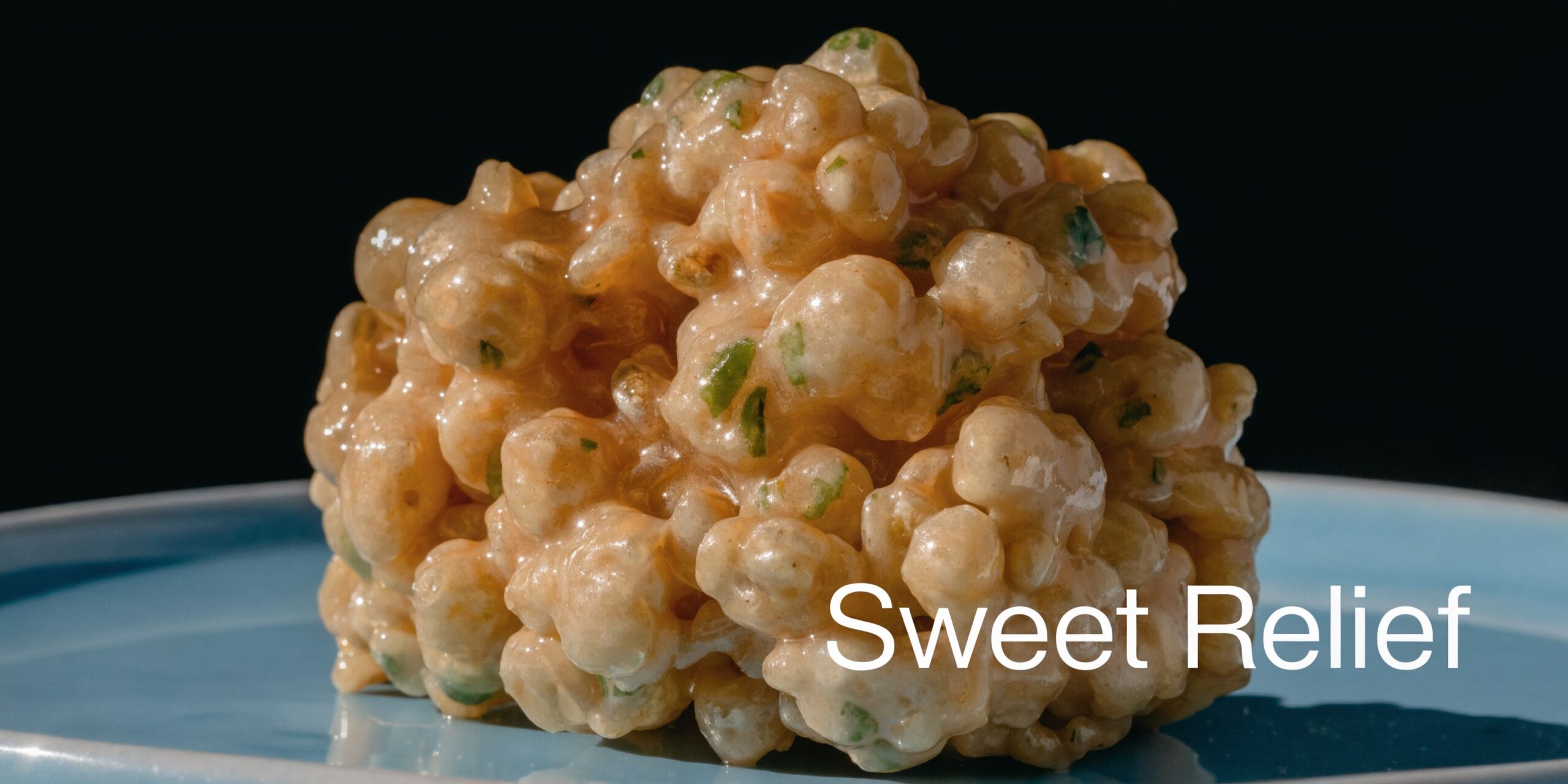
That history explains a lot. Some edibles became popular because they were novel. Rice crispy treats became popular because they were already loved before cannabis entered the picture.
What makes them different from other edibles
The core formula is simple. Cereal, marshmallows, fat, and an infused ingredient. That simplicity gives this edible type a few practical advantages.
First, it is easy to eat. There is no harsh flavor by default, and many versions mask cannabis taste better than old-school brownies or heavily infused baked goods.
Second, the format is discreet. A wrapped square does not draw the same attention as smoking or vaping.
Third, it can support a wide range of cannabinoid profiles. Some products lean toward a classic THC experience. Others mix cannabinoids in ways that change how the effect feels.
Why old-school meets modern so well
Commercial thc rice crispy treats are not just homemade snacks in nicer packaging. Manufacturers now use more controlled infusion methods and offer a broader menu of effects.
Here’s what that evolution looks like in practice:
| Product example | Notable formulation detail | Why shoppers care |
|---|---|---|
| CannaAid | 150mg THC per treat | High-potency option that can be portioned |
| Snapdragon | 35mg Delta-8 THC and 7mg Delta-9 THC per treat | Different cannabinoid balance |
| Smoky Mountain CBD | 100mg THC and 100mg CBD | Appeals to people who want THC with CBD in the same product |
| Evergreen Organix | 20mg and 100mg options | More flexibility by tolerance level |
Those product examples come from the verified market data provided for this topic. They show why this category still matters. It covers beginner-curious shoppers, experienced edible users, and people who care about specific cannabinoid combinations.
Why shoppers keep coming back
People do not stick with a product category for decades by accident. Thc rice crispy treats solve real buying problems.
- They are recognizable. New users feel less intimidated.
- They are easy to carry and store.
- They can be sliced or portioned.
- They bridge homemade culture and modern consistency.
Key takeaway: A thc rice crispy treat is not popular just because it tastes good. It stays relevant because it combines familiarity, discretion, and flexible dosing in one format.
In the DC market especially, that combination matters. Buyers often want something dependable and low-profile. This category has been answering that need for a long time.
How Infused Treats Affect Your Body
A customer in DC buys a thc rice crispy treat, eats a piece after dinner, feels nothing for a while, then takes more. An hour later, both servings hit at once. That pattern is one of the most common edible mistakes, and it happens because the body processes eaten cannabis very differently from inhaled cannabis.
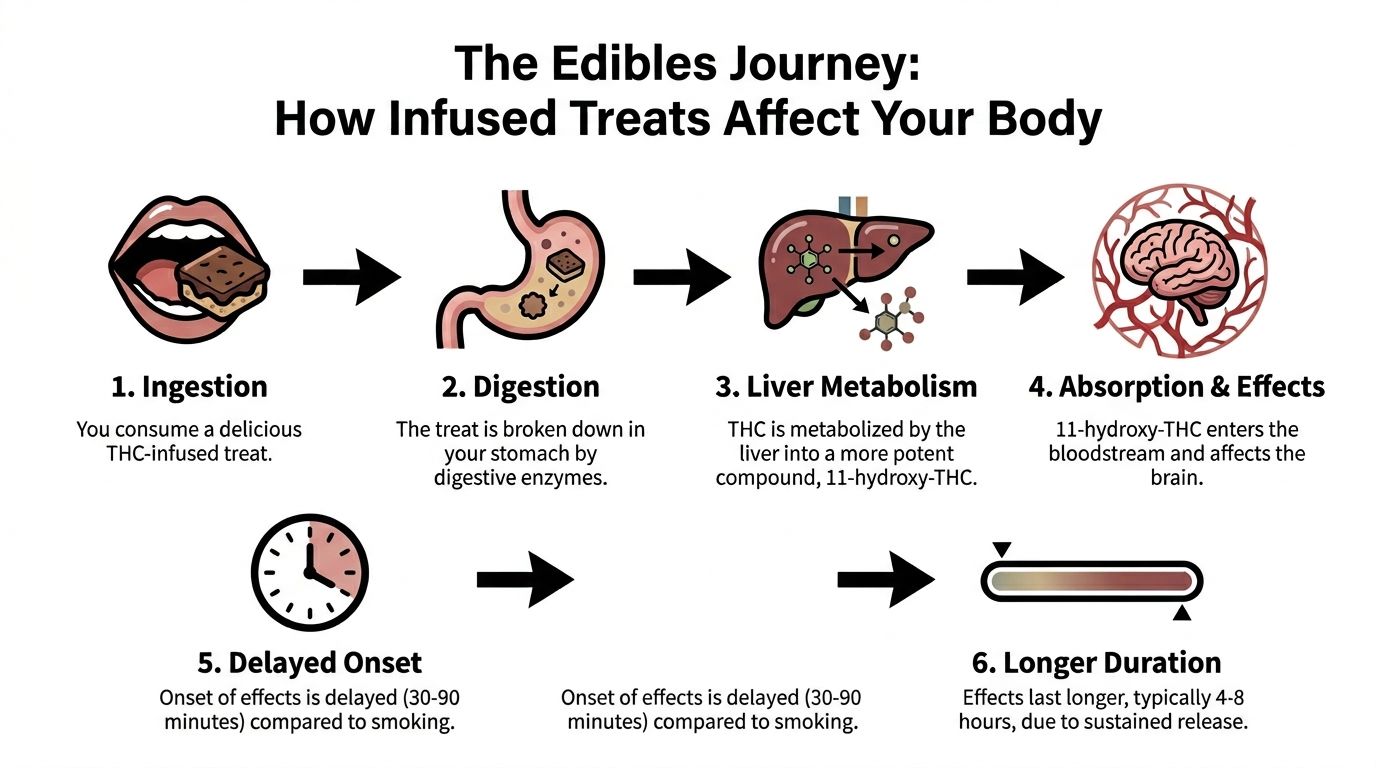
When you smoke or vape, cannabinoids pass into the bloodstream through the lungs and can be felt quickly. With an edible, the treat first moves through digestion, then the liver helps convert THC into 11-hydroxy-THC, a metabolite many consumers describe as feeling stronger and longer-lasting. The National Institute on Drug Abuse explains this slower edible pathway in its overview of cannabis drug facts.
The short version of the edible process
Here is the plain-English version. You eat the treat. Your stomach and intestines break it down. THC is absorbed and sent to the liver. After that, the effects build and spread through the body.
That extra processing time explains why thc rice crispy treats often feel delayed at first and then last much longer than a smoked product.
For newer shoppers in DC, Maryland, and Virginia, this matters because familiar-looking edibles can create false confidence. A crispy treat looks like a snack. The body treats it like a cannabis product that needs time to fully develop.
The timing terms that matter
Three words clear up a lot of confusion.
- Onset is the point when you first notice the effects.
- Peak is the strongest part of the experience.
- Duration is how long the effects continue before tapering off.
Those windows vary from person to person based on metabolism, what you ate that day, the product formula, and your tolerance. If you have ever wondered whether to wait longer or take more, this guide on when edibles kick in gives a useful frame for pacing yourself.
Why one treat can feel different from another
Two thc rice crispy treats can list similar THC amounts and still land differently.
The first reason is formulation. Cannabinoids need to be distributed evenly through the butter, oil, or syrup mixture. If the infusion is uneven, one corner piece may feel mild while another feels much stronger.
The second reason is absorption. Some manufacturers use ingredients such as lecithin to help blend cannabinoids more evenly into the recipe. Better blending can support more consistent effects from piece to piece.
Your body also plays a big role. A treat eaten on an empty stomach may come on differently than one eaten after a full meal. The same person can even get different results on different days.
| Factor | What it can change |
|---|---|
| Cannabinoid content | Overall intensity |
| Infusion quality | Consistency from bite to bite |
| Ingredients such as lecithin | How evenly cannabinoids mix and absorb |
| Your metabolism and recent meals | Onset, strength, and duration |
For shoppers in the DC market, this is one more reason to choose clearly labeled, lab-tested edibles from a trusted delivery service instead of taking chances on homemade or unlabeled products passed around socially. The treat itself may look nostalgic and simple. The way it behaves in the body is more technical than it seems.
Safe Dosing and Potency Calculation
You get home on a Friday night, unwrap a thc rice crispy treat, and see a big total THC number on the label. The treat looks small, familiar, and easy to underestimate. That is where edible math protects the evening.
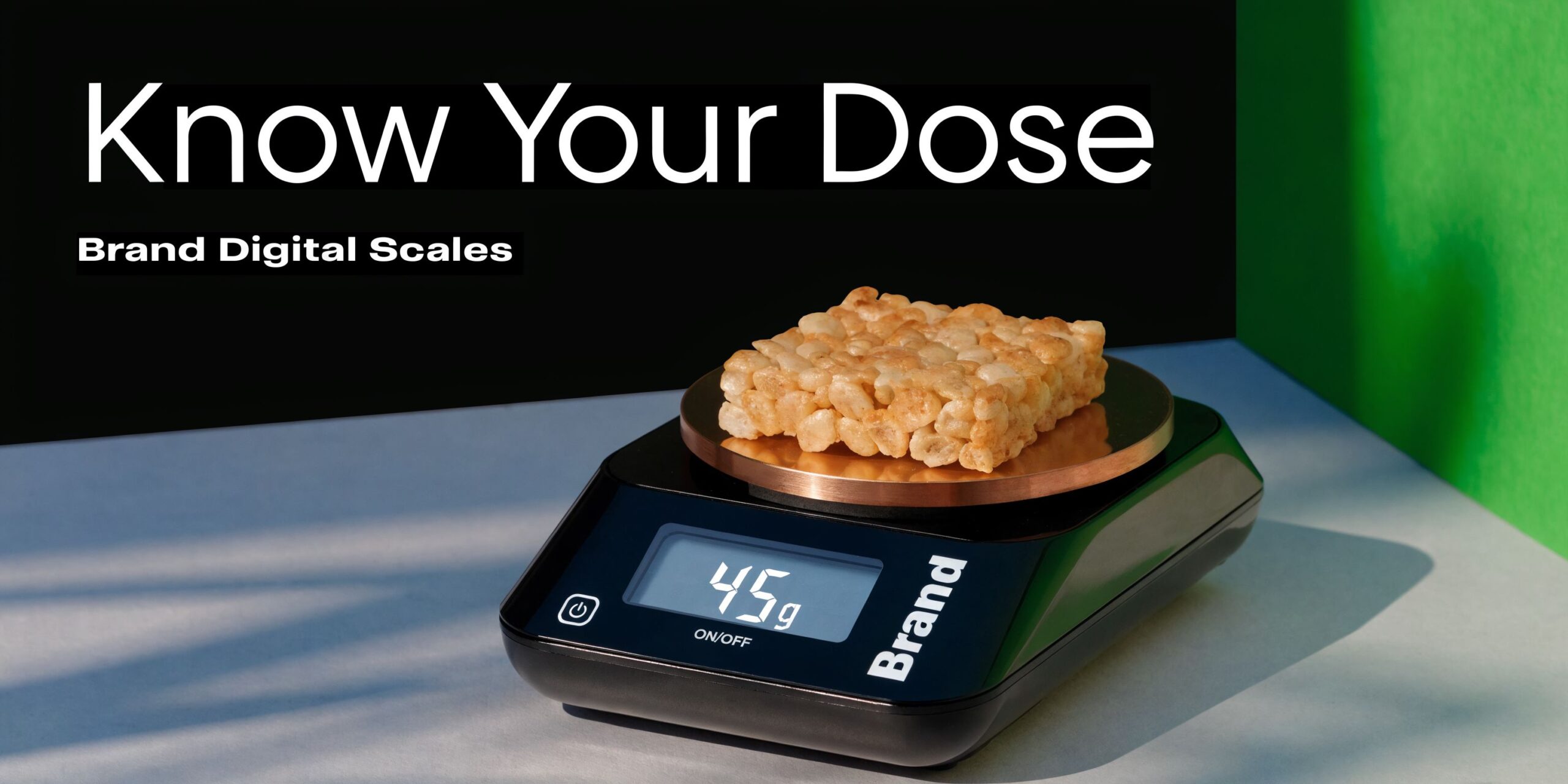
A good rule for beginners is simple. Start with a low THC amount, then wait long enough before deciding whether you want more. With rice crispy treats, the tricky part is that one square often contains several beginner-sized servings.
Read the label like a map
For DC shoppers, the safest starting point is a lab-tested product with clear packaging. If the label says the full treat contains 40mg THC, and you want a 5mg trial dose, divide it into 8 equal pieces. If the treat contains 20mg THC, a quarter gives you 5mg.
That is the whole skill. You are not guessing how hard it might hit. You are choosing a portion based on the number in front of you.
If you buy from a delivery service such as Green Express DC, this gets much easier because product details are available before you order. If you want more background on infusion methods and homemade calculations, this guide on how to make cannabis edibles at home helps explain where potency can drift.
A quick formula you can use
Use this equation:
Total THC in the treat ÷ number of pieces = THC per piece
Then reverse it if needed:
Target dose ÷ THC per piece = how much of one piece to eat
Here is a practical example for someone in DC trying a stronger edible for the first time:
| Label says | If you cut it into | Approximate THC per piece |
|---|---|---|
| 20mg total THC | 4 pieces | 5mg each |
| 40mg total THC | 8 pieces | 5mg each |
| 50mg total THC | 10 pieces | 5mg each |
This is why a single treat can last several sessions.
Why homemade math gets messy fast
Home recipes can look straightforward, but potency calculation often breaks down in two places. First, people may not know the exact strength of the infused butter or oil they used. Second, even if the starting infusion is strong and well made, it still has to spread evenly through the whole batch.
A pan of treats works like a pitcher of sweet tea. If everything is mixed thoroughly, each glass should taste similar. If the mixture is uneven, one serving can come out much stronger than the next.
That matters even more in the DC, Virginia, and Maryland area, where shoppers may run into unmarked homemade edibles through friends, pop-ups, or informal sellers. Without a verified label and lab result, dosing becomes estimation. Estimation is where uncomfortable edible experiences often begin.
A safer dosing routine
Use this checklist before your first bite:
- Check the total THC on the package.
- Choose your dose before you start snacking.
- Cut the portion while sober and in good lighting.
- Store the rest immediately so you do not graze mindlessly.
- Wait through the full edible onset before taking more.
- Make a note of the amount and how it felt.
For new consumers, lower and slower usually wins. For experienced consumers, labels still matter because a nostalgic dessert shape can hide a high dose.
This video gives a helpful visual mindset for edible caution and portion awareness:
Storage affects consistency too
Potency calculation is only useful if the product stays stable between sessions. If you cut a stronger treat into smaller pieces, keep those portions in a sealed, clearly labeled container. Refrigeration or freezing can help preserve texture and make portion control easier over time.
Labeling matters at home too. In shared apartments and family homes across DC, Maryland, and Virginia, a rice crispy treat can look exactly like a regular snack. Clear storage and child-resistant habits are part of safe dosing, not a separate issue.
Buying Lab-Tested vs Making at Home
A lot of DMV shoppers reach this point after the same moment. They want the comfort-food feel of a rice crispy treat, but they also want to know what kind of night they are buying.
That question matters more with edibles than with almost any other cannabis format. A homemade pan can taste great and still be hard to read. A lab-tested product gives you clearer signals before you ever take a bite.
Side-by-side comparison
Here is a practical way to compare the two paths:
| Question | Making at home | Buying lab-tested |
|---|---|---|
| Do you know the exact potency? | You can estimate it, but errors stack up fast | Labels give a clearer starting point |
| Is dosing uniform across pieces? | Mixing and cutting can create hot spots | Commercial portions are usually more even |
| Can you check what is in it besides THC? | Only if you know the flower or extract well | Packaging often lists cannabinoid details |
| Is it easier for a new edible user? | Usually no | Usually yes, if the label is clear |
Home cooking works a bit like making a soup without stirring long enough. One scoop can be mild, and the next can be much saltier. With infused cereal treats, the same problem shows up in potency. If the infused fat is not distributed evenly, one square may feel manageable while another feels much stronger.
What buying lab-tested usually gives you
The biggest advantage is predictability.
A reputable seller can show packaging details, ingredient information, and testing documentation tied to the batch. That does not make every product perfect, but it gives adult buyers in DC a better basis for choosing than guessing from a homemade tray wrapped in parchment paper.
For local shoppers, that difference is practical, not abstract. If you are ordering through a delivery service such as Green Express DC, the goal is usually not just getting a sweet edible. It is getting something with clearer labeling, more consistent portions, and a lower chance of unpleasant surprises.
Where homemade can go sideways
Making infused rice crispy treats at home asks you to get several steps right in a row. Decarb too lightly and the effect may be weak. Heat the infusion poorly and potency can shift. Stir unevenly and the pan may dose inconsistently. Cut casual, snack-sized squares and your planned servings can disappear.
None of that means homemade is bad. It means homemade rewards experience.
If you enjoy kitchen projects and want to study the process carefully, this guide on how to make edibles is a useful starting point. It helps you work through infusion, portioning, and storage with more care than a quick social post or casual recipe card.
So which option fits best?
For first-time edible buyers, occasional users, and anyone shopping across DC, Virginia, and Maryland who wants fewer unknowns, lab-tested usually makes more sense. It is the easier option to evaluate before purchase, especially in DC where adults often rely on delivery-based access and need to judge sellers by transparency.
Homemade treats fit people who want control over ingredients and already understand edible math. Lab-tested treats fit people who want reliability, clearer information, and a smoother path to a predictable experience.
Navigating Edibles in DC Virginia and Maryland
People in the DMV often search for cannabis products as if the region were one market. It isn’t.
DC, Virginia, and Maryland sit close together, but the rules and practical access points are not the same. That is why edible shoppers get confused, especially if they live in one place, work in another, and spend weekends in a third.
DC works differently from its neighbors
Washington, DC has its own local cannabis framework, and adults often hear about the “gifting” model connected to Initiative 71. In practical terms, many shoppers encounter cannabis access through delivery-oriented or gifting-style systems rather than the same kind of retail setup they might expect elsewhere.
That local reality shapes how adults look for thc rice crispy treats in the District. They are not just shopping for flavor or potency. They are trying to understand whether the seller is operating in a way that fits DC’s rules and culture.
Virginia and Maryland create extra confusion
Virginia and Maryland add another layer because consumers may assume rules carry across borders. They do not.
A person in Northern Virginia may read about a DC edible and assume the same access path applies at home. A Maryland consumer may see delivery discussions online and think every nearby jurisdiction handles orders the same way. That mismatch leads to bad assumptions.
A safer mindset is to treat each jurisdiction as separate. Learn the local rules where you are physically located, and avoid casual cross-border thinking just because the drive is short.
A practical way to stay out of trouble
If you are shopping for thc rice crispy treats in the broader DMV, focus on these decision points:
- Know your location first. Your address matters more than your metro area identity.
- Read the seller’s process carefully. Reputable operators explain age verification, delivery boundaries, and ordering steps clearly.
- Avoid vague listings. If the menu language is confusing, the buying experience may be too.
- Keep transportation risk in mind. Crossing jurisdictions with cannabis raises questions many consumers underestimate.
Key takeaway: “Nearby” is not the same as “legally equivalent.” DC, Virginia, and Maryland should be treated as separate cannabis environments.
For adults who move around the region, this matters as much as potency. The best edible experience is not just about finding a product you like. It is about buying it through a process that makes sense for the place you are in.
Ordering Discreetly from Green Express DC
When adults choose delivery for edibles, they usually care about three things most. Privacy. Simplicity. Confidence that the product is what the label says it is.
Those concerns matter even more with thc rice crispy treats, because a familiar-looking edible can be easy to underestimate. A good ordering process reduces that risk by making product details easy to review before anything arrives.

What a careful ordering process should look like
A strong delivery experience is not flashy. It is orderly.
You should be able to browse the menu, compare edible formats, and look for clear labeling on potency and product type. If you are choosing between gummies, tinctures, or a cereal-based edible, the menu should help you slow down and compare instead of rushing you toward checkout.
For thc rice crispy treats specifically, a thoughtful buyer checks:
- Total cannabinoid content
- Whether the treat is meant to be portioned
- Any mention of CBD or alternate THC forms
- Packaging details that suggest professional handling
Why discretion matters in the DC market
Many adults ordering in DC are not trying to make cannabis part of the evening’s main event. They want something easy, private, and low-stress.
That includes business travelers, tourists, apartment dwellers, and people with roommates. For them, discreet delivery is not a luxury feature. It is the baseline requirement.
A solid service should explain practical details clearly, such as identification checks at drop-off, how delivery works, and what customers should prepare before the courier arrives. Clarity reduces awkward moments and helps adults receive products in a way that feels professional.
What to do before your order arrives
The best time to plan your edible use is before the bag gets to your door.
Set yourself up with water, a calm environment, and a clear plan for how much of the treat you want to try. If the product looks strong, decide in advance where you will cut it. If you share a home, choose a storage spot right away so the edible does not end up in a common snack area.
Tip: Open the package, read it fully, then portion the treat before your first bite. Do not freestyle edible dosing late at night.
A delivery service can make access easier. It cannot replace your judgment once the edible is in your hands. For thc rice crispy treats especially, the smoothest experience comes from matching discreet purchasing with equally careful use at home.
Frequently Asked Questions
How should I store thc rice crispy treats
Treat them like any other adult-only edible. Keep them in a sealed container, clearly labeled, and placed away from regular snacks so nobody grabs one by accident.
If you want to save portions for later, cut them first and store each piece with the dose noted. As mentioned earlier, freezing is the most protective option. It helps preserve texture and makes portion control much easier the next time you reach for one.
What should I do if I eat too much
Start with the simplest reminder. You are very likely dealing with an uncomfortable edible experience, not a permanent problem.
Move somewhere quiet, sip water, and stop consuming THC for the rest of the night. A calm show, low music, or even a dim room can help because edibles can make normal stimulation feel louder than usual. If a trusted friend can stay nearby, that often helps too.
If you feel severe distress or symptoms that seem beyond typical intoxication, seek medical help.
Are thc rice crispy treats good for beginners
They can work for beginners because the format feels familiar. The challenge is potency. A treat that looks like a small dessert square can still carry enough THC for several sessions.
That is why beginners should focus on the label, not the size. Start with a very small portion, then wait patiently before deciding whether you want more.
How do I know if a treat is high potency
Read the package like you would read a recipe label. The big number to check is the total THC in the full treat, then the THC in each marked serving if the product is portioned.
If one square contains far more THC than you plan to take in one sitting, cut it before you start. If the label is vague, missing, or hard to interpret, treat that as a warning sign and choose a better-tested product instead.
Do these treats always take a long time to kick in
Edibles rarely work on a fixed clock. Your digestion, whether you ate recently, and the product formula all affect timing.
A useful way to think about it is this: inhaled cannabis arrives more like a light switch, while edibles tend to arrive more like a dimmer knob. The change can build slowly, then feel stronger than expected if you get impatient and take more too soon.
Are there vegan or gluten-free options
Sometimes, yes. Availability depends on the brand and the current DC menu.
Check the ingredient panel carefully. Rice crispy style treats can include marshmallow, gelatin, butter, or flavoring blends that do not match the plain homemade version people remember from childhood. If you order through a delivery service, ask for the product details before checkout if anything is unclear.
Can I travel with them around the DMV
Use extra caution here. DC, Virginia, and Maryland sit close together, but cannabis rules do not follow the Metro map.
A product obtained legally in DC can create legal risk once you cross into Virginia or Maryland, especially if you assume the rules are interchangeable. The safer approach is to buy and use cannabis products only where local law allows, keep them sealed, and avoid casual cross-border transport.
For adults in Washington, DC who want a clearer option, Green Express DC offers a curated menu of lab-tested edibles, same-day delivery, ID-verified drop-off, and a straightforward way to choose thc rice crispy treats and similar products with more confidence.