
Posted on

Cookies Cart Battery: Your Ultimate 2026 Guide

You finally get a fresh cart, screw it onto your old pen, take a pull, and nothing happens. No vapor. Maybe a blinking light. Maybe a weak hit that tastes hotter than it should. That moment frustrates a lot of people in DC, Maryland, and Virginia, especially when the cart itself is probably fine.

Most of the time, the missing piece is the battery. A Cookies cart battery sounds simple, but it controls how your oil heats, how your cart performs, and whether the whole setup feels smooth or annoying. Think of the cart as the coffee pod and the battery as the machine. Good oil still needs the right power source.

If you use delivery in the DC area, this matters even more. You want your hardware to work right the first time, whether you're picking up a distillate cart for convenience or a live resin option for flavor. If you're comparing cartridge styles, it helps to look at examples like Raw Garden vape pen options so you can match the cart style to the battery you already own.

Your Guide to Vape Pens and Batteries in the DC Area

A vape pen is a small system with two jobs. The cartridge holds the oil and coil. The battery sends power to that coil so the oil turns into vapor. If either half is mismatched, the whole experience suffers.

In the DC area, a lot of adults use carts because they're compact, easy to carry, and simple to store. But simple doesn't always mean foolproof. People often assume any pen battery will work with any cart, then get confused when one cart sits too loose, hits too hot, or won't fire at all.

Why the battery matters more than people think

The battery is the engine. It decides how much heat reaches the oil.

That affects three things right away:

  • Flavor: Lower heat usually keeps more of the original taste intact.
  • Vapor feel: More power usually makes denser vapor.
  • Reliability: A clean connection and correct setting help prevent weak hits and misfires.

A lot of battery confusion comes from tiny details. One battery may be draw-activated. Another may need a button press. One may have preheat. Another may not. One may fit most common carts because it uses the standard thread type. Another may be brand-specific.

A bad vape setup often isn't a bad cart. It's a cart and battery that aren't working together.

What local shoppers usually want

Around DC, MD, and Northern Virginia, consumers often ask for the same things in different words. They want a battery that's easy to carry, easy to charge, and unlikely to ruin a good cart with too much heat. They also want something compatible with their preferred cartridges, not just one brand's hardware.

That's where the Cookies cart battery conversation gets useful. It gives you a familiar real-world example of how modern cartridge batteries are built and why understanding the basics saves you hassle.

What Is a Cookies Cart Battery

A Cookies cart battery is usually a branded battery designed for oil cartridges. The key detail isn't just the logo. It's the connection type and the controls.

Historical product information shows the Cookies battery platform uses the now-dominant 510-thread standard, which makes it compatible with a wide range of concentrate cartridges. Those product listings also note common controls like five-click on/off activation, USB or USB-C charging, and adjustable voltage selection on Cookies 510-thread battery listings at Cookies Fresno.

An infographic titled Demystifying Cookies Cart Batteries explaining branding, compatibility, function, and underlying technology of vape batteries.

Think of 510-thread like a USB port

The easiest analogy is a phone charger port. If a cable and port use the same standard, they usually connect. The 510-thread works in a similar way for many vape batteries and cartridges.

That doesn't mean every cart and battery combo behaves exactly the same. It means they can often physically connect and operate within the same ecosystem. That's a big reason 510-thread hardware became so common.

What you're usually holding in your hand

A typical cartridge battery has a few basic parts:

Part What it does
Threaded top Connects to the cartridge
Button or sensor Activates heat manually or by inhale
Charging port Recharges the battery
Voltage control Lets you choose lower or higher heat

Cookies-branded batteries fit into that general design. They're not magic devices with totally different tech. They're part of the broader 510-thread world.

Brand versus platform

A common misunderstanding arises. They hear "Cookies battery" and think it must only work with Cookies products. Usually, the more important fact is the platform standard, not the brand name on the outside.

Practical rule: Treat "Cookies" as the brand and "510-thread" as the language the hardware speaks.

Once you understand that, shopping gets easier. You're not just looking for a matching logo. You're checking whether the cart and battery use the same format, whether the battery gives you enough control, and whether the charging style fits your routine.

How to Choose the Right 510 Battery for Your Carts

Picking a battery isn't about chasing the biggest number or the flashiest finish. It's about matching the battery to the oil you use and the kind of experience you like.

One of the most important variables is voltage. Cookies-branded batteries and similar 510 batteries often make that adjustable. Low settings around 2.4V to 3.3V are generally used for flavor preservation, while higher settings up to 4.8V increase coil power and vapor density but can also raise the risk of terpene degradation. Some models also include a preheat function to improve oil flow in thicker extracts, as shown on Cannacabana's Cookies 510 battery listing.

A comparison chart outlining key features, pros, and cons when choosing a 510 thread vape battery.

Voltage works like a toaster dial

Set a toaster too low and the bread barely changes. Set it too high and you scorch it. Vape voltage is similar.

With carts, lower voltage usually means gentler heating. That's useful when you care about taste and don't want to hammer the oil. Higher voltage creates a stronger, denser hit, but it can also make the vapor feel rougher and can push flavor in the wrong direction.

Here's a simple comparison:

Setting style Usually better for Tradeoff
Lower voltage Flavor, smoother draws Less dense vapor
Higher voltage Bigger clouds, stronger heat More harshness, more stress on oil

Button batteries and draw batteries

Not every 510 battery feels the same in use.

Button-activated batteries are better if you want control. You can often change voltage, use preheat, and decide exactly when the coil starts heating.

Draw-activated batteries are simpler. You inhale and the device does the rest. That's convenient, but it usually gives you fewer options.

A few practical buying points matter more than fancy branding:

  • Adjustable voltage: Good if you switch between cart types.
  • Preheat mode: Helpful with thicker oils that don't flow easily in cool weather.
  • Charging style: USB-C is convenient if you already use it for other devices.
  • Shape: Slim pen batteries are easier to pocket. Wider bodies may feel sturdier.

If you're browsing different THC cartridge options, it helps to keep the oil style in mind. Thin oils tend to be more forgiving. Thick extracts usually benefit from gentle starts and, when available, preheat.

What to prioritize first

If you're buying only one battery, focus on these in order:

  1. Compatibility first. Make sure it fits standard 510 carts.
  2. Voltage control second. That gives you room to adjust for flavor or vapor.
  3. Ease of charging third. A battery you hate charging becomes drawer junk fast.

A good battery should feel boring in the best way. It should just work.

Using and Maintaining Your Vape Battery

Once you have a battery that fits your carts, everyday care matters more than generally expected. People often obsess over battery size, but practical use matters more. A Cookies Slim Twist battery review notes adjustable voltage from 3.3V to 4.8V, preheat mode, and 900 mAh capacity, while also reinforcing that voltage matching, cart compatibility, and charging habits matter more than battery size alone on this Cookies Slim Twist review video.

Charge it like you charge a phone you actually want to keep

Your battery isn't disposable hardware unless you treat it that way.

A few habits help:

  • Use the correct charger: A mismatched charger can create avoidable problems.
  • Unplug after charging: Don't leave it sitting plugged in longer than needed.
  • Check the port: Pocket lint and grime can interfere with charging.

Think of charging like filling a water bottle. Top it off when needed, but don't ignore it until it's completely dead every time if you can avoid that.

Clean the connection points

A surprising number of "dead battery" complaints are just dirty threads.

Use a cotton swab lightly dampened with isopropyl alcohol and clean the battery contact area and the bottom of the cart. Let everything dry before reconnecting. If oil residue builds up, the battery may not read the cart correctly.

Dirty contacts can mimic a broken battery, a broken cart, or both.

Store it in a way that avoids leaks and stress

Storage changes performance, especially with cartridge systems.

  • Keep carts upright: That helps the oil stay where it's supposed to be.
  • Avoid heat: Hot cars are rough on both oil and batteries.
  • Use a cool, darker spot: That helps preserve oil quality and keeps the hardware from getting stressed.

If a battery starts acting weird after being tossed loose into a bag or glove compartment, that's not random. Small metal devices and threaded connections don't love rough handling.

Common Vape Battery Problems and How to Fix Them

Most battery problems aren't mysterious. They're usually basic connection issues, setting issues, or cart issues. Troubleshooting guides for 510-thread batteries point to misfires, inconsistent heat, and cart recognition issues as common problems caused by settings or connection problems rather than the brand itself, as outlined in this iKrusher troubleshooting guide.

A troubleshooting checklist for vape batteries showing five common problems and their corresponding solutions in a table.

Quick checks before you blame the cart

Start with the simple stuff:

  • Is the battery on: Many use the common five-click power pattern.
  • Is it charged: A weak battery can light up but still perform badly.
  • Is the cart screwed in too tight: Overtightening can cause contact problems.
  • Are the threads clean: Residue blocks the electrical connection.

Those checks solve a lot of headaches.

Symptom and fix guide

Problem Likely cause What to try
No vapor at all Battery off, dead, or poor contact Charge it, clean threads, reconnect cart
Weak hits Low charge, low setting, dirty contact Recharge, raise voltage carefully, clean contacts
Burnt taste Voltage too high or cart running low Lower setting, pause between hits, inspect oil level
Cart not detected Contact issue or incompatible cart Re-seat cart gently, test another 510 cart
Battery feels hot Too many pulls, short, or damage Stop use and let it cool fully

Here's a useful visual walkthrough if you want to see common fixes in action:

Clogs versus battery failure

People confuse clogs with battery problems all the time. If you can hear airflow resistance or feel a blocked pull, the cart may be clogged even if the battery is fine. If the battery lights up but nothing heats, that points more toward a connection issue.

Start with the least dramatic explanation. Most vape problems come from residue, settings, or a loose connection.

If you've tried cleaning, charging, and testing another compatible cart and the battery still won't fire, retirement may be the right call. Small cartridge batteries aren't built to last forever.

How to Safely Get Vapes Delivered in the DC Area

Battery knowledge helps, but sourcing matters just as much. You can own a perfectly decent 510 battery and still have a bad time if the cart itself is low quality, old, or poorly handled before it reaches you.

A Cookies 510 vape cart battery is commonly marketed with 900 mAh capacity, a 3.3 V to 4.8 V adjustable range, and a compact body of about 108 mm, with related variants in the 850 mAh to 1300 mAh range and some models offering presets like 3.1 V, 3.6 V, and 4.1 V, according to this Cookies cart vape pen battery kit listing. That's useful hardware context, but hardware alone doesn't tell you whether the full vape setup was sourced carefully.

A person handing a small brown package to another individual on a street near the US Capitol.

What local buyers in DC, Maryland, and Virginia need to remember

The practical reality is simple. If you're in Maryland or Virginia, delivery rules aren't the same as ordering a pizza across state lines. Adults often get confused on this point, especially visitors and people who work in DC but live elsewhere.

The safest habit is to use services that clearly explain how ordering and delivery work within the District, how age verification happens, and what product details they provide up front. If you're reviewing a local ordering process, DC delivery service details show the kind of information adults should look for, including delivery mechanics and ID verification.

What a careful buyer checks

When you're choosing where to get carts or disposables in the DC area, focus on signals of care and consistency:

  • Product clarity: You should be able to tell what you're ordering.
  • Delivery transparency: The process shouldn't feel vague or improvised.
  • Adult verification: ID checks matter.
  • Condition on arrival: Hardware should arrive clean, sealed, and intact.

A reliable experience isn't just about whether the battery turns on. It's about whether the cartridge, oil, packaging, and delivery process all make sense together.

Why this matters for your actual vape experience

Good hardware can't rescue bad sourcing. If a cart is clogged from poor storage, filled inconsistently, or physically damaged, even a compatible battery may produce weak or frustrating results.

That's why local shoppers should think in systems. Battery, cartridge, storage, handling, and delivery all affect the outcome. The person who gets the smoothest hit usually isn't the person who bought the most hyped battery. It's the person who matched the hardware correctly and sourced the product carefully.

Frequently Asked Questions

Will a Cookies cart battery work with any cart

Not any cart. It will usually work with 510-thread cartridges, because that's the important standard. The brand name on the battery matters less than the connection type and whether the cart is designed for that format.

What's the real difference between a Cookies battery and a generic 510 battery

Usually it's some mix of branding, design, and feature set. The underlying idea is similar if both use the 510-thread format. One may feel better in the hand, charge differently, or offer easier voltage control, but the core ecosystem is often the same.

Is a 900 mAh battery enough

For many people, yes. How long it lasts depends on how often you use it, what voltage setting you choose, and how hard the cart is to heat. A thicker oil and higher setting will generally ask more from the battery than a thinner oil at a gentler setting.

Why does my battery blink but not hit

Blinking usually means the battery is trying to tell you something. Common causes include low charge, poor contact, a cart connection issue, or a short. Clean the threads, recharge the device, and test with another compatible cart if you have one.

Can Maryland or Virginia residents get vape delivery

Residents from those areas often shop in DC, but the delivery itself needs to follow DC rules and processes. The practical move is to arrange delivery within the District and make sure you're following the service's stated requirements.

Should I use high voltage for stronger effects

Not necessarily. Higher voltage usually means more heat and denser vapor, but it doesn't automatically mean a better experience. Many people prefer lower settings because the flavor is cleaner and the hit feels smoother.

Vape Smarter Not Harder

A Cookies cart battery is easiest to understand when you stop thinking about it as just a brand item and start thinking about it as a 510-thread power source. Once you know that, buying and troubleshooting get much easier.

The big takeaways are straightforward. First, compatibility matters more than hype. Second, voltage control changes flavor, vapor, and how hard you push your cart. Third, clean connections and careful sourcing prevent a lot of the problems people blame on the battery.

If you keep those three ideas in mind, you'll waste less oil, replace fewer carts, and get a more reliable vape experience around DC, Maryland, and Virginia.


If you want a straightforward place to start, Green Express DC offers adults in Washington, DC a menu of cannabis products with delivery details, ID verification at drop-off, and a format that makes it easier to match what you're ordering with the hardware you already use.

Posted on

Cannabis Tincture Benefits: A 2026 DC, MD & VA Guide

A lot of people in DC, Maryland, and Northern Virginia land on tinctures the same way. They want cannabis for pain, stress, sleep, or just a more manageable evening, but they don't want to smell like smoke, carry a vape, or guess wrong with a gummy that takes forever to kick in.

That's where tinctures make sense. A small bottle and dropper can be easier to fit into daily life than flower or edibles, especially if you care about control, privacy, and a smoother learning curve. They're also one of the few formats where the difference between “helpful” and “too much” often comes down to a measured amount and a little patience.

In the DC area, that matters. People commute, work around others, live in apartments, and often want a product they can use discreetly and consistently. The biggest mistake I see isn't choosing a bad format. It's choosing a format without understanding how it behaves in real life. Tinctures can be excellent, but only when you use them with the right expectations.

Your Guide to Discreet and Controlled Cannabis

A common DMV scenario goes like this. Someone has tried smoking before, didn't love the smell, and then tried an edible that took too long and hit harder than expected. They're not looking for a dramatic experience. They want something they can dose carefully after work, before bed, or during a difficult pain flare without turning the evening into an experiment.

Tinctures sit in that middle lane. They're smoke-free, easy to carry, and much more deliberate than “take one and hope for the best.” That's the primary appeal behind cannabis tincture benefits. Not hype. Control.

For a cautious consumer, the strongest benefits are practical:

  • Discretion: A dropper bottle doesn't draw the same attention as lighting flower or using a loud device.
  • Measured use: You can work from a label and a dropper instead of eyeballing a serving.
  • Flexible timing: If used under the tongue, tinctures can fit a routine better than products that depend entirely on digestion.
  • Less mess: No grinder, no ash, no lingering odor in your car, clothes, or apartment hallway.

Practical rule: If your main goal is predictability, tinctures usually work best when you treat them like a measured wellness product, not a casual snack.

That's especially useful around DC, Maryland, and Virginia, where people often compare products across different shopping systems and legal frameworks. A tincture can be a smart choice, but the bottle alone doesn't guarantee a good experience. The label, the dose, the way you take it, and the setting all matter.

What Exactly Are Cannabis Tinctures

A cannabis tincture is a concentrated liquid cannabis extract. Most are made with an alcohol or oil base and packaged in a small bottle with a dropper. Think of it as a compact cannabis extract designed for measured use rather than inhalation.

An infographic titled Understanding Cannabis Tinctures, detailing what it is, how it's made, usage methods, and characteristics.

What's in the bottle

Most tinctures center on one or both of the best-known cannabinoids:

  • THC is the cannabinoid primarily associated with intoxication.
  • CBD is commonly chosen as a less intoxicating option.
  • Some products combine both, which can feel very different from a THC-only tincture.

The liquid form matters because it lets you measure a small amount at a time. That makes tinctures easier to repeat consistently than many homemade infusions or loosely portioned products.

Published summaries describe tinctures as alcohol- or oil-based extracts that concentrate cannabinoids in a small volume and avoid smoke or vapor exposure, while also noting that people use them for pain, inflammation, sleep, and anxiety-related goals in everyday practice. One review summarized by THC Health on cannabis tinctures also discussed CBD tolerability and a chronic pain study, but the bigger practical point is simpler: tinctures are built for concentrated, measured dosing.

How people take them

Most beginners hear “tincture” and think it's just something you swallow. That's only half true.

A lot of people use tinctures sublingually, which means placing the liquid under the tongue and holding it there before swallowing. One guide notes that cannabis tinctures trace back to ancient Chinese texts from 3000 BC and says users commonly hold drops under the tongue for 30–120 seconds when taking them this way, according to Apothecarium's guide to cannabis tinctures.

Tinctures aren't new. What's changed is the packaging, labeling, and the expectation that consumers can dose them with more precision.

Why the form matters

The liquid format is the whole point. It gives you a tool for smaller adjustments, which is why tinctures stay popular with people who want a smoke-free option that still feels active and usable within a normal routine.

Key Tincture Benefits for Your Wellness Routine

A common DC-area scenario looks like this: someone wants cannabis support after work or before bed, but does not want to smoke, does not want a two-hour guessing game, and does not want to wake up foggy the next morning. Tinctures fit that situation well because they offer a cleaner dosing process and more room for small adjustments.

An infographic detailing the benefits of wellness tinctures including fast absorption, precise dosing, and versatile application.

Faster feedback than many edibles

Used under the tongue, tinctures often give a more practical timeline than standard edibles. Botanical Sciences' comparison of tinctures and edibles describes sublingual tinctures as a middle ground between inhalation and edibles, with onset and duration that many consumers find easier to work with.

That shorter feedback window matters in real use. People are less likely to take a second dose too soon when they can assess the first one within a workable period.

If you already know delayed edible onset does not suit your routine, it helps to compare that experience with the benefits of edibles for longer-lasting effects before deciding which format belongs in your evening or weekend plan.

Precision is the primary advantage

If I had to pick one reason tinctures stay in so many regular routines, it would be dose control.

Leafwell's tincture dosing guide notes that a standard dropper is often treated as 1 mL and that many people start around a low dose and increase slowly based on response. That matters for anyone who is cautious, sensitive to THC, or trying to stay functional enough to cook dinner, answer emails, or fall asleep without overshooting the mark.

In practice, small adjustments are what make tinctures useful. A product can feel inconsistent when the label is unclear, the dropper markings are vague, or the user changes dose and timing from one day to the next. With a clearly labeled bottle, a measured dropper, and a repeatable routine, results usually become more predictable.

Smoke-free and easier to use around real life

Tinctures work well for adults who want privacy and less friction. There is no smoke, no lingering smell in an apartment hallway, and no need to step outside during a busy evening.

That makes a difference in the DMV area, where plenty of consumers are balancing shared housing, family schedules, and work obligations. The format is discreet in a way flower and vapes often are not.

Flexible enough for routine, but consistency still matters

Tinctures give you options. Some people use them after work to ease into the evening. Others keep a CBD-forward formula for daytime use and a THC product for later.

That flexibility can also create confusion.

A tincture taken under the tongue, swallowed immediately, mixed into a drink, or used after a large meal may not feel the same each time. The product did not necessarily fail. The method changed. For the steadiest results, use the same product, the same measured dose, and the same administration method at a similar time of day.

Bottle strength also varies widely across the local market, especially when consumers compare products available through different DC delivery menus or regional sellers. That is why label reading matters so much. Check total cannabinoids per bottle, cannabinoids per mL, and whether the formula is THC-dominant, CBD-dominant, or balanced before you order.

Tinctures vs Edibles vs Vaping Which Is Right for You

The right format depends less on trends and more on what problem you're trying to solve. Do you want quicker feedback, longer duration, or the strongest sense of immediate control?

The simple decision test

Choose a tincture if you want a smoke-free option with a clearer dosing process than most edibles.

Choose an edible if you're comfortable waiting and you want a product that behaves more like a long session than a short adjustment.

Choose vaping if speed matters most and inhalation isn't a concern for you.

A big detail gets overlooked here. The same tincture can behave very differently depending on how you use it. Vireo Health's medical benefits guide notes that sublingual use can begin working in about 15–45 minutes, while swallowing it makes it act more like an edible and can delay onset to 1–2 hours. That's one reason people sometimes say a tincture felt “inconsistent” when the variable was administration method.

Side by side comparison

Feature Tinctures (Sublingual) Edibles Vaping
Onset feel Fairly quick when used correctly Slower and more digestion-dependent Fastest in practice
Duration feel Middle ground Usually longer-feeling Shorter-feeling for many users
Dose control Strong, especially with a labeled dropper Can be simple, but timing can complicate perception Harder to measure precisely puff by puff
Discretion High High Mixed, depends on device and setting
Best for Controlled routine use Longer evenings or sustained effects Fast response

If you're deciding between tinctures and edibles specifically, this breakdown of how edibles compare in everyday use helps clarify where each format fits.

What usually goes wrong

The biggest mistake with edibles is impatience.

The biggest mistake with vaping is overdoing it because the effects arrive so quickly.

The biggest mistake with tinctures is assuming “a dropper full” means the same thing across every bottle, every label, and every person. It doesn't. Tinctures reward careful reading and repeatable habits more than any other common cannabis format.

How to Use and Dose Tinctures for Predictable Results

You get home, take a dropper full, feel nothing after 20 minutes, then take more. An hour later, both doses hit at once and the tincture gets blamed. In practice, that pattern causes more bad tincture experiences than the product itself.

A hand holds a glass dropper dispensing cannabis tincture into a measuring cup, showcasing precise dosing.

Predictable results come from consistency. Use the same bottle, the same method, and the same general time of day for a few sessions before deciding whether it works for you. If you keep changing the dose, timing, and routine, you are testing chaos.

For beginners, a low starting dose is the safest place to begin. If you need a refresher on labels and product basics, this guide on what a THC tincture is and how it is typically used helps clarify what you are measuring. The practical goal is simple. Start low, wait long enough, and adjust in small steps.

A routine that works well for many cautious consumers looks like this:

  1. Read the label before the first dose. Check total THC or CBD in the bottle, then confirm how much is in one full dropper or marked serving.
  2. Start with a small measured amount. New THC users usually do better with a conservative first trial than with a full dropper based on guesswork.
  3. Pick one method and stick with it. If you are using it under the tongue, keep doing that while you learn how that bottle feels.
  4. Wait before taking more. Give the dose time to show you what it does.
  5. Keep notes. Write down the amount, time, whether you had food beforehand, and what you felt.

Technique matters. Place the tincture under your tongue, hold it there briefly, then swallow. People who rush this step often turn a controlled sublingual dose into something that behaves more like an edible, which can make the timing feel less reliable.

Here's a quick visual if you want to see the basics in action.

Take the same tincture the same way for several sessions before judging it. Changing everything at once gives you noise, not insight.

The main reasons tinctures feel inconsistent are usually mundane, not mysterious:

  • The serving size was misunderstood. A full dropper in one bottle may contain a very different amount than a full dropper in another.
  • The method changed from one session to the next. Holding it under the tongue one day and swallowing it quickly the next can shift how it feels.
  • A second dose was taken too soon. That can stack effects and make the product seem stronger or less predictable than it really is.
  • The setting changed. Taking a tincture after a heavy meal, early in the morning, or at the end of a stressful day can alter the experience.

I also tell DMV clients to judge tinctures over a week, not one night. A tincture is often better suited to routine use than impulse use, especially for people trying to fit cannabis into a workday, evening wind-down, or symptom-management plan without drawing attention. That is where tinctures tend to earn their place.

Buying Tinctures in Washington DC Maryland and Virginia

A buyer in DC can order a tincture for evening use and have several delivery options the same day. A buyer in Virginia may see far fewer legal choices. In Maryland, the process is often more familiar if you prefer to walk into a dispensary and ask questions face to face.

Those differences matter because tinctures are only as useful as the product you can access, verify, and dose with confidence.

Buying in the DMV

Washington, DC has a distinct delivery-driven market. Adults usually want privacy, fast ordering, and product pages that spell out THC, CBD, bottle strength, and ingredients clearly. If you are shopping in the District and want a plain-language overview before placing an order, start with this guide on how to buy weed in DC.

Maryland generally offers a more straightforward dispensary experience for adult-use and medical shoppers. That often makes comparison easier, especially if you want staff help sorting through ratios, strengths, and intended use.

Virginia can feel more restrictive. Shoppers there should confirm current rules and availability before assuming the buying process will match DC or Maryland.

A man holds a tablet displaying information about cannabis hybrid pre-rolls in a bright office lounge.

What to check before you order

Good tincture shopping starts with the label, not the branding. In practice, I tell clients to slow down and verify four things before they buy:

  • Potency clarity: Make sure the listing distinguishes total cannabinoids in the bottle from cannabinoids per serving.
  • Cannabinoid profile: Confirm whether the formula is THC-dominant, CBD-dominant, or balanced.
  • Ingredients: Check the carrier oil or alcohol base, plus flavorings or additives if you are sensitive to them.
  • Intended use: A product for daytime focus or physical relief may not be the same one you want for sleep or evening decompression.

That last point gets missed all the time. A tincture can be well made and still be the wrong fit for your routine.

In the DC, Maryland, and Virginia area, the safer approach is to buy products that support careful titration and realistic expectations. Clear labeling, consistent serving information, and accessible test results matter more than flashy packaging. If a menu makes it hard to tell how much THC or CBD you get per dose, keep looking.

For delivery in DC, that also means choosing a service that presents tinctures in a way that reduces guesswork. Green Express DC is one example consumers use when they want discreet ordering, clear menus, and products that are easier to compare before checkout.

Frequently Asked Questions About Tinctures

How should I store a cannabis tincture

Keep it sealed, upright, and away from heat and direct light. A cool, dark cabinet works well. The goal is simple: protect the cannabinoids and keep the bottle easy to measure cleanly.

Can I mix tinctures into food or drinks

Yes, but the experience may feel different than taking it under the tongue. If you mix it into a drink or snack, treat it more cautiously and give it extra time before deciding whether to take more.

Will a CBD tincture always feel non-intoxicating

Not always. Some CBD products contain THC, and some people are very sensitive even to lower-THC formulas. Read the label carefully and don't assume “CBD” means zero psychoactive effect.

Can I fly with a cannabis tincture

Travel rules get complicated fast, and crossing jurisdictions adds risk. Check the current laws and airline policies yourself before bringing any cannabis product on a trip.


If you want a discreet way to shop for tinctures in the District, Green Express DC offers lab-tested, organic cannabis products with fast delivery, clear ordering, and a menu built for adults who want convenience without guesswork.

Posted on

Best Sativa Strains for Energy: A DC Delivery Guide

By 3 PM, a lot of people in DC are running the same play. One more coffee, one more espresso shot, one more energy drink, and then the downside hits. Your hands feel a little too fast, your thoughts get noisy, and the work in front of you still doesn't feel easier.

That's usually when people start asking about the best sativa strains for energy. Not because they want to get blasted in the middle of the day, but because they want a cleaner kind of lift. Something that helps them lock in, stay social, or move through errands without feeling flat.

The catch is that “sativa” by itself isn't enough. Some daytime strains feel sharp and productive. Some feel euphoric but scattered. Some start energetic and end with you wondering why you can't stop refreshing the same email. If you shop in DC, Maryland, or Virginia, the smartest move is knowing what creates that energy in the first place.

Tired of Coffee Jitters Find Your Focus with Sativa

The classic afternoon slump doesn't always call for more caffeine. Sometimes caffeine makes the problem worse. You're technically awake, but not focused. Your body is moving faster than your brain can organize the next task.

That's where the right cannabis strain can fit. A well-chosen daytime flower or vape can feel less like “more stimulation” and more like a shift in mental texture. For some people, that means clearer attention. For others, it means a brighter mood, easier conversation, or enough motivation to stop procrastinating and start moving.

What people usually want when they ask for energy

Most customers don't mean raw intensity when they ask for an energizing strain. They usually mean one of these:

  • Work focus: Enough mental lift to answer emails, write, study, or get through admin work.
  • Physical motivation: A strain that makes chores, walking, or a gym session feel easier to start.
  • Social energy: Something upbeat that loosens conversation without making you feel heavy.
  • Creative momentum: A headspace that helps ideas come faster.

Those aren't the same experience. That's why strain name alone often fails people.

Budtender rule: “Energy” is only useful if it matches the job. Focus energy and party energy are not the same thing.

Some of the strains most associated with daytime use became famous through breeding and strain cataloging culture that pushed names like Durban Poison, Jack Herer, and Sour Diesel into mainstream reference points. That reputation stuck because these cultivars repeatedly showed up as the strains people reached for when they wanted movement, uplift, and a more active headspace.

Why the old shortcut stops working

A lot of shoppers still use a simple filter. Sativa for day, indica for night. It's a decent starting point, but it's not precise enough if you care about how you'll feel an hour later.

Two strains can both sit under the sativa label and behave very differently. One can feel bright and useful. The other can feel racy, distracting, or too strong for a regular weekday.

That's why the best sativa strains for energy aren't just the most famous names on the menu. They're the ones whose chemistry lines up with the kind of day you're trying to have.

The Science of Energizing Cannabis Terpenes Trump Tradition

If you want a better daytime result, stop treating “sativa” like the final answer. The more useful filter is chemotype, especially the terpene profile.

Expert guidance notes that strains led by limonene, alpha-pinene, or terpinolene are more likely to produce an alert, imaginative headspace, while myrcene-dominant profiles skew more relaxing. The same guidance says terpene profile is a better indicator than sativa versus indica classification for energy and focus, as explained in Leafwell's guide to daytime strains and productivity.

An infographic titled Energizing Terpenes Beyond Sativa explaining how terpenes drive cannabis effects instead of classifications.

The three terpenes I tell daytime shoppers to watch

Think of terpenes as the strain's steering system. THC matters, but terpenes shape where that experience goes.

  • Limonene: Usually tied to citrus-forward flower. This is the terpene people often like when they want uplift and a brighter mood.
  • Alpha-pinene: Piney, sharper, often associated with a more alert feel. Good for people chasing focus over fuzziness.
  • Terpinolene: Often shows up in lively, expressive daytime strains. Many shoppers describe it as more imaginative or mentally active.

Then there's the terpene that changes the whole recommendation.

  • Myrcene: If a strain leans heavily here, it often pulls more toward relaxation. That doesn't automatically make it bad. It just may not be the move when you're trying to stay crisp and productive.

How to read a menu like a smarter buyer

When you're comparing two flowers with similar THC, look at the terpene panel before you look at the strain lore. A famous strain name can help, but the lab results tell you more about that actual batch.

Use this quick filter:

What you want What to prioritize
Sharper focus Alpha-pinene and a cleaner terpene mix
Mood lift and daytime ease Limonene
Creative buzz Terpinolene
Less ideal for straight energy Myrcene-dominant profiles

If you've ever wondered why one “sativa” felt like a perfect work strain and another felt too soft or too chaotic, this is usually the reason.

A broader primer on labels versus effects is in this guide on indica vs sativa vs hybrid effects.

The best daytime purchase usually comes from reading the terpene profile first and the strain name second.

Top Energizing Sativa Strains for 2026

Some strains stay on every serious daytime list for a reason. They're the names people keep coming back to when they want motivation, conversation, or clean mental lift.

Leafly's modern sativa rankings keep Durban Poison, Jack Herer, and Sour Diesel in the mainstream daytime conversation. Leafly describes Durban as averaging 20% THC and says East Coast Sour Diesel can test at 24% THC, which shows how often energizing strains are also potent cultivars. You can review those strain references in Leafly's sativa rankings.

Sour Diesel for fast mental lift

Sour Diesel is one of the clearest examples of a strain that built its reputation on stimulation. Other guides place Sour Diesel around 20 to 25% THC, and one retail guide lists it at 20 to 26% THC. That puts it squarely in the category of strains that can feel useful and powerful at the same time.

What works:

  • Fast shift out of sluggishness
  • Good for busy days and a packed to-do list
  • Often a strong fit for experienced users who want mental momentum

What doesn't:

  • Easy to overdo if you're sensitive to THC
  • Can move from focused to edgy if your dose climbs too fast

Jack Herer for balanced daytime function

Jack Herer is often the safer recommendation when someone wants a daytime strain that still feels usable. One industry guide places it at 18 to 24% THC.

This is the kind of strain people usually ask for when they want:

  • Reading, writing, studying
  • Light socializing without couch lock
  • A more balanced head high that doesn't feel as aggressive as Sour Diesel

If the menu includes infused products inspired by candy strains or novelty names, don't confuse those with classic daytime flower behavior. A product page like Nerds Rope strain information can be useful for understanding how branding and format can shape expectations differently from traditional energizing flower.

Durban Poison for clear-headed productivity

Durban Poison is one of the classic daytime references because it often feels direct. Leafly lists it at an average of 20% THC, and another guide places Durban Poison around 15 to 25% THC.

Best fit:

  • Morning or midday use
  • Chores, walking, errands
  • People who want active energy more than dreamy euphoria

Watch for:

  • Potent batches can still feel intense
  • Not every grower expresses the same terpene balance

Green Crack for a punchier daytime style

Green Crack stays in the conversation because it's associated with straightforward, lively daytime use. One guide lists it at 17 to 25% THC, while other references place it around 15 to 25% THC.

This is often the recommendation for people who say, “I don't want mellow. I want movement.”

Energizing Sativa Strain Cheat Sheet

Strain Average THC Primary Terpene Best For
Sour Diesel 20 to 26% THC Limonene Fast mental lift
Jack Herer 18 to 24% THC Terpinolene Focused daytime balance
Durban Poison 20% THC average Terpinolene Productive daytime use
Green Crack 17 to 25% THC Limonene Strong upbeat energy

If you're choosing between these four, pick by the kind of energy you want, not by hype alone.

Matching Your Energizing Strain to the Moment

The best sativa strains for energy work better when you match them to the job. A strain that feels amazing at a backyard hangout can be the wrong call for spreadsheet work. A strain that's perfect for cleaning your apartment can feel too pushy for a long conversation.

A focused man wearing glasses works diligently on his laptop at a tidy wooden desk.

For work and study

If you've got a real deadline, don't chase the loudest strain on the menu. Chase the clearest one.

A pinene-leaning or terpinolene-forward profile is often a better fit when the goal is sustained attention. In such cases, Jack Herer tends to make sense. It usually gives more structure than chaos, which matters when you need to stay with one task for more than fifteen minutes.

Good daytime work strain traits:

  • Clear headspace
  • Moderate mental lift
  • Less body heaviness
  • Enough focus to stay linear

For chores and getting moving

There's a version of “energy” that has nothing to do with creativity. You just need enough spark to stop sitting around and start doing things.

That's where Durban Poison often fits best. People who like it for daytime use usually want motion, not introspection. Laundry, errands, apartment reset, long walk, maybe a gym session. It helps when the strain feels active without making you mentally overcomplicate everything.

For social plans and conversation

If your main goal is being more open, chatty, and upbeat, go for a strain that feels bright rather than sharply analytical. Strawberry Cough often gets pulled into this lane. One industry guide lists it at 17 to 23% THC, and it tends to appeal to people who want lively social energy without the weight of a heavier strain.

Not every social setting needs maximum THC. Sometimes the better move is a lighter dose of a friendly strain rather than a hard-hitting one that steals your attention.

Here's a quick visual explainer if you want a broader perspective on strain effects and daytime use.

For creative sessions

Creative work needs a different type of lift than office work. You may want more idea flow, more play, and less rigid concentration.

That's where terpinolene-forward flower often does well. It can feel more expansive. That can be great for brainstorming, music, sketching, or writing rough drafts. It can also be the wrong fit for detail-heavy admin.

A productive strain should match the task in front of you. If the strain fights the moment, it doesn't matter how famous it is.

Smart Dosing for Lasting Energy Without Anxiety

The biggest mistake people make with daytime cannabis is treating “energizing” as “safe to take a lot of.” It doesn't work that way. Some of the most popular daytime strains are also strong, and once you overshoot, focus can flip into restlessness.

WebMD notes that sativa's higher THC and lower myrcene content can feel stimulating, but effects vary. The same guidance, along with Leafly's daytime strain discussion, supports a practical point budtenders see every day: energizing strains can interfere with sleep and may feel jittery if dose and timing aren't managed well. WebMD covers that broader variability in its article on indica vs sativa differences.

A hand placing a white pill into a transparent pill organizer on a marble surface.

The practical dosing approach

For daytime use, less is often more.

  • Start small: If it's a new flower or vape, take a small first pull and wait.
  • Don't stack too quickly: Many people ruin a good daytime session by redosing before the first dose settles.
  • Use timing on purpose: Late afternoon and evening use can push into sleep disruption, especially with punchier strains.
  • Match method to schedule: Inhaled products are easier to adjust in real time. Edibles last longer, so mistakes last longer too.

Flower, vapes, and edibles for daytime use

Each format solves a different problem.

Method Best use case Main caution
Flower Flexible daytime testing Easy to take too much if you keep smoking casually
Vape Quick, controlled lift Potency can sneak up if you keep hitting it
Edible Longer steady effect Harder to correct if the dose is too high

If someone tells me they want energy but they're also anxiety-prone, I usually steer the conversation toward modest dosing first, strain second.

Signs you picked the wrong dose

You probably overshot if:

  • Your thoughts start racing
  • You feel physically tense instead of mentally clear
  • You lose task focus
  • You're still wired when you should be winding down

That doesn't always mean the strain was wrong. Sometimes the dose was.

Get Energizing Sativas Delivered in DC MD and VA

Buying daytime cannabis in the DMV shouldn't feel like guessing in the dark. You want a menu that lets you compare flower, vapes, and other formats without bouncing between random listings and unclear descriptions.

That matters because energizing products aren't a niche anymore. One industry guide says sativa-dominant products accounted for roughly 37% of all cannabis sales in 2023, with strains like Sour Diesel at 20 to 26% THC and Jack Herer at 18 to 24% THC tied to strong consumer demand for potent daytime profiles, according to Elevation's overview of popular sativa strains.

A brown cardboard delivery package sitting on a front porch step next to a potted plant.

What local buyers should look for

In DC, Maryland, and Virginia, a smart daytime order starts with a few basics:

  • Lab-tested products: You want a cleaner read on what you're getting.
  • Clear menu organization: Flower, prerolls, vapes, concentrates, and edibles should be easy to compare.
  • Discreet delivery: Especially important for adults ordering to a residence, hotel, or temporary stay.
  • Reliable availability: Daytime favorites move fast, so a current menu matters.

For shoppers who want convenience without losing product range, Green Express DC weed delivery covers the local delivery experience for adults ordering in the area.

Why delivery makes sense for daytime shoppers

If you already know the effect profile you want, delivery is often the easiest path. You can browse, compare product types, check what fits your day, and place the order without standing at a counter trying to decide under pressure.

That's especially useful when you're choosing among energizing products. A flower for a Saturday reset, a vape for a more controlled weekday lift, or an edible for a longer day all solve different problems. The right service makes those choices simpler instead of more confusing.


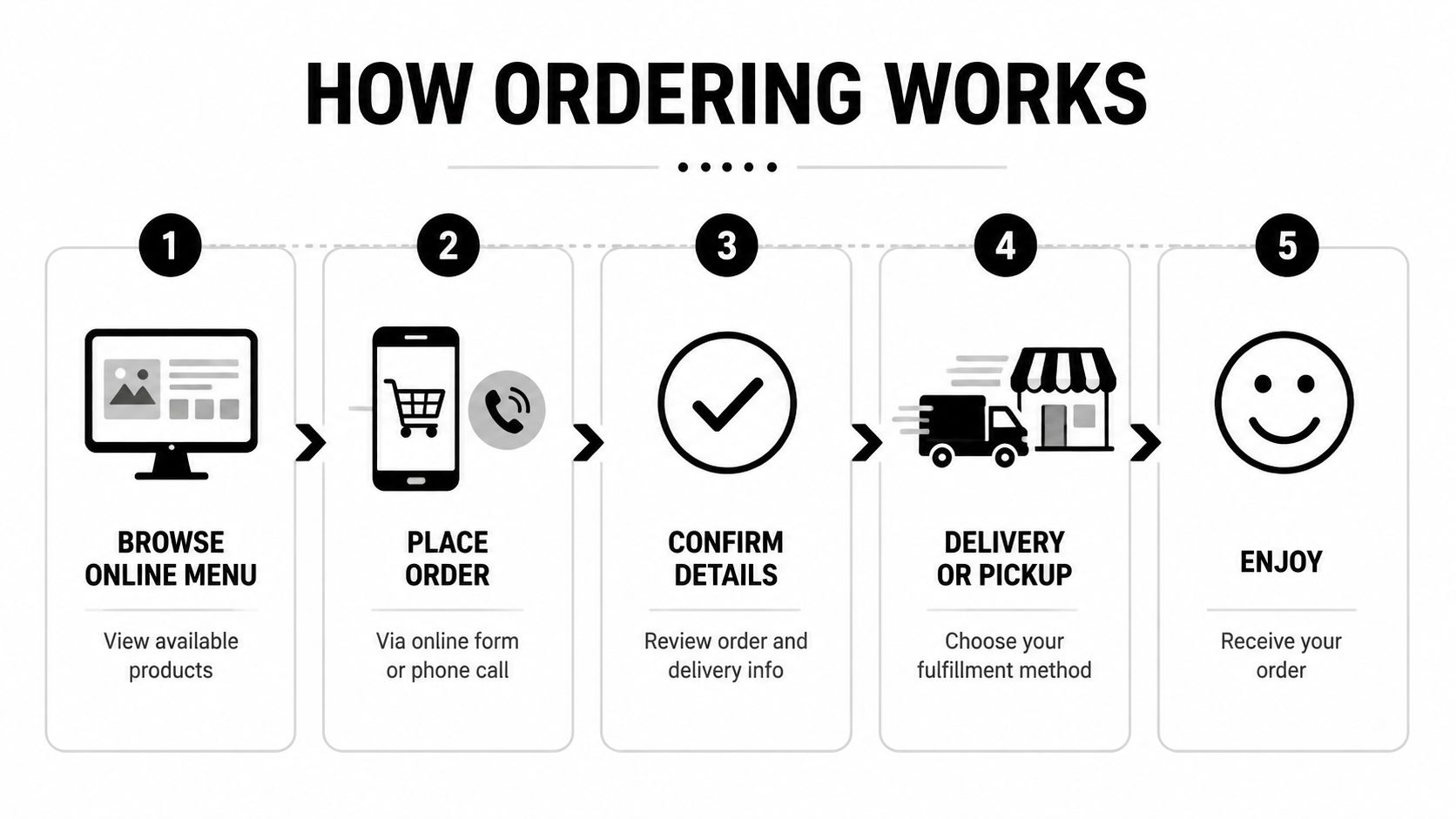
If you're in Washington, DC and want premium flower, vapes, concentrates, or edibles delivered discreetly, Green Express DC keeps the process simple. Browse the menu, place your order online or by phone, meet the $50 minimum, pay with cash on delivery, and get lab-tested, organic products brought to your door by a professional courier.

Posted on

What Is Plug N Play: Tech & Vapes Guide 2026

You're probably here because you saw “plug n play” on a vape menu, heard someone mention PLUGPLAY, or searched the term and got a bunch of computer articles that didn't answer your real question. That confusion is normal.

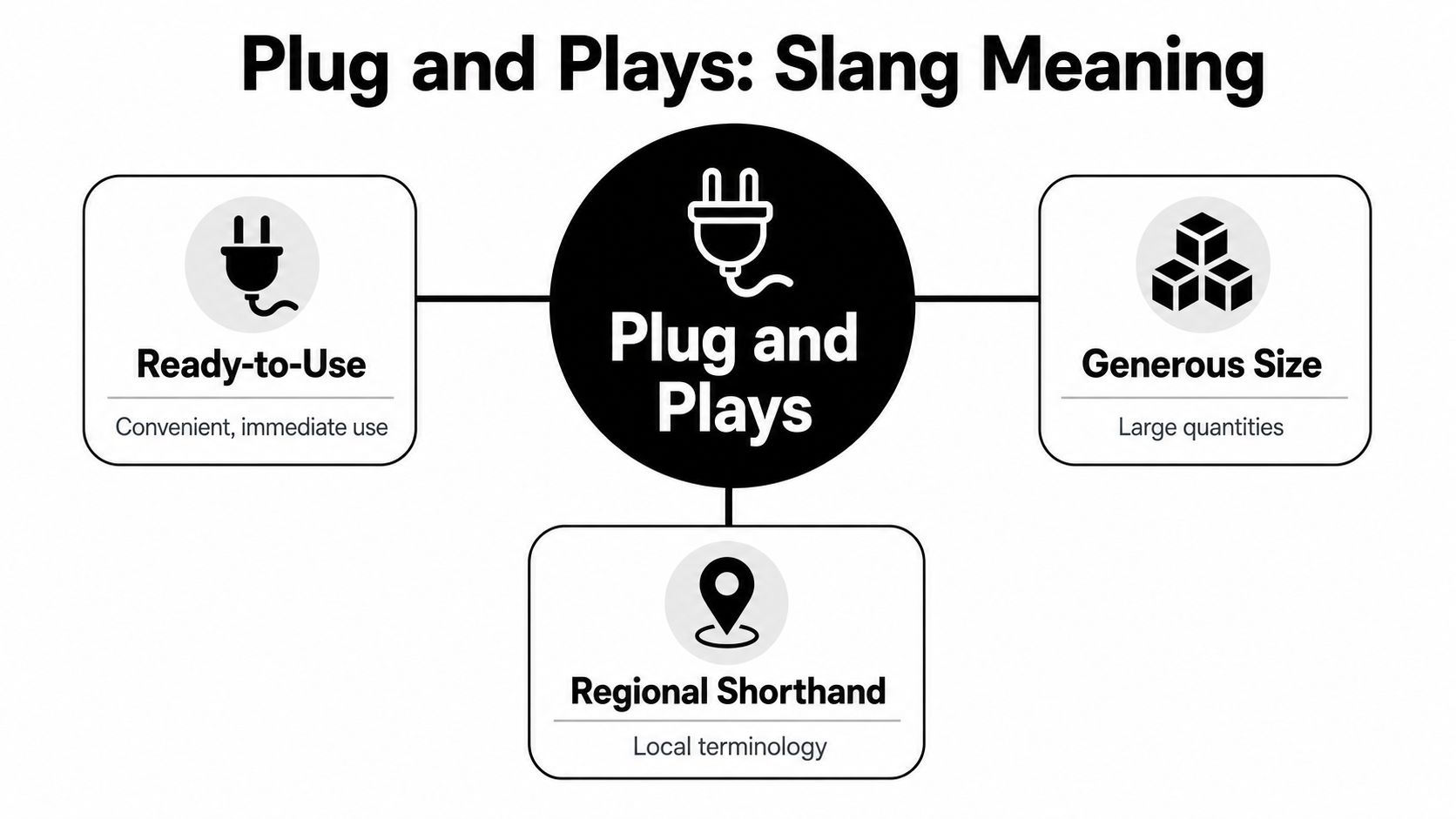
In everyday use, plug and play can mean two very different things. It can mean a computer device that works as soon as you connect it. Or it can mean a cannabis vape setup that's designed to be simple, fast, and low-hassle. In the DC, Maryland, and Virginia area, that second meaning matters a lot because buyers are often trying to figure out what type of vape they're ordering, how it works, and how to get it safely and legally.

The Two Worlds of Plug n Play

If you search what is Plug n Play, most pages explain the tech meaning first. That's accurate, but incomplete. A lot of people now use the phrase to mean a cannabis vape brand or an easy-to-use vape system, and that gap creates real confusion for new buyers, as noted in Wikipedia's overview of plug and play.

Why people get mixed up

The phrase sounds universal because it describes a simple idea. You plug something in, and it works.

That idea fits both worlds:

  • In technology: a mouse, keyboard, or drive connects and starts working without manual setup.
  • In cannabis: a pod, disposable, or battery-and-cartridge system is marketed as simple enough for a beginner to use right away.
  • In search results: brand names, generic vape systems, and computer definitions all get blended together.

Simple takeaway: when someone says “plug n play,” they might mean a computer feature, a vape style, or the PLUGPLAY cannabis brand.

The practical question behind the search

Most readers aren't asking for dictionary history. They're trying to answer one of these:

  • Is this a brand or a type of vape?
  • Do I need a battery?
  • Is it refillable or disposable?
  • Can I use any cartridge with it?
  • What should I buy in DC, Maryland, or Virginia?

Those are better questions than the generic definition. The main issue isn't the phrase itself. It's whether the product is easy, compatible, legal where you are, and safe to buy from a trustworthy source.

The Original Meaning in Technology

The original plug and play idea came long before modern USB gadgets. Historian Paul Ratner traced early documented use of the term to a 1930 newspaper reference, and by the late 1930s it appeared in mainstream publications discussing radios and televisions. He also notes that it likely grew out of the older phrase “plug in and play” for electrical devices that could be connected without specialized setup, as described in this history of the phrase.

An infographic showing the evolution and benefits of Plug and Play technology from manual setup to automation.

What it means on a computer

Think about plugging a USB mouse into a laptop. You don't open the case. You don't flip switches. You don't hunt through a settings manual first. The system recognizes the hardware and gets it ready.

That became mainstream in the 1990s, especially after USB in 1996, which helped users connect peripherals through one standard interface and supported hot swapping, meaning devices could be plugged in and out without rebooting, according to Intel's USB history.

What the system is doing behind the scenes

Plug and Play, often shortened to PnP, works at the operating system level. The device gets identified by a unique hardware ID. Then the system assigns resources and loads the correct driver automatically, as explained in Lenovo's PnP glossary.

That matters because older setups often required manual configuration. Automating detection, resource allocation, and driver binding removed a lot of the old failure points, including manual IRQ and similar hardware conflicts, which NFON's explanation of Plug and Play describes as a major reason large-scale deployment became more reliable.

If the tech meaning feels abstract, remember the lived experience. You connect the device, and the machine handles the setup for you.

That basic promise of convenience is exactly why the phrase later made sense in cannabis.

The Modern Meaning in Cannabis Culture

In cannabis, plug n play usually means a vape product built around ease of use. Sometimes people mean the PLUGPLAY brand specifically. Sometimes they mean the broader category of vapes that don't require much thought to operate.

A sleek black electronic vape device sits on a marble surface next to a magazine.

The common hardware formats

Most of the confusion comes from the fact that several devices can feel “plug and play” even though they're different products.

  • Pod-and-battery systems use a reusable battery and a prefilled pod made for that system.
  • All-in-one disposables combine oil, atomizer, and battery in one piece that's meant to be used as-is.
  • Standard cart systems use a separate battery with a threaded cartridge, often called a 510 cart.

A branded pod system is usually more locked into its own ecosystem. A disposable is often the easiest option for a first-time buyer. A 510 setup gives more flexibility, but it can also create more compatibility questions.

Why the phrase stuck in cannabis

The appeal is the same as it is in tech. Buyers want something that feels straightforward. Charge it, attach it, inhale, and you're done.

Some rechargeable systems are marketed with “over 350+ puffs per charge,” while interest has also shifted toward all-in-one disposables that remove charging and setup altogether, as described in this PLUGPLAY disposable overview. That's why “plug and play” in cannabis now often means convenience first, not technical auto-detection.

For shoppers comparing options, it helps to look at examples of vape cartridge styles and formats so you can tell whether you're buying a pod system, a disposable, or a standard cartridge.

New buyers often assume “plug n play” means universal compatibility. In cannabis, it often means the opposite. It may be simple to use, but only within that brand's system.

Choosing Your Vape System in the DMV Area

If you're shopping in DC, Maryland, or Virginia, the best vape system depends less on buzzwords and more on your routine. Are you visiting for a weekend? Do you want the easiest setup possible? Do you care most about flavor options? The right answer changes with the person.

Two VOOPOO brand pod vape devices standing on a wooden table, one black and one blue.

A quick side by side view

System Best for Main upside Main drawback
Disposable Visitors, occasional users, people who want no setup Simple and self-contained Less flexibility once purchased
Pod system Buyers who like a specific brand ecosystem Easy swap-in use Pods may only fit one battery type
510 cartridge and battery Users who want variety Broad cart selection More room for compatibility mistakes

That chart is the short version. The day-to-day experience matters more.

How each one feels in real life

A disposable is usually the least complicated. You open it, check that it's charged if it's rechargeable, and use it. For a tourist in DC or someone who doesn't vape often, that simplicity is hard to beat.

A pod system sits in the middle. It feels cleaner and more organized than juggling loose cartridges, but you have to stay inside that brand's ecosystem. If you buy the wrong pod for the wrong battery, the “plug and play” promise disappears fast.

A 510 cart setup gives you the broadest menu in many markets. It's a common choice for shoppers who want to compare strains, oil types, and hardware styles. If you're browsing THC vape cartridge options in DC, you'll notice that this format often opens up more selection, but it also asks the buyer to know what battery they own.

Here's a visual walkthrough if you want to see common vape formats in action before deciding:

A simple matching guide

  • You want the least hassle: choose a disposable.
  • You already like a specific brand's pods: choose that pod system and stick with matched hardware.
  • You want broader product choice: use a standard battery and compatible cartridge setup.
  • You're new and unsure: ask first whether the item is disposable, pod-based, or a threaded cart. That one question prevents most buyer mistakes.

Buy for your routine, not the label. “Plug n play” sounds easy, but the easiest product is the one that fits how you actually use it.

How to Source Safely and Legally in DC

In the District, convenience shouldn't be your only filter. The safer question is where the product came from, how it was handled, and whether the transaction fits the local legal framework.

An infographic comparing the advantages and challenges of sourcing cannabis through gifting under I-71 in Washington DC.

What buyers in DC should understand

Washington, DC operates under a different cannabis reality than many people expect. Adults often hear about the I-71 gifting model, and that creates a lot of uncertainty for locals and visitors alike. Maryland and Virginia have their own rules and enforcement realities, so people in the broader DMV often assume the same approach applies everywhere. It doesn't.

That's why buyers should slow down and confirm the legal details that apply to their location, age, possession, and delivery situation. A product that's easy to use isn't automatically easy to source legally.

Why source quality matters with vapes

Vapes are convenient, but they're also the product type where trust matters most. You're relying on the oil, hardware, and handling to all be sound. If a seller can't clearly explain what the product is, where it came from, and what you're getting, that's a problem.

Watch for these practical signs:

  • Clear product labeling: you should know whether it's a disposable, pod, or cartridge.
  • Straight answers on compatibility: a seller should be able to tell you what battery or system it fits.
  • Consistent packaging: sloppy or mismatched packaging is a warning sign.
  • Adult verification: serious operators check ID and keep the process professional.
  • Reliable ordering flow: a stable menu and clear communication beat random messaging accounts every time.

The safest vape purchase is boring in the best way. Clear menu, clear rules, clear ID check, clear delivery process.

For adults in the District who want a more dependable option, it makes sense to use an established Washington, DC cannabis delivery service with a professional ordering process instead of chasing mystery products through informal channels.

A note on Maryland and Virginia

For readers focused on DC, Virginia, and Maryland weed delivery, the key point is local verification. Don't assume one region's rules cover the whole DMV. Before ordering, confirm whether delivery is permitted where you are, what the provider serves, and what kind of age and identity check they require.

That extra minute of caution saves a lot of confusion. It also helps you avoid the worst-case scenario, which isn't inconvenience. It's ending up with a product you can't verify or shouldn't have bought in the first place.

Making a Smart and Simple Cannabis Choice

So, what is Plug n Play?

It's two things. In technology, it means hardware that works with minimal setup. In cannabis, it usually means a vape system built around simplicity, or it refers to the PLUGPLAY brand. The phrase sounds easy in both settings, which is exactly why people mix them up.

For cannabis shoppers in the DMV, the better question isn't just what the term means. It's what kind of product you're buying. Disposable, pod system, and standard cartridge setups all solve different problems. Some are better for travel. Some are better for variety. Some are better for first-timers who don't want to think about batteries and compatibility.

The smartest choice is the one that combines ease, product clarity, and legal sourcing. Convenience matters, but it shouldn't outrank safety. If a vape is simple to use but hard to verify, that isn't a good plug-and-play experience.

Use the term as a starting point, not the final answer. Ask what hardware it uses, whether it needs a separate battery, whether it's disposable, and whether the source is trustworthy in your area.


For adults 21+ in the District who want a simple, reliable way to shop, Green Express DC offers a curated menu of premium, lab-tested, 100% organic cannabis products with discreet delivery, ID verification at drop-off, and a straightforward ordering process that removes a lot of the guesswork from buying vapes, carts, flower, edibles, and concentrates in DC.

Posted on

Best Vegan Fruit Chews in DC, MD & VA: A 2026 Delivery Guide

Take a look at any weed delivery menu in DC, Maryland, or Virginia, and you'll see it plain as day: plant-based edibles are everywhere. Vegan fruit chews, in particular, have quickly become a go-to for cannabis lovers all over the DMV. They’re no longer a niche item, but a solid, mainstream choice in today's market, especially for those using local weed delivery services.

The Rise of Plant-Based Edibles in the DMV

The surge in popularity for vegan fruit chews around Washington, DC, isn't just a random trend. It’s a direct reflection of a much bigger shift we’re all seeing toward wellness, cleaner eating, and knowing exactly what’s in our products. People are more careful than ever about what they put in their bodies, and that same mindset now applies to how they consume cannabis, especially when ordering from a delivery service in DC, Maryland, or Virginia.

This push for cleaner options has led brands and delivery services throughout the DMV to stock products that fit a health-conscious lifestyle. Vegan edibles, made without animal products like gelatin, are the perfect answer. They fit right in with a plant-based diet and appeal to a huge audience, including people with dietary restrictions or those who just want a simpler, more natural ingredient list from their Virginia or Maryland weed delivery provider.

Why Vegan Fruit Chews Stand Out

Let’s be honest, who doesn't love a good fruit chew? The format is familiar and comforting, which makes THC-infused vegan versions an incredibly easy entry point for just about anyone, whether you're new to cannabis or a seasoned pro. They just make sense.

  • Convenience and Portability: They're shelf-stable, easy to stash in a pocket or bag, and perfect for discreet dosing on the go.
  • Ingredient Transparency: Vegan recipes usually rely on plant-based ingredients like pectin, which is a big win for consumers who read every label.
  • Broad Appeal: They work for vegans, vegetarians, and really anyone who’s just looking for a “cleaner” tasting and feeling edible.

This isn't just a local phenomenon; it's part of a massive global movement. The worldwide vegan snacks market is expected to jump from $12.82 billion in 2025 to a staggering $19.25 billion by 2031. Fruit chews are one of the most popular and convenient options driving that growth. You can dive deeper into this trend by reading recent industry analysis.

When you get right down to it, the explosion of vegan fruit chews in the DMV's cannabis scene is all about one thing: people want quality, reliable products that fit their modern, wellness-focused lives.

The Secret Behind the Perfect Chew: Pectin vs. Gelatin

What makes a truly great vegan fruit chew? Beyond the flavor and the effects, it all comes down to the chew itself. That satisfying texture is created by a gelling agent, and the choice of that single ingredient is what separates a vegan edible from a traditional one. The whole difference boils down to one simple question: is it made with pectin or gelatin?

For decades, gelatin was the standard for gummies and chews. The problem? It's a complete non-starter for anyone living a plant-based lifestyle. Gelatin is made by boiling down the skin, bones, and connective tissues of animals—usually cows and pigs. For vegans and many other conscious consumers, that’s just not on the menu.

Pectin: The Plant-Powered Alternative

Thankfully, there’s a fantastic, plant-based alternative: pectin. If you've ever made homemade jam that sets perfectly, you've seen pectin in action. It's a natural fiber found in the cell walls of fruits, especially abundant in apples, citrus peels, and plums. It’s 100% plant-derived and provides an incredible texture.

The difference pectin makes is something you can feel. It creates a cleaner, brighter bite compared to its animal-based counterpart.

A pectin-based chew delivers a soft, clean break, almost like biting into a ripe piece of fruit. Gelatin, on the other hand, creates a much chewier, stickier, and more rubbery texture that can linger in your teeth.

This superior mouthfeel is a huge reason why so many people—not just vegans—are now seeking out pectin-based edibles. They feel less like a nostalgic kid's candy and more like a gourmet fruit snack.

To help you understand the key differences at a glance, here’s a simple breakdown:

Pectin vs. Gelatin in Fruit Chews

Feature Pectin Gelatin
Source Plant-based (fruits like apples, citrus) Animal-based (collagen from bones, skin)
Texture Soft, clean bite; less sticky Rubbery, dense, very chewy
Dietary Vegan, vegetarian, halal, kosher Not vegan or vegetarian
Flavor Release Releases flavor quickly and cleanly Can mute or delay flavor release
Heat Stability More stable at higher temperatures Melts easily in warmer conditions

Ultimately, pectin’s texture and clean ingredient profile make it a clear winner for modern edibles. It provides a more refined experience that lets the fruit flavors and the active ingredients take center stage.

How to Spot a Truly Vegan Chew

When you're shopping from a DC, Maryland, or Virginia weed delivery service, the only way to be certain is to become a label-reading expert. Flip that package over and scan the ingredients list.

  • Look for: pectin, agar-agar, or carrageenan. These are all common plant-based gelling agents.
  • Avoid: If you see gelatin on the list, you know it’s not a vegan product.

Many reputable brands make it easy by clearly marking their products with a "Vegan" symbol. As you explore the options available from DC delivery services, knowing this difference is key. For example, if you're curious about popular brands, our guide on whether Wyld gummies are vegan offers an in-depth look.

This isn't just a niche trend; it's a significant market shift, as more people demand transparency and quality.

An infographic showing the market growth of vegan fruit chews compared to conventional edible products.

The growing popularity of vegan fruit chews reflects a wider desire for products that align with a wellness-focused and mindful lifestyle. By choosing pectin, you aren't just opting for a plant-based edible; you're often getting a better-tasting, higher-quality product designed for the modern consumer.

Why Are Vegan Fruit Chews Suddenly Everywhere?

It’s not just your imagination—vegan fruit chews are having a major moment. But their soaring popularity goes well beyond catering to a plant-based diet. In fact, many people reaching for these treats aren't strictly vegan at all. They're simply looking for a higher-quality, more transparent product they can trust from their local DC or Virginia weed delivery service.

This is all part of a bigger trend toward "clean labels." We're all getting savvier about what we eat, and that means we're flipping over packages to read the ingredient list. A vegan fruit chew, often made with simple things like real fruit purée, sugar, and pectin, just feels more wholesome than a conventional gummy loaded with artificial colors, preservatives, and animal-derived gelatin. For many, that plant-based seal of approval has become a shortcut for identifying a more mindful, premium snack.

Piggybacking on a Lifelong Habit

The real genius behind THC-infused vegan fruit chews? They don't have to convince you to try something new. They’re simply a better version of something you probably already love. Fruit snacks are a staple in millions of homes, a go-to treat we've enjoyed since childhood. Making the jump to a vegan or infused version is a tiny, almost effortless step.

This isn't some niche market; it's a massive, built-in audience. The habit is already there. The numbers back this up in a big way:

A national survey found that 26.5 million U.S. households were already regular fruit snack consumers. Even more telling, 23% of those households ate them eight or more times a month, proving a strong pattern of repeat purchases. You can dive into the consumer fruit snack research here.

The Perfect Edible for the Modern Consumer

For adults in Washington, DC, Maryland, and Virginia, vegan fruit chews have become the ideal format for cannabis. They hit that perfect sweet spot of being familiar, discreet, and incredibly reliable. It’s an easy, logical choice for anyone who already enjoys fruit snacks and wants a consistent, enjoyable experience with their edibles.

Think about it: they're portable, easy to dose, and don't draw any unwanted attention. When you’re ordering from a weed delivery service in the DMV, you want products that feel safe and dependable. A well-made vegan fruit chew delivers on all fronts—it tastes great, feels familiar, and aligns with the growing desire for cleaner products. It’s no wonder they’ve become such a popular and effective choice on delivery menus across DC, Maryland, and Virginia.

Getting and Dosing Vegan Edibles in DC, Maryland, and Virginia

If you’re looking for THC-infused vegan fruit chews in the DC, Maryland, and Virginia area, you'll find the landscape is a bit unique. Washington, DC, in particular, operates under a special legal framework known as Initiative 71 (I-71), which is important to understand. While Maryland and Virginia have their own sets of evolving laws, the DC "gifting economy" is a prominent model for access.

Essentially, I-71 allows adults aged 21 and over to possess and "gift" small amounts of cannabis. This gifting model is the foundation for reputable DC weed delivery services. When you place an order, you're not technically buying the cannabis product itself. Instead, you're usually purchasing something else, like a sticker or a piece of digital art, and the edibles are included as a free gift. It's a well-established system that provides safe and legal access throughout the District and is often the most straightforward option for those in neighboring Northern Virginia and Maryland.

The Golden Rule of Dosing: Start Low and Go Slow

Alright, so you’ve got your hands on some vegan edibles from a DC weed delivery service. The next step is all about consuming them safely, and this is where most beginners trip up. Edibles hit differently than smoking because your body processes them through your liver, which converts THC into a much more potent and long-lasting compound.

That's why the number one rule you'll hear from anyone with experience is to "start low and go slow." You can always take more, but you can never take less.

  • Starting Dose: A good starting point for a beginner is between 2.5mg and 5mg of THC. Since many fruit chews are dosed at 10mg per piece, this means starting with just a quarter or a half of a single chew.
  • Wait Time: This is crucial. You must wait at least two full hours to feel the complete effects. The onset can be anywhere from 30 minutes to two hours, depending on your metabolism and what you've eaten that day. Don't get impatient.
  • Re-dosing: Only after waiting those two hours and checking in with how you feel should you even think about taking another small amount. This patient approach is the key to avoiding an uncomfortable or overwhelming experience.

A person holds a dosage guide card next to a pouch of colorful vegan fruit chews.

Why Lab Testing Is an Absolute Must

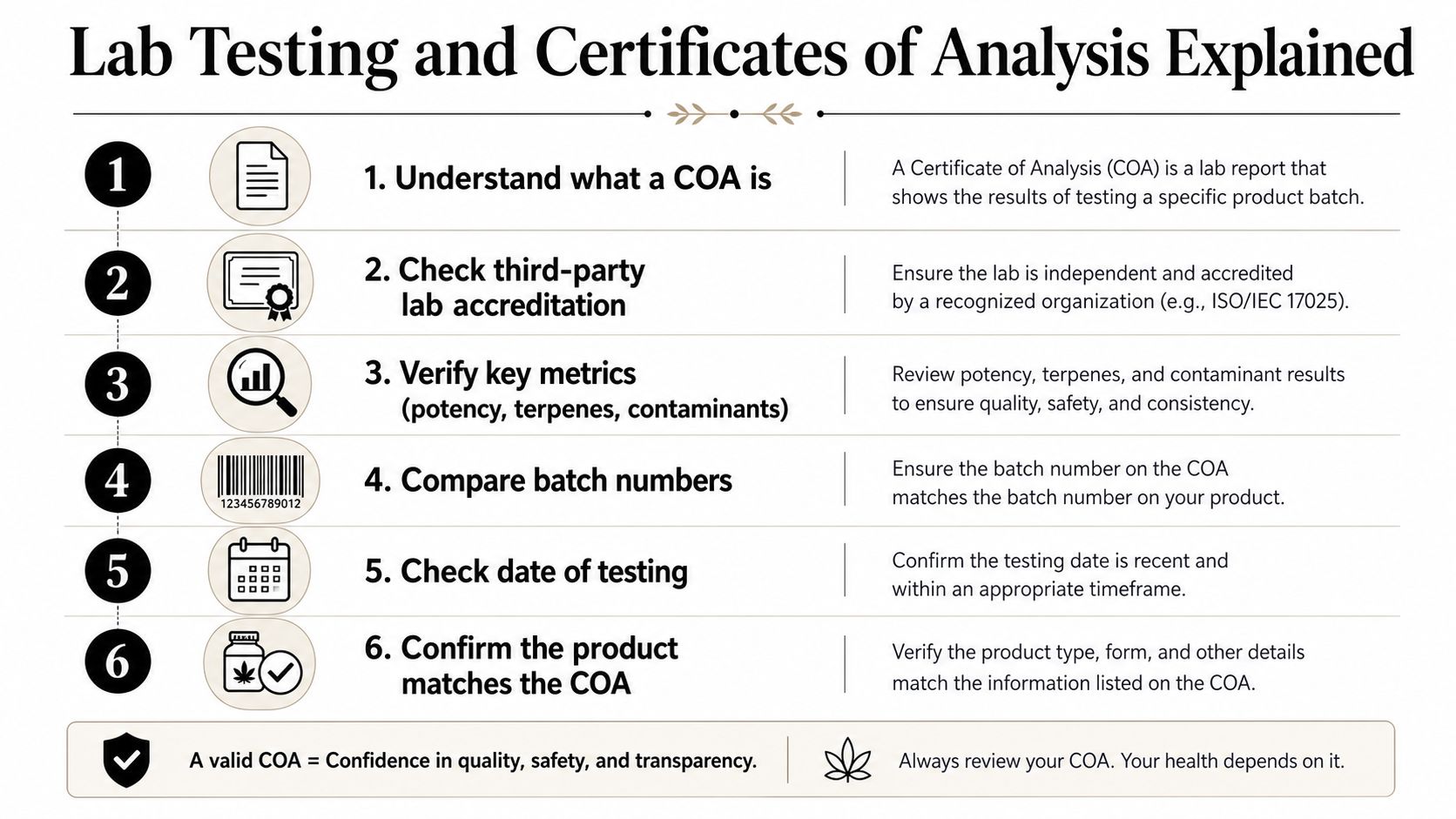
When you’re deciding on a delivery service in the DC, Maryland, or Virginia area, one thing should be completely non-negotiable: lab testing. Any trustworthy provider will only stock products that have been analyzed by a third-party laboratory. This is your only real guarantee of what you're getting.

A Certificate of Analysis (COA) is the official lab report. It verifies that the product has the amount of THC it claims and, just as importantly, confirms that it's free of nasty contaminants like pesticides, heavy metals, or mold.

Seriously, never buy from a DC, Maryland, or Virginia weed delivery service that can't show you a COA for its products. This kind of transparency is the clearest sign you're dealing with a professional and reliable operation. Taking a moment to read the report empowers you to know exactly what you're consuming, ensuring your experience with vegan fruit chews is both safe and enjoyable. If you want to dive deeper into the different kinds of edibles out there, our guide on THC gummies is a great place to start.

How to Vet a Quality Weed Delivery Service in DC, MD & VA

With so many cannabis delivery services popping up across Washington, DC, Maryland, and Virginia, it can be tough to know who to trust. It feels like a new option appears every week. So, how do you sort through the noise and find a provider that’s not just reliable, but also safe and professional?

The real difference between a great service and a mediocre one comes down to a few key details. It's about more than just getting your order; it's about knowing the vegan fruit chews or flower you receive are pure, potent, and exactly what you paid for.

Your Checklist for a Trustworthy DC Area Provider

Think of a delivery service’s website as its digital storefront. A clean, easy-to-use site is a great start, but the real signs of quality are a little deeper. Before you add those vegan fruit chews to your cart, take a moment to look for these green flags, whether you're ordering in DC proper, Maryland, or Virginia.

A top-notch service is built on transparency and customer safety. Here’s what you should demand:

  • Third-Party Lab Testing: This is the most important factor and is completely non-negotiable. Reputable services will only work with brands that have their products tested by an independent lab. They should make the Certificate of Analysis (COA) for each product easy to find, so you can verify its potency and purity for yourself.
  • A Focus on Organic Products: The best services understand that their customers care about what goes into their bodies. Look for a commitment to clean, organic cannabis, which means the products are grown without synthetic pesticides or chemicals.
  • Professional and Discreet Delivery: Your privacy should be a top priority. A quality service employs courteous, professional drivers and uses unmarked packaging that doesn’t announce its contents to the world. They must also require a valid, 21+ ID at the door—it's not just the law, it's a sign of a responsible operator.
  • A Simple and Transparent Ordering Process: Getting what you need should be easy. A clear menu with upfront pricing and a hassle-free checkout is a hallmark of a company that respects your time and business.

Reading Between the Lines

Once the basics are covered, a few other things can signal you’re dealing with a superior service. A wide-ranging menu that includes different flower strains, a variety of edibles, and other concentrates shows they’re serious about meeting the needs of all their customers across the DMV.

Don’t underestimate the power of customer reviews. A steady stream of positive feedback on product quality, delivery speed, and friendly service is a powerful sign. These real-world accounts are often the most honest look you’ll get into a company's day-to-day operations.

In the end, choosing a delivery service is about more than just convenience—it’s about trust. By looking for these crucial markers like lab testing, organic options, professionalism, and solid reviews, you can find a partner you can count on. If you want to see what a service that hits all these points looks like, learning more about what sets a premium provider apart is a good next step. Get the full rundown in this guide on weed delivery in DC.

Ever thought about trying your hand at making your own "vegan fruit chews"? It's a fantastic way to see exactly what goes into these tasty treats. By starting with a simple, non-infused recipe, you gain a whole new appreciation for the craft while getting complete control over every single ingredient.

You don't need a professional kitchen or a long list of complicated additives. In fact, you can whip up a batch of delicious, chewy candies using just a few things that are probably already in your pantry.

A saucepan of red fruit puree next to silicone molds, sugar, and powder for making fruit chews.

A Simple DIY Vegan Fruit Chew Recipe

Let's dive into a basic recipe. This is all about getting the fundamentals right and showing you just how straightforward the process can be.

Your Basic Shopping List:

  • Fruit Purée: You'll want about 1 cup. Strawberry, mango, or raspberry are great places to start, but feel free to use your favorite. This is your flavor foundation.
  • Sugar: Plan on using around ¾ cup of granulated sugar for sweetness and structural integrity.
  • Pectin: Grab about 2 tablespoons of high-methoxyl (HM) pectin. This is the plant-based magic that creates the chew.
  • Citric Acid: Just a pinch will do. It cuts through the sweetness and helps the pectin set properly.

The cooking process itself is surprisingly quick. Start by warming your fruit purée with most of the sugar in a saucepan over medium heat. While that’s warming up, whisk your pectin powder into the remaining sugar in a separate bowl. This is a crucial step to prevent clumping.

Here’s the secret to getting that perfect texture: You have to activate the pectin correctly. Slowly whisk the pectin-sugar mixture into the warm purée. Keep whisking until it’s completely dissolved, then bring everything to a hard boil for about one minute. That blast of heat is what creates the signature chewiness we’re after.

Once it's boiled, carefully pour the mixture into some lightly oiled silicone molds. Now for the hard part: waiting. Let them set at room temperature for a few hours until they’re firm. After they've set, you can pop them out and toss them in a little extra sugar or more citric acid for that classic sour-sweet coating.

Going through this process yourself doesn't just leave you with a delicious snack. It makes you a much smarter consumer, giving you real insight into what separates a decent fruit chew from a truly great one.

Frequently Asked Questions About Vegan Fruit Chews

If you’re just getting into vegan fruit chews, especially the THC-infused kind, it’s natural to have questions. This is especially true if it’s your first time ordering from a delivery service in the DC, Maryland, or Virginia area. Let's clear up some of the most common points so you can feel confident in your choices.

It’s a common misconception that all fruit chew edibles are vegan by default. That's simply not the case. Many mainstream gummies and chews get their signature texture from gelatin, which is made from animal collagen. For a truly plant-based treat, you have to read the label and look for ingredients like pectin (from fruit) or agar-agar.

Is Delivery Legal and Safe in DC?

One of the biggest questions for newcomers and visitors in Washington, DC, is about the legality of getting cannabis products delivered. Can you really have THC edibles brought right to your door?

Absolutely. The process is legal thanks to a local law called Initiative 71. This law allows for cannabis to be "gifted." Reputable delivery services work within this I-71 framework. Here’s how it works: you technically buy a non-cannabis item (like a sticker or a digital photo), and the vegan fruit chews you want are included as a complimentary gift. This model is the established, legal way to get cannabis delivered throughout the District, and many services also deliver to convenient meeting spots for customers in Maryland and Virginia.

Another crucial point is how long it takes for edibles to kick in. THC-infused fruit chews are not immediate. You can generally expect to feel the full effects in 30 minutes to 2 hours. This delay is precisely why the "start low and go slow" mantra is so vital. Always wait at least two full hours before considering a second dose to ensure you have a safe and comfortable experience.

Understanding these basics helps you navigate the DMV cannabis scene like a pro, making sure your experience with weed delivery in DC, Maryland, and Virginia is both legal and enjoyable.


Ready to try some of the best lab-tested vegan edibles in the city? Green Express DC provides fast, discreet, and I-71 compliant delivery across Washington, DC. Check out our menu and place your order today at https://greenexpressdc.com.

Posted on

Nerds Rope Strain: 2026 Guide to Effects & Delivery

You're scrolling a delivery menu after work, half curious and half overwhelmed. One name jumps out because it sounds more like a candy aisle throwback than a cannabis cultivar: Nerds Rope. That reaction is common. The name is playful, but the flower behind it sits firmly in the modern premium-hybrid lane.

For shoppers in Washington, DC, Virginia, and Maryland, that name also creates confusion. Some people mean a flower strain. Others mean infused edibles with a similar candy-inspired label. Some just want to know whether it's worth ordering if they like sweet, punchy, high-THC flower. If that's where you are, this guide will help you sort it out in plain language, with a local lens that is important when you're trying to buy legally and safely around the DMV.

What Is the Buzz About Nerds Rope

A lot of strains earn attention because of hype alone. Nerds Rope strain tends to catch people for a different reason first: the name is memorable, then the flavor profile and potency keep it on the radar.

If you're browsing a local menu and you already know you like sweet flower with some edge, Nerds Rope makes sense as a click. It sounds sugary, but it isn't a one-note dessert strain. The documented version commonly referenced is a mostly sativa line from Elev8 Seeds, and it's typically discussed as a modern, high-potency hybrid rather than some old-school legacy cut. That matters because it sets expectations. You're not looking at a random nickname that means something different in every shop.

Some shoppers also mix up the flower with rope-style edibles. If that's the product you meant, it helps to compare before buying. Green Express DC has a separate edible Nerds Rope option on its menu, which is a different experience from flower even though the branding sounds similar.

Quick budtender note: If you ask for Nerds Rope, clarify whether you want flower or an edible. That one question saves a lot of menu confusion.

For DMV consumers, the practical appeal is simple. Nerds Rope fits the kind of strain many people ask for after a long day when they still want to stay mentally engaged. It has the candy-forward image people notice first, but it sits in a stronger category than the name suggests. That makes it interesting for experienced shoppers and worth approaching carefully if your tolerance is still low.

The Genetic Story of the Nerds Rope Strain

The cleanest way to understand Nerds Rope is to treat it like a modern breeder-defined cultivar. In plain English, that means it isn't an ancient, mystery strain with fuzzy origins. It's a line developed and sold with specific parentage and a more consistent identity.

According to Elev8 Seeds' Nerds Rope S1 listing, the best-documented Nerds Rope line is a mostly sativa cultivar, commonly sold as feminized seed stock, with roots traced to Cherrie Pie OG x Goji OG.

A glass DNA double helix model woven through lush green leaves, representing biological strain lineage concepts.

What breeder-defined means for you

If you're a consumer and not a grower, “breeder-defined” might sound too technical to matter. It does matter.

When a breeder puts out a named line with identified parent strains, shoppers usually get a more stable idea of what the strain is supposed to express. That doesn't mean every jar from every seller will smell identical. Cannabis still varies by grower, cure, and phenotype. But it does mean Nerds Rope has a clearer identity than many menu names that drift from shop to shop.

Here's the simple translation:

  • Known lineage: It comes with a recognized family tree rather than pure rumor.
  • Market consistency: Shops and seed sites are generally talking about the same kind of plant.
  • Expectation setting: You can reasonably expect a modern hybrid profile, not a sleepy old-school indica surprise.

A lot of DMV shoppers compare strains based on flavor names alone. That's where people get tripped up. A candy-inspired name can suggest a soft, mellow smoke. In practice, the genetic background tells you this one was built for contemporary flower buyers who want aroma, resin, and stronger THC expression.

What sativa-dominant usually signals

Nerds Rope is widely described as sativa-dominant, and that phrase can confuse people because it sounds more precise than it often is. It doesn't guarantee one exact effect. It usually points toward a plant structure and an effect profile that lean more mentally active than very sedating.

For a shopper, that often means:

  • A more lifted headspace than a heavy nighttime knockout
  • More interest in daytime or early evening use
  • A better fit for social, creative, or active settings, depending on your tolerance

If you already enjoy fruit-forward hybrids such as Tropicana Runtz, Nerds Rope sits in a similar modern conversation, though its own identity comes more from its documented lineage than from broad “candy strain” marketing.

It helps to think of Nerds Rope as a contemporary boutique hybrid with a playful name and a more serious breeding background than the label suggests.

That's also why the strain tends to show up in seed catalogs and databases as a distinct line, not just as a passing nickname.

Aroma Flavor and Terpene Profile

The first question asked is blunt: Does Nerds Rope taste like the candy?

Sort of. But not in the way a flavored vape does.

Descriptions of the documented line commonly point to sweet, gas-like buds, which is important because it explains the strain's real appeal. You're not getting literal candy flavor. You're getting a flower that opens with sugary, fruity impressions and then brings in the funk and fuel that experienced smokers often want underneath the sweetness.

What the aroma usually feels like

When people say a strain smells “sweet,” that can mean ten different things. With Nerds Rope, think more along these lines:

  • Opening note: Candy-like sweetness or bright fruit
  • Middle: A richer, slightly creamy or syrupy impression
  • Finish: Gas, earth, or a sharper pungent edge

That last part matters. Without it, sweet strains can feel flat. Nerds Rope gets attention because the sweeter top notes seem to sit over a more assertive backbone.

A practical terpene read

We don't have a verified terpene lab sheet to cite here, so it's smarter to stay qualitative. Based on how this strain is commonly described, shoppers often associate its profile with the kinds of terpenes that can create citrus-bright, peppery, earthy, or musky impressions.

That means the experience may feel layered rather than sugary from start to finish. If you grind it and the room fills with both fruit and funk, that's usually a sign the strain has more complexity than its novelty name suggests.

Attribute Profile
Name impression Candy-inspired and playful
Actual aroma direction Sweet with a gas-like edge
Flavor expectation Fruity upfront, then deeper and more pungent
Overall character Modern hybrid, not a simple dessert strain
Shopper takeaway Better for people who like sweetness with bite

Why people get confused on flavor

A lot of menu shoppers read a name like Nerds Rope and expect a soft, sugary smoke from start to finish. Then they're surprised when the exhale carries more bite. That isn't a flaw. It's part of why the strain stands out.

If you've ever tried a flower that smelled amazing in the jar but smoked too one-dimensional, you already know the difference. Nerds Rope's appeal is that the candy-style branding doesn't erase the classic cannabis depth underneath.

Practical rule: If you want pure dessert softness, Nerds Rope may feel sharper than expected. If you want sweetness plus funk, it's more on target.

For newer smokers, that means going in with the right expectation. “Sweet strain” does not always mean “gentle strain.” Flavor and potency often travel together in modern cultivars, and Nerds Rope fits that pattern.

Effects Potency and Medical Uses

Potency is where the Nerds Rope strain stops being cute and starts demanding respect. The documented references consistently place it in the high-THC category. One strain guide notes 20% to 25% THC, with some related Nerds-branded phenotypes extending to 26% THC in broader listings, as covered in this Nerds Rope strain guide.

An infographic titled Effects and Potency Profile displaying icons for euphoria, relaxation, potency levels, and therapeutic use.

What that potency feels like in real life

Numbers help, but shoppers usually want translation. Here's the short version: Nerds Rope is not a beginner-friendly “just because it tastes nice” strain.

A sativa-leaning, high-THC flower often starts in the head. Many people describe that kind of experience as upbeat, mentally active, or creatively stimulating before the body settles into a calmer place. With Nerds Rope, a reasonable expectation is a cerebral lift first, then a gentler body ease later.

That can be appealing if you want to stay present and engaged instead of glued to the couch. It can also be too much if you take big hits without knowing your limit.

How to dose it like an adult

A budtender's boring advice now becomes useful.

  • If you're new to strong flower: Take one inhale and wait.
  • If you're occasional: Start lower than your ego tells you.
  • If you're experienced: Don't assume the candy name means lightweight effects.

A lot of unpleasant sessions come from mismatched expectations, not “bad weed.” The name can trick people into thinking Nerds Rope is novelty flower. The THC range says otherwise.

Start with less than you think you need. High-THC sativa-leaning hybrids can climb fast, especially if you're tired, underfed, or already anxious.

Why some people seek it out

People don't all shop for strains the same way. Some want flavor. Some want mood shift. Some want help turning down tension without feeling sedated.

In practical consumer language, Nerds Rope may appeal to people looking for:

  • Mood lift: Good for users who prefer a brighter tone over a sleepy one
  • Creative momentum: Often attractive before music, conversation, or low-pressure tasks
  • Stress decompression: Useful for people who want to unwind without immediately checking out
  • Appetite support: Some high-THC flower users look for strains that help bring hunger back

That said, this is not medical advice. Cannabis affects everyone differently, and strain names don't replace professional guidance. If you're using cannabis around anxiety, depression, pain, or appetite issues, it's smart to keep your expectations modest and your dosing conservative.

Who should be cautious

Nerds Rope may be less comfortable for people who already know they're sensitive to strong sativa-leaning flower. If you've had racing thoughts, overstimulation, or “I smoked too much and now I'm pacing” moments before, this is a strain to approach slowly.

A simple checklist helps:

  1. Eat first.
  2. Hydrate.
  3. Don't stack it quickly with edibles.
  4. Use it in a familiar setting the first time.

That kind of prep sounds basic because it is. It also prevents a lot of rookie mistakes.

Cultivation Notes and Strain Comparisons

Some strain guides skip cultivation context because the reader isn't growing. I think that's a mistake. A little grow info helps you understand why a strain shows up so often on modern menus and what kind of commercial profile it has.

According to SeedFinder's Nerds Rope S1 listing, Nerds Rope is reported as a sativa-dominant hybrid with a flowering time of about 8 to 9 weeks, roughly 60 days.

A person tending to a young green seedling in a terracotta pot in a home garden setup.

Why that matters to consumers

You don't need to be a grower to understand the practical point. A strain with a moderate, commercially workable flowering window is easier to fit into regular indoor production schedules than something unusually long or fussy.

That helps explain why Nerds Rope feels like a product of the current market. It fits the kind of genetics breeders and growers can circulate, stabilize, and sell with some consistency.

For shoppers, the takeaway is simple:

  • It isn't just hype-named flower
  • It fits modern indoor production
  • Its profile was built for repeatability

How it compares to other fruity sativa-leaning options

A lot of DMV consumers don't shop by lineage. They shop by “What else is this like?”

That's fair. Here's the cleanest way to compare Nerds Rope without inventing lab numbers or pretending every batch is identical.

Strain style How it tends to differ from Nerds Rope
Blue Dream type profiles Often feel softer and more broadly familiar, with less candy branding and less novelty appeal
Strawberry-forward sativas Can lean brighter and fruitier, sometimes with less of the gas-like undertone people expect from modern hybrids
Runtz-family candy hybrids Often overlap on sweet appeal, but Nerds Rope's documented lineage gives it a distinct identity rather than making it just another candy-named cross

If you already know your preferences, use this shortcut:

  • Choose Nerds Rope if you like sweet flower that still smells unmistakably like cannabis.
  • Go for a softer fruit strain if pungent gas notes put you off.
  • Pick a calmer hybrid if energetic THC experiences don't suit you.

Shopper decision cues

Here's the budtender version of the decision tree.

You'll probably like Nerds Rope if you want a modern, sweet-forward, stronger flower with a lively edge.

You might skip it if your sweet-spot strain is something mellow, body-heavy, and bedtime-oriented.

Some strains are popular because they're easy. Nerds Rope is popular because it's memorable. Those aren't the same thing.

That's an important distinction in a crowded market. Plenty of strains are pleasant. Fewer leave a strong identity in your memory after the jar is gone.

How to Get Nerds Rope Delivered in DC VA and MD

You're in Maryland or Virginia, you keep hearing about Nerds Rope, and you want a clear answer before you spend money or waste time. The first thing to know is simple. For this strain, the practical path centers on Washington, DC delivery rules, not on guessing how cannabis purchases work once you cross into another jurisdiction.

That distinction matters because DC, Maryland, and Virginia do not all operate the same way. A good rule of thumb is to treat the order like a DC-based transaction from start to finish. If you want the plain-English version first, this guide on how to buy weed in DC legally and responsibly lays out the basics clearly.

A friendly delivery worker in a blue uniform handing a cardboard package to a female customer outdoors.

What DC VA and MD shoppers should keep straight

A lot of confusion starts with geography. Living in Virginia or Maryland does not mean a delivery service can bring cannabis to any address in those states. The safer approach is to arrange delivery in a way that fits DC's local framework and receive the order within DC.

That sounds technical, but the shopping logic is pretty straightforward. Use the same mindset you would use for a venue ticket or restaurant pickup. The rules follow the location of the transaction, not just your home address.

Before you place an order, run through this checklist:

  1. Confirm you are eligible as an adult. Have a valid government ID ready.
  2. Set up delivery for a DC-compliant location. Do not assume cross-border delivery works the same way.
  3. Read the menu title carefully. “Nerds Rope” can describe flower, edibles, or a candy-inspired product name.
  4. Be ready for the payment method. Some services use cash on delivery.
  5. Treat the first order like a trial run. Start with a lighter session, especially if you have never tried this strain or a similarly strong hybrid.

One factual local option in this space is Green Express DC. It offers cannabis delivery in Washington, DC, with a $50 minimum, cash on delivery, age and ID verification at drop-off, and a menu that includes flower, vapes, concentrates, tinctures, and edibles.

What the ordering experience usually feels like

The easiest orders usually come from shoppers who stay specific. They know whether they want flower or an edible, they confirm the delivery details before checkout, and they are available when the courier arrives.

That matters a lot with a name like Nerds Rope. A strain name can function like a movie title. It tells you the theme, but not always the format. One menu may list flower with that name. Another may use it for an infused rope-style edible. The label alone is not enough.

Two quick questions can save you from ordering the wrong thing:

  • Is this Nerds Rope flower or an edible product?
  • How does this batch lean in effect and aroma?

Those questions are worth asking because cannabis menus can vary from one stock drop to the next. Even when the genetics are documented, the batch in front of you may feel a little more lively, heavier, sweeter, or gassier than you expected.

After you've got the basics down, this video gives a little more context on the process and local expectations:

If you are coming from Maryland or Virginia, the clearest way to avoid mistakes is to plan around DC rules from the beginning. That one shift clears up a lot.

If you want a straightforward way to browse local cannabis products, compare flower versus edible options, and order within Washington, DC's delivery framework, Green Express DC is one place to start. Check the menu carefully, confirm whether Nerds Rope refers to flower or an infused rope-style product, and keep your first session light if you are trying this strain for the first time.

Posted on

Cash and Carry DC, MD & VA: A Weed Delivery Guide 2026

You're standing in Arlington, staying with a friend in Northwest DC, and meeting coworkers in Bethesda later. You open your phone and search for weed delivery. What pops up looks similar at first glance, but the rules change the moment you cross a bridge or a county line.

That's the part that trips people up in the DMV. In DC, you'll hear terms like cash and carry DC and gifting. In Maryland, the process is much closer to standard retail. In Virginia, the answer is usually more restrictive than people expect, especially if they're looking for recreational delivery. If you assume all three places work the same way, you can make a bad decision fast.

That confusion makes sense. People already expect convenience in modern commerce. In 2024, U.S. spending on food and beverages reached $2.58 trillion, and food-away-from-home accounted for $1.52 trillion, which shows how normal fast fulfillment has become in everyday buying habits, according to the USDA food prices and spending data. Cannabis shoppers bring those same expectations with them, but the law doesn't move at the same speed as consumer behavior.

I've seen the same questions come up from locals, tourists, and even longtime residents who only shop occasionally. Can you order to a hotel in DC? Why is one service asking for cash while another takes card payments? Why does Maryland feel straightforward while Virginia feels murky?

If you're trying to sort it out, a practical starting point is this guide on how to buy weed in DC. From there, the bigger picture gets easier: DC, Maryland, and Virginia each run on a different legal logic.

Welcome to the DMV Your Guide to Navigating Cannabis Delivery

A friend visiting from out of town usually asks some version of the same question: “Can't I just order it the way I order dinner?” In Maryland, that question can lead you in one direction. In DC, it leads somewhere else. In Virginia, it may lead to a dead end unless you qualify under the medical system.

That difference matters because people use the same words for very different systems. Someone says “delivery” in DC and might mean an Initiative 71 gifting transaction. Someone says it in Maryland and means a licensed dispensary retail order. In Virginia, someone advertising recreational delivery deserves extra skepticism because the legal structure there isn't built like Maryland's.

Why the DMV feels unusually confusing

The region is compact, but the rules aren't. You can live in one jurisdiction, work in another, and go out in a third on the same day. That creates a lot of accidental risk.

Here's the plain-English version:

  • DC works through gifting for many non-medical consumers. You're not treated like you're making a standard retail cannabis purchase.
  • Maryland uses a licensed recreational framework. The transaction is more direct and more familiar to anyone who has used a regulated dispensary.
  • Virginia is much narrower in practice. Medical access is the safer lane to understand. Recreational delivery claims should raise questions.

Crossing from one DMV jurisdiction to another doesn't just change your route. It can change what kind of transaction is legal in the first place.

What people usually want to know first

Most readers aren't looking for theory. They want answers to practical questions:

Situation The real issue
You're in DC and want same-day delivery Whether the service is following the gifting model properly
You're in Maryland and want a normal checkout flow Whether you're dealing with a licensed dispensary
You're in Virginia and see a recreational delivery ad Whether the service is operating outside the state's legal framework
You're visiting the area Whether your location at the moment of delivery matters

If you keep one mental model in mind, make it this: the DMV is one metro area, but not one cannabis market.

Understanding DCs Cash and Carry Gifting Model

In DC, “cash and carry” doesn't usually mean a straightforward cannabis sale. It refers to the local reality that many services operate through a gifting model tied to Initiative 71. That's why first-time buyers often feel like the process sounds indirect. It is.

The easiest analogy is a “free toy with a meal” setup, except the legal item comes first and the cannabis is presented as the gift. A customer purchases a separate item such as branded merchandise, artwork, or another non-cannabis product. The cannabis isn't framed as the item being sold retail in the ordinary way.

An infographic explaining the Washington DC cannabis gifting model process, involving transactions, legal grey areas, and customer service.

Why cash is common in DC

People often get confused. If you're new to DC, cash-on-delivery can feel old-fashioned or suspicious. In this context, it's often part of how the local transaction structure works in practice.

The phrase cash and carry DC comes from a much older business idea. Historically, cash-and-carry meant the buyer pays on pickup or delivery and takes possession right away, which reduces seller credit risk and keeps transactions moving. That general model still makes sense in high-volume markets. The USDA's spending data helps show why speed and immediacy remain so central in commerce, even outside cannabis, as noted earlier.

What the customer experience usually looks like

A typical DC gifting order often follows this pattern:

  1. You browse a menu tied to legal items or packages.
  2. You choose the option associated with the gift you want.
  3. You arrange delivery or pickup inside DC.
  4. You show ID at handoff.
  5. You pay when the courier arrives, often in cash.

That doesn't mean every operator is careful. Some are organized. Some are sloppy. The point is that the structure is different from Maryland's direct retail sale.

Practical rule: If a DC service can't explain its gifting process clearly, that's a reason to slow down.

Why compliance language matters

In the District, legal quirks aren't a side note. They shape the whole customer experience. That's why many people search for operators listed among I-71 compliant shops in DC. They're trying to separate a service that understands the local framework from one that's just using the right buzzwords.

Another local clue is how normal identity checks are in DC transactions. DC Health's vital-records system accepts multiple forms of ID and can require three forms of identification, including at least one from the primary list, when automated authentication fails, according to the DC Health vital records requirements. That doesn't govern cannabis delivery directly, but it does show that ID-verified, compliance-heavy transactions are already normal in the District.

If you remember nothing else, remember this. In DC, you usually aren't “buying weed” the way you buy a product off a normal retail shelf. You're participating in a gifting structure, and the details matter.

Maryland Weed Delivery The Recreational Market

Maryland feels simpler because, for the consumer, it usually is. The big difference is that you're dealing with a licensed recreational market, not a gifting workaround. That changes the tone of the whole transaction.

A brightly lit, modern cannabis dispensary in Maryland with staff assisting customers at the service counter.

When you order through a Maryland dispensary, the basic expectation is direct retail. You browse actual cannabis products, choose what you want, submit the order through the dispensary's system, and follow that business's delivery or pickup process. You're not trying to decode whether a T-shirt, sticker pack, or art print is the formal item in the transaction.

How Maryland differs from DC

The contrast is easiest to see side by side:

Topic DC gifting model Maryland recreational market
Core structure Non-cannabis item plus cannabis gift Direct cannabis retail sale
Payment style Often cash at handoff Often more conventional dispensary checkout options
Consumer experience Legal workaround logic Regulated retail logic
Main concern Whether the gifting process is handled properly Whether the dispensary is licensed and following state rules

That regulated setup gives buyers a clearer sense of what they're ordering. Product descriptions, packaging, and pickup or delivery rules usually feel more standardized.

What that means for shoppers

If you've only used DC services before, Maryland can feel refreshingly plain. That's a compliment. You don't need to spend as much time interpreting the transaction itself.

A few practical differences stand out:

  • Product selection is more retail-like. Menus typically look like dispensary menus, not gifting menus.
  • The purchase language is direct. You're selecting cannabis products, not trying to infer the “gift” behind another item.
  • Consumer expectations are clearer. If something goes wrong, you're thinking like a dispensary customer, not someone navigating a legal gray area.

Maryland is the place in the DMV where the process usually feels closest to ordinary commerce.

That doesn't mean every order is identical. Delivery zones, timing, inventory, and ID checks still vary by operator. But the framework is much easier for a first-time buyer to understand. If DC requires you to learn local legal slang, Maryland usually doesn't.

Virginia Cannabis Delivery The Medical Focus

Virginia is the part of this conversation where people most often over-assume. They know cannabis laws changed in public discussion, they hear from friends in DC and Maryland, and they figure Virginia must offer something similar. It doesn't work that way.

A quiet and clean medical clinic waiting room with chairs, a houseplant, and a prescription sign on the door.

For practical purposes, Virginia is the medical-focused jurisdiction in this three-way comparison. If someone is looking for clearly lawful access and asking about delivery, the medical channel is the one to understand first.

What Virginia is not

Virginia is not Maryland with different branding. It also isn't DC with a gifting workaround copied across state lines. That's where people get into trouble.

If a site or social account makes recreational delivery in Virginia sound casual and routine, pause. The legal footing there is not the same as a licensed Maryland dispensary sale, and it's not the same as DC's Initiative 71 gifting culture.

How to think about Virginia safely

Use this filter:

  • Medical patient with proper state-recognized access needs. You're looking at the lawful lane Virginia is built around.
  • Adult seeking recreational delivery because it worked in DC. That assumption can be wrong.
  • Service advertising broad recreational drop-offs in Virginia. Treat that claim cautiously.

This is one of those places where “everyone knows someone who ordered before” is not a legal standard. It's just hearsay.

The cleanest comparison in the DMV

If you want a short version, here it is:

Jurisdiction What delivery most closely resembles
DC Gifting and handoff logistics
Maryland Licensed retail
Virginia Medical access pathway

Virginia also tends to require more discipline from the customer. Instead of asking “Who's fastest tonight?” the safer question is “What kind of legal access does the state recognize here?”

If you're in Virginia, don't borrow assumptions from DC or Maryland. Start with the medical rules and work outward.

That mindset saves time and reduces risk. It also helps you ignore the loudest listings, which aren't always the most reliable. In Virginia, clarity matters more than convenience marketing.

Your Step by Step Guide to Ordering Delivery in the DMV

You're staying near Dupont, your friend is in Bethesda, and someone else is heading back to Arlington later tonight. The ordering process can look similar on a phone screen, but the legal path behind that order changes as soon as the address changes. In the DMV, the delivery location sets the rules.

A step-by-step infographic illustrating the process of ordering cannabis delivery services in the DMV region.

Start with one question: Where will the handoff happen?

That answer matters more than the menu, the price, or how familiar the service looks online. DC, Maryland, and Virginia each use a different system, so a smart order starts with the jurisdiction and then moves to the checkout steps that fit that place.

Ordering in DC

DC usually works like a gifting transaction paired with delivery logistics. If you are new to it, treat it like following the house rules at a venue. You may recognize the general flow, but the local terms and expectations matter.

  1. Confirm the delivery address is inside DC. A service may advertise to the wider DMV, but the handoff location is what counts.
  2. Read the menu wording carefully. In DC, the way the offer is presented often tells you how the service is framing the transaction.
  3. Place the order through the service's system. That may be a website, text thread, or phone order.
  4. Set the handoff details. Expect to confirm a meeting spot, time window, and contact method.
  5. Have your ID and payment ready. Cash is still common.

If you want a practical pre-handoff checklist, review this guide on how to prepare for delivery.

Green Express DC is one example of a DC operator using the local gifting framework, with menu browsing, order placement, ID verification at handoff, and cash on delivery for eligible adults in the District.

Ordering in Maryland

Maryland usually feels more familiar because the process is closer to standard retail. You choose a licensed dispensary, browse available products, add items to your cart, and complete the dispensary's checkout process.

A simple way to picture the difference is this. Maryland ordering works more like a regulated store purchase with delivery attached. You spend less time decoding the structure of the transaction and more time checking product details, availability, and store policies.

A typical Maryland order looks like this:

  • Choose a licensed dispensary
  • Browse the dispensary menu
  • Add products to your cart
  • Complete checkout and any required verification
  • Follow the store's instructions for delivery or pickup

What changes in Virginia

Virginia requires a different starting point. If your access depends on the medical system, the first step is confirming that lawful access route before you worry about menus or delivery timing.

That is why the same customer can have three very different first steps across the DMV:

If you are in… First question to answer
DC Does this order fit the local gifting model?
Maryland Am I ordering from a licensed dispensary?
Virginia Do I have a lawful medical access path here?

This approach saves confusion. It also helps you avoid the common mistake of treating the DMV like one market with three ZIP codes. It is really three separate rule sets that happen to sit next to each other.

Safety ID Verification and What to Expect from Your Courier

A serious service asks for ID. That's not the annoying part of the process. It's one of the reassuring parts.

In DC especially, strict identity checks fit the broader local culture of compliance-heavy transactions. As noted earlier, the District already normalizes strong ID verification in other settings. If a cannabis courier acts casual about age or identity, that's not a convenience perk. It's a warning sign.

What professional verification looks like

A legitimate handoff usually includes a few predictable things:

  • Government-issued ID check. The courier should confirm you're old enough and that the order is going to the right person.
  • Clear communication. You should know where to meet, roughly when they're arriving, and what payment to have ready.
  • No pressure tactics. If something feels off, you should be able to walk away.

Where to meet and how to handle payment

In DC, cash is often part of the process. That means basic street smarts matter.

Choose a location that is:

  • Easy to identify
  • Well lit
  • Comfortable for you
  • Appropriate for a short handoff

If you're at a hotel or apartment building, make sure you understand where the courier expects to meet. Don't assume they'll wander through a lobby, wait indefinitely, or call repeatedly if building access is confusing.

Meet where you can identify the courier quickly and finish the handoff without confusion.

What the courier should and shouldn't be like

A professional courier usually behaves like any experienced local delivery worker. They communicate clearly, keep the interaction brief, verify identity, and complete the handoff without drama.

You should be cautious if a courier:

  • Won't verify your ID
  • Changes the meeting terms repeatedly
  • Can't explain the order clearly
  • Pushes you to improvise in a way that feels rushed

Check the order before you separate

You don't need to make a scene. Just confirm the basics before the courier leaves.

Use this quick receipt check:

Check Why it matters
Order appears complete Prevents obvious mix-ups
Packaging looks intact Helps you spot handling issues
Item names or categories make sense Confirms you received what you expected

Safe ordering isn't about paranoia. It's about recognizing that a clean transaction has a certain feel to it. Calm, organized, verified, and easy to understand.

DMV Cannabis Delivery FAQs

A lot of confusion in the DMV comes from how close everything feels. You can have dinner in DC, sleep in Maryland, and work in Virginia. Cannabis law does not follow that rhythm. Each jurisdiction has its own rules, and delivery only makes sense if you treat DC, Maryland, and Virginia as three separate systems.

Crossing borders and staying in the right system

Can I take cannabis from DC into Maryland or Virginia?

No. Keep your order in the jurisdiction where you received it. The roads connect the region, but cannabis rules stop at the border.

Is recreational delivery in Virginia the same as DC?

No, and this trips people up all the time. DC's cash and carry setup grows out of the District's gifting model. Virginia operates under a different legal structure, with medical access playing a much larger role. If something is commonly offered in DC, that does not mean it is lawful a few miles away in Arlington or Alexandria.

Do I need to be a resident to order?

Usually, no. What matters more is your age, your ID, and where you are physically located when the handoff happens. A visitor in a legal delivery area can often order more easily than a resident who is standing in the wrong jurisdiction.

Why DC, Maryland, and Virginia feel so different

The short version is that the DMV has three separate playbooks.

In DC, “cash and carry” usually means an order is arranged first, then completed through an in-person handoff tied to the District's gifting model. In Maryland, the recreational market feels more like standard retail, so the customer experience is often more familiar. Virginia is different again, with medical rules shaping what is available and how patients access it.

That difference explains why payment methods, menu presentation, and the overall ordering process can feel inconsistent from one side of the region to the other. It is not random. You are seeing three legal frameworks side by side.

Practical questions people ask in real life

What if I'm staying in a hotel in DC?

Confirm the meeting process before the courier arrives. Some hotels allow a simple lobby handoff. Others have stricter guest access, which can slow things down if you have not agreed on a clear meeting spot.

What kinds of deals do people usually look for?

People usually watch for bundle pricing, vape bundles, concentrate specials, and limited-time menu promotions. The smart move is to check the current menu right before ordering, because offers can change quickly.

What does cash and carry DC usually mean in practice?

It usually means a short, direct handoff rather than a dispensary-style checkout. You place the order, confirm the details, meet the courier, show ID, and complete the exchange at the agreed location.

One local example mentioned earlier is Green Express DC, which uses menu browsing, cash-on-delivery handoff, and ID verification at drop-off for adults 21+ in the District.

A simple rule set for the whole DMV

If you want one mental checklist that works across DC, Maryland, and Virginia, use this:

  • Know which jurisdiction you are in
  • Follow the rules for that jurisdiction only
  • Expect age and ID verification
  • Do not carry your order across borders
  • Skip any service that feels disorganized or unclear

That approach clears up a lot. The DMV may feel like one metro area, but for cannabis delivery, it helps to treat it like three neighboring rulebooks.

Posted on

The Sweet Truth: Do Skittles Gummies Have Gelatin?

You're probably here for one of two reasons. You've got a bag of Skittles Gummies in your hand and you want a straight answer, or you're trying to avoid animal-derived ingredients and you don't trust candy branding to tell the truth.

Here's the answer. Yes, Skittles Gummies have gelatin. Mars lists gelatin in the ingredient panel on the current U.S. SKITTLES Gummies product page. If you're vegan, vegetarian, or avoiding gelatin for religious reasons, skip them.

That's the simple part. The confusing part is that regular Skittles are generally gelatin-free in the U.S., which is why people keep getting tripped up. The original chewy candy and the gummy line are not the same thing. Different texture, different formula, different answer.

That confusion feels familiar if you live in the DMV. Cannabis works the same way around here. Cross one line from DC into Maryland or Virginia and the rules change fast. People assume the same product category means the same legal setup. It doesn't. If you want a clean breakdown on another gummy ingredient question, Green Express has a useful read on whether Wyld gummies are vegan.

Your Guide to Cannabis in the DMV

A lot of DMV adults live in one place, work in another, and spend weekends in a third. You might live in Arlington, have dinner in DC, and crash at a friend's place in Bethesda. Then you try to figure out where weed delivery is legal, what kind of order is legal, and whether you're looking at a licensed dispensary, a gifting setup, or something that shouldn't be trusted at all.

That patchwork is why people make bad assumptions. They think “legal nearby” means “legal the same way everywhere.” It doesn't. DC has one system. Maryland has another. Virginia has a frustrating half-system that leaves a lot of people crossing into DC when they want real access.

This matters for the same reason the Skittles question matters. Product names blur important differences. In candy, the ingredient panel decides. In cannabis, the jurisdiction decides.

If you live in the DMV, your safest move is to match your buying method to the place you're standing in, not the place you live.

The DMV Weed Laws Maze Explained

You can get away with bad assumptions in one part of the DMV and get yourself in trouble two miles later. A lot of people learn that the hard way. They order in DC, assume Maryland works the same way, or think Virginia's possession law means stores or delivery must be legal too.

It does not work like that.

DC: adults can possess cannabis, but adult-use access often runs through the I-71 gifting model.
Maryland: adults buy from licensed dispensaries in a regulated market.
Virginia: adults can possess limited amounts, but there is still no legal adult-use retail or delivery system.

An infographic summarizing legal recreational and medical cannabis regulations for Washington DC, Maryland, and Virginia.

Washington DC runs on the I-71 gifting model

DC is the outlier, and if you do not understand that up front, you will misread the whole market. Initiative 71 legalized adult possession and home grow, but Congress blocked DC from setting up standard adult-use retail sales through local funds, as explained by the DC Council's cannabis overview. That gap is why gifting became the practical access model for many adults.

Here is the practical takeaway. If a DC service cannot explain the structure of the transaction in plain English, do not order from them. Serious operators make the process clear, verify age, and communicate like professionals. If you are comparing edible options while sorting through DC menus, start with a clearly labeled THC gummies menu in DC instead of guessing from vague product names.

Maryland uses a regulated adult-use market

Maryland is more straightforward. Adults can buy cannabis through licensed dispensaries under a state-regulated system, and the rules are posted through the Maryland Cannabis Administration adult-use page. For the buyer, that means a standard retail setup with licensed inventory, ID checks, and clear compliance rules.

That difference matters. In Maryland, you should expect the language, receipts, and fulfillment process of a regulated sale. If a seller talks like a gray-market operator while claiming to serve Maryland legally, treat that as a warning sign.

Virginia is where the legal gap is widest

Virginia causes the most confusion in the region because the law gives adults limited possession rights without creating a real adult-use buying system. The state's own 2024 legislative update on retail cannabis proposals reflects the same reality consumers have been dealing with. Recreational retail has not gone live, and legal adult-use delivery is not available.

For people in Arlington, Alexandria, and the rest of Northern Virginia, that has one obvious result. They look to DC when they want actual access. That is why understanding the border matters so much in the DMV. Your options change fast, even if your routine does not.

Side by side comparison

Jurisdiction What adults can do What that means in real life
DC Possess cannabis under I-71 and access it through gifting-style transactions You need to understand how the order is structured before you buy
Maryland Buy through licensed dispensaries and other state-regulated channels It works like a formal retail purchase
Virginia Possess within state limits, but no adult-use retail or delivery system exists You cannot count on legal recreational delivery inside Virginia

Use the rule that locals use. Match your buying method to the jurisdiction you are standing in. DC, Maryland, and Virginia are close together on a map. For cannabis law, they are not close at all.

How Weed Delivery Works in Washington DC

DC delivery makes sense once you stop comparing it to Maryland dispensaries and start understanding it as an I-71 process. If the service is legitimate, the experience should feel organized, not sketchy.

A smiling delivery worker holding a package and a smartphone with a tracking app in Washington DC.

What the ordering flow usually looks like

Most DC customers follow a pattern like this:

  1. Browse the menu
    You look through categories such as flower, concentrates, vapes, tinctures, and edibles. If you're specifically shopping chewy edibles, a menu like the THC gummies collection gives you a clear starting point.

  2. Choose the item tied to the transaction
    In DC, you're not treating it like a plain recreational checkout in a regulated state. The structure matters. A serious service explains what you're buying and how the gift component works.

  3. Set delivery details
    Good operators confirm location, contact information, and delivery window. Sloppy ones stay vague. Vagueness is a bad sign.

  4. Show valid ID at drop-off
    Adults need to verify age with government-issued identification. Professional couriers do this routinely and keep the exchange straightforward.

What a reliable DC service should feel like

The best sign is consistency. The menu is readable. The policies are clear. The packaging is discreet. The courier doesn't improvise the process in your lobby or on the sidewalk.

One DC option people use is Green Express DC, which describes a menu of lab-tested, organic products, same-day delivery, ID verification at drop-off, and discreet packaging for adults in the District. That's the kind of operational clarity you want from any I-71 service. You don't need hype. You need a process that makes sense.

Practical rule: If the service can't explain its ordering steps in plain English, don't order from it.

Why product transparency matters in DC

In a gifting market, product transparency matters even more because consumers can't lean on the same regulated retail experience they'd get in Maryland. You want clear product categories, straightforward communication, and enough information to make a decision without guessing what's in the bag.

That's especially true for edibles. People often shop by brand name or flavor and forget to ask basic questions about type, strength, source, and testing. That's how buyers end up disappointed, overdoing it, or trusting products with weak documentation.

Here's a quick visual on what customers should expect from a delivery process that doesn't waste time:

Navigating Legal Weed Delivery in Maryland

You're in Maryland, you want cannabis delivered, and you want the transaction to look like a normal retail purchase. Good. Maryland is the easiest part of the DMV to understand for adult-use buyers because the rules match what people expect from a legal market.

Adults 21 and over can legally buy from licensed dispensaries in Maryland, and delivery runs through that regulated system, as noted earlier. That matters because Maryland is not DC. You are not dealing with a gifting model, and you should not tolerate sellers who act like you are.

How Maryland differs from DC

Here's the clean side-by-side point that trips people up across the DMV. In DC, buyers need to understand how an I-71 gifting transaction is being handled. In Maryland, buyers need to confirm they are dealing with a licensed operator using the state-regulated retail channel.

That difference shapes the whole experience. Maryland delivery is more structured, more standardized, and usually less flexible than what some DC shoppers are used to. For plenty of buyers, that is a good trade. If you live in Maryland or you are staying there, pick the system built for Maryland instead of trying to force DC habits into a different legal market.

A person opening a child-resistant package from Evermore Cannabis Co in a modern kitchen setting.

What to expect when ordering

A legitimate Maryland order should feel like a regulated sale from start to finish.

  • Age check: You need to be 21 or older.
  • Licensed inventory: The products should come from Maryland's regulated supply chain.
  • Compliant packaging: Expect labeled, child-resistant packaging.
  • Professional handoff: Delivery should follow a documented process, not an improvised meetup.

If any seller in Maryland starts sounding casual about the rules, treat that as a warning sign.

The mistake Maryland buyers should avoid

Do not use DC logic in Maryland. That is the fastest way to end up dealing with a seller who is operating outside the lane you should be using.

Maryland already gives adult-use consumers a clear retail path. Use it. DC is where people compare gifting services and judge how well the process is handled. Maryland is where you verify the business is licensed and the delivery process looks like a real compliance program.

For buyers comparing DC, Maryland, and Virginia side by side, Maryland is the straightest line. DC offers adult-use access through a different structure. Virginia leaves adult-use shoppers with far fewer legal options. Maryland is the place in the DMV where the legal retail model looks the most familiar, and that clarity is the whole advantage.

The Reality of Cannabis Access in Virginia

You are in Arlington or Fairfax, you search for weed delivery, and the results make it look like adult-use ordering should be simple. It is not. Virginia allows adult possession, but adults still do not have a legal recreational delivery system to use.

That gap is where people in Virginia get tripped up. They hear that cannabis is legal in some form, then assume retail and delivery followed. They did not. As noted earlier, Virginia still does not offer a legal adult-use sales or delivery lane for ordinary recreational shoppers.

What that means for Virginia residents and visitors

Treat Virginia as the most limited part of the DC, Maryland, Virginia comparison.

DC gives adults a known access model. Maryland gives adults a regulated retail path. Virginia gives adults possession rights without a real adult-use buying option. If you are comparing all three side by side, Virginia is the state where search results often promise more than the law allows.

That creates a predictable pattern:

  • Some Virginia consumers keep hunting for a legal delivery service
    They assume the right site is buried a few pages deeper.

  • Some end up dealing with sketchy sellers
    That is where product quality, clear sourcing, and basic safety checks usually fall apart.

  • A lot of adults head to DC instead
    In practical terms, that is the closest workable option for many people in Northern Virginia who want a process they can understand.

If you want a useful DMV rule of thumb, use this one. Maryland is the clearest place for standard licensed adult-use shopping. DC is the place people compare access services and decide which ones operate professionally. Virginia is the place where you need to stop pretending a recreational delivery market exists.

That is why so many Virginia readers end up researching DC options, along with basics like edible ingredients and product labeling, before they order. If you are sorting through those details too, this guide on whether gummy candies use animal-based ingredients is a smart place to start.

The practical recommendation

Do not waste hours trying to force Virginia into the same category as Maryland or DC. It is not there.

If you live in Virginia and want adult-use cannabis access, use the DMV map as it works today. Virginia has the biggest hole. DC is where many Northern Virginia adults look for a workable path, and that is why buyers who care about clear communication, consistent service, and local know-how usually focus their attention there first.

How to Vet Your Weed Delivery Service

You place an order, the menu looks sharp, and the prices seem fine. Then the courier shows up late, cannot answer basic product questions, and hands over an edible with no clear sourcing or test info. That is exactly how buyers in the DMV end up with a bad experience.

If you want a service worth using, judge it on how it operates, not how it advertises. In DC, that means clear explanations, consistent communication, and products the service can speak to directly. In Maryland, it means licensed channels. In Virginia, where legal adult-use delivery is not a real consumer option, vague sellers deserve even more scrutiny.

Safety problems in unregulated cannabis are well documented. The CDC has warned about serious health risks tied to unregulated THC products, especially products with unclear ingredients and no reliable testing, in its guidance on synthetic cannabinoid and contaminated product risks.

A helpful infographic guide on how to safely vet and verify a local weed delivery service.

The checklist that actually matters

  • Start with legal fit
    Maryland buyers should stick to licensed operators. DC buyers should use services that explain the local gifting process in plain English. If a seller stays vague about how ordering works, leave.

  • Ask about sourcing and testing
    Any serious service should be able to tell you what the product is, where it came from, and what kind of testing information is available. Fuzzy answers usually mean weak standards.

  • Watch how the delivery is handled
    Professional couriers verify ID, communicate clearly, and keep the handoff discreet. Sloppy delivery usually signals a sloppy operation behind the scenes.

  • Check whether the menu is accurate
    Product names alone are not enough. You should be told whether you are buying flower, a vape cart, concentrate, or edible, plus what kind of effect and onset time to expect.

  • Message support before you order
    This is one of the fastest filters. Good services answer direct questions directly. Bad ones dodge, stall, or paste generic replies.

What smart buyers ask before they order

Use simple questions and listen for clear answers.

Question Why it matters
How does your ordering process work? Clear operators can explain the steps without dodging
Do you verify ID at delivery? It shows the service follows basic screening and handling standards
Can you share product testing or sourcing information? It helps you avoid mystery products
What should I expect from this edible or concentrate? Good guidance lowers the chance of a bad session

One more filter matters with edibles. If you care about ingredients, ask to see the label and read it yourself. That is especially important for candy-style products, since buyers often assume familiar brands use the same formulas across the board. If you want an example of how ingredient confusion happens, read this guide on whether Jolly Ranchers gummies are vegan.

In DC, buyers who want fewer surprises usually end up choosing services that communicate like professionals and explain the process upfront. That is one reason Green Express DC stands out locally. The ordering steps are clear, the menu is straightforward, and the service does not force you to guess how anything works.

Conclusion Your DMV Cannabis Roadmap

If you came here asking, “Do Skittles Gummies have gelatin,” the answer is still straightforward. Yes. The current U.S. ingredient panel lists gelatin, so don't confuse them with regular Skittles.

The DMV cannabis lesson is similar. Don't confuse one market with another just because they sit close together on a map.

If you're in DC, use a service that clearly explains the I-71 gifting process, verifies ID, communicates well, and gives you real product transparency. If you're in Maryland, stick with licensed dispensaries and regulated delivery channels. That's the legal lane, and it's the one worth using. If you're in Virginia, be honest about the current reality. Adult possession exists, but a legal recreational delivery market doesn't. For many adults in Northern Virginia, DC remains the practical option.

That's the roadmap. Match the buying method to the jurisdiction. Ask direct questions. Don't trust vague sellers. And don't assume a familiar name means a familiar formula, whether you're holding candy or shopping for cannabis.


If you're in Washington, DC and want a straightforward menu, discreet delivery, and clear ordering steps, browse Green Express DC and order through a service that tells you exactly how the process works.

Posted on

Weed Delivery in Arlington, VA: Premium Service

You're probably here because the search for weed delivery in Arlington, VA got confusing fast. One site talks about speed. Another talks about strains. A third makes big claims about “premium” products without showing what that means. If you live in Arlington, Rosslyn, Clarendon, or nearby, you don't just want something convenient. You want to know what's in the bag, how it was handled, and whether the whole process is being done carefully.

That's where quality assurance matters. In cannabis, a product can look great online and still disappoint if the sourcing is sloppy, the testing is unclear, or the storage is poor. A good delivery experience isn't only about how fast the driver gets to your door. It starts much earlier, with the standards behind every flower jar, cart, edible, and concentrate.

For adults shopping across DC, Virginia, and Maryland, that behind-the-scenes work is what separates a dependable service from a risky one. Let's walk through how that quality process works in plain English.

Why Trust Matters for Weed Delivery in the DMV

You place an order after work because you want the process to feel simple. Then a fair question pops up. How do you know the product in that bag was grown carefully, tested properly, stored the right way, and handed off securely?

That question matters in Arlington because convenience is easy to advertise. Arlington also has the kind of dense, busy customer base that makes delivery especially appealing, as noted in this Arlington delivery market overview. But speed only covers the last few miles. Trust is built much earlier, with the checks that happen before a product ever appears on a menu.

The legal details can confuse people across DC, Virginia, and Maryland. Different places have different rules, and customers often end up sorting through polished websites that say very little about how the operation works. A careful service reduces that uncertainty by treating compliance, product review, and delivery procedures as one connected system.

A good comparison is grocery delivery. Getting the bag to your door is only the final step. The actual quality question is what happened at the farm, in the warehouse, during packing, and during transport. Cannabis works the same way.

Convenience is easy to claim

Fast drop-off and a big menu are visible. Quality control is less visible, which is exactly why it deserves more attention.

A trustworthy delivery service should be able to explain, in plain language, how it checks safety, potency, freshness, and handling. If those answers are vague, the customer is being asked to trust branding instead of a real process.

That standard matters even more in the DMV. Customers are not only looking for a product. They are looking for clear age verification, careful order handling, and confidence that what arrives matches what was promised.

What trust looks like in practice

At Green Express DC, trust starts with transparency. The goal is not to overwhelm customers with technical terms. The goal is to show the chain of care from sourcing to delivery, so each step makes sense.

A dependable operation usually shows trust in a few concrete ways:

  • It verifies eligibility carefully: valid government ID, age checks, and a delivery handoff that matches the order details.
  • It explains product quality clearly: where products come from, whether they were reviewed through third-party testing, and how consistency is checked.
  • It protects the product during handling: storage, packaging, and transport practices that help preserve freshness and reduce avoidable problems.
  • It treats discretion and security as routine: professional communication, respectful delivery procedures, and no guesswork at the final handoff.

Discussions about weed delivery in Arlington, VA often focus on convenience first. The stronger trust signal is the process behind the order. That behind-the-scenes work is what tells customers they are in good hands.

The Foundation of Quality Our Sourcing Standards

The quality of cannabis starts long before a lab report. It starts with who grew it, how it was cultivated, and whether the supplier takes the product seriously from day one. If the source is weak, no amount of nice packaging can fix that.

A lush cannabis field under a clear blue sky, emphasizing organic cultivation and sustainable farming practices.

Think of cannabis sourcing like a chef buying ingredients. A careful chef doesn't just ask whether the tomatoes look red. They want to know who grew them, how they were handled, and whether the farm has a reputation for consistency. Cannabis works the same way.

What organic sourcing means to customers

When a service says its products are 100% organic, that should mean more than a buzzword. In practical terms, customers usually care about three things:

  • Clean cultivation practices: You want cannabis that was grown with attention to purity, not rushed through a questionable process.
  • Better consistency: Careful growing often leads to flower, concentrates, and vapes that feel more predictable from batch to batch.
  • A better overall experience: Clean inputs can support cleaner flavor, smoother use, and more confidence in what you're consuming.

Consumers don't need a lecture on agriculture. They just want to know that the flower wasn't treated like a generic commodity.

How supplier vetting should work

A careful delivery menu doesn't begin with “What can we sell fastest?” It begins with “Who do we trust enough to put in front of customers?” That means looking at the people behind the product, not just the label on the jar.

A strong sourcing standard often includes:

  1. Checking the partner's compliance approach
    In the DC market, that means working with partners that understand the local framework and operate in a disciplined way.

  2. Reviewing product consistency over time
    One good batch isn't enough. Reliable sourcing means the next batch should meet the same standard.

  3. Looking beyond strain names
    “Gelato” or “Runtz” on a menu doesn't tell you much by itself. The important question is whether the product's aroma, texture, and condition match what customers should expect.

Good sourcing is quiet. You usually notice it only because the product feels clean, smells right, and performs the way it should.

This is one area where a menu can tell you a lot. If a service carries flower, prerolls, concentrates, edibles, tinctures, and vapes, each category should still reflect the same sourcing discipline. The standard shouldn't drop just because the format changes.

When people ask how a delivery company keeps quality high, this is the first real answer. It doesn't begin at checkout. It begins with saying no to the wrong products before they ever reach the shelf.

Decoding Our Third-Party Lab Testing Process

A lot of cannabis sites mention lab testing, but many customers still aren't sure what they're supposed to look for. That's normal. Lab reports can seem technical at first glance. The simplest way to read them is to break them into three parts: potency, purity, and profile.

A five-step infographic explaining the third-party lab testing process for product safety and quality assurance.

Potency means strength

Potency tells you how strong a product is likely to feel. On a Certificate of Analysis, this usually appears as cannabinoid content, such as THC or CBD. Customers often think higher is always better, but that's not really the right way to use the information.

Potency is better understood as a planning tool.

  • If you're new to cannabis, potency helps you avoid choosing something that may feel too intense.
  • If you already know your tolerance, it helps you pick a product that matches the kind of experience you want.
  • If you're comparing formats, it helps explain why flower, carts, and concentrates can feel very different even when the strain name sounds familiar.

Purity means safety

This is the part that matters most for peace of mind. A proper lab process should screen for things customers don't want in their cannabis, including pesticides, heavy metals, and mold. A pretty product photo can't tell you any of that. Testing can.

Here's a simple way to consider it:

Lab report area What it tells you Why it matters
Cannabinoids How strong the product may feel Helps you choose with more control
Contaminants Whether unwanted substances were detected Supports product safety
Terpenes Aroma and flavor clues Helps explain the product's character

If you use vape products, this level of review becomes even more important. A cart should never be judged by packaging alone. A product page like Pure One carts makes more sense when you know how to read the lab side of the conversation, not just the flavor name.

A strong lab report doesn't exist to impress you. It exists to remove guesswork.

Profile means what kind of experience to expect

The profile section usually includes terpene information. Terpenes are aromatic compounds that help shape how a strain smells and tastes. They also help customers understand why one flower may come across as citrusy, earthy, gassy, or sweet.

You don't need to memorize terpene names to use this well. You just need to know that profile helps connect the menu description to the actual product. If a flower is described as bright and citrus-forward, the report should support that story rather than contradict it.

For many customers, cannabis stops feeling mysterious under these conditions. Once you can read potency, purity, and profile, “premium” stops being a marketing word and starts becoming something you can evaluate for yourself.

Preserving Freshness from Our Shelf to Your Door

A product can pass sourcing checks and lab review, then still lose quality through bad storage. That's the part many customers never see. They assume a tested item will stay in the same condition until delivery. It won't, unless someone protects it from heat, light, air, and sloppy handling.

A walk-in commercial refrigerator filled with fresh vegetables, salad greens, and tomatoes on industrial metal shelving units.

Think about fresh herbs in a kitchen. Leave them in the wrong environment and they dry out, lose aroma, and stop tasting the way they should. Cannabis is similar. Flower can lose its nose and feel brittle. Concentrates can shift in texture. Vapes can suffer if they sit in poor conditions.

What proper storage protects

Good handling supports the parts of the product customers notice first:

  • Aroma: Terpenes are delicate, and poor storage can flatten the scent.
  • Texture: Flower shouldn't feel overly dry, dusty, or stale.
  • Consistency: The product should arrive in the condition the menu suggests, not as a tired version of it.

Why inventory discipline matters

Storage isn't only about temperature and packaging. It's also about movement. A well-run operation pays attention to batch rotation so older stock doesn't linger while newer products go out first.

That's where a first-in, first-out approach matters. It's simple. Earlier inventory gets moved before later inventory, which helps reduce the chance that customers receive tired product that spent too long sitting around.

Freshness isn't a cosmetic detail. It affects flavor, aroma, and the overall feel of the product.

This is why post-testing handling deserves more respect than it gets. Lab results tell you what the product was when it was checked. Storage and fulfillment practices help determine what it's like when it reaches your hands. If a delivery service is careless here, it can undo a lot of good work upstream.

Ensuring Discreet and Secure Weed Delivery in Arlington VA

The final handoff is the part customers feel most directly. It's also where people tend to worry. They want to know whether the packaging will look obvious, whether the courier will be professional, and whether the delivery will feel smooth in a busy apartment building or on a quiet residential block.

For Arlington-area neighborhoods like Rosslyn and Clarendon, one Arlington-focused service says orders placed before 9:30 PM can see typical same-day delivery times of 40 to 75 minutes, according to this Arlington delivery timing page. That kind of timing depends on route planning, address density, and how well the dispatch side coordinates each stop.

A step-by-step infographic showing the discreet and secure weed delivery process in Arlington, Virginia.

What a clean drop-off looks like

A secure, discreet order usually follows a simple pattern. You place the order, confirm the delivery details, stay reachable, and meet the courier with valid ID ready. The less improvising, the better.

A typical smooth delivery often includes:

  • Discreet packaging: The order shouldn't call attention to itself.
  • Professional communication: A quick message or call when the courier is close.
  • Clear identity check: The handoff goes to the verified adult, not whoever happens to answer.
  • Fast completion: The exchange is brief and controlled.

That matters in places like Ballston or Clarendon, where building access and curbside logistics can change from one block to the next.

Why chain of custody matters

Customers don't always use that term, but they care about the idea behind it. Chain of custody means there's a clear, accountable path from storage to dispatch to delivery. In plain language, the order isn't bouncing around loosely or getting handled casually.

That's one reason many adults prefer an established workflow over a vague meetup. If you're comparing options for cannabis delivery, pay attention to how the service describes packaging, driver verification, and final handoff rules. Those details tell you whether privacy and compliance are built into the process or added as an afterthought.

The most discreet delivery is usually the one that feels ordinary. Clear message, quick ID check, short handoff, done.

In Weed Delivery in Arlington, VA, speed matters. But speed without control can create problems. The better approach is fast enough, clear enough, and careful enough that the customer never has to wonder what happens next.

How Quality Assurance Powers Our Curated Menu and Deals

You spot a lower-priced item on a delivery menu and pause. Fair question. Is it a smart value, or is it there because something about it fell short?

At Green Express DC, that answer comes from the work that happens before a product ever reaches the menu. A deal only makes sense if the product already passed the same checks for sourcing, lab review, and storage as everything else offered. The price changes. The standards do not.

That matters in Arlington because many adults want more choice than a limited local retail setup can offer. Delivery helps fill that gap, but a larger menu only helps if the products on it were screened carefully. If you are still getting familiar with how ordering works in the District and nearby areas, this guide on how to buy weed in DC gives useful background.

Why deals can still reflect high standards

A well-run menu works like a thoughtfully stocked pantry. Items are grouped by purpose, freshness window, and customer demand, not tossed together at random. That same logic shapes specials and bundles.

For example, a multi-item offer may highlight formats that many repeat customers already buy together. A rotating category special may help move attention toward a flower strain, vape, or concentrate that the team knows has tested well and been stored properly. A lower-priced pick can also make sense when a product delivers solid effects and good handling quality, even if it is less rare, less trendy, or packaged in a simpler format.

In each case, the deal is built on product knowledge.

What curation really means

A curated menu is a filtered menu. Instead of posting every available product and letting the customer sort through the risk alone, the team narrows the field based on clear standards.

Some products earn a place because they offer strong terpene flavor. Some are included for potency that matches what experienced customers are asking for. Others fit because they offer a dependable entry point for shoppers who want value without guessing about safety or consistency.

That behind-the-scenes process is what gives pricing context. A lower price should reflect category, format, inventory planning, or promotional timing. It should not leave the customer wondering whether the product was poorly handled or chosen without care.

Good quality assurance makes deals easier to trust. It turns the menu from a long list of maybes into a smaller group of products with a reason to be there.

Your Questions on DC Weed Delivery to VA and MD Answered

The DMV can confuse even experienced customers because the rules differ across DC, Virginia, and Maryland. Customers aren't typically seeking a legal seminar. They just want straight answers about how ordering works, what ID they need, and what to expect at the door.

Can a DC-based service deliver to customers in Virginia or Maryland

Some delivery models in the region operate from DC while serving nearby adults in Virginia and Maryland. The exact structure depends on the legal framework being used and the service's compliance process. That's why customers should read the ordering rules carefully instead of assuming every provider follows the same model.

If you're trying to understand the DC side first, how to buy weed in DC gives a practical overview of the process.

What ID should you have ready

Keep it simple. Have a valid, government-issued photo ID ready at handoff. The name should match the order, and the person who placed the order should be the person receiving it.

A few points are worth remembering:

  • Current ID matters: Expired documents can create problems.
  • Government-issued matters: Student IDs usually don't serve the same purpose.
  • Matching recipient matters: Your roommate can't casually step in if the order is under your name.

What should you expect during delivery

A professional handoff should feel brief and predictable. You'll usually stay reachable by phone, meet at the agreed location, show ID, and receive the order. If you live in an apartment or building with access quirks, leave clear notes when ordering.

Here's a quick reference:

Question Short answer
Do I need to be present? Yes, the verified customer should be there
Do I need ID? Yes, valid government photo ID
Should I add delivery notes? Yes, especially for apartments and call boxes

If you want the handoff to feel easy, the biggest help is simple: be reachable, be ready, and have your ID in hand.

Customers across DC, Virginia, and Maryland usually want the same thing. A process that feels orderly, discreet, and transparent. The more clearly a service explains its sourcing, testing, storage, and handoff rules, the easier it is to order with confidence.


If you want a straightforward option for browsing lab-tested, organic cannabis products with discreet delivery across DC, Green Express DC offers online ordering, a curated menu, and clear delivery guidance for adults 21+ who want the process to feel simple and well handled.

Posted on

Where Can I Buy Exotic Weed in DC, MD & VA? (2026 Guide)

If you're in the DMV and typing where can I buy exotic weed into your phone, you're probably dealing with three problems at once. You want something better than random mids. You want it without sketchy texts or vague menus. And you want to know what works in DC, Maryland, and Virginia, because the answer changes the second you cross a line on the map.

That confusion is normal around here. A friend in Northwest DC might use delivery. Someone in Maryland might head to a licensed dispensary. Someone in Northern Virginia can legally possess in some situations but still run into a wall when they try to find lawful retail access. In this region, bad advice travels fast because people talk about weed like the whole area plays by one set of rules. It doesn't.

The harder part is the word exotic itself. A lot of menus throw it around. Some products deserve the label. Some are just priced like they do. If you care about clean flower, real terpene expression, and a smooth buying process, you need more than strain hype. You need to know how the local system works and how to spot quality before you order.

The Search for Exotic Weed in the DMV

A lot of people hit the same wall. You're staying in DC for a few days, or you live in the area and want something top shelf, so you search for delivery, exotics, or premium flower. What you get back is a mess of outdated posts, generic weed blogs, and services that don't clearly explain where they operate or what kind of products they're offering.

A person looks at a smartphone displaying a list of local cannabis dispensaries in Washington, DC.

That problem gets worse in the DMV because people move through these jurisdictions constantly. You might work in DC, live in Maryland, and spend weekends in Virginia. But cannabis access doesn't move with you that smoothly. One industry writeup put it plainly. The gap between asking where to buy exotic weed and knowing what to do while traveling through markets with different legality and product standards is a real issue for consumers, especially tourists and first-time buyers who need quick, discreet guidance in major cities, as noted by this discussion of exotic weed strains and jurisdiction differences.

What the local confusion looks like

Here are the situations I see most often around DC:

  • The tourist problem: Someone books a hotel in the District and assumes any service in the area can deliver anywhere nearby.
  • The border problem: A buyer in Arlington or Bethesda sees a DC menu and thinks the delivery radius includes Virginia or Maryland.
  • The menu problem: A site uses words like exotic, za, or top shelf, but doesn't say enough about freshness, sourcing, or what makes the flower worth the premium.

Practical rule: In the DMV, your address matters almost as much as your product choice.

That sounds basic, but it saves people a lot of wasted time. The right answer isn't just "find a weed delivery service." It's "find the right kind of access for the place you're standing."

What actually helps

The useful way to approach this search is local and practical. Start with jurisdiction. Then check whether you're buying from a licensed retail system, a delivery model, or a hemp-style online seller. After that, judge the menu itself.

If you're looking for exotic flower in the DMV, the safest path usually isn't the loudest one online. It's the one that clearly explains where it operates, what kind of products it carries, and how ordering works.

What Exactly Is Exotic Weed Anyway

Exotic weed isn't a scientific category. It's a market term used for flower that stands out because of its aroma, flavor, appearance, origin, or limited availability. A useful summary from Kushfly's explanation of exotic weed also notes that buyers often encounter this premium segment through brand-forward retail curation, with examples including Cannabiotix, Almora Farms, and 710 Labs.

That matters because a lot of buyers think exotic automatically means stronger. It doesn't. Sometimes it means rarer genetics. Sometimes it means a more unusual terpene profile. Sometimes it just means a grower or seller knows how to package premium flower in a way that feels exclusive.

Think craft product, not official class

The easiest analogy is craft beer versus regular beer. Craft doesn't mean every can is better. It means the product is positioned around flavor, small-batch identity, and a more selective audience. Exotic weed works the same way.

What usually signals "exotic" in real-world shopping:

  • Distinct aroma: Candy, gas, tropical fruit, cream, citrus, or funk that hits as soon as the jar opens.
  • Bag appeal: Dense buds, strong trichome coverage, unusual coloration, and careful trim.
  • Limited feel: Smaller drops, harder-to-find cuts, or menus that rotate premium strains instead of stocking the same basics all the time.
  • Brand identity: In regulated markets, a lot of exotic buying happens through recognizable premium brands rather than generic shelf flower.

What you're actually paying for

When people spend more on exotic flower, they're usually paying for a mix of factors:

What you notice What it often means
Louder aroma Better terpene expression or fresher handling
Cleaner appearance More careful cultivation, trim, and curing
Limited menu availability Smaller-batch or selective sourcing
Premium packaging Stronger branding, sometimes real quality, sometimes not

That last point matters. Packaging can signal care, but it can also mask average product.

Exotic is supposed to feel curated. If it just feels expensive, slow down and ask more questions.

Where buyers get fooled

A lot of menus blur together exotic, designer, top shelf, and za. Some sellers use all four for the same product. That's not automatically dishonest, but it means you can't rely on the label alone.

The better move is to treat exotic as a starting point, not a conclusion. If the flower has unusual aroma, visible resin, and a reputation for consistency, the label may fit. If the menu only gives a flashy name and a high price, that's marketing until proven otherwise.

Navigating Weed Laws in DC vs Maryland vs Virginia

The most important thing to understand in the DMV is simple. Cannabis rules are local. What works in one part of the region may be unavailable, restricted, or handled through a completely different system just a few miles away.

An infographic showing cannabis legality and possession limits for Washington D.C., Maryland, and Virginia.

In large regulated markets, access is shaped by licensing and local rules. A clear example is New York, where the Office of Cannabis Management lists 664 adult-use cannabis dispensaries statewide, showing what broad retail access looks like in a mature legal market, according to New York's dispensary location verification page. The DMV is different. It operates as a patchwork, not a unified market.

Washington DC

DC is where a lot of buyers get confused because the District has its own culture and its own compliance reality. People often hear about delivery first, then assume that means a regional service model. It doesn't.

From a consumer angle, the practical takeaway is this:

  • Your delivery address must be in DC if you're using a DC-only service.
  • The buying process is local to the District, not a blanket DMV setup.
  • Menu quality varies a lot, so legal awareness still doesn't replace product vetting.

If you're comparing local options, it's worth checking how a service explains its operating area and order flow. A DC-focused option like Green Express DC weed delivery is relevant only for customers located in the District, which is exactly the kind of detail buyers need upfront.

Maryland

Maryland is the easiest of the three jurisdictions for many adult consumers to understand because it runs through licensed dispensary access. That gives buyers a more recognizable retail structure, especially if they're used to dispensary shopping in other legal states.

What that means in practice:

  • You should expect store-based purchasing and regulated menus.
  • Product discovery often happens through dispensary websites, menu platforms, and delivery details tied to licensed operations.
  • Exotic flower is usually easier to compare because the retail framework is more standardized than informal or semi-formal models.

For Maryland buyers, that usually makes the process more familiar. The trade-off is that your options depend on store inventory, local access, and how much premium flower a given dispensary curates.

Virginia

Virginia creates the most friction for people who assume legalization equals easy shopping. It doesn't. For buyers, the practical issue is limited lawful retail access.

That leads to a few common mistakes:

  1. People see "Virginia legal weed" headlines and assume they can order like they would in DC or a mature adult-use dispensary state.
  2. They browse DC menus and expect cross-border delivery into Northern Virginia.
  3. They rely on vague online sellers that don't explain compliance clearly.

The cleanest way to avoid trouble in the DMV is to match your buying method to the jurisdiction you're physically in.

Quick comparison

Jurisdiction What buyers usually deal with
DC District-specific delivery and local compliance rules
Maryland Licensed dispensary-style access
Virginia Limited practical retail access for adult buyers

For exotic weed in the DMV, start with that table before you start browsing strains. It will save you more time than any product list.

How to Verify Your Exotic Weed Is Safe and Legit

The biggest mistake buyers make with exotic flower is trusting the label before they verify the product. Exotic doesn't automatically mean cleaner, stronger, or fresher. One industry source makes that point directly. Exotics are considered exotic because supply is limited, not because potency is guaranteed, according to this overview of exotic weed strain quality questions.

An infographic titled Verify Your Exotic Weed providing five tips for inspecting cannabis products for quality and safety.

That single point knocks down a lot of bad buying habits. Price alone doesn't tell you much. A hyped strain name doesn't tell you enough. If you're paying premium money, you want proof that the flower was handled right and that the seller operates like a real business.

What to check before you order

I judge exotic flower sources on five things.

  • Lab information: If a seller talks about premium quality, they should be able to explain testing in a way that makes sense.
  • Freshness signals: Ask yourself whether the menu feels current. Stale listings usually point to stale product.
  • Menu clarity: A trustworthy seller gives enough detail to distinguish one strain from another.
  • Professional communication: Fast, direct answers matter. Sloppy communication often predicts sloppy fulfillment.
  • Packaging and presentation: You want sealed, clearly labeled, well-handled product, not mystery bags dressed up with luxury words.

Red flags people ignore

Some warning signs don't look dramatic, but they matter.

Red flag Why it matters
Every strain is described the same way That usually means weak sourcing or weak product knowledge
No real explanation of quality Premium pricing without quality detail is a gamble
Unclear service area Confusion at checkout usually means confusion elsewhere
Weirdly cheap "exotics" If the deal feels off, the product often is too

If a seller can't explain why a flower is premium beyond "it's exotic," keep moving.

What legit quality tends to look like

Good exotic flower usually gives itself away fast. The aroma is distinct, not flat. The buds look intentional, not beat up. The trim is clean. The cure feels right. And the seller doesn't dodge basic questions.

You should also care about phenotype consistency. That's one of the less talked-about markers of quality. If a menu claims a premium cut, the flower should feel recognizable batch to batch, not random.

For a lot of buyers, especially in the DMV, the safest approach is boring in the best way. Choose the source that communicates clearly, handles products professionally, and doesn't hide behind hype language.

A Profile of a True Exotic Strain Lemon Sorbet

A good way to understand exotic flower is to stop thinking in labels and start thinking in sensory detail. Lemon Sorbet is the kind of strain profile that helps. Not because the name alone means anything, but because a real exotic should give you something specific to look for, smell, and expect.

Several dense, light green Lemon Sorbet cannabis buds with orange hairs displayed on a white background.

What makes a strain feel exotic

With a profile like Lemon Sorbet, the appeal starts before the smoke. You'd expect bright citrus up front, then a sweeter creamy note underneath. If the flower is dialed in, the nose should feel layered, not one-note. Think lemon zest, sherbet sweetness, and a little bit of funk or spice holding it together.

Visually, this kind of strain should look alive. Dense structure, visible resin, healthy color contrast, and orange hairs that don't look dried out or dull. The point isn't that every exotic has to look flashy. The point is that a premium strain should look like someone paid attention through harvest, cure, and storage.

Here's a visual reference that matches the kind of premium flower shoppers usually mean when they say exotic.

The experience buyers usually want

A strain in this lane tends to appeal to people who want flavor first and effects that don't feel muddy. Many buyers look for a hybrid-style experience with a clear head, uplifted mood, and enough body ease to stay comfortable without getting pinned to the couch.

That kind of profile is why strain pages matter. If you want to compare a sherbet-forward menu item with similar dessert-citrus appeal, Frosted Sherbet strain details give you the kind of product-specific context that generic "top shelf" labels never do.

The useful lesson from a strain profile

You don't need to chase Lemon Sorbet specifically to shop smarter. What matters is learning what a serious menu should tell you.

Look for these details when evaluating any exotic strain:

  • Aroma description that feels specific: Not just "fire" or "gas."
  • Effect language that fits the strain style: Clear enough to guide a purchase.
  • Visual expectations: Dense, frosty, healthy flower beats vague luxury branding.
  • Product identity: The strain should feel distinct from the rest of the menu.

When a product page or seller can do that well, you're usually dealing with someone who understands the flower.

The Green Express DC Advantage Your Best Bet in the District

For District buyers, the practical issue isn't just finding exotic weed. It's finding a service that handles the basics cleanly. Delivery area, ordering process, menu quality, minimums, and product categories all matter more than flashy wording.

One thing buyers often overlook is delivery economics. Public examples from New York show how much these details can change the final cost of an order. One NYC operator lists neighborhood-based delivery minimums ranging from $80 to $200, which is a useful reminder that minimums and coverage can shape the actual buying experience, as shown on Liberty Buds NYC. In DC, clear minimums make comparison easier.

What a workable DC option looks like

A useful District service should do a few things well:

  • State its minimum clearly: No guessing at checkout.
  • Stay clear about service boundaries: DC means DC.
  • Offer a curated menu: Flower, concentrates, vapes, edibles, and similar categories should be easy to browse.
  • Keep ordering simple: Online or phone ordering should not feel like decoding a riddle.

That kind of structure is why some District consumers use Green Express DC delivery service. Based on the publisher information provided, it serves adults 21+ in Washington, DC, offers same-day delivery, verifies government ID at drop-off, and uses a $50 minimum with cash on delivery. Those are concrete operational details, not marketing fluff.

Why this matters for exotic buyers

Exotic flower shoppers usually care about three things at once:

  1. Quality control, because premium flower should justify the price.
  2. Discretion, especially for hotel guests, professionals, and people who don't want a complicated pickup.
  3. Consistency, because a clean first order usually decides whether someone comes back.

If a DC service covers those basics, it solves more of the main problem than a huge menu with vague descriptions ever will.

A smooth cannabis order isn't about hype. It's about clear rules, clean products, and a delivery process that doesn't create new questions.

For buyers inside the District, that's the difference between a service that looks good online and one that works when you place an order.

Your Exotic Weed Questions Answered

Can a DC weed delivery service deliver to Maryland or Virginia

No. If a service operates for DC addresses, you should assume its delivery area is limited to the District unless it clearly states otherwise. In the DMV, crossing into Maryland or Virginia changes the legal and operational picture.

Is exotic weed always stronger than regular flower

No. Exotic usually points to rarity, aroma, flavor, appearance, or branding. It can be excellent flower, but the label alone doesn't guarantee stronger effects.

What's the difference between exotic and top shelf

They overlap, but they aren't identical. Top shelf usually suggests overall quality. Exotic usually suggests standout character and limited feel. Some flower is both. Some is only marketed that way.

What's the safest way to shop while visiting DC

Use a service or store that clearly explains where it operates, what it sells, and how ordering works. If anything about the service area, product details, or communication feels vague, don't force it.

What's the main mistake buyers make in the DMV

They assume one local answer works across DC, Maryland, and Virginia. It doesn't. Start with your location, then judge the product.


If you're in Washington, DC and want a straightforward delivery option with a curated menu, clear ordering, and District-only service boundaries, Green Express DC is worth a look. Check the menu, confirm your DC address, and make sure the product details match what you want from an exotic flower order.