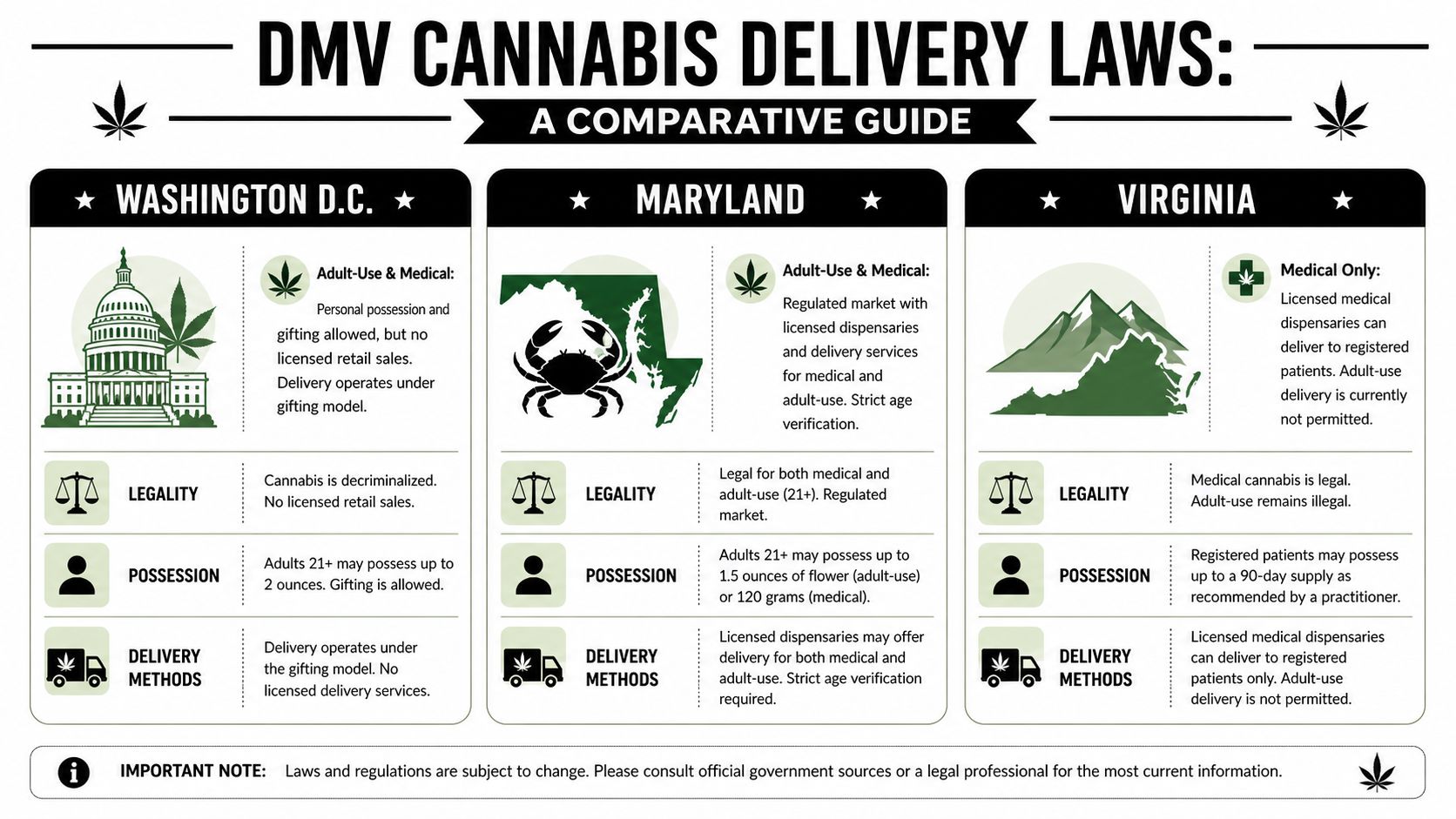

You're standing there at 8 p.m., phone in hand, trying to figure out whether “plug and plays” means a cannabis item, a vape cartridge, or some tech thing you've somehow googled by accident. In the DC area, that confusion is normal, because the phrase lives in two different worlds, personal computing and cannabis culture. If you're an adult 21+ trying to order delivery in Washington, DC, Maryland, or Northern Virginia, the faster you sort out the language, the faster you can shop without guessing.
What People Mean When They Search Plug and Plays
The phrase plug and plays has a technical meaning first. In personal computing, plug and play became mainstream with Windows 95 in 1995, when Microsoft introduced a standard for automatically detecting hardware at boot and assigning system resources. Intel later tied that idea to USB, which was introduced in 1996 and made device setup easier through hot swapping, the ability to connect or disconnect peripherals without shutting the machine down (Intel's retrospective on USB and plug and play).
Why that matters for cannabis shoppers
That's not just trivia. The computing meaning explains why the phrase now feels natural in product naming, because it signals something that works right away with minimal setup. In cannabis, people borrowed that same idea for products that are ready to use, easy to handle, and don't ask the buyer to assemble anything first.
For readers in the DC area, the cannabis meaning is usually the one that matters. It points toward delivery menus, cartridges, pre-rolls, and other ready-to-go items, not laptops or printers. If you were trying to make sense of a menu at night, you probably don't need a hardware lecture, you need a clean definition and a path to ordering.
Practical rule: if the search result talks about drivers, enumeration, or USB descriptors, you're in the computing world. If it talks about flower, carts, or delivery, you're in cannabis territory.
A useful place to start is this explanation of plug-n-play language in cannabis delivery. Once you've separated the tech term from the cannabis term, the rest gets simpler, because now you're asking the right questions about product type, legality, and delivery availability in your jurisdiction.
The Cannabis Slang Meaning Behind Plug and Plays
In cannabis slang, plug and plays usually means ready-to-use products that do not require extra prep. The phrase points to something you can open and use right away, without grinding flower, rolling paper, or building a session from scratch.
What the phrase signals on a menu
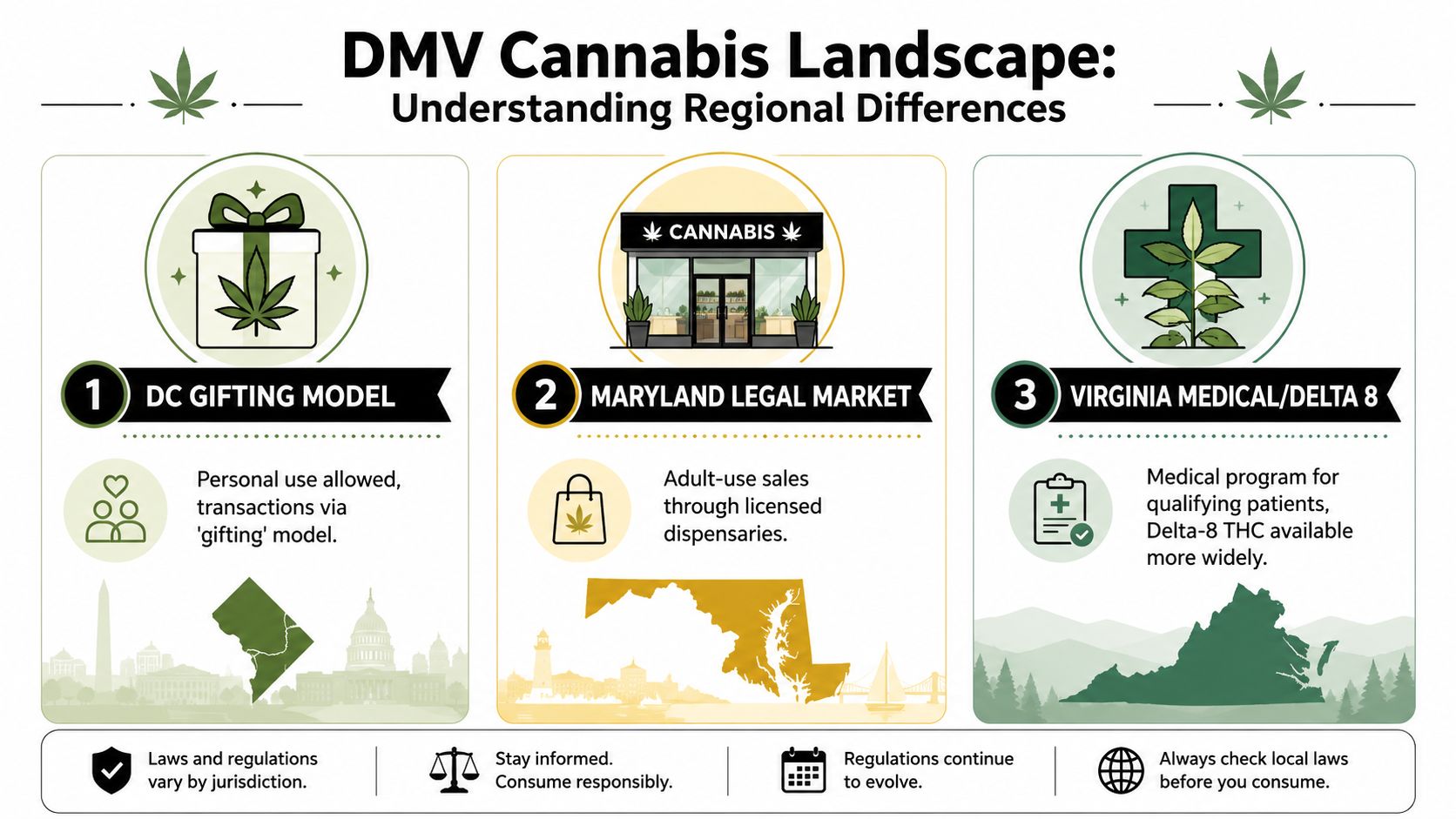
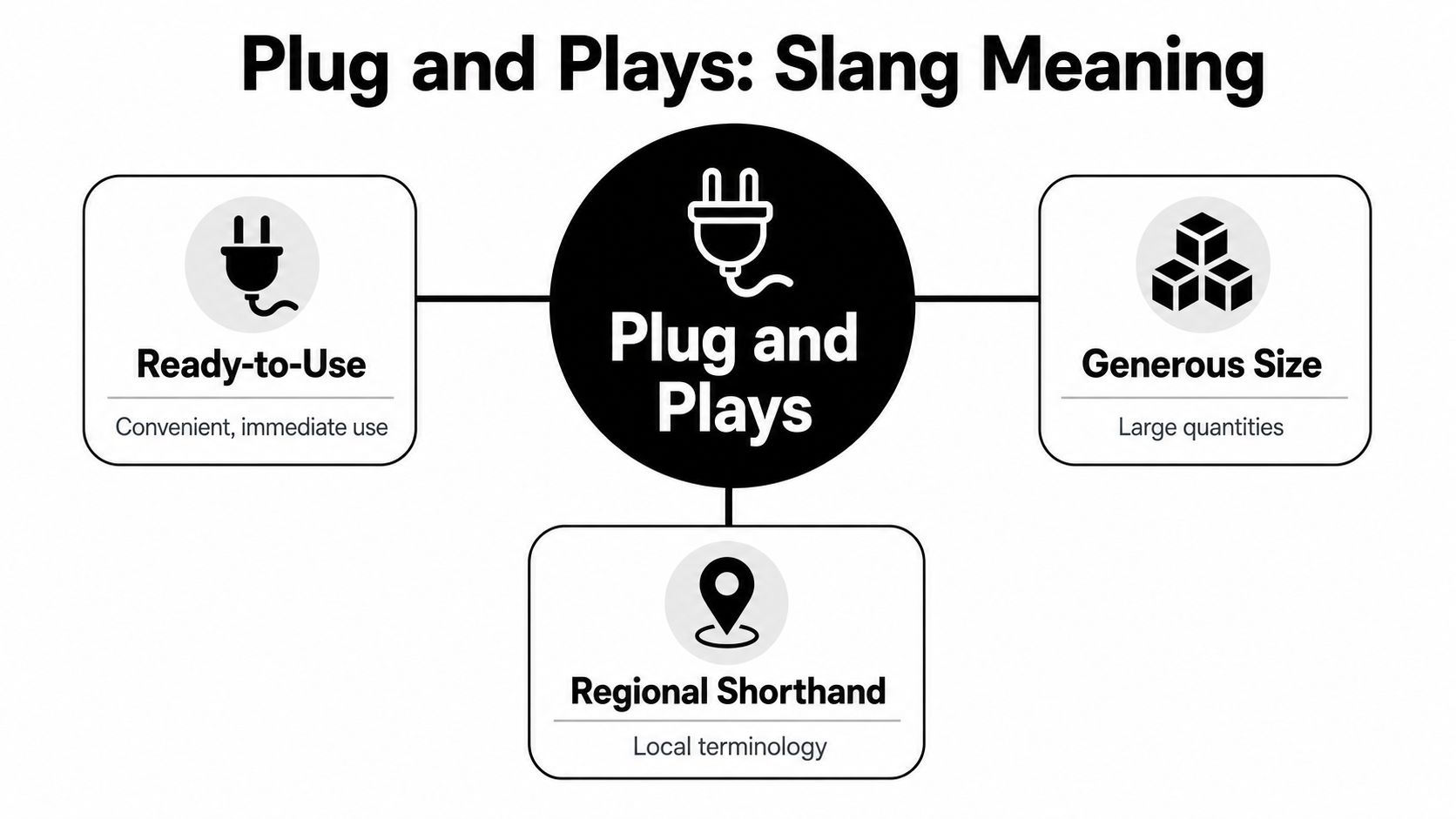
The phrase usually carries three ideas at once, ready-to-use, generous size, and regional shorthand. The last part matters because cannabis slang shifts by city and by market. In DC, the term grew around the Initiative 71 gifting framework, where adult-use cannabis was legalized in 2014 but no standard commercial retail market was created, so delivery businesses often operate through gray-market gifting models instead of licensed recreational storefronts.
That context explains why menu language can feel loose. A shop might use plug and play to describe a cartridge, a pre-roll, or a bundled item that is meant to work immediately. The buyer still needs to look closely, because the phrase does not describe a single federally standardized product class. It is slang, and slang can be fuzzy. For a local example of how that language shows up in ordering, see Green Express DC weed delivery.
How to think about it when comparing products
A regular eighth is a weight of flower. A gram of wax is a concentrate. An infused pre-roll is already rolled, but it is still usually presented as one session item. A plug and play item tends to suggest something already assembled or ready to use, with less fuss between purchase and use.
That is why the phrase helps some buyers and confuses others. It works well if you already know the menu. It is less useful if you do not yet know whether you want flower, a cartridge, or an infused product. In DC, that distinction matters even more because product naming often reflects local delivery culture rather than the standardized language you would see in a regulated dispensary system.
The safest interpretation is simple. If it sounds ready-made and session-ready, treat it as a convenience label first and a technical product description second.
DC, Maryland, and Virginia Rules for Adults 21+
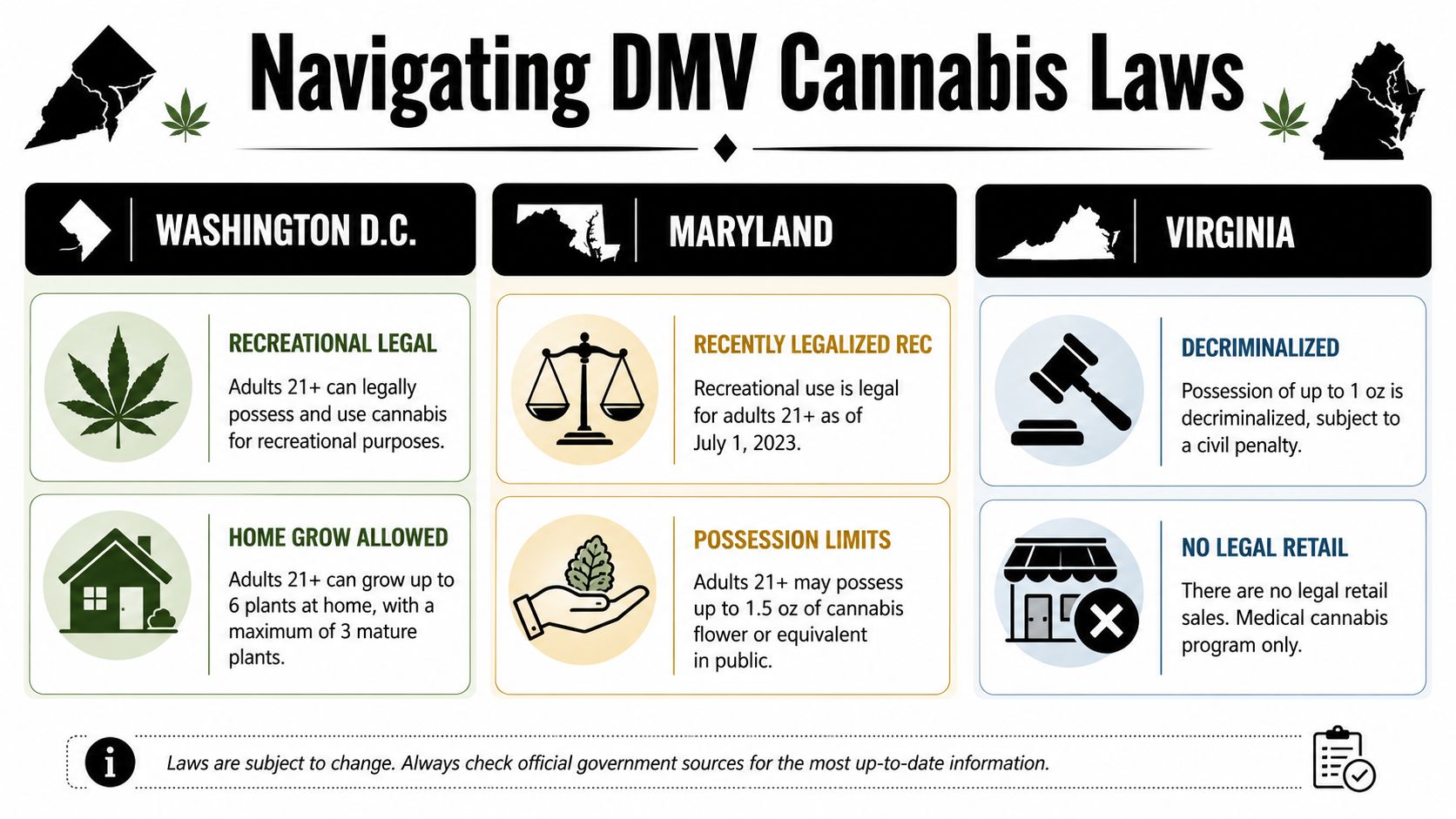
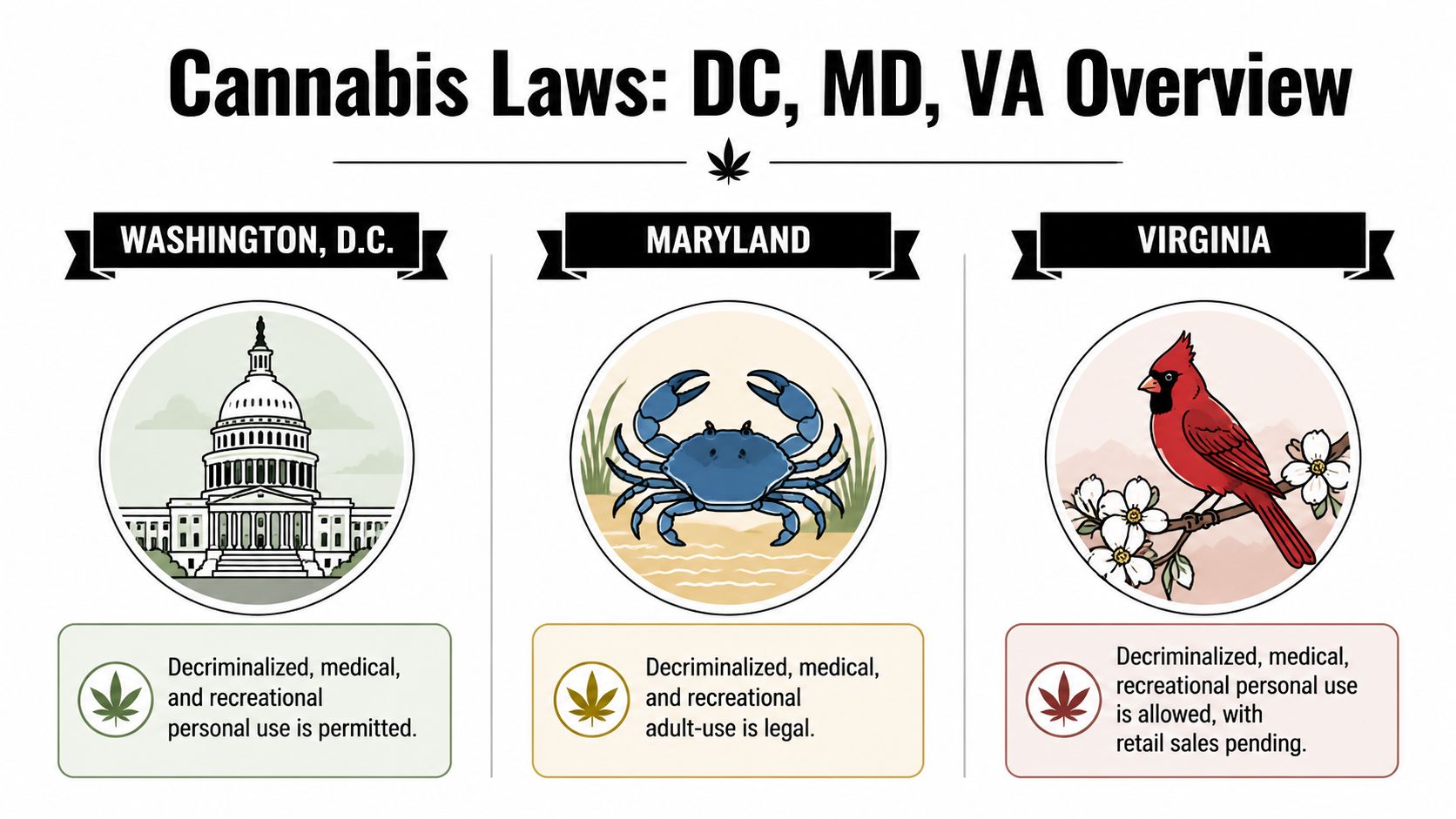
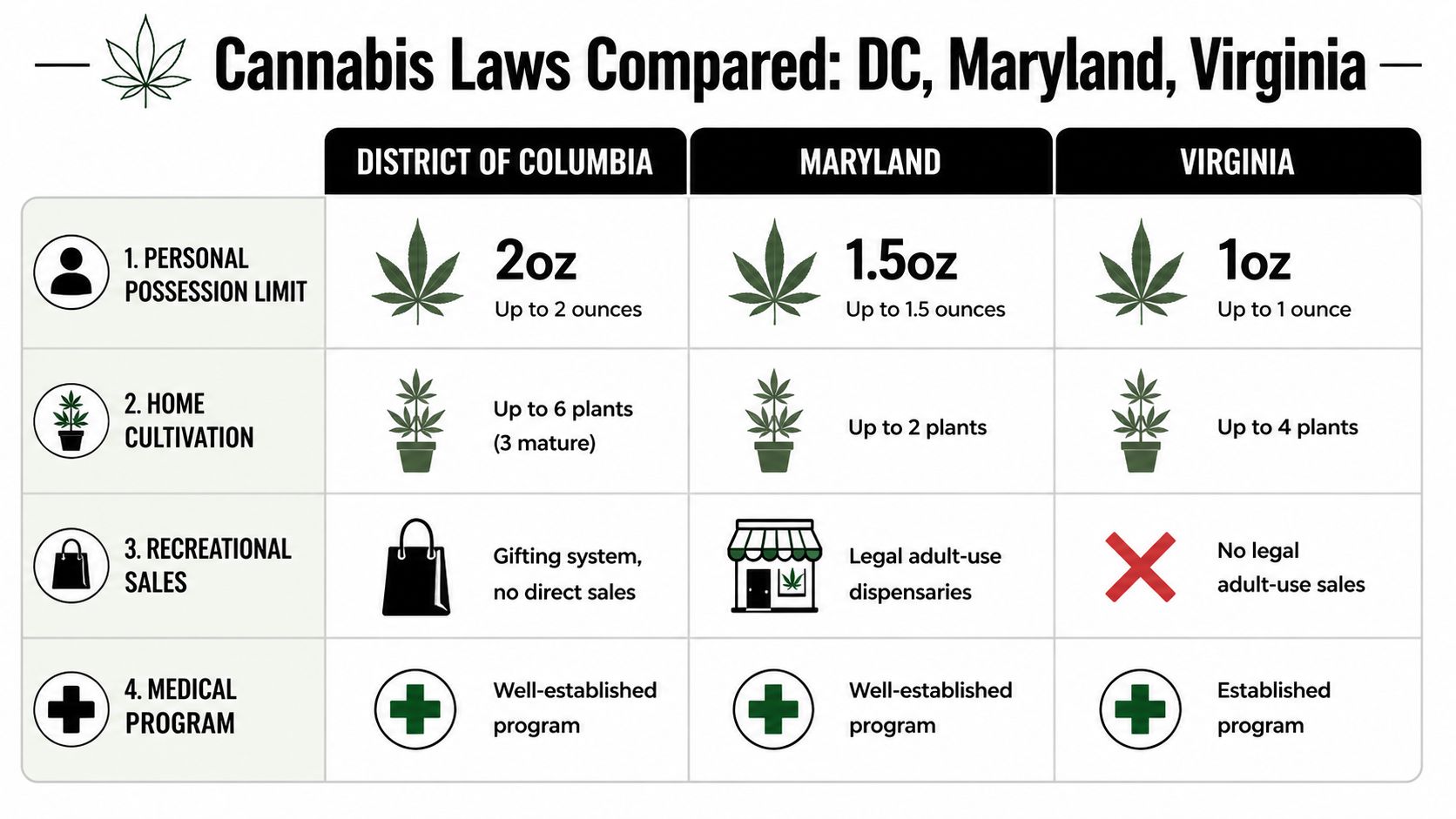
A delivery menu can look the same across the DMV, but the rules behind it are not. Washington, DC, Maryland, and Virginia sit next to each other, yet the legal and retail setup changes by address. That means the same product name can point to very different realities once you cross a border.
| Jurisdiction | Possession Limit (21+) | Retail Framework | Delivery Status |
|---|---|---|---|
| Washington, DC | Up to 2 ounces of marijuana under Initiative 71 | No standard commercial retail market, gifting-based model | Delivery often operates through gray-market gifting models |
| Maryland | Up to 1.5 ounces of cannabis | Regulated adult-use market with licensed dispensaries | Delivery environment is structured by the regulated market |
| Virginia | Evolving rules for adults 21+ | Different framework, not a DC-style gifting market | Delivery expectations differ from DC and Maryland |
Maryland's market opened on July 1, 2023, after voters approved recreational legalization in 2022, and the state set a possession limit of up to 1.5 ounces for adults 21 and older. That matters because Maryland delivery does not rely on DC-style gifting language. It runs through a regulated commercial structure, which changes how items are listed, how customers are checked, and how orders are completed. For a local comparison of how that kind of service is presented, see this DC delivery overview.
What a delivery address really changes
A Washington, DC address can point to a gifting-based system. Adults 21+ can possess up to 2 ounces, grow up to six plants per household, and give up to 1 ounce to another adult without payment. That is why delivery businesses in DC often use gift framing rather than licensed recreational storefront language. Maryland works differently. The market is built around licensed dispensaries inside a formal retail system, so the labels, verification steps, and fulfillment process follow a more standard commercial pattern.
Virginia sits in a separate category, so readers there need to check local rules before expecting a DC-style delivery experience. The simplest way to avoid confusion is to treat the address as the first filter, not the menu. Confirm where you are first, then decide what kind of order fits.
A useful rule of thumb is this. The same slang can show up across the region, but the legal meaning behind it changes with the jurisdiction.
How Ordering Works With Green Express DC
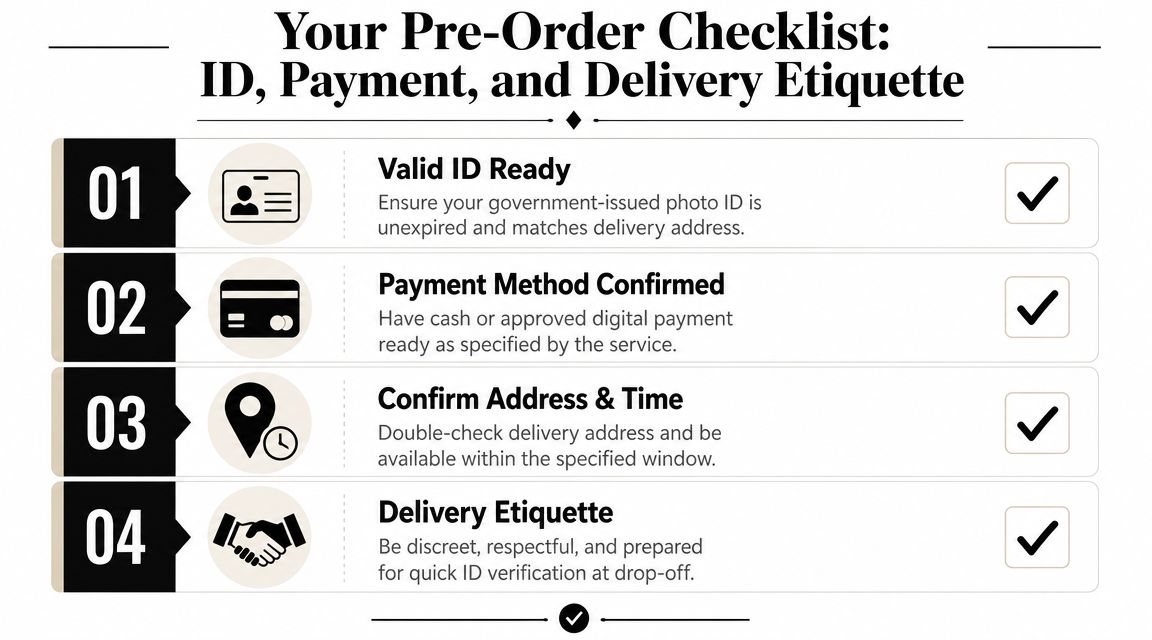
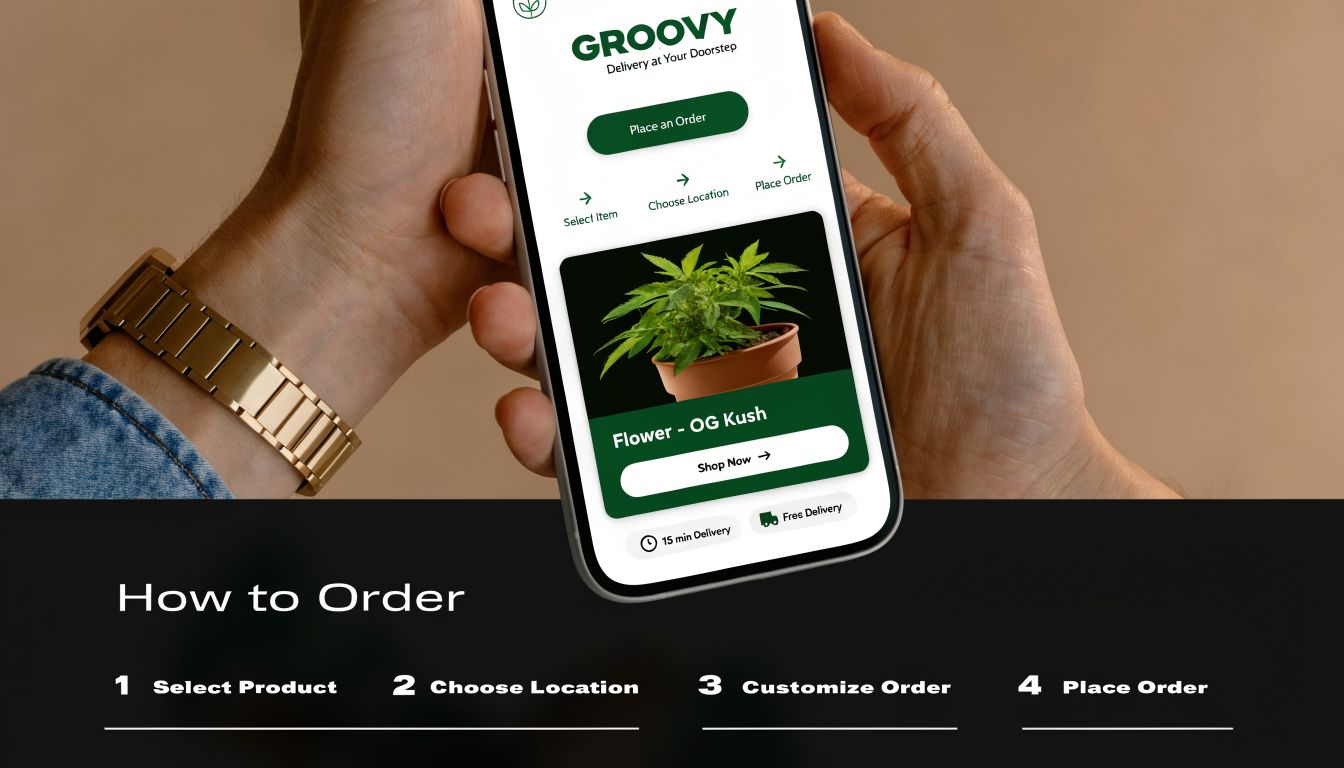
Ordering should feel calm, not cryptic. You browse the online menu, choose what you want, place the order online or by phone, then wait for the courier to arrive. Green Express DC says orders have a $50 minimum, payment is cash on delivery, and the courier checks a valid government ID at drop-off, which is the part that keeps the handoff simple and controlled.
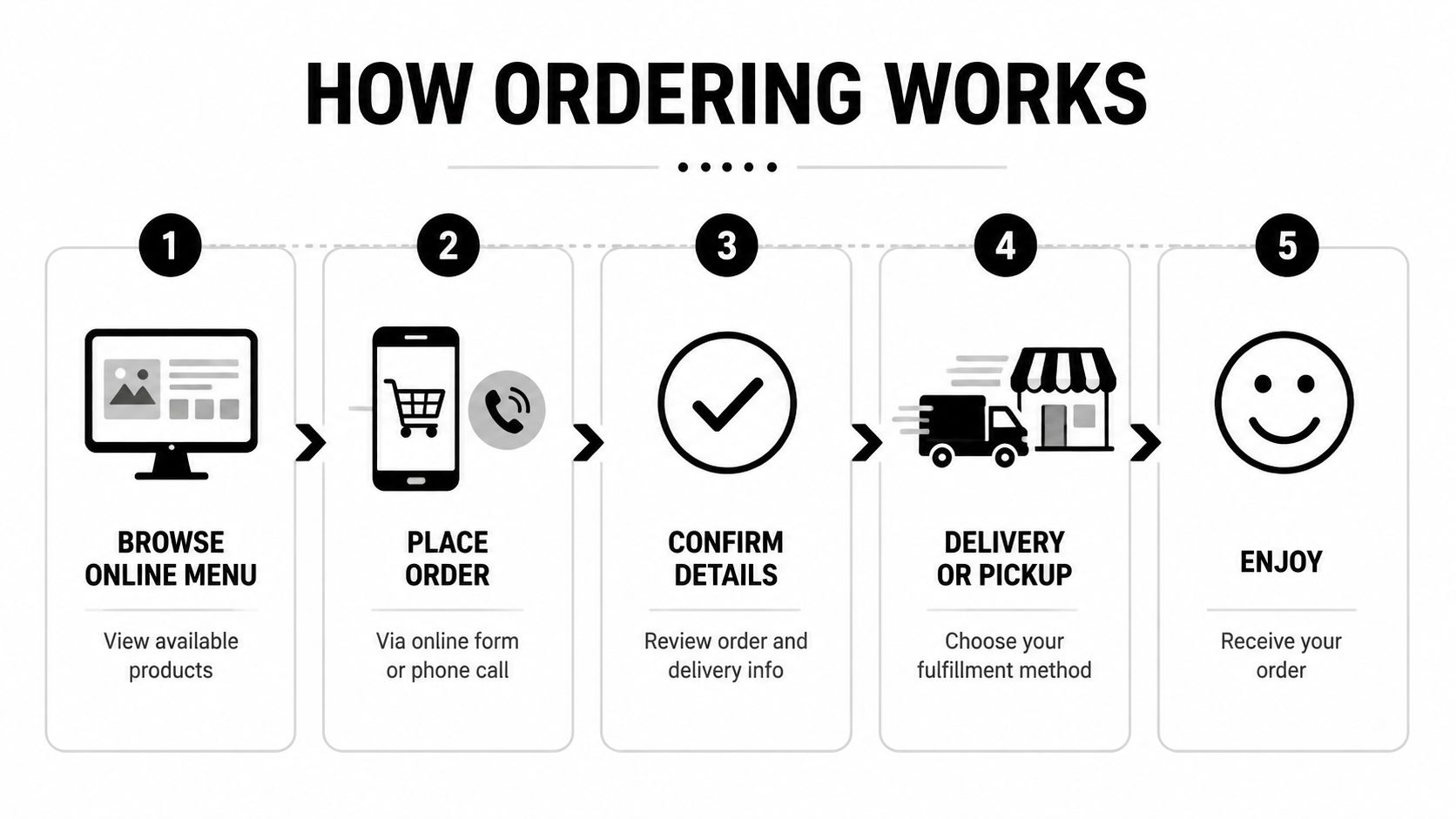
A clean way to think about the order flow
First, open the menu and pick your format. That might be a plug-and-play-style cartridge, a flower item, an edible, or something else that fits your night. Then confirm the address and any delivery details before you submit.
After that, the main job is waiting. When the courier arrives, keep your ID ready and the payment method ready too. The whole process is meant to be low-friction, but it still depends on verification at the door, because adults-only delivery isn't supposed to be casual about identity checks.
Practical rule: if the order requires ID at drop-off, don't treat it like a food app. Keep your government ID nearby and make sure the address is right before you submit.
The service page at Green Express DC delivery service shows the kind of flow local customers expect, browse, order, verify, receive. That structure is useful because it removes the two biggest sources of stress, payment surprises and identity confusion. Once you know the courier will verify ID and collect cash on delivery, you can focus on choosing the right product instead of wondering what happens when the doorbell rings.
Verifying Lab-Tested and Organic Products
A polished menu can still hide weak products, so the first quality check should happen before you add anything to cart. The same logic that applies to plug and play hardware, where the device, driver, and platform all have to line up, applies to cannabis quality across the cultivation, lab, and dispensary layers (PnP framework). If one layer is sloppy, the final experience usually is too.
What to check before you buy
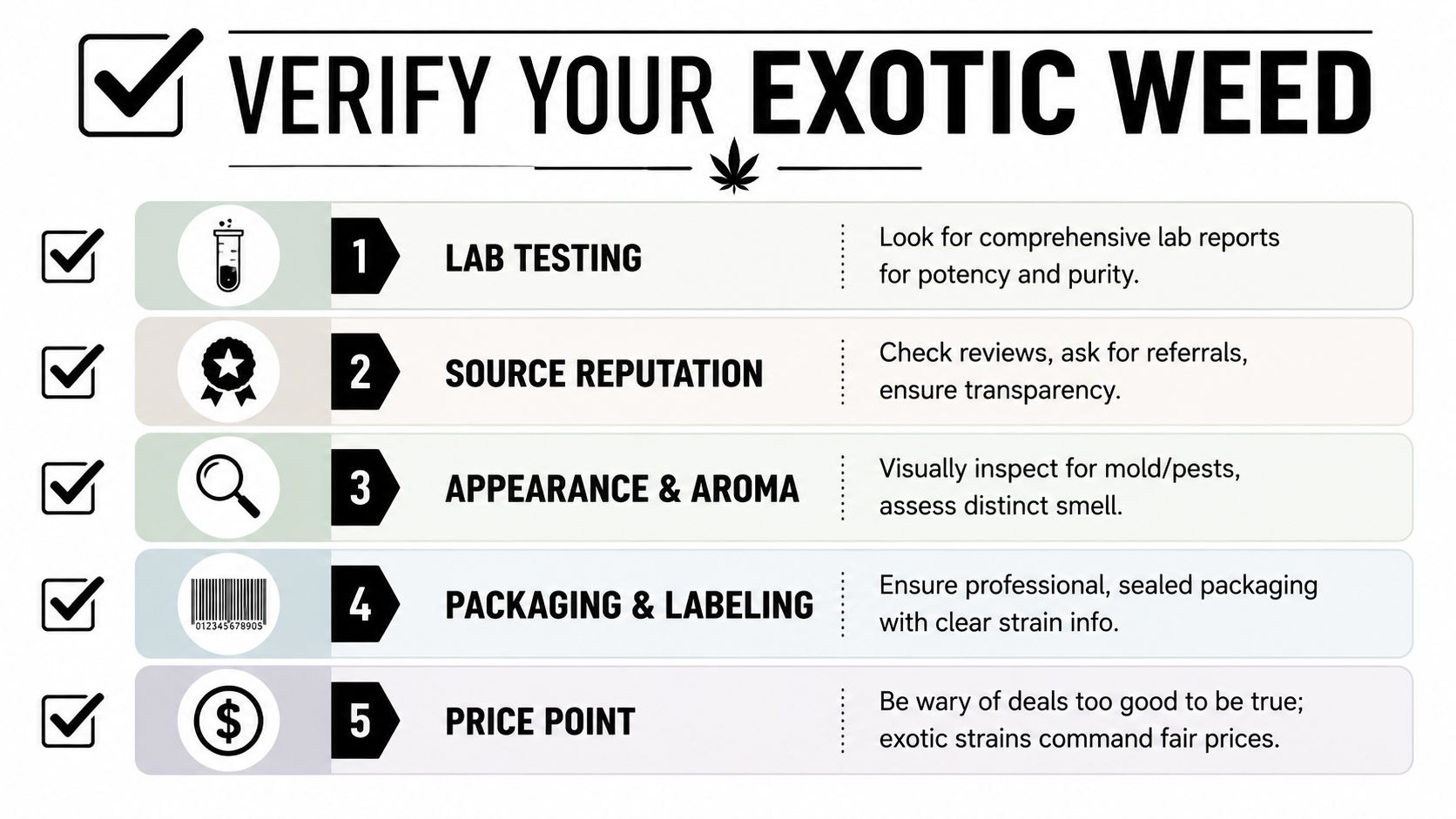
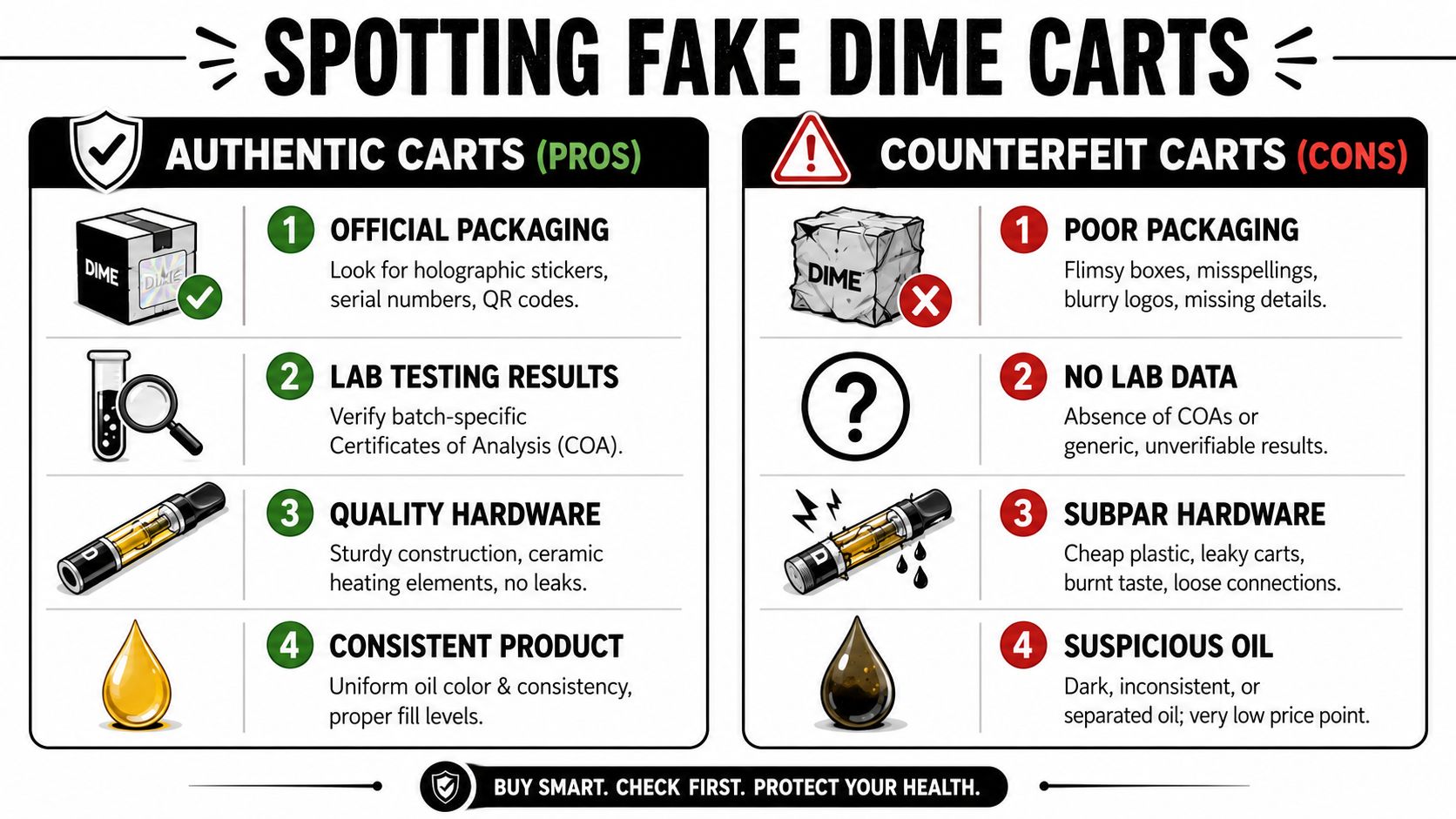
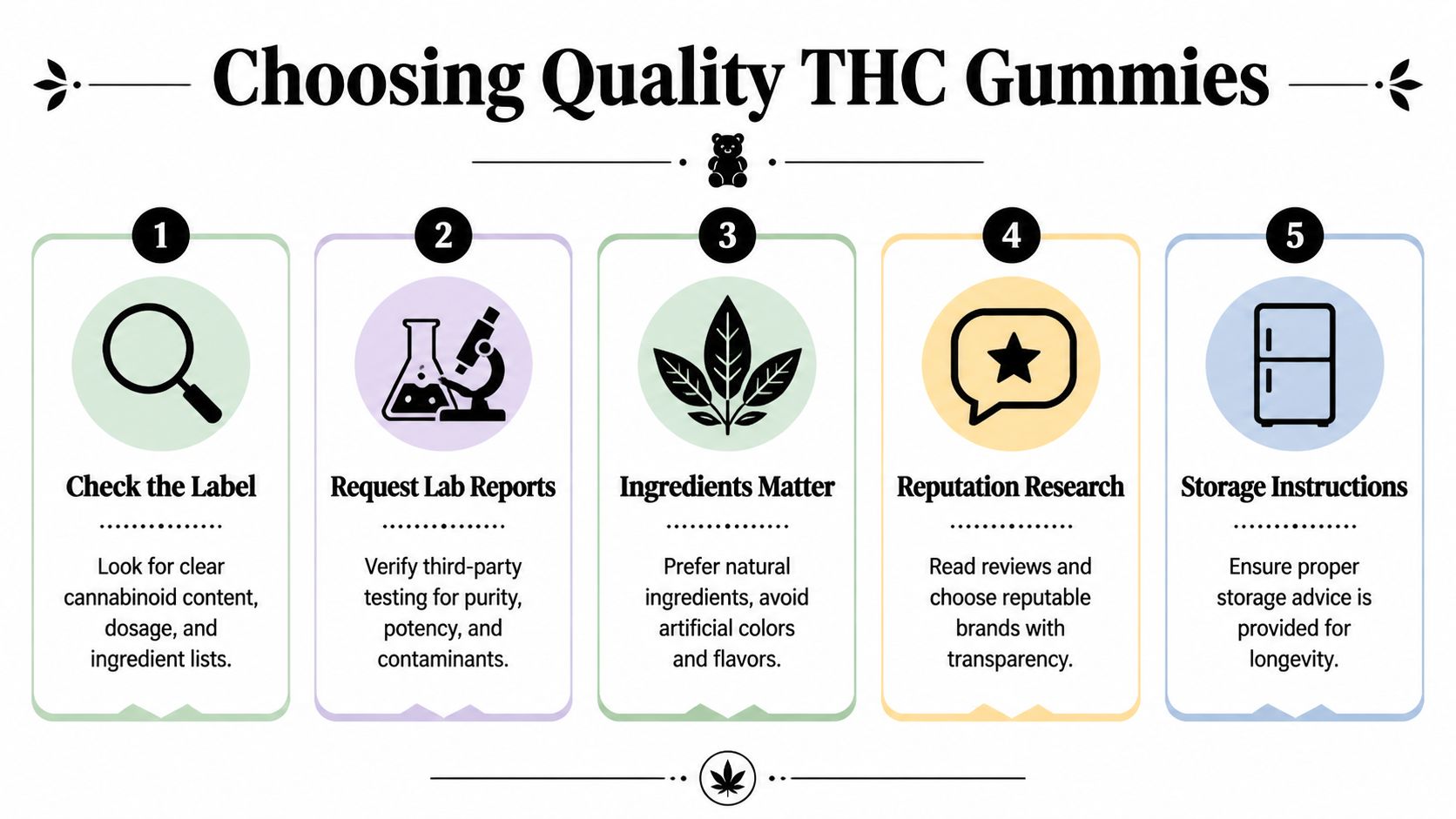
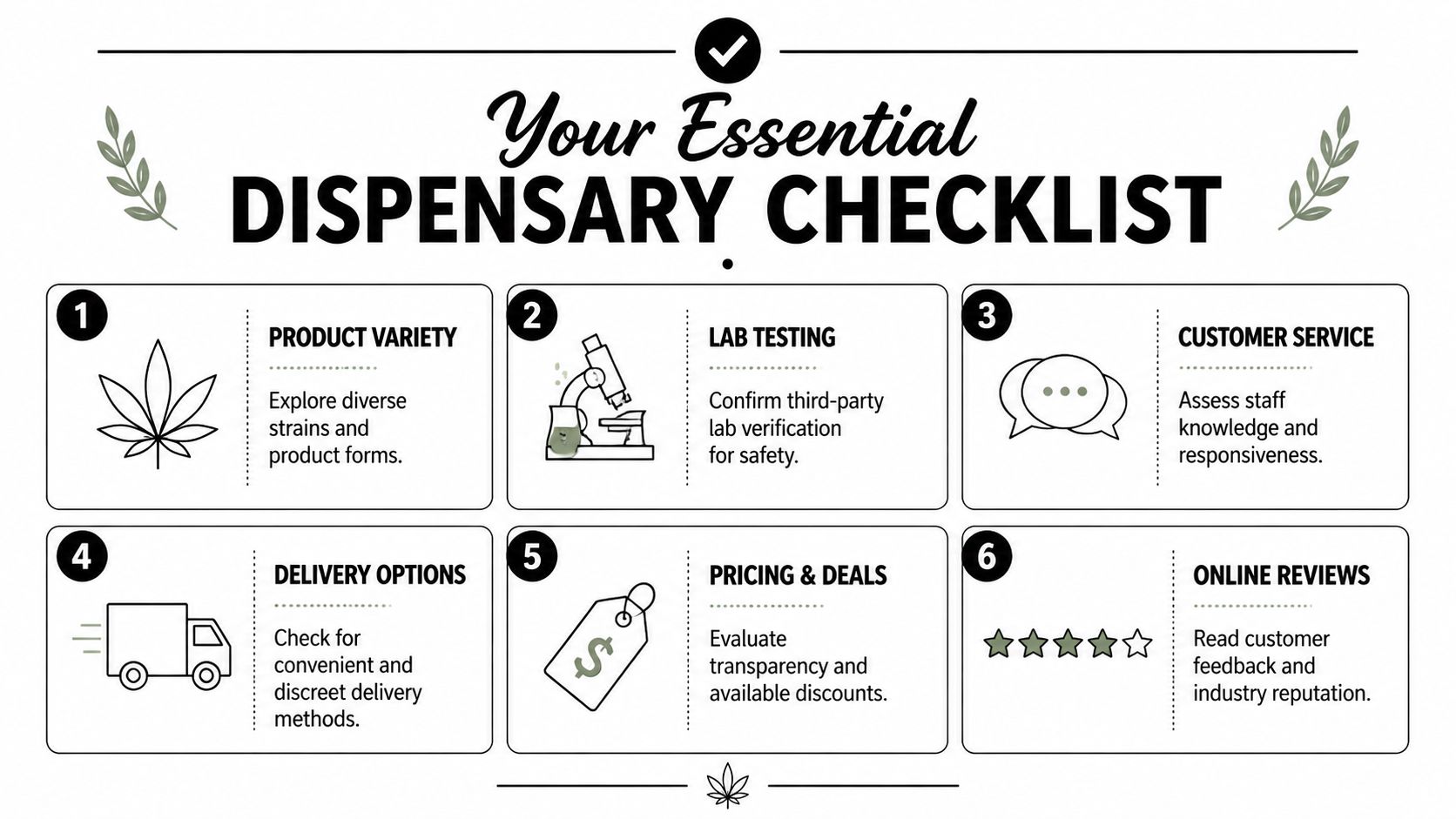
Start with the certificate of analysis, often shortened to COA. That's where you look for potency, contaminants, and batch-level information. Then look for packaging details that match the product description, because mismatched batch numbers or vague labels are usually a sign to slow down.
You should also separate organic as a verified cultivation claim from organic as a marketing word. If the listing says organic, look for actual supporting documentation instead of trusting the adjective by itself. The same applies to “lab-tested.” A real lab test should connect to a specific batch, not just sit on the page as a badge.
- Check the COA: make sure the lab result matches the item you're considering.
- Match batch details: the product name, batch number, and dates should line up.
- Read the label carefully: vague wellness language doesn't prove quality.
- Treat reputation as part of quality: brand consistency matters when the product category is highly sensitive to handling.
Red flags that deserve a pass
If the menu page is light on specifics, that's a problem. If a product claims purity but gives you no batch reference, that's another problem. If the seller uses quality language but doesn't show any real evidence behind it, assume you're being asked to trust the marketing more than the product.
That doesn't mean every product needs a laboratory lecture. It means buyers should build a habit. Look for proof, not vibes. That's the difference between a menu that sounds good and a menu that's worth your money.
Reading the Green Express DC Menu Like a Pro
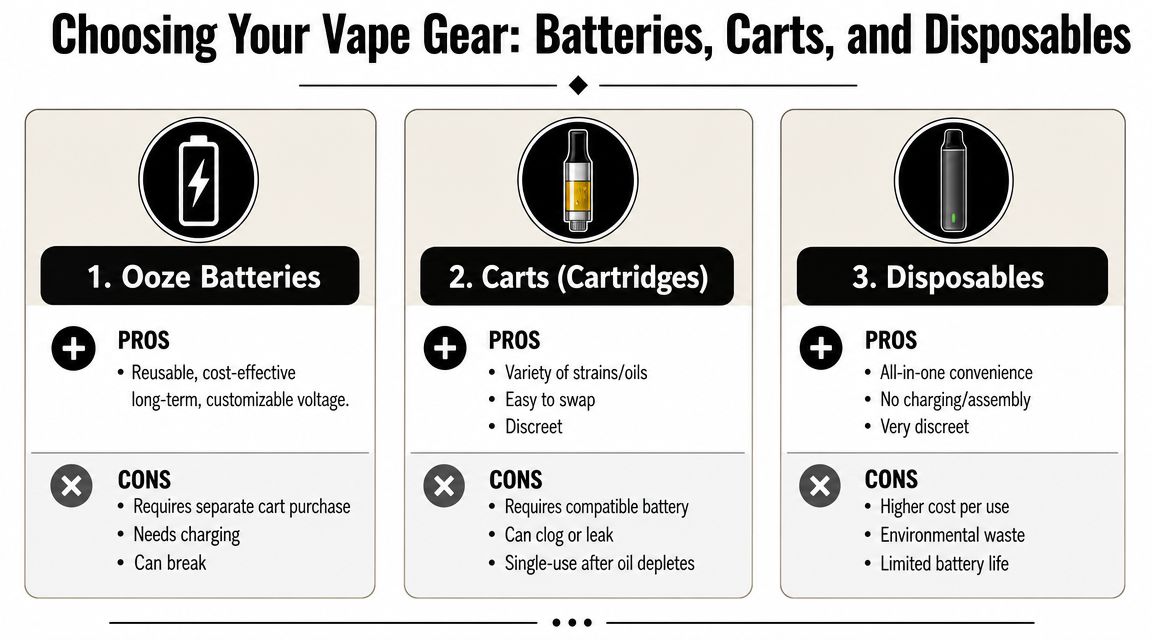
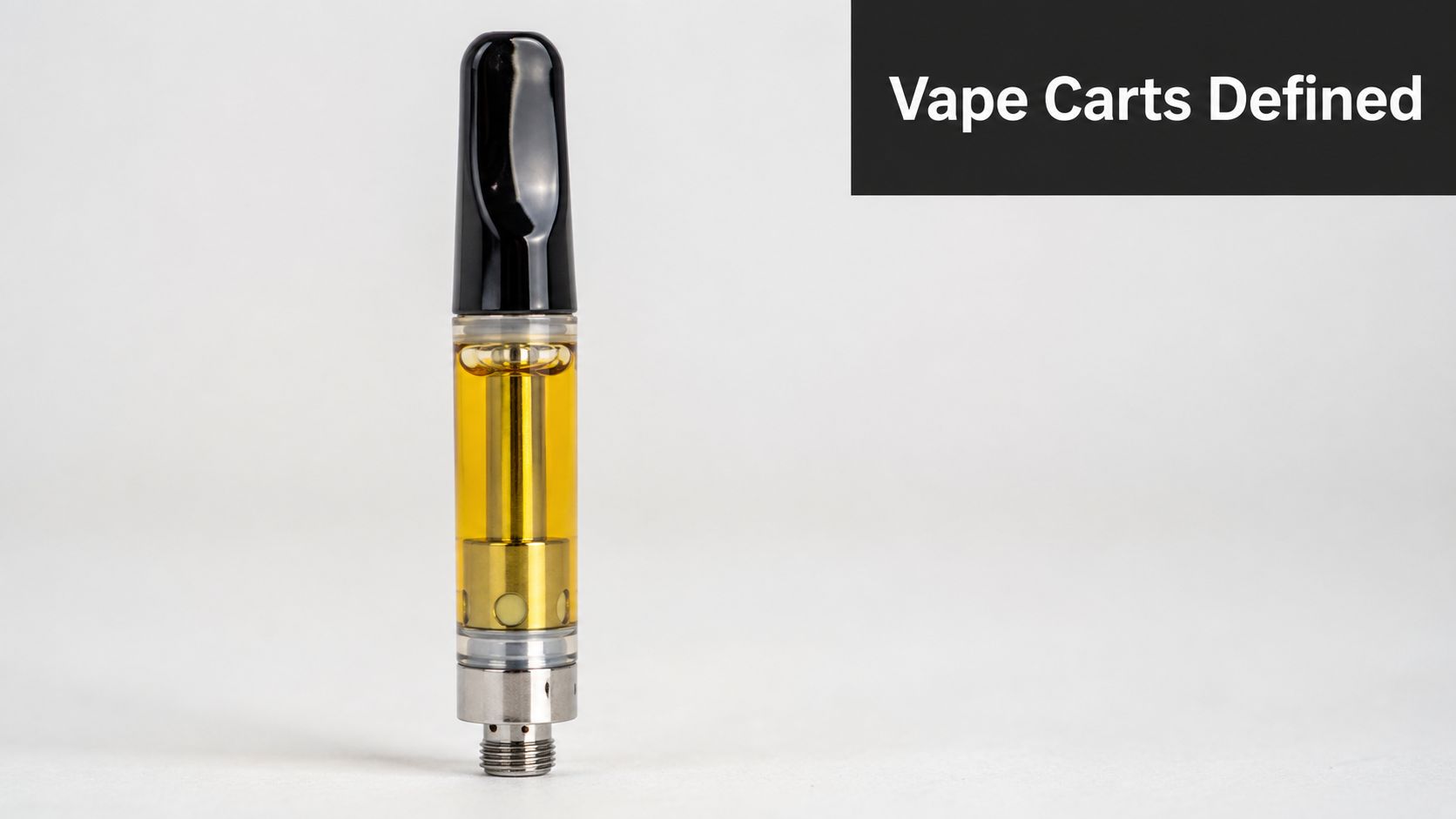
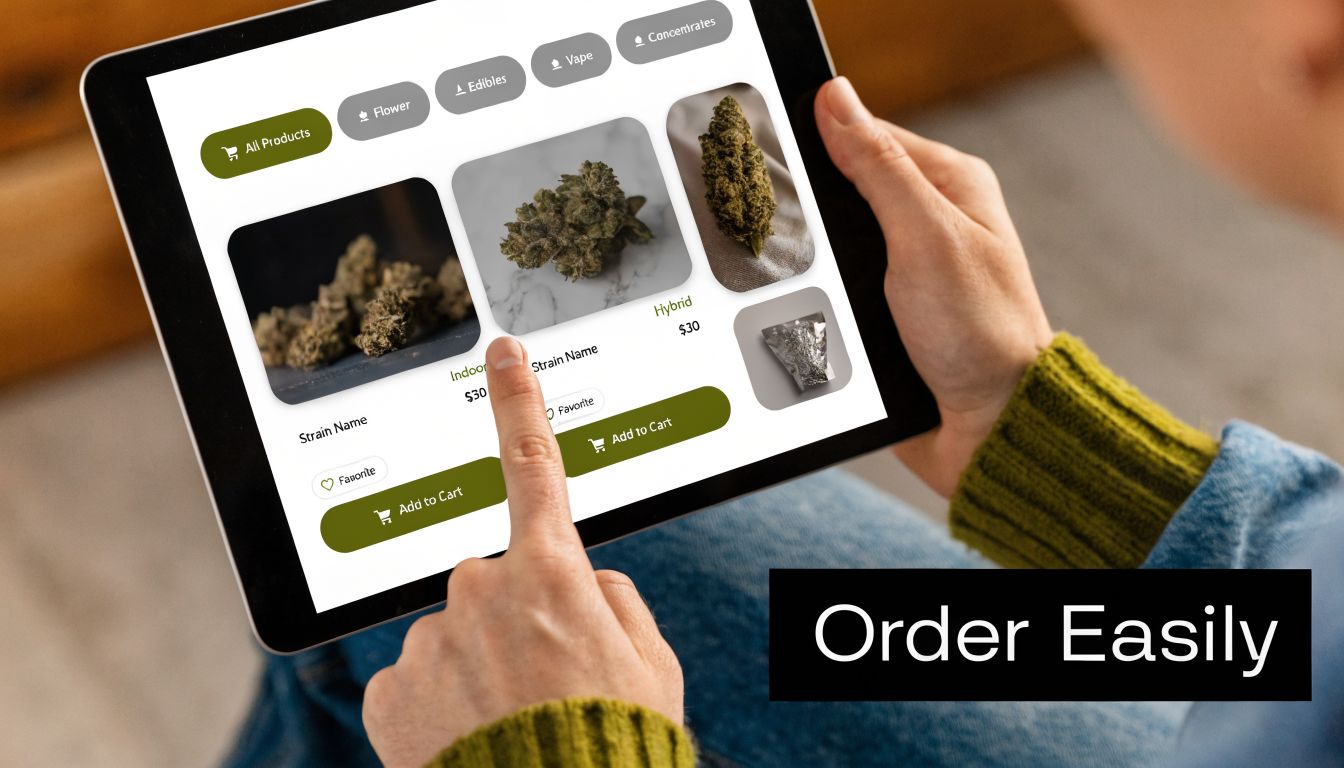
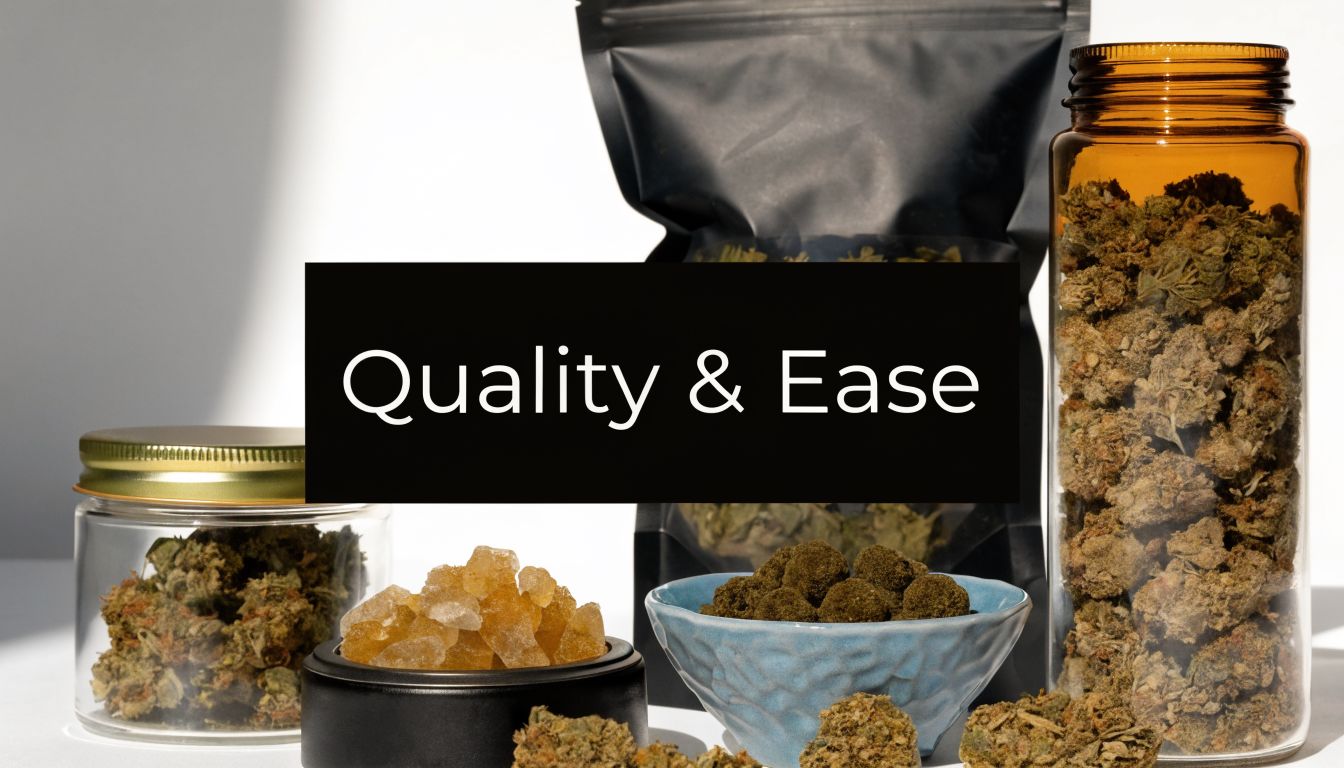
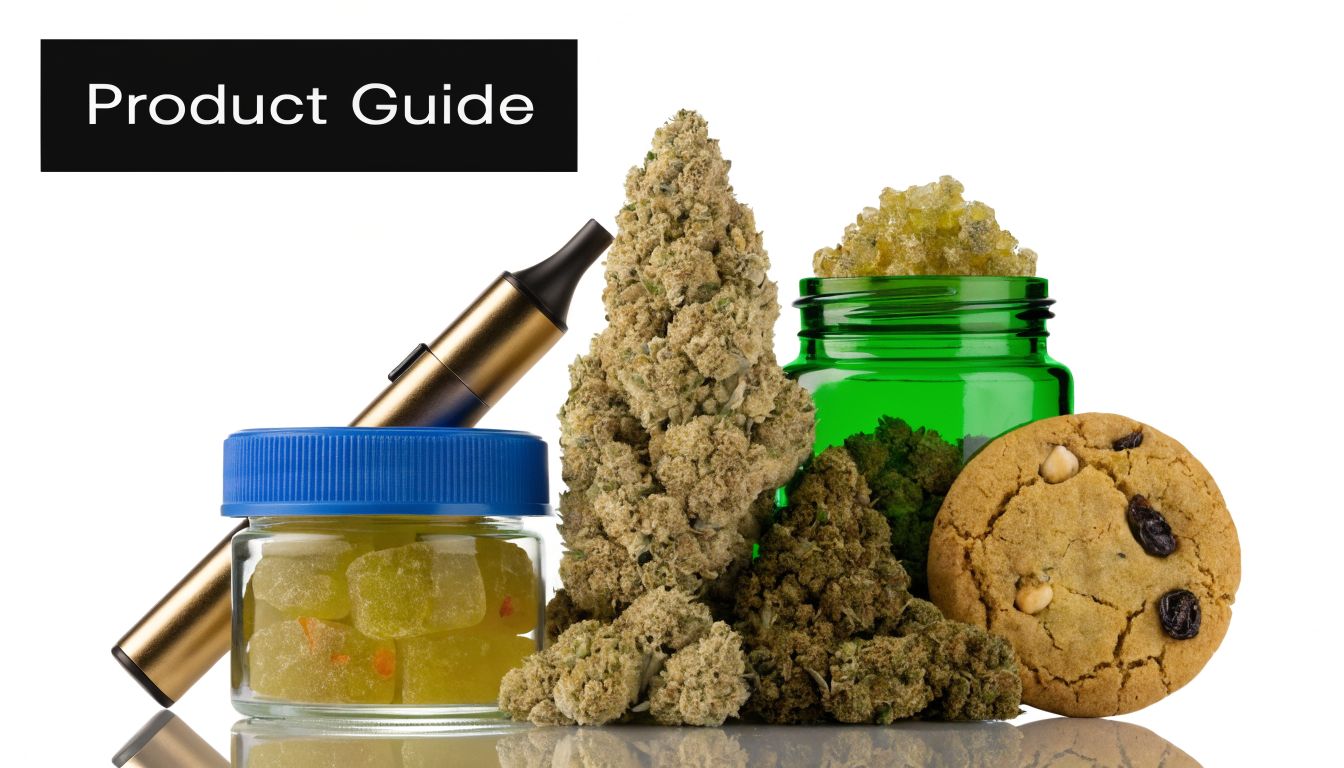
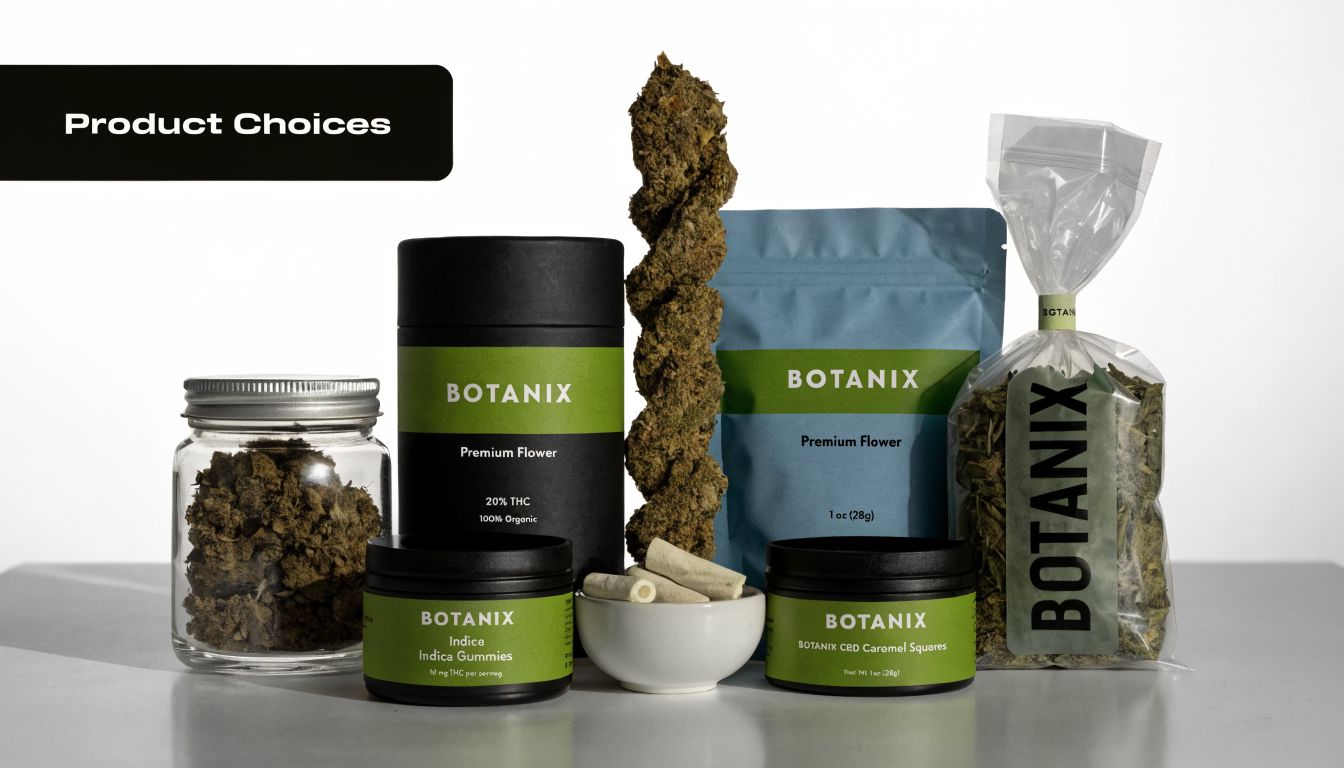
A good menu tells you who a product is for without making you decode everything from scratch. The Green Express DC lineup spans flower, pre-rolls, concentrates, vape disposables and carts, edibles, and THC tinctures, which covers most of the ways adults shop for convenience, potency, or discretion. Green Express DC also lists plug-play cartridges among its offerings, so shoppers looking for that style of vape product will see it in the cart category.
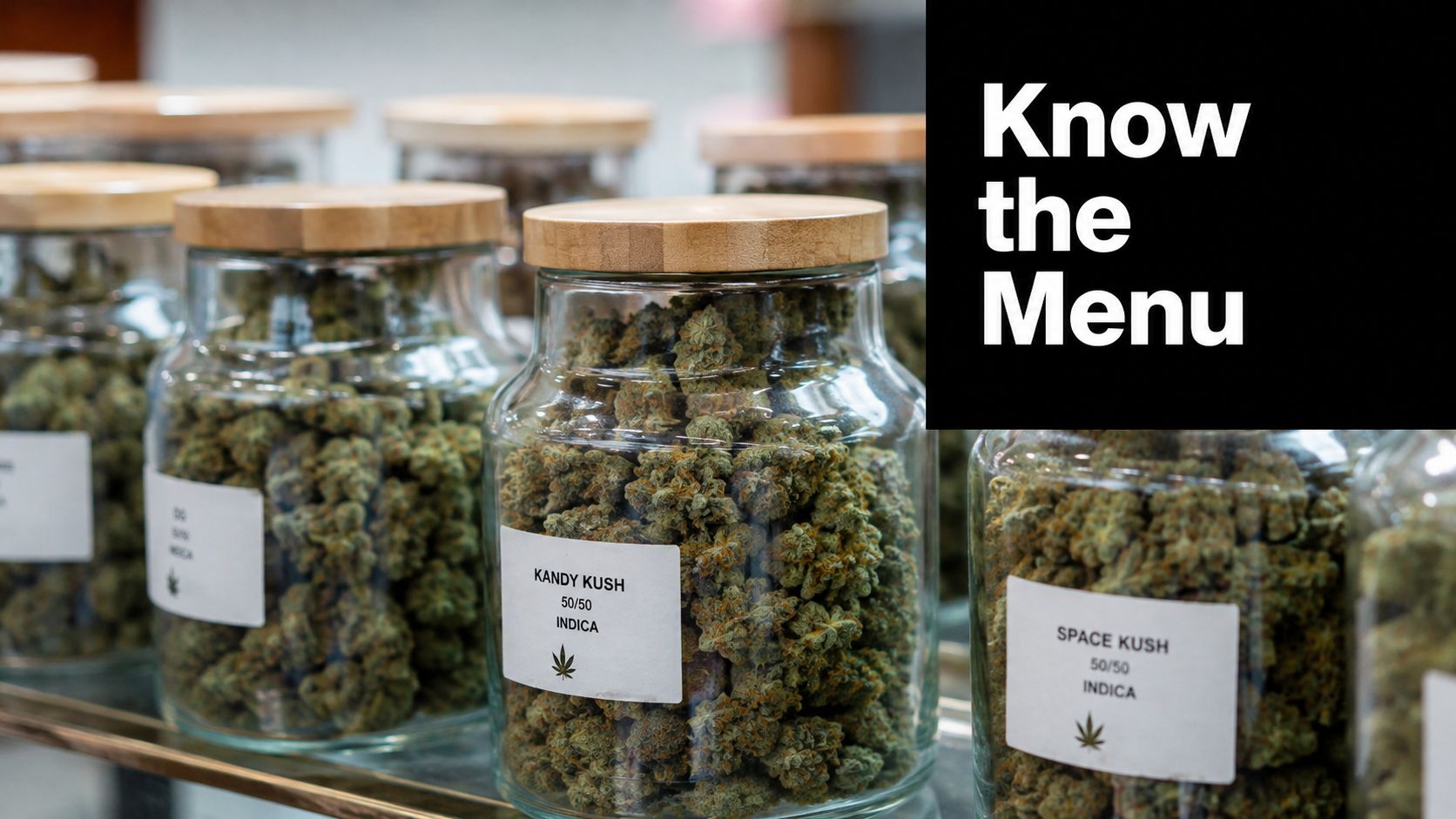
Match the format to the moment
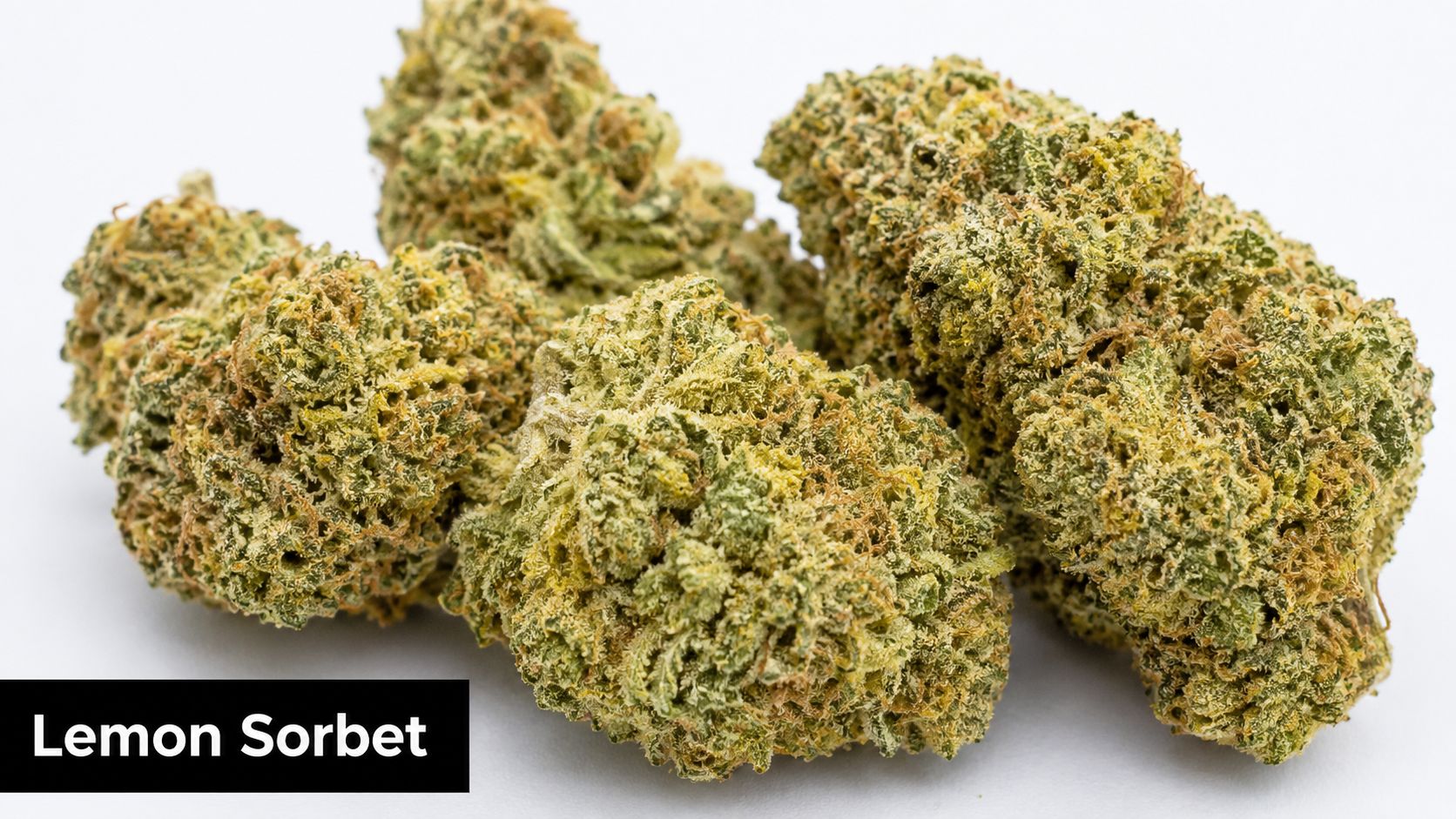
Flower suits the person who wants the classic ritual and already knows how they like to dose. Pre-rolls work better for someone who wants convenience without buying papers, grinders, or extra accessories. Concentrates such as shatter, live resin, wax, and rosin suit experienced users who care more about potency and texture than ease.
Edibles and tinctures belong in a different lane. They're the better fit for buyers who want something more discreet, more measured, or less smoke-forward. A vape disposable is often the easiest answer for travel or low-profile use because it reduces setup to nearly nothing.
How the menu usually gets read
The biggest mistake is shopping by label alone. A first-time buyer might see a concentrate and assume it's “stronger” in a way that automatically makes it better, but strength isn't the only factor. Tolerance, setting, and how fast you want the effect to arrive all matter.
Read the menu like you're choosing a tool, not a trophy. The right format is the one that matches your evening and your experience level.
If you're new, start with the format that asks the least of you. If you're seasoned, use the menu to compare flavor, potency, and ease of use. That's the pro move, not chasing the biggest-sounding item.
Later in the menu, an embedded video can be useful for getting a visual feel for the product flow:
Smart Ways to Use Rotating Deals and Bundles
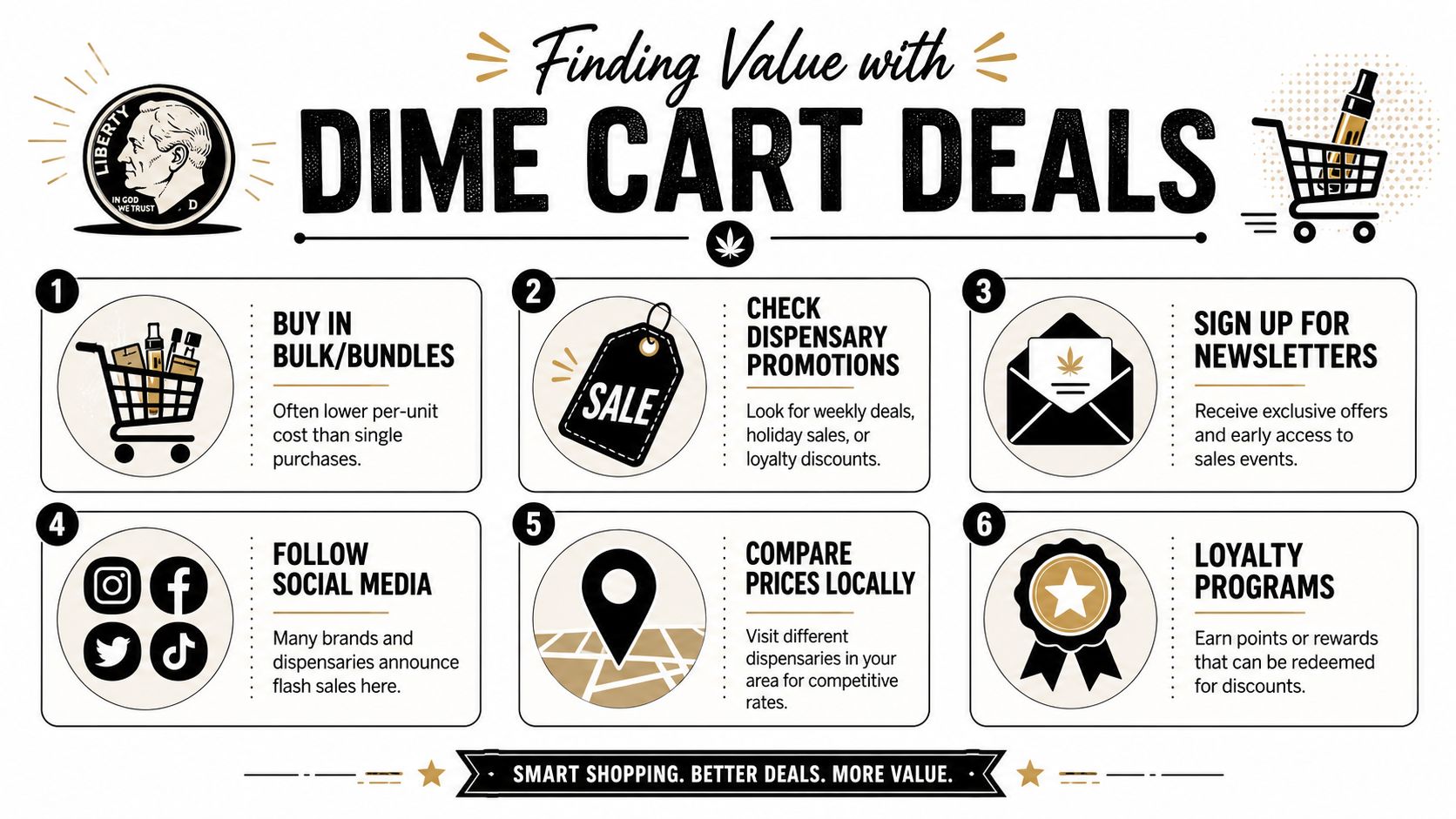
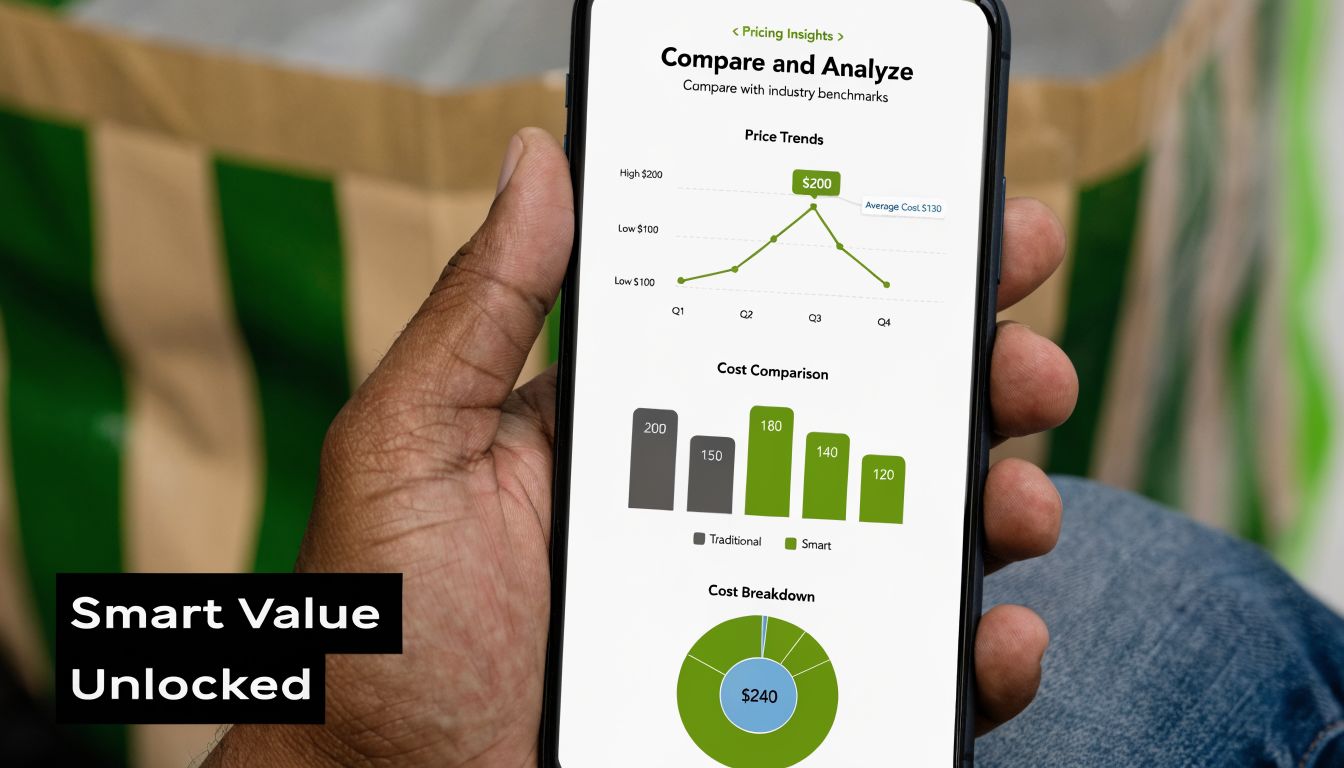
Deals are only good when they match how much you'll use. A bundle can save you money, but it can also tempt you into buying more than you wanted in the first place. The smart move is to compare the bundle against what you'd pay for the same category one item at a time, then ask whether the convenience still makes sense.
A simple way to judge value
The menu includes rotating specials such as $150 for 10g of shatter or crumble, multi-gram disposable bundles, and seasonal 420 promotions. That gives you a buying signal, but not a buying decision. If you know you'll use the whole bundle, the offer may be efficient. If you're only shopping for one session, the discount might not matter.
A quick mental check helps. Ask whether you're buying for price efficiency, variety, or habit. Those are different goals, and the same bundle won't satisfy all three. A concentrate buyer with steady use habits may appreciate a larger deal more than a casual user who just wants one discreet item.
Don't let discounts choose for you
Budget-conscious shoppers often focus on the sticker price and ignore fit. That can backfire, especially with stronger formats. A bundle of disposables sounds economical until you realize the flavor profile or device style isn't what you wanted.
Use rotating deals as a filter, not a command. If the product is already on your shortlist and the special lowers the barrier, that's useful. If the deal makes you reconsider whether you even wanted the item, step back.
Practical rule: a real deal saves money without changing what you actually needed to buy.
That's the cleanest way to think about bundles in a delivery setting. You're not trying to maximize the cart for its own sake. You're trying to make the cart fit your use case, your tolerance, and your budget at the same time.
Frequently Asked Questions About Plug and Plays and DC Delivery
What makes a plug and play product different from a regular pre-roll?
A plug and play product usually points to a ready-to-use setup, often a cartridge paired with a device or another assembled format. A pre-roll is also ready to use, but it belongs to a different category, flower that has already been rolled for smoking rather than a cartridge-style item. The label matters because it tells you how the product is meant to be used, not just how strong it is.
Is DC delivery legal for out-of-state visitors?
That depends on the delivery address and the rules that apply there. In DC, adults 21+ can possess up to 2 ounces, grow up to six plants per household, and give up to 1 ounce to another adult without payment, but that framework does not create a standard commercial retail market (DC framework). Visitors should check the rules tied to the destination, not rely on their own home state's assumptions.
How discreet is the packaging?
Delivery services in this space usually try to keep packaging discreet, but the exact standard depends on the courier and the seller. If privacy matters, ask before ordering instead of assuming the package will look a certain way. Discreet delivery is meant to reduce attention at the door, while ID verification still has to happen.
What should I do if an order arrives late or there's an issue?
Contact the service right away and keep your order details close at hand. Delays can happen in any delivery system, and the fastest fix usually comes from clear communication, order confirmation, and a direct follow-up about what is missing or mismatched.
A lot of confusion comes from treating the phrase as if it only meant one thing. In DC, Maryland, and Virginia, the same words can sit on top of very different rules and delivery practices, so buyers need to match the product, the address, and the framework before they place an order.
If you want a clearer way to order in DC, Green Express DC keeps the process centered on menu browsing, ID verification, and discreet delivery. Visit Green Express DC to review the current selection, compare formats, and place an order that fits your address and your evening.