The “indica” label on your gummy package might not be the primary reason you feel sleepy. Most consumers believe the strain name alone dictates the high, but the reality of indica vs sativa edibles is defined by chemical synergy and your individual metabolism rather than just plant taxonomy. It’s frustrating when a product marketed for relaxation leaves you feeling restless, or when a “daytime” treat leads to an unexpected nap. You deserve a predictable experience that aligns with your professional lifestyle and wellness goals.
We understand the anxiety that comes with inconsistent product quality and the very real fear of overconsumption. This expert guide provides the clarity you need to master the nuances of effects, selection, and precise THC gummies dosing for a premium result. We’ll examine how lab-verified profiles influence your body, the truth about modern labeling, and how to secure discreet, high-tier options for better sleep or enhanced focus. By the end of this guide, you’ll have the knowledge to move beyond guesswork and achieve a gold-standard cannabis experience every time.
Key Takeaways
- Learn why chemical synergy and metabolism dictate the effects of indica vs sativa edibles more accurately than traditional plant labels.
- Identify key terpenes like Myrcene and Linalool to predict whether a product will offer deep restoration or active stimulation.
- Implement the “start low, go slow” method with 2.5mg doses and 90-minute intervals to maintain perfect control over your experience.
- Match specific cannabinoid profiles to your professional lifestyle, optimizing for either enhanced cognitive focus or restorative sleep.
- Ensure consistent results and safety by selecting lab-tested, organic edibles that meet rigorous purity standards.
Understanding Indica vs Sativa Edibles: Beyond the Botanical Basics
The botanical origins of the cannabis plant often mislead consumers. While growers once categorized plants by leaf shape and height, these physical traits have little impact on the final infused product. For the modern professional, understanding indica vs sativa edibles requires a shift in focus from the farm to the lab. You need predictable outcomes that fit into a busy schedule, whether you’re seeking restorative sleep or a creative edge. It’s no longer about the plant’s appearance; it’s about the precise chemical composition of the extract.
Most products on the market today are technically hybrids. Pure landrace strains are rare in high-end manufacturing. Instead, producers curate specific cannabinoid and terpene blends to achieve desired results. This precision ensures that your experience remains consistent every time you order. By blending the uplifting properties of certain strains with the grounding effects of others, manufacturers create a balanced profile that avoids the extremes of anxiety or total sedation. This curated approach is the new gold standard for quality control and reliability.
The Traditional Classification System
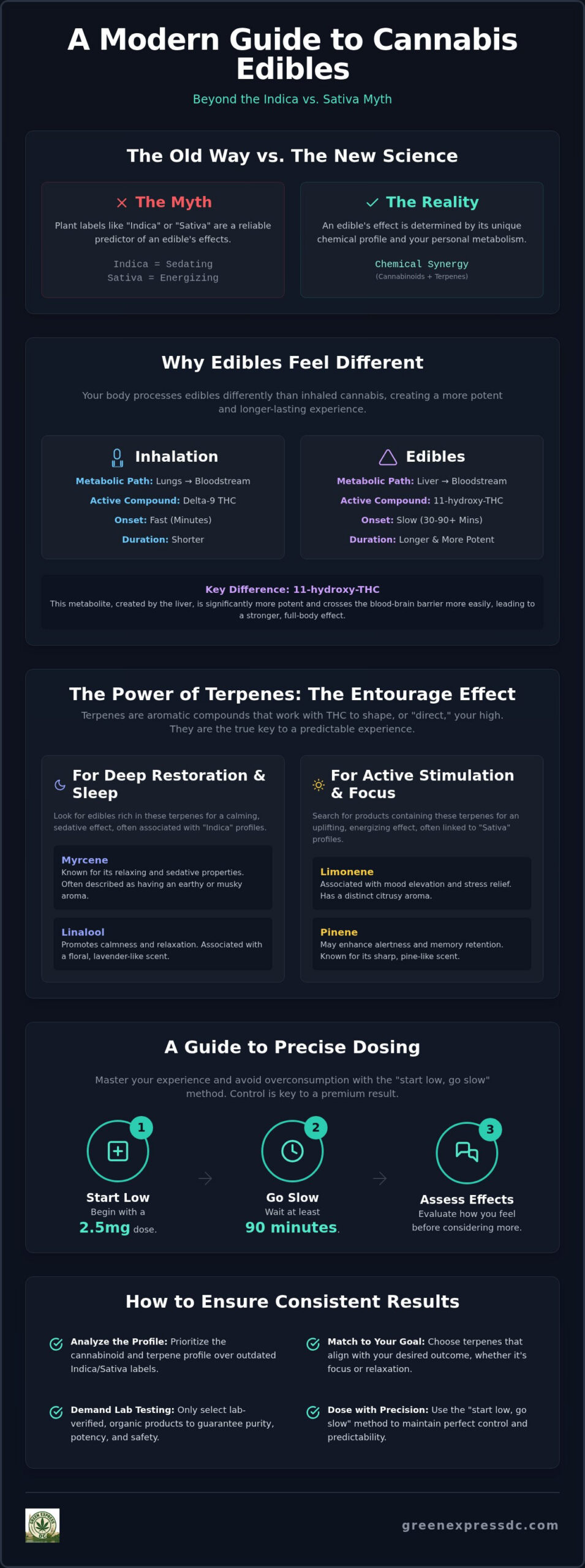
Historically, the taxonomy of Cannabis (drug) divided the plant into two primary categories. Sativas were tall plants from warm climates, while Indicas were short, bushy plants from colder regions. This led to the common belief that Sativas provide energy and Indicas provide sedation. While the traditional classification of indica vs sativa edibles remains popular for marketing, savvy consumers look deeper into the lab reports. Modern science now favors “chemovars,” or chemical varieties. Premium lab-tested products prioritize these chemical profiles over botanical labels to guarantee purity. This shift allows for a more clinical approach to cannabis consumption, moving the conversation away from outdated stereotypes and toward a sophisticated understanding of how specific compounds interact with your body.
Why Edibles React Differently Than Smoking
The way your body processes an edible differs significantly from inhalation. When you smoke, THC enters the bloodstream through the lungs for an immediate effect. With edibles, the liver converts Delta-9 THC into 11-hydroxy-THC during digestion. This metabolite is more potent and crosses the blood-brain barrier more efficiently than its inhaled counterpart. It creates a longer-lasting, more intense experience that affects the entire body. This explains why an “Indica” gummy can feel much heavier and more physical than a few puffs of flower. For a deeper look at these mechanics, consult our Modern Guide to Cannabis Edibles. Understanding this metabolic shift is essential for avoiding overconsumption. Professional-grade edibles rely on this science to deliver a seamless, high-tier experience. This level of transparency ensures you remain in control of your day and your wellness routine.
The Science of the High: How Terpenes Shape Your Edible Experience
The true distinction in indica vs sativa edibles is found in the “entourage effect.” This biological phenomenon occurs when cannabinoids like THC and CBD work in synergy with aromatic terpenes to produce a specific physiological outcome. While THC provides the primary psychoactive foundation, terpenes act as the directors of the experience. They determine whether the effect is restorative or stimulating. High-tier edibles prioritize full-spectrum extracts or live resin to preserve these volatile compounds. In contrast, mass-market products often use distillate, which strips away terpenes and results in a “hollow” high that lacks character and predictability.
Most consumer guides fail to mention how edible metabolism interacts with these chemical profiles. When the liver converts THC into 11-hydroxy-THC, the experience becomes more intense and long-lasting than smoking. The presence of preserved terpenes is critical because they help modulate this intensity. If the extraction process is too aggressive, the therapeutic nuances of the plant are lost. Professional-grade products ensure these compounds survive the infusion process, providing a seamless transition from the initial onset to the peak effect. For those seeking a reliable, sophisticated result, choosing premium lab-tested edibles is the only way to guarantee chemical consistency.
Myrcene and Linalool: The Sedative Powerhouses
Myrcene is the most abundant terpene in the cannabis plant. It is known for enhancing cannabinoid uptake across the blood-brain barrier, which deepens the physical “body high” often sought in indica-leaning products. Linalool, a terpene also found in lavender, serves as a primary driver for stress reduction and nervous system support. Together, these compounds create the gold standard for nighttime recovery. They facilitate deep, restorative sleep without the lingering grogginess associated with synthetic alternatives. This combination is ideal for professionals looking to decompress after high-stakes days.
Limonene and Pinene: Elevating the Professional Mindset
Limonene offers a bright, citrus-forward profile focused on mood elevation and anti-anxiety. It provides a clean, uplifting sensation that is perfect for social engagement or creative problem-solving. Pinene, conversely, promotes mental clarity and alertness. It is particularly valued because it can counteract some of the short-term memory suppression occasionally caused by THC. Choosing sativa-leaning profiles rich in these terpenes allows for a discreet, functional experience that enhances your daytime routine. These profiles support a sharp, focused mindset while maintaining the privacy and convenience that edibles provide.
Choosing Your Profile: Matching Edibles to Your DC Lifestyle
In the high-stakes environment of Washington, DC, selecting indica vs sativa edibles is a strategic decision. Professionals from Georgetown to Capitol Hill increasingly use a “Jobs to be Done” framework to choose products that align with their daily objectives. You wouldn’t use a sedative before a high-profile networking event, nor would you choose a stimulant for late-night recovery. Precision is the foundation of a premium experience. Reliability is essential for maintaining your schedule. Lab-verified purity ensures you stay in control of your performance and your privacy at all times.
Indica for Recovery and Sleep
The “Nightcap” strategy focuses on deep restoration after demanding hours. Indica-leaning edibles are the preferred choice for post-gym recovery, managing chronic stress, or addressing persistent insomnia. These products provide a grounding, physical sensation that helps the mind disengage from complex professional tasks. You must account for the “creeper” effect, however. Because digestion is a slow process, the onset is often gradual and builds over time. If your schedule requires a faster transition into relaxation, it is helpful to compare Edibles vs Tinctures DC for sublingual alternatives that bypass the traditional digestive timeline for quicker results.
Sativa and Hybrids for Focus and Creativity
When attending social events or embarking on creative projects, the “Social Facilitator” profile is more effective. Sativa-leaning edibles offer an uplifting, cerebral experience that can mitigate social anxiety without the risk of sedation. To avoid a “racy” or overstimulated feeling, many experts recommend low-dose sativas for sustained focus. This method maintains mental clarity and alertness during social interactions or weekend exploration. Balanced hybrids are also gaining traction among the DC elite. They provide a versatile experience, offering mild euphoria paired with a steady sense of calm. This balance makes them a reliable tool for navigating the multifaceted demands of a modern lifestyle.
Selecting the right profile is only the first step. In a market where inconsistent products are common, lab-verified results are a non-negotiable requirement for safety. Premium edibles ensure that the THC potency matches the label exactly. This transparency removes the guesswork and prevents the anxiety of overconsumption. It also guarantees that your product is free from harmful contaminants or pesticides. By choosing a trusted, discreet delivery service, you prioritize your wellness while protecting your professional reputation. Consistency is the ultimate gold standard in the world of high-end cannabis. For a comprehensive breakdown of how to identify truly verified options, our guide to buying lab-tested organic edibles in DC covers the critical differences between regulated and unregulated markets in 2026.
A Guide to THC Gummies Dosing for Optimal Results
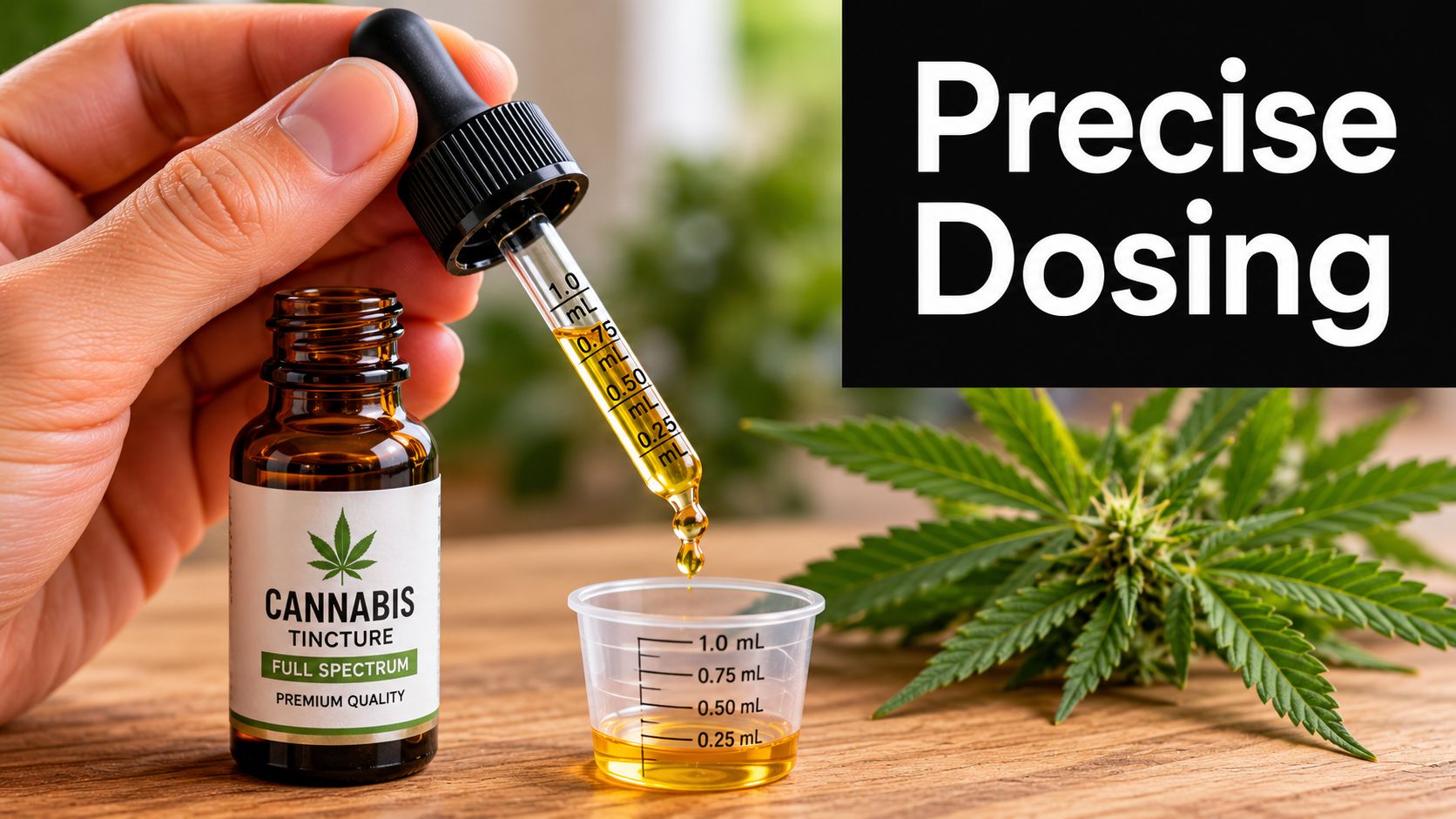
Precision is the cornerstone of a premium cannabis experience. When evaluating indica vs sativa edibles, your personal dosage is the most critical variable you can control. The golden rule for any professional is to start low and remain patient. Begin with 2.5mg to 5mg of THC. You must wait at least 90 minutes before considering a second serving. This waiting period is essential because the liver processes cannabinoids slower than the lungs. Rushing the process often leads to overconsumption and an uncomfortable experience.
Several biological factors influence how your body reacts to a specific dose. Your metabolic rate, body weight, and recent meals play significant roles in onset and duration. Consuming an edible on an empty stomach often results in a faster, more intense peak. Conversely, a meal high in healthy fats can improve the absorption of fat-soluble THC while delaying the initial onset. To ensure total accuracy, always review a lab-verified Certificate of Analysis (COA). This document confirms the exact potency and purity of your product. It removes the guesswork that plagues lower-quality alternatives.
If you find you have consumed more than intended, do not panic. The sensation is temporary. Focus on deep breathing and stay hydrated with water. Pure CBD can also help modulate the intensity of the THC. Some professionals find that chewing on black pepper provides relief. This is because black pepper contains caryophyllene, a terpene that interacts with the same receptors as THC to provide a grounding effect. For those ready to explore our curated selection, you can order lab-tested edibles for discreet delivery.
The Microdosing Framework (1mg – 5mg)
Microdosing is the preferred method for high-functioning DC professionals. It involves taking between 1mg and 5mg of THC to achieve a subtle mood lift or a slight reduction in physical tension. This level of consumption does not cause significant impairment. It allows you to remain sharp, focused, and productive throughout a creative session or a social event. It provides the benefits of the plant without the heavy sedative effects often associated with higher doses.
The Standard Therapeutic Dose (5mg – 15mg)
A dose between 5mg and 15mg is considered the standard therapeutic range for established users. At this level, you will notice distinct euphoria and strong physical relaxation. It is highly effective for managing significant pain or facilitating deep, restorative sleep. Because the effects are more pronounced, we recommend using this dose in a safe, familiar environment. It is the ideal choice for a weekend reset or a dedicated evening of recovery.
High-Potency Dosing (20mg+)
Doses exceeding 20mg are reserved strictly for experienced users with a high physiological tolerance. High-potency THC gummies offer profound rewards for those with specific needs, but they carry a higher risk of intense psychoactive effects. If you are an advanced user seeking a more concentrated experience, consult our specialized guide on THC Gummies Dosing for professional protocols on high-potency consumption. Always prioritize safety and environmental comfort when exploring these elevated levels.
Premium Edible Delivery in DC: The Green Express Standard
Selecting between indica vs sativa edibles is only effective if the product itself is reliable. In Washington, DC, the source of your cannabis is as important as the strain profile you choose. Street-level gifts often lack the rigorous testing required for a predictable experience. Green Express DC establishes a higher standard by providing lab-verified, organic edibles designed for a professional clientele. We focus on purity and potency to ensure your results are consistent every time. Our service removes the risk associated with gray-market alternatives. We prioritize your health and your peace of mind.
Our delivery model operates like a high-end concierge service. We offer 24/7 service availability to accommodate the demanding schedules of DC professionals. Our streamlined ordering process is built for efficiency and speed. We provide same-day delivery across the District and Northern Virginia, ensuring you never have to wait for the relief or focus you need. Every interaction is designed to be seamless and secure.
Discreet Service for the DC Professional
Privacy is a non-negotiable requirement for our clients. We use unmarked packaging and professional couriers to maintain total discretion. Our delivery network covers key areas including Georgetown, Capitol Hill, and the Navy Yard. We also serve professionals in Arlington and Alexandria, adhering to all 2026 delivery regulations. You receive your order with the same level of privacy you would expect from any premium service. This commitment allows you to integrate cannabis into your lifestyle without compromising your professional reputation.
Verified Quality You Can Trust
Quality control is the foundation of our brand. Every product in our catalog is lab-tested for pesticides, heavy metals, and exact cannabinoid content. This testing ensures that when you choose indica vs sativa edibles, the effects align perfectly with your goals. We stand behind our curated selection with a top-shelf guarantee. If the quality does not meet our rigorous standards, we offer a full refund. This level of transparency is rare in the DC market. Browse our premium edible menu for same-day delivery to secure lab-tested products that you can trust for daily use.
Elevate Your Standards for Cannabis Selection
Mastering the nuances of indica vs sativa edibles is about more than just choosing a label. It’s about understanding the synergy between terpenes and your body’s metabolism. We’ve explored how chemical profiles like Myrcene and Limonene dictate your experience, and why precise dosing is the foundation of a predictable result. You deserve a product that matches your professional standards without the uncertainty of gray-market alternatives.
Green Express DC provides 100% organic ingredients and lab-verified potency for absolute consistency. Our 24/7 same-day delivery ensures you have access to top-shelf quality whenever your schedule allows. You can now experience the difference of lab-tested, premium edibles with Green Express DC delivery. Take the guesswork out of your wellness routine and enjoy the precision of a gold-standard service. Your journey toward a more refined and controlled experience starts today.
Frequently Asked Questions
Is there a real difference between indica and sativa edibles?
Yes, the difference in indica vs sativa edibles lies in the specific terpene and cannabinoid profiles preserved during the extraction process. Indica-leaning products prioritize sedative compounds like Myrcene to facilitate physical relaxation and rest. Sativa profiles emphasize uplifting terpenes like Limonene for mental clarity and focus. These chemical variations determine your physiological outcome and ensure a tailored experience that fits your specific needs.
How long do the effects of THC gummies last?
The effects of THC gummies typically last between 6 and 8 hours once they’ve fully set in. This duration varies based on your metabolic rate, body weight, and whether you’ve eaten a meal recently. Because your liver converts THC into the more potent 11-hydroxy-THC, the experience is significantly more sustained and intense than traditional smoking or vaporizing. It’s a long-lasting solution for extended relief.
What is the best dose for a beginner taking THC gummies?
A dose of 2.5mg to 5mg is the recommended starting point for any beginner. This microdose allows you to assess your personal tolerance without the risk of overconsumption or anxiety. It provides a subtle introduction to the benefits of the plant while ensuring you remain in total control. Always wait at least 90 minutes before deciding to increase your intake for the best results.
Can I get edibles delivered discreetly in Washington DC?
Yes, Green Express DC provides professional, unmarked delivery throughout the Washington DC area. Our couriers specialize in discreet service for professional clients in high-profile neighborhoods like Georgetown and Capitol Hill. We prioritize your privacy by using secure, non-descript packaging for every order. This ensures your delivery remains a private matter from the moment you order until it arrives at your door.
Will indica edibles make me feel groggy the next morning?
Morning grogginess is generally caused by an excessive dose or poor timing rather than the strain itself. When you use a precise, lab-verified dose of an indica profile, you’ll wake up feeling refreshed and restored. Selecting organic, top-shelf ingredients reduces the likelihood of the “hangover” effect often associated with lower-quality products. Consistency in your dosing routine is the ultimate key to morning clarity.
How long should I wait before taking more edibles?
You must wait at least 90 to 120 minutes before considering an additional dose of any edible. Digestion is a slow process, and the onset of effects can be delayed by a recent meal or your individual metabolism. Patience is the most effective way to avoid the physical discomfort that comes with consuming too much too quickly. Let the first dose fully peak before adding more.
What is the difference between full-spectrum and distillate edibles?
Full-spectrum edibles preserve the entire range of cannabinoids and terpenes found in the plant, which is essential for the indica vs sativa edibles distinction. Distillate products use isolated THC, which lacks these important therapeutic nuances. We focus on full-spectrum and live resin options to ensure a sophisticated, multi-dimensional high that reflects the plant’s natural profile and provides more predictable, well-rounded effects.
Are Green Express DC edibles lab-tested for safety?
Every edible product we carry is rigorously lab-tested for safety, purity, and potency. We’ve verified that each item is free from heavy metals, pesticides, and harmful contaminants through independent testing. This commitment to transparency allows our professional clientele to order with complete confidence. You’ll always know exactly what you’re consuming when you choose our curated, top-shelf selection for your wellness routine.