Posted on

DC Best Cannabis Store: Your Guide to Delivery in 2026

You're probably in one of three situations right now. You're in DC and want something reliable without wandering into a legal gray area. You live in Maryland or Virginia and you're trying to figure out what's possible when you're in the District. Or you've searched for the DC best cannabis store and found a pile of pages that say “fast” and “top shelf” without telling you what matters.

What matters is simple. You need a service that's easy to use, clear about the rules, careful with product quality, and consistent about delivery. In DC, that matters more than flashy branding because the local market is established but still compact, and convenience often decides where people order.

Navigating the Search for DC's Best Cannabis

You land in DC, open your phone, search for the best cannabis shop, and get a wall of pages promising top shelf flower, fast drop-offs, and easy ordering. That still leaves the main question unanswered. Which option works under DC rules, shows you what you're buying, and delivers without turning the process into a guessing game?

That confusion comes from how DC cannabis operates in practice. Adult-use possession is legal in the District, but buying and delivery work through a more specific system than many visitors and first-time buyers expect. If you live in Maryland or Virginia, that matters even more. A DC-based service can serve you when you are in DC, but it does not mean cannabis delivery runs freely across the whole DMV.

The local market is active, and delivery clearly matters to buyers here. Analysts at CannaBusinessPlans found in their Washington, DC cannabis market analysis that delivery orders outpaced in-store purchases on average in 2023. That lines up with what I see on the ground. People in DC usually want a service that is clear, consistent, and easy to use, not one that forces them to decode vague menu language or chase updates.

Why search results often feel useless

A lot of pages targeting “DC best cannabis store” are built to rank, not to help. They talk about speed and selection, then skip the practical checks that decide whether your order goes smoothly.

Start with these questions:

  • Can you order in a way that fits DC rules?
  • Does the service clearly explain where it delivers in the District?
  • Can you review product details before paying?
  • Will the process work for your address, hotel, Airbnb, or temporary stop in DC?

Those details matter more than a flashy homepage. A smaller, reliable operation with clear product info and consistent delivery is usually the better call.

The DMV angle matters

A lot of buyers from Virginia and Maryland get tripped up. The smart move is to separate where you live from where the transaction happens. If you are in DC, a DC delivery service can be the practical option. If you are outside the District, you need to understand the limits before you place an order.

That is why clear local guidance helps. If you want the rules explained in plain English before ordering, start with this guide on how to buy weed in DC. Green Express DC stands out because the process is straightforward, the service area is clearly defined, and the ordering experience is built for people who want quality without unnecessary friction.

What Defines the Best DC Weed Delivery Service

A good DC cannabis service does four things well. It verifies what it sells, explains what you're buying, delivers when it says it will, and doesn't make the process awkward. Anything less creates friction fast.

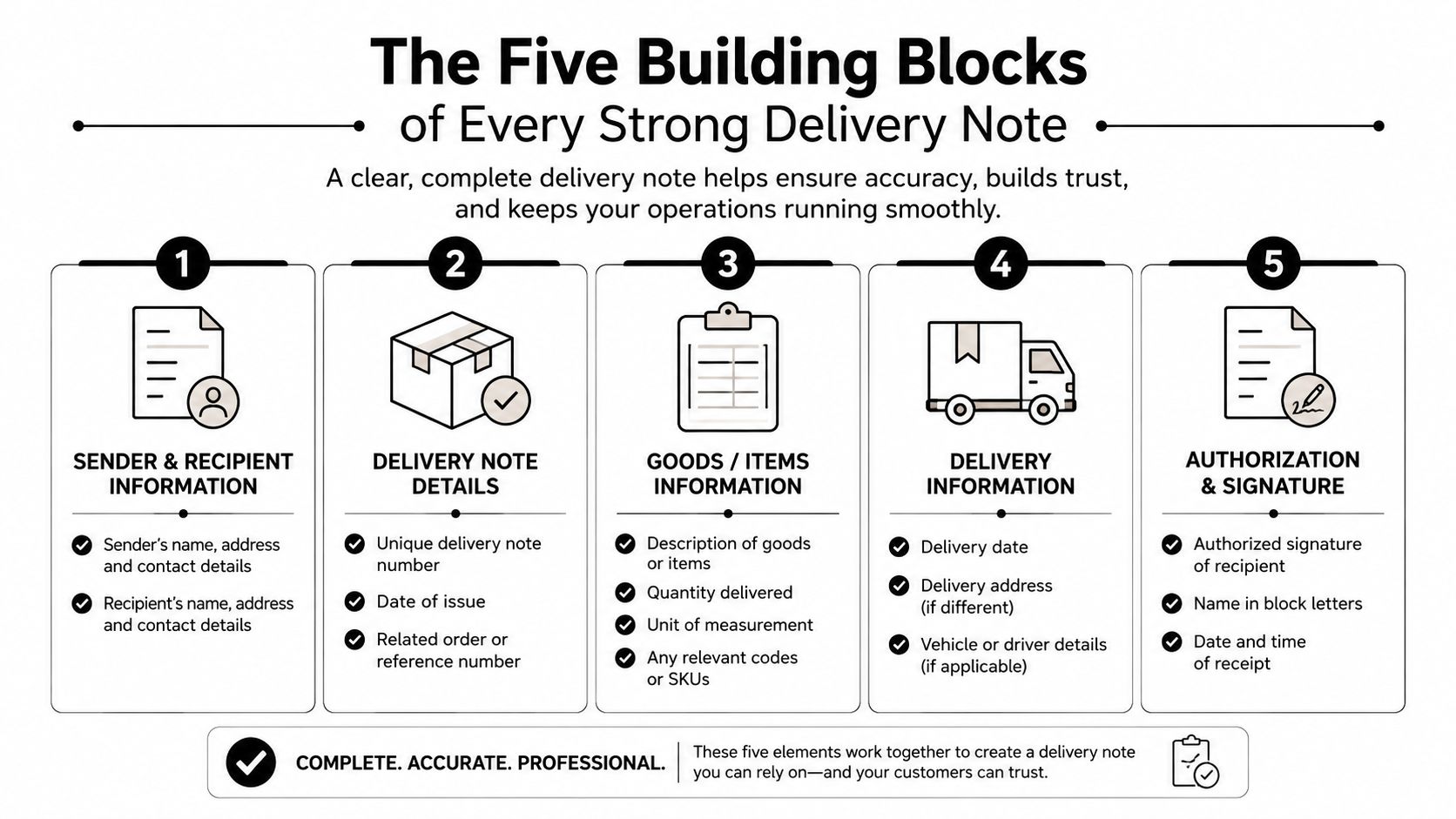
An infographic titled Defining DC's Best Cannabis Delivery Service comparing key strengths against common pitfalls to avoid.

Product safety comes first

If you're comparing providers, start with the product itself. For a DC store to be legally sound and safer for consumers, products should be lab-tested and sold with labels that include strain details, THC/CBD content, and dosage instructions, as explained by Firehouse DC's product safety guidance. That's especially important with edibles and concentrates, where guessing potency is how people end up having a bad night.

A lot of buyers focus on strain names first. That's backward. Strain branding can help, but clean labeling tells you more. You want to know what's in the product, what form it takes, and how to dose it without trial-and-error.

Reliability beats a giant menu

A huge menu doesn't mean much if fulfillment is sloppy. In DC, legal operating hours shape delivery windows, so a serious service plans around dispatch, route timing, ID checks, and handoff logistics. The best services don't just offer products. They run a disciplined process.

Here's what usually separates a dependable operation from a frustrating one:

  • Clear menu organization: Flower, vapes, concentrates, edibles, and tinctures should be easy to compare.
  • Responsive support: If you have a question about product type or order timing, someone should answer it directly.
  • Discreet delivery: Packaging and handoff should feel normal, not chaotic.
  • Consistent sourcing: Repeat orders shouldn't feel like rolling the dice.

Practical rule: If a seller can't explain potency, dosing, or what's actually in the product, move on.

What doesn't work

The weak options all fail in familiar ways. They blur the legal details. They rely on vague menu descriptions. They make timing sound easy until you're stuck waiting. And they don't help new buyers choose between a fast-onset inhaled product and a slower edible.

That's why the “best” in DC best cannabis store shouldn't mean the loudest claim. It should mean the lowest risk of confusion, delay, and mismatch between what you ordered and what you expected.

A Look Inside the Green Express DC Menu

If you browse a delivery menu the right way, you can tell quickly whether it's built for real shoppers or just stuffed with names. The useful menus make product choice easier. They don't force you to decode everything from brand language alone.

One service that fits that practical model is Green Express DC delivery service. The menu is built around the categories frequently sought by customers: flower, concentrates, vapes, edibles, tinctures, and prerolls.

A display featuring various cannabis products including flower jars, vape pens, gummies, and dark chocolate bars.

Flower for people who know what they like

Flower is still the easiest place to start if you want control over pace and effect. On a strong menu, you'll usually see indica, sativa, hybrid, and preroll options organized in a way that helps you shop by preference instead of just by hype.

If you like a slower evening and want to take a few pulls and stop, flower often gives you more control than an edible. If you want convenience and less prep, prerolls make sense. The good menus don't bury those differences.

Concentrates and vapes for experienced users

Concentrates are where menu quality matters a lot more. The common forms include shatter, live resin, wax, and rosin. These products appeal to buyers who want stronger effects, fuller flavor, or a more concentrated format. They're not the place to guess.

Vapes sit in the middle for a lot of people. They're portable, discreet, and easy to dose in small increments. A strong menu makes it obvious whether you're looking at disposables or cartridges so you don't order the wrong format.

If you already know you prefer inhaled products, vapes usually win on convenience while flower wins on ritual and variety.

Edibles, tinctures, and specials

Edibles work well for people who don't want to smoke, but they demand patience. Menus that include gummies, chocolates, or lines like Buddha Buddy are appealing because they give you a familiar format, but the primary value is knowing the labeled potency and serving information before you buy.

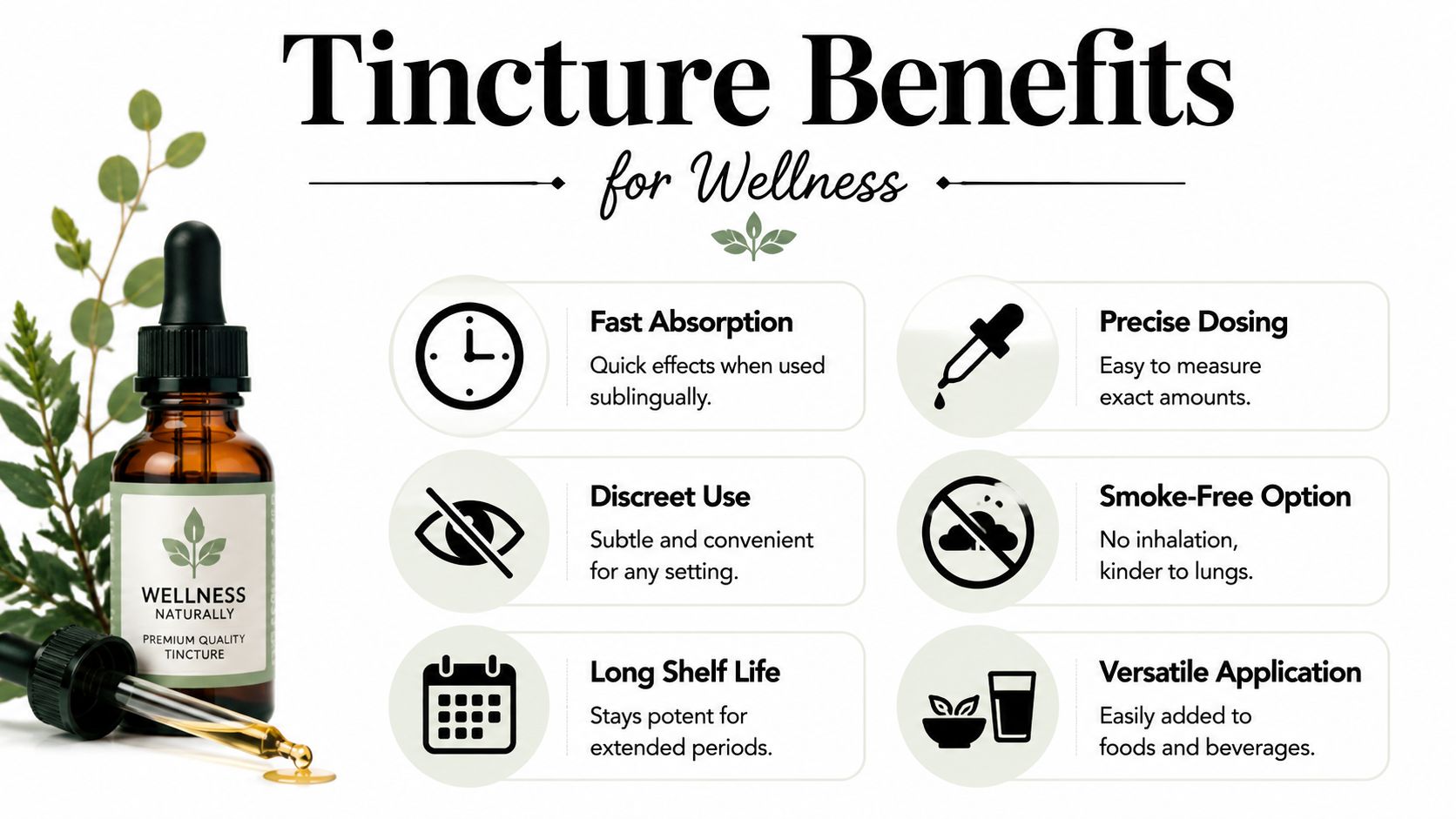
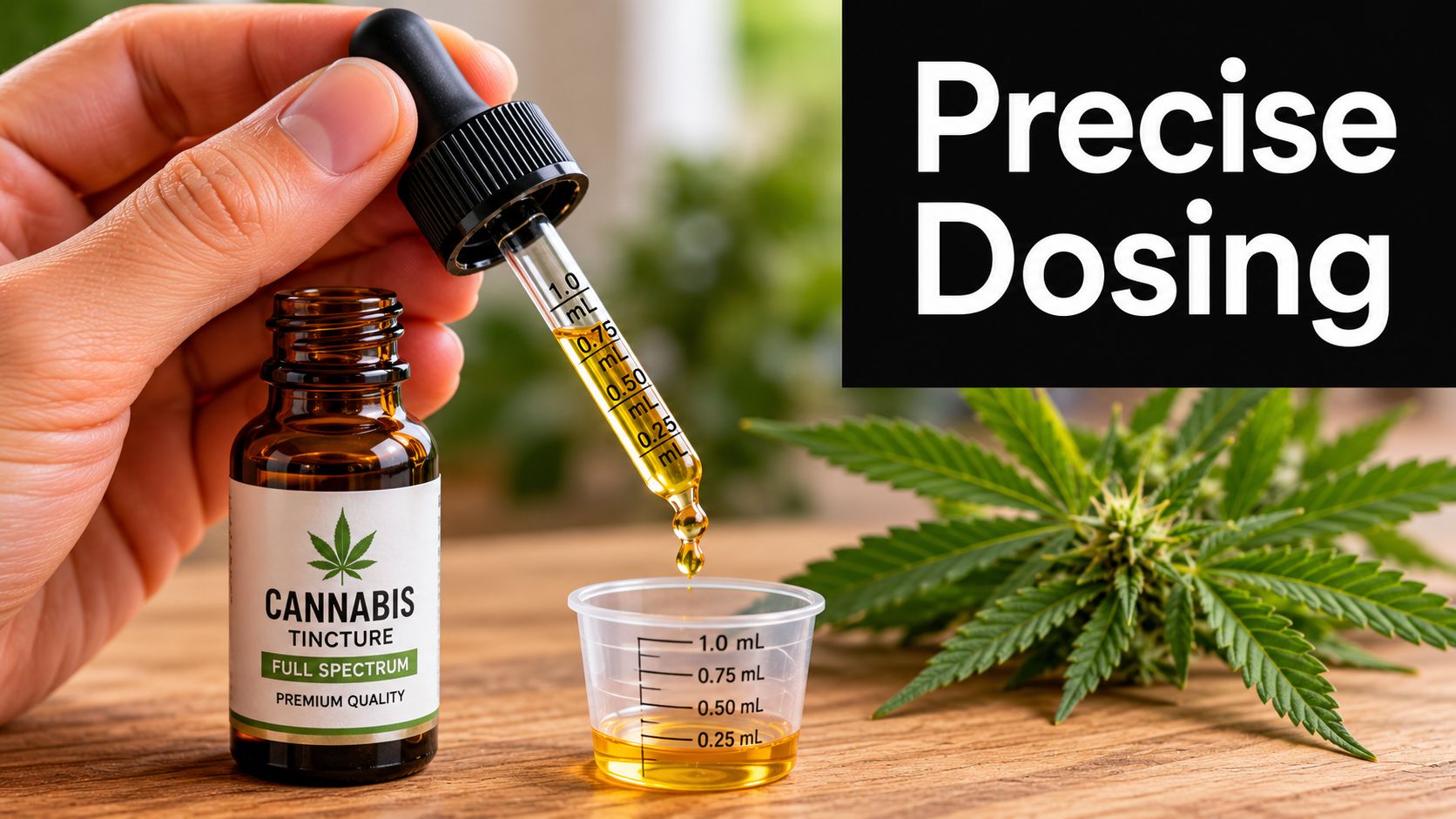
Tinctures deserve more attention than they usually get. They're useful for buyers who want a measured option that doesn't involve inhaling. They also make it easier to stay consistent if you're trying to repeat the same experience.

A practical menu also gives budget-conscious buyers some room to work. That includes rotating specials, bundle offers, and category deals. The useful part isn't the promotion itself. It's that you can shop for value without having to downgrade into mystery products.

Product type Best fit What to watch
Flower Buyers who want flexible pacing Strain info and freshness
Vapes Buyers who want convenience and discretion Device type and labeling
Concentrates Experienced users Potency and careful dosing
Edibles Smoke-free use Slow onset and portion size
Tinctures Controlled, measured use Serving instructions

Your Step-by-Step Guide to Cannabis Delivery

You're in DC for the night, you want something reliable, and you do not want to waste an hour guessing which service is organized. The fastest way to avoid a bad order is to treat delivery like any other purchase. Know what you want, use a valid DC drop-off address, and be ready when the driver arrives.

A five-step guide on how to order cannabis delivery online from Green Express DC for fast service.

Step 1, choose the format before you shop

Start with the product type, then compare options inside that category. That keeps the order focused and cuts down on impulse buys that do not match the experience you want.

A practical way to choose:

  • Flower or vape: easier to control session by session
  • Edible or tincture: good for people avoiding smoke or smell
  • Concentrate: stronger option for experienced users
  • Preroll: simple for sharing or low-effort use

If you are ordering edibles, factor in timing before checkout. Green Express DC has a useful guide on how long edibles take to kick in so you can match the product to your plans instead of guessing.

Step 2, build the order around the delivery rules

Problems can arise if terms are not considered. Green Express DC uses a $50 minimum and cash on delivery, so it helps to build the cart with those terms in mind from the start.

For a solo order, that may mean sticking to one category instead of trying a little of everything. For a group or a weekend supply, it usually means combining products in a way that clears the minimum without turning the order into clutter.

Use a DC address where the handoff will be easy. Apartments, houses, and hotels can all work if the details are clear and you can receive the order without delay.

Step 3, order during the real service window

Late-night demand is one issue. Legal operating hours are the other.

As noted earlier, licensed delivery in DC runs inside an approved daily service window. If you wait until the end of the night, availability depends on both order volume and the time the retailer can legally complete the delivery. The practical move is simple. Order earlier than you think you need to.

This matters across the DMV. Residents of Maryland and Virginia can use a DC-based service while they are physically in the District and able to accept delivery there. A DC service is not a workaround for cross-border delivery.

DMV rule of thumb: If you live in VA or MD, plan the order for a DC location where you will actually be present.

Step 4, make the handoff easy

Delivery usually goes well when the customer does the basics right. Have your valid government ID ready, keep your phone nearby, and be specific with building access details.

I have seen more delays caused by bad instructions than by traffic.

Use this checklist before you submit the order:

  1. Enter the full DC address
  2. Add hotel, apartment, or lobby details if needed
  3. Stay available by phone
  4. Keep cash ready
  5. Meet promptly at drop-off

For a quick visual walkthrough, this short video covers the ordering flow:

Step 5, understand how DC delivery fits the whole DMV

A lot of confusion comes from the phrase "DMV delivery." In practice, the useful part for Maryland and Virginia residents is access to a strong DC menu while they are in Washington, not unrestricted delivery across state lines.

That setup works well for commuters, hotel guests, weekend visitors, and anyone spending time in the city. If you are in Arlington, Alexandria, Bethesda, Silver Spring, or Rockville, the cleanest plan is to place the order for a District address, stay on-site, and follow the instructions closely.

That is the most reliable way to get high-quality product from a DC service without legal confusion or missed delivery attempts.

Safe Dosing and Tips for New Cannabis Users

The safest cannabis purchase is the one you can dose predictably. That's why product labeling matters so much in real life. Knowing the form, potency, and serving guidance helps you avoid the most common beginner mistake, which is taking more before the first dose has fully hit.

Start low and go slow

That advice sounds generic until you apply it. For flower or vapes, starting low means taking a small inhale, waiting, and checking how you feel before taking more. For edibles, it means taking a modest portion and giving it plenty of time.

A lot of bad experiences come from mixing those two timelines up. Inhaled products usually feel faster. Edibles usually take longer and last longer. If you treat an edible like a vape, you can overdo it before the full effect arrives.

Start with one product type per session. Don't stack a vape, edible, and tincture together if you're still learning how your body responds.

Match the format to the situation

Different formats solve different problems. If you're anxious about taking too much, flower and vapes often give you more step-by-step control. If you don't want to smoke, tinctures can be easier to measure than guessing with a homemade portion. Edibles work well for some people, but they require the most patience.

Here's a practical approach:

  • Flower: Easier to titrate slowly
  • Vape: Discreet and controlled in small pulls
  • Edible: Longer wait, longer ride
  • Tincture: Measured use with more precision
  • Concentrate: Better left to experienced users

Set yourself up for a smoother first session

Your environment matters. Use cannabis somewhere you can sit down, hydrate, and stay put for a while. Don't make your first test run the same night you have social plans, travel, or anything that requires sharp timing.

If you're choosing edibles, this guide on when edibles kick in is worth reading before you dose. It helps you avoid the classic mistake of deciding “it's not working” too early.

Also keep it simple. One product, one setting, one session. That makes it much easier to learn what works for you.

Answering Your Top Questions About DC Cannabis

Do I need a medical card if I'm an adult visiting DC

If you're sorting through DC search results, the most important thing is understanding which type of service you're using and what rules apply to it. Don't assume every cannabis business in the city works under the same model. Check the terms, the ordering process, and the ID requirements before you place an order.

Can I get delivery if I live in Maryland or Virginia

You can use a DC-based service when you are in Washington, DC and can receive the delivery there. For many Maryland and Virginia residents, that means ordering to a hotel, a friend's place, or another District address where you'll be present for the handoff.

Can delivery come to a hotel or Airbnb in DC

Often, yes, if the location allows straightforward access and you can meet the courier with valid ID. The key is giving clear delivery details and staying available by phone.

What payment method should I expect

Green Express DC uses cash on delivery. Have the payment ready so the handoff stays quick and smooth.

What makes one option better than another

For most buyers, it comes down to four things: clear product information, legal compliance, dependable communication, and a menu that matches how they consume. That's what turns a random order into a repeatable process.


If you want a simple way to order premium cannabis in the District, Green Express DC offers a straightforward delivery option for adults 21+ with lab-tested products, a curated menu, discreet drop-off, and clear ordering policies that are easy to follow.

Posted on

What Is Cash on Delivery? Your DC Cannabis Guide

Cash on delivery is a mainstream payment model, not an odd exception. In online food delivery alone, the global COD segment was valued at US$93,264.7 million in 2024 and is projected to reach US$122,998.5 million by 2030, a projected 4.2% CAGR from 2025 to 2030.

If you're ordering cannabis delivery in Washington, DC, that checkout option usually means something simple and normal. You place your order, the courier arrives, your ID is verified, and you pay at handoff. In the District's cannabis gifting environment, that's the practical way to complete a transaction without forcing customers into payment systems that often don't fit market conditions.

A lot of people run into this for the first time when they're ready to check out and see "Cash on Delivery" instead of Apple Pay or a card form. That can feel old-fashioned if you're used to paying online for everything else. In cannabis delivery around DC, Maryland, and nearby Virginia customers meeting in the District, it's usually the opposite. COD is the cleaner, more transparent option.

Understanding Payments in the DC Cannabis Scene

A typical first order goes like this. You browse a menu, find the flower or vape you want, add it to cart, and then pause when checkout asks for cash on delivery. The first instinct is often to wonder whether something is off.

Usually, nothing is off at all.

In the DC cannabis space, COD is a familiar handoff process. You arrange the order, the courier brings it, and payment happens when the order is physically delivered. That's easy to understand, and for many customers, it feels more comfortable than prepaying for a regulated product through a payment flow they don't fully trust.

Why this feels unusual at first

Most online shopping trained people to expect instant card payments. Cannabis delivery in DC works differently because the transaction has to fit a very specific operating environment. That changes how checkout is built and how the final exchange happens.

For new customers, the useful takeaway is this:

  • You're not paying into a vague system online. You pay when the courier arrives.
  • You can keep the exchange straightforward. Order, confirm, verify ID, pay, receive.
  • You can treat it like a normal local delivery process. The main difference is the timing of payment.

COD remains a major global payment method. It represented about 15% of global eCommerce payment transactions in 2023, and in some markets it can account for up to 70% of online sales, with preference reaching 90% in some tier 2 and tier 3 cities, according to this cash on delivery market overview.

That broader context matters. COD isn't a workaround invented for one corner of retail. It's a payment model people keep using when trust, convenience, and payment access matter. If you're looking at weed delivery in DC, seeing COD at checkout should read as standard operating practice, not a red flag.

What customers usually care about most

Those asking "what is cash on delivery" aren't looking for a finance definition. They want to know whether the process is safe, simple, and normal. In DC cannabis delivery, the answer is yes when you're dealing with an established service and following the usual age-verification process.

How Cash on Delivery for Weed Works Step-by-Step

The easiest way to understand COD is to walk through the handoff from start to finish.

How Cash on Delivery for Weed Works Step-by-Step

The order starts online, but payment doesn't

You browse the menu, choose your products, and submit the order. At checkout, you select cash on delivery instead of prepaying. After that, you receive a confirmation and an estimated arrival window.

That timing matters because COD is a deferred settlement model. The payment isn't completed at checkout. It happens when the courier reaches you, and the courier acts as a collection agent before funds are remitted back to the seller, as explained by the U.S. Chamber overview of cash on delivery.

What happens at the door

When the courier arrives, the exchange is usually quick and routine:

  1. The courier confirms the delivery details. This keeps the handoff orderly and avoids confusion.
  2. You present a valid government-issued ID showing you're 21+. Age verification is part of the process, not an optional extra.
  3. You hand over the cash payment. In DC cannabis delivery, customers should expect literal cash unless the service clearly says otherwise.
  4. You receive the order. Payment and possession happen at the point of handoff.

That structure is why COD feels familiar once you've done it once. It's not very different from other delivered goods except that ID verification is central and payment happens at the end.

For a visual walkthrough, this short explainer helps:

What works and what doesn't

A smooth COD delivery usually comes down to a few practical habits:

  • Have your phone nearby. Drivers may need to confirm arrival or clarify the meeting point.
  • Keep your ID ready before the courier gets there. That avoids awkward delays at the door.
  • Have your payment prepared. Counting bills after the courier arrives slows down the exchange.
  • Use a clear, reachable delivery location. Complicated handoffs create unnecessary friction.

Practical rule: COD works best when the customer treats the delivery like a scheduled handoff, not a loose arrival window they can half-ignore.

What doesn't work is placing the order and then becoming hard to reach, forgetting ID, or assuming the courier can wait around while you find cash. COD is simple, but it rewards being prepared.

The Legal Reasons COD Dominates the DMV Market

COD makes the most sense in the DMV once you look at the legal and banking reality around cannabis. Customers often think cash-only delivery is a preference. In practice, it's often the clearest operational answer to a complicated setup.

The Legal Reasons COD Dominates the DMV Market

Why online cannabis payments are harder than they look

In Washington, DC, adult-use cannabis operates under rules that don't line up neatly with standard eCommerce payment rails. That matters for local delivery. Card processors and major payment platforms are built for conventional retail sales. Cannabis businesses often can't rely on those systems the same way a restaurant or clothing store can.

That's why cash remains so common. COD lets the order be arranged ahead of time while keeping the actual payment at the point of physical transfer. In the DC gifting environment, that structure is easier to manage than trying to force everything through a standard online payment stack.

COD is bigger than cannabis

It's also important not to treat COD like a fringe practice. According to Grand View Research's cash on delivery data for online food delivery, the global COD segment in that category was valued at US$93,264.7 million in 2024 and is projected to reach US$122,998.5 million by 2030, with Asia Pacific as the largest revenue-generating region in 2024 and India projected to post the highest CAGR through 2030.

That doesn't prove anything specific about DC law by itself. What it does show is that COD is an established logistics and payment system used at scale. For cannabis delivery in the District, it's a practical fit for a market where compliance and payment processing don't work like ordinary retail.

The right way to read COD in the DMV is not "Why can't I just pay online?" It's "What payment method actually fits the rules, the banking limits, and the handoff process?"

Customers in Virginia and Maryland run into this too when they're shopping DC options. The key point is that DC's rules drive the payment method. If you're researching I-71 compliant shops in DC, COD is part of how the local market stays operational without pretending cannabis checkout works like standard national eCommerce.

Customer Benefits and Practical Considerations of COD

Customers usually judge COD on one question. Is it better for me than paying online? In the DC cannabis context, it often is, but it's not perfect.

Why many customers prefer it

The biggest customer-side advantage is control. You don't have to push money through a questionable payment flow before the courier arrives. The handoff happens first, then the payment.

Logistics guidance also notes that COD reduces buyer anxiety because payment is made only after the product is in hand. That inspection-before-payment model is one reason it remains popular with cautious buyers, as described in CEVA's explanation of cash on delivery.

A second advantage is privacy. Cash doesn't create the same kind of visible digital payment trail that card transactions do. For many cannabis customers, that's not a small detail.

The part customers need to plan for

The trade-off is convenience. Cash is simple, but only if you have it ready. If you need to find an ATM at the last minute or you're short on the total, the delivery gets harder than it needs to be.

Here's the practical comparison:

Feature Cash on Delivery (COD) Digital/Card Payments (Hypothetical)
Payment timing Paid at handoff Paid before delivery
Privacy More private at the payment stage Leaves a clearer digital payment trail
Order confidence You pay when receiving the order You pay before the handoff
Checkout ease Requires cash preparation Familiar for most online shoppers
Fit for DC cannabis delivery Aligns with current market realities Often harder to support cleanly

Bottom line: COD is usually better for privacy and reassurance. It is less convenient if you aren't prepared with cash before the courier arrives.

How to Prepare for Your Green Express DC Delivery

Preparation makes COD feel easy. Lack of preparation is what makes people think the system is awkward.

How to Prepare for Your Green Express DC Delivery

Keep these four things ready

If you're using a local option such as Green Express DC's delivery service, the handoff goes more smoothly when you set everything up before the driver arrives.

  • Your valid ID. Have a current government-issued ID ready for the age check.
  • Your cash total. Review your order total and set the payment aside in advance.
  • Your phone. Keep it on and nearby in case the driver needs to reach you.
  • Your location. Be at the agreed delivery spot and ready to receive the order.

Clarify what "cash on delivery" means before arrival

One area that confuses customers is the word "cash." In some industries, COD can include card-on-delivery or mobile payment at the door. But that isn't something you should assume. As Billtrust's COD explainer notes, the term has broadened, but the key question is still what payment instruments are accepted at handoff.

For DC cannabis delivery, assume literal cash unless the service clearly states otherwise.

A short checklist that avoids most problems

  • Check the order total before the driver leaves for your stop
  • Set aside exact cash if possible
  • Don't send someone else to accept the order unless they meet the ID requirement
  • Stay reachable until the handoff is complete

This is also the place to remember the basics of the service you're using. Green Express DC operates with a $50 minimum and a cash-on-delivery process, so it helps to confirm the total and have that amount ready before the courier arrives.

Frequently Asked Questions About COD Cannabis Delivery

Can I live in Virginia or Maryland and still use cash on delivery for a DC weed order?

Customers from Virginia and Maryland often shop DC menus, but the actual handoff still needs to fit DC rules and delivery practices. If you're outside the District, don't assume a courier can complete the transaction across state lines. Confirm the delivery area and meeting requirements before placing the order.

Do I need exact change?

Exact cash isn't always mandatory, but it's strongly recommended. It speeds up the exchange, keeps the handoff discreet, and avoids putting the courier in a position where making change becomes a problem.

Is cash on delivery actually safe?

Yes, when you're dealing with a legitimate delivery service and following normal verification steps. COD is designed to move payment to the final handoff, which gives customers a clear, direct transaction instead of an uncertain online payment attempt.

Is it legal to hand a driver cash in the DC cannabis market?

In DC, the payment process has to be understood within the local gifting framework and the operating realities around cannabis transactions. That's one reason COD is so common. It gives customers and delivery services a straightforward handoff structure that fits the market better than standard online card processing.

What if I thought COD meant card at the door?

Don't assume that. Ask before delivery if anything other than cash is accepted. In cannabis delivery, many services stick to literal cash to avoid processing complications.


If you're ordering in the District and want a straightforward handoff process, Green Express DC offers a DC cannabis delivery model built around ID verification, discreet drop-off, and cash on delivery so customers know exactly what to expect before the courier arrives.

Posted on

Cannabis Store Near Me: DMV Weed Delivery Guide 2026

You're probably doing what many in the DMV do. You type Cannabis store near me into your phone, get a weird mix of dispensaries, delivery pages, map pins, and semi-cryptic DC menus, then realize the answer changes the second you cross a bridge.

That's normal here.

The DC, Maryland, and Virginia market is fragmented on purpose. If you don't know the rules, you waste time, overpay, or order from a sketchy operator. If you do know the rules, you can get what you want faster, more discreetly, and with far less hassle. In this region, “near me” often has less to do with the closest storefront and more to do with which access model fits your location, your timing, and your tolerance for inconvenience.

Why 'Cannabis Store Near Me' Means Something Different in the DMV

The DMV doesn't have one cannabis market. It has three different systems sitting next to each other.

In Washington, DC, adults can legally use the I-71 gifting model, which is why your search results often show delivery services and nontraditional “shops” instead of the same kind of retail dispensaries you'd expect in Maryland. In Maryland, adult-use cannabis is sold through licensed dispensaries. In Virginia, the situation is tighter and more limited, so a lot of people get confused by what they can buy, where they can buy it, and whether delivery is even a real option.

That's why a simple local search in this area can look inconsistent. It is inconsistent.

Why 'Cannabis Store Near Me' Means Something Different in the DMV

The DMV side by side

Area What you'll usually find What matters most
DC I-71 gifting services, delivery-first operators, some storefront-style experiences Compliance, menu clarity, delivery process
Maryland Licensed adult-use dispensaries Store location, online menu, pickup or available delivery
Virginia More restricted access depending on product type and status Legal caution, verification, not assuming DC rules apply

A lot of people assume the whole metro area works like one market because the geography feels connected. It doesn't. A person in Capitol Hill, Bethesda, and Arlington can be only a short drive apart while dealing with three different practical realities.

There's also a bigger national backdrop here. Pew Research Center reported that 79% of Americans live in a county with at least one cannabis dispensary, and the U.S. had nearly 15,000 dispensaries in its 2024 analysis. Pew also found that California had 3,659 dispensaries at that time, which shows how much local law changes the density and convenience of legal access across markets (Pew Research Center's dispensary analysis).

Practical rule: In the DMV, don't search for the closest cannabis business. Search for the access model that matches the side of the border you're actually standing on.

Why DC confuses first-time buyers

DC is where people get tripped up most. They expect a standard dispensary experience, then discover the city has its own rhythm. The I-71 ecosystem is built around personal-use legality and gifting mechanics, so delivery plays a much bigger role than many out-of-towners expect.

That's also why storefront language can be misleading. A “shop” in DC may not function like a Maryland licensed dispensary. If you're trying to sort out what's compliant and what kind of operator you're dealing with, start with a guide to I-71 compliant shops in DC before you click the first result.

Why delivery often makes more sense here

A smart DMV insider move is simple. Stop fetishizing the nearest pin on the map.

If you're in DC, delivery often beats chasing a storefront. If you're in Maryland, a licensed store may be the cleanest path. If you're in Virginia, you need to slow down and verify what's permitted before you assume the answer is the same as DC or Maryland.

The point isn't just access. It's friction. In this region, the smartest buy is usually the one that cuts down legal confusion, traffic, parking nonsense, and dead-end map results.

Finding and Vetting a Great DC Weed Delivery Service

A solid DC delivery service should look professional before you ever place an order. If the website feels slapped together, the menu is vague, or the ordering steps are murky, move on.

The first thing I check is whether the service is easy to use on my phone. That's not cosmetic. Industry guidance says more than 60% of cannabis customers browse and buy from phones, and the same guidance recommends a mobile-friendly menu, clear product pages, consistent business info, store hours, photos, and recent reviews as core local discovery signals (Meadow's dispensary SEO guidance).

Finding and Vetting a Great DC Weed Delivery Service

What a legit service should show you

Start with the menu. A real operator should make it obvious what categories are available, what the ordering process looks like, and how to contact them if something goes wrong.

Use this checklist:

  • Clean mobile menu: You should be able to browse flower, vapes, concentrates, edibles, and related categories without fighting the site.
  • Recent customer feedback: Look for reviews that sound current and specific, not generic praise with no details.
  • Clear service process: You want to know how ordering works, what kind of ID check happens, and what payment is accepted.
  • Product transparency: Good menus describe products clearly instead of hiding behind hype words.
  • Reachable support: If there's no easy way to call or message, that's a problem.

One local option that fits this delivery-first model is DC cannabis delivery, which presents an online menu, same-day service details, and order-by-phone access in a straightforward format. That's the baseline you want from any operator in this category.

The red flags people ignore

Some DC buyers get so focused on speed that they skip the obvious warning signs. That's how you end up with bad carts, mystery flower, or a courier who communicates like a burner account.

Avoid services that do any of the following:

  • Hide basic business details: If you can't tell what they sell or how ordering works, don't guess.
  • Make loud health claims: Big promises about wellness benefits should make you more skeptical, not less.
  • Use blurry or recycled product imagery: If everything looks copied, treat the whole menu with suspicion.
  • Post inconsistent info: Mixed-up hours, changing contact numbers, and confusing categories usually signal sloppy operations.

A published U.S. study found that higher nearby counts of recreational dispensaries with storefront signage and health-benefit signs within 2 miles were each associated with greater odds of overall cannabis use, with OR=1.063 and a 95% CI of 1.013 to 1.11 (study on dispensary visibility and cannabis use). My takeaway is simple. Visibility helps discovery, but visibility is not proof of quality.

Don't confuse “easy to find” with “worth ordering from.”

My DC rule for first orders

For your first order with any service, keep it conservative. Don't build a giant cart off branding alone. Test the process first.

Order a small mix from categories you understand. See how they communicate. See if the delivery window feels organized. See if the packaging and ID check are handled professionally. A good DC delivery service should feel boring in the best possible way. Clear, smooth, discreet, no drama.

That's what you want.

Ordering Cannabis in Maryland and Virginia

Maryland and Virginia should never be treated like DC with different zip codes. That mistake wastes a lot of time.

Maryland is more straightforward for adult-use buyers because the retail model is familiar. You look for a licensed dispensary, check the menu, compare pickup options, and decide whether delivery is available from that operator. Virginia is where people need to pump the brakes, because many shoppers assume recreational retail access works the same way there. It doesn't.

How to handle Maryland

In Maryland, think like a normal retail customer. Find a licensed shop, review the menu, compare hours, and see whether ordering ahead saves you a trip.

A lot of buyers in the suburbs make the same mistake. They default to the nearest location without checking whether another shop offers a cleaner menu, shorter wait, or better hours. “Near me” should include convenience, not just distance.

Use this filter when comparing Maryland options:

  • Menu depth: Some stores carry broad categories but weak selection within them.
  • Hours that fit your schedule: Late-day access matters if you work normal office hours.
  • Pickup flow: A clean online ordering setup usually means less time standing around.
  • Parking and access: In dense parts of the region, this matters more than people admit.

How to handle Virginia

Virginia requires more caution. Don't make assumptions based on what your friend did in DC or what you saw in a Maryland dispensary ad.

If you're in Virginia, verify what kind of product, seller, and purchase path you're dealing with before you spend money. Be especially careful with vague listings and broad “weed near me” results that blur legal categories together.

A lot of DMV frustration comes from people searching regionally but buying under state-specific rules.

Why delivery changes the equation

Consequently, delivery becomes the practical answer, especially for people bouncing between DC and the surrounding suburbs. Many consumers face the problem of the nearest legal store being inconvenient because of distance, traffic, or hours, and when a store is 15 miles away, delivery is often the better answer to “near me” (reference on inconvenience and delivery as the practical alternative).

That observation wasn't written about the DMV, but the logic absolutely fits the region. A map result in Maryland may be legal but annoying. A storefront on the Virginia side may not solve your actual problem. A DC delivery service may be the cleaner option if you're eligible to use one and you're ordering within the District.

The regional reality

Here's the honest version:

Situation Smarter move
You're in DC and want speed plus discretion Use a vetted delivery operator
You're in Maryland and want standard retail shopping Use a licensed dispensary with online ordering
You're in Virginia and think the rules are probably similar Stop and verify before buying

The DMV punishes lazy assumptions. The buyer who slows down for five minutes usually gets a better outcome than the buyer who clicks the first “near me” result and hopes the law is basically the same everywhere.

Choosing Your Vape Gear Ooze Batteries Carts and Disposables

If you're buying vapes, stop overcomplicating the hardware. You only need to answer one question first. Do you want convenience or control?

If you want the simplest path, buy a disposable. If you want flexibility and lower long-term hassle on hardware, buy a reusable battery and pair it with cartridges that fit it. That's the key decision.

Choosing Your Vape Gear Ooze Batteries Carts and Disposables

Start with the format, not the hype

A lot of menus throw “vapes” into one bucket. That's useless if you're trying to buy smart. The better way is to match the format to the experience you want. If you want fast effects with low odor, a vape is a better choice than an edible, which is a much more useful buying lens than just listing categories (guidance on matching product format to user needs).

Here's the quick breakdown:

  • Disposable vapes: Best for visitors, occasional users, and anyone who doesn't want extra parts.
  • Battery plus cartridge: Better for repeat buyers who want to swap strains or oil types.
  • Edibles instead of vapes: Better if you don't want inhalation at all, but that's a different pace and a different experience.

Ooze batteries and basic compatibility

An Ooze battery usually matters because people want a simple reusable device for cartridges. In practical terms, the thing to check is cartridge compatibility, charging style, and whether the battery gives you basic control over heat.

For most buyers, a reusable battery setup makes sense if you vape regularly and want to switch between carts instead of tossing an entire device every time. If you rarely vape, disposables are easier.

For menu shopping, I'd rather see a clear cartridge page than a bunch of vague “premium vape” labels. A category like THC cartridges is easier to evaluate because it tells you what hardware path you're shopping for.

To get a visual on vape basics, this walkthrough is useful:

What to buy based on who you are

Not every buyer should use the same setup.

Buyer type Better fit Why
Tourist or occasional user Disposable Less setup, less gear, easy to carry
Regular vape user Battery plus carts More flexibility and less waste from replacing the whole device
Beginner who hates odor Vape Faster effects and less smell than many other formats
Indecisive menu browser Start with one disposable or one cart Easier to test before committing

Counterfeit warning signs

This matters more than flavor names.

Fake or low-trust vape products usually reveal themselves through sloppy packaging, zero product detail, or a seller who can't explain what they're carrying. If the menu reads like pure marketing and gives you nothing concrete, take the hint.

Watch for these signs:

  • Packaging that looks inconsistent: Strange print quality, odd seals, or mismatched labels.
  • No product clarity: If you can't tell whether it's a cart, disposable, or concentrate, skip it.
  • Seller evasiveness: If basic questions get vague answers, don't force the purchase.
  • Too much hype, not enough information: “Exotic,” “fire,” and “top shelf” aren't product specs.

Buy vapes the same way you'd buy any device that goes into your body. With less excitement and more scrutiny.

The smart move is boring. Choose the format that fits your habits, buy from a service or shop that explains what it sells clearly, and don't chase mystery hardware because the name sounds trendy.

Your Pre-Order Checklist ID Payment and Delivery Etiquette

Most ordering mistakes happen in the final ten minutes. Not during browsing. Not during product selection. Right before delivery.

People forget their ID, leave the wrong address note, disappear during the delivery window, or assume payment works like normal e-commerce. Clean this up before you order and the whole experience gets easier.

Your Pre-Order Checklist ID Payment and Delivery Etiquette

The non-negotiables

Use this checklist every time:

  • Valid ID ready: Have an unexpired government-issued photo ID ready for age verification. If a service doesn't care about that, that's a red flag.
  • Payment confirmed: Read the payment instructions before checkout. In DC delivery, cash is common, so don't assume card processing will work the way it does at a standard retailer.
  • Address checked twice: Apartment numbers, entry instructions, and your actual availability matter more than people think.
  • Phone on and nearby: If the courier needs to reach you and you vanish, you're creating your own delay.

Delivery etiquette that keeps things smooth

Be ready when the courier arrives. Keep the interaction short, respectful, and discreet. Don't turn pickup into a scavenger hunt with unclear directions and then act surprised when things slow down.

A smooth handoff usually looks like this:

  • Be present: Don't order if you won't be reachable during the window.
  • Be discreet: Treat the interaction like any other delivery. No need to create a scene.
  • Be polite: Couriers are doing a job, not hosting a party.
  • Check basics after receipt: Make sure your order matches what you expected before you settle in for the night.

One more practical note on gear

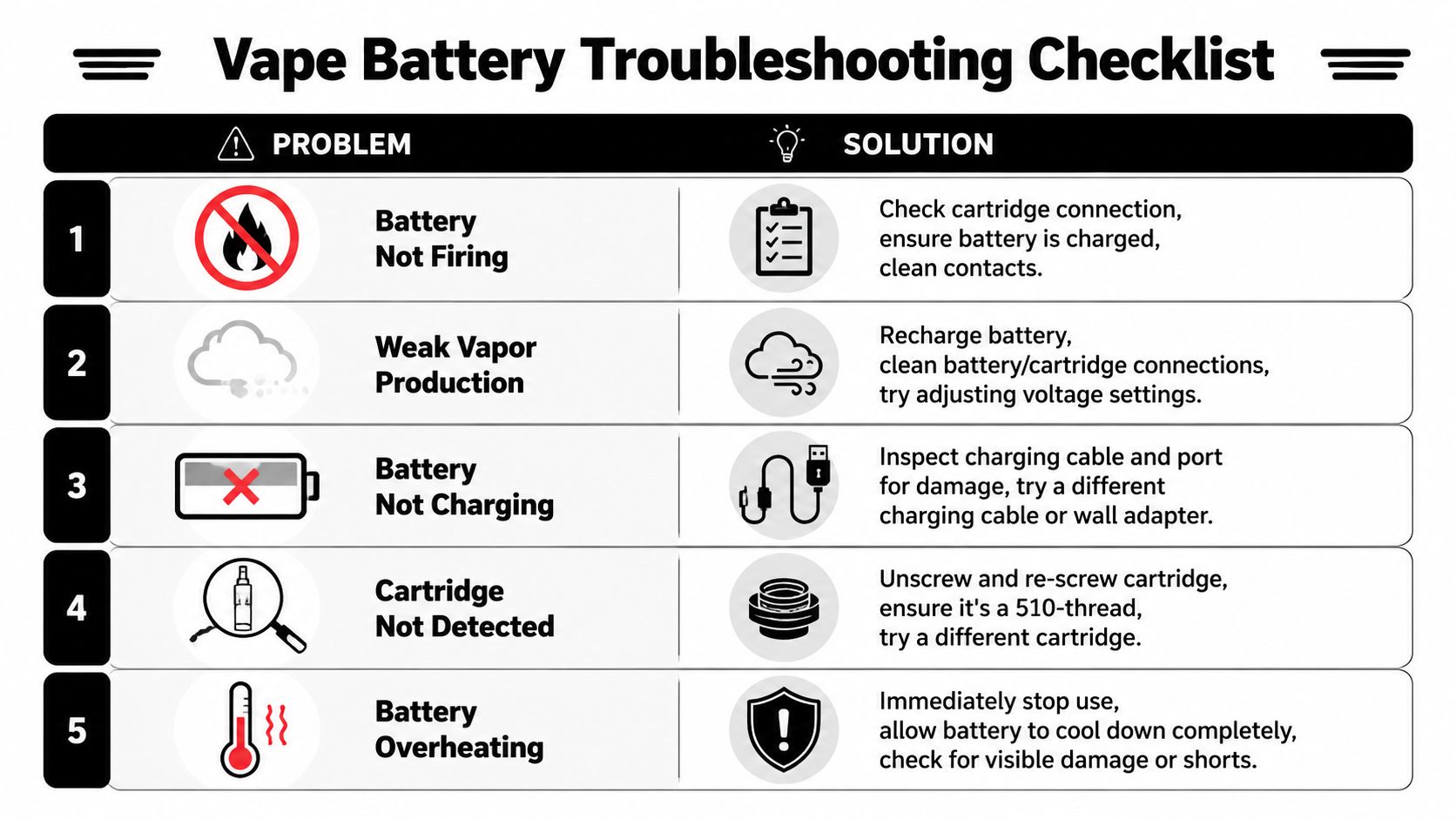
If you order carts or a battery, charge the device correctly, store it in a cool dry place, and dispose of used hardware responsibly. A lot of “bad vape” complaints are really battery neglect, clogged carts, or people treating disposable gear like permanent equipment.

That sounds small, but it makes a difference.

The Modern Cannabis Store is in Your Pocket

In the DMV, the old idea of a cannabis store doesn't hold up. The answer to Cannabis store near me isn't always a storefront with a parking lot and a neon sign. Sometimes it's a licensed Maryland dispensary with a clean pickup flow. Often, in DC, it's a vetted delivery service with a clear menu, a compliant process, and a courier who shows up when expected.

That's the modern standard. Convenience, discretion, and a buying process that doesn't make you decode three legal systems just to get through checkout.

If you're in DC, I think delivery is usually the sharper move. It cuts out the worst parts of local shopping friction and turns your phone into the actual store that matters.


If you want a straightforward DC option, Green Express DC offers a delivery-based menu for adults 21+ in the District, with lab-tested organic products, same-day service, discreet packaging, and clear ordering details you can review before you buy.

Posted on

Your Guide to a Washington Medical Card & DC Weed Delivery

You're probably here because you typed Washington medical card into Google and got a mess back. Some results are about Washington State. Some are about Washington, D.C. Some talk about dispensaries, others talk about “gifting,” and then Maryland and Virginia make the whole thing even harder to follow.

That confusion is normal in the DMV.

Around D.C., cannabis access doesn't work like it does in a single-state market. There's the official medical route in D.C., the everyday I-71 gifting reality in the District, a standard adult-use retail setup in Maryland, and a much more frustrating possession-without-retail situation in Virginia. If you live here, commute here, or visit often, you need the practical version of the rules, not just the headline.

The Washington Medical Card Puzzle Decoded

The first problem is the word Washington.

A lot of people searching for a Washington medical card mean Washington, D.C., not Washington State. Those are completely separate cannabis systems with different laws, agencies, and access rules. If you mix them up, the advice stops being useful fast.

A minimalist office desk featuring a notebook, a metallic pen, and a black sign saying WA vs. DC.

Why the search results feel so messy

Washington State has a long-running medical cannabis program layered into its broader legal market. By December 2024, the Marijuana Policy Project reported 10,232 registered medical cannabis patients in Washington State, or about 0.13% of the state's 7,958,180 residents, and the state's adult-use system traces back to Initiative 502 approved on November 6, 2012, with the first legal non-medical retail stores opening in July 2014 according to Marijuana Policy Project's Washington patient summary.

That's real. It's also mostly irrelevant if you're trying to figure out how to buy legally in D.C., Maryland, or Virginia.

In the DMV, the phrase Washington medical card usually means one of three things:

  • A D.C. medical cannabis registration someone wants for stronger legal access in the District
  • A shortcut question from someone who really wants delivery in D.C.
  • A regional confusion problem from someone comparing D.C., Maryland, and Virginia rules at the same time

Practical rule: If your goal is cannabis access in the DMV, always start by asking which jurisdiction you're standing in when you buy, possess, or receive delivery.

The DMV doesn't run on one cannabis system

At this point, locals stop talking like lawyers and start talking like residents.

In D.C., there's an official medical program. There's also the much more visible I-71 gifting economy, which is what many adults typically encounter first. In Maryland, adults can buy from licensed retail stores. In Virginia, adults can legally possess cannabis, but there aren't state-licensed recreational stores to solve the obvious next question: where do you get it?

That's why a simple “Do I need a card?” question usually turns into a bigger one:

  1. Are you a D.C. resident or a visitor?
  2. Do you want official patient status or fast practical access?
  3. Are you staying in D.C., crossing into Maryland, or living in Virginia?

What people usually get wrong

The biggest mistake is assuming the whole DMV works like one metro market. It doesn't.

The second mistake is assuming a medical card is the only meaningful path. It isn't. For some people, it's the best path. For others, especially tourists or occasional consumers in D.C., the practical answer is different.

The third mistake is forgetting that crossing borders changes the rules. A product that's easy to buy in one nearby jurisdiction can become a legal problem the moment you transport it somewhere else.

Your Guide to the DC Medical Cannabis Card

If you want the official route in the District, you're looking at the D.C. medical cannabis program, not Washington State's card system.

For many people, this path makes sense because it's formal, documented, and clearer than trying to interpret the everyday gray areas of D.C. cannabis culture.

A five-step infographic showing how to apply for a DC medical cannabis card in Washington, D.C.

What the D.C. medical card actually gives you

The biggest practical benefit is access under the city's medical framework, not the gifting framework.

According to the District's medical cannabis program page, registered patients may possess up to eight ounces of dried cannabis per 30-day period, and the program also offers temporary registration for visiting patients who hold a medical card from one of 38 states with equivalent programs as of 2026 through the D.C. medical cannabis program guidance.

That matters for two kinds of people:

  • Frequent consumers who need more predictable legal access
  • Visitors with valid out-of-state medical status who want to use D.C.’s formal system rather than guess their way through local norms

Here's the video version if you prefer seeing the process laid out visually.

The application path in plain English

This is often overcomplicated. The logic is simple. You need to show who you are, show that you qualify under the District's rules, and submit what the city requires.

The usual process looks like this:

  1. Confirm you're eligible
    That means checking whether you can apply as a D.C. patient or through a visitor pathway if that applies to you.

  2. Get a physician recommendation
    This is the medical piece people often skip over when they're used to recreational markets.

  3. Gather your documents
    Think government ID, proof connected to your D.C. residency if required for your route, and your provider documentation.

  4. Submit the application
    The city's medical program handles formal registration through its own process.

  5. Wait for approval and card issuance
    Once approved, you use that patient status within the regulated medical system.

Where readers usually get confused

A common misunderstanding is thinking a D.C. medical card works like a casual membership. It doesn't. It's a regulated patient credential.

Another point of confusion is residency. Some people assume only long-term D.C. residents can benefit from the system. That's not always true, because the District also recognizes a temporary registration route for certain visiting patients, as noted above.

The medical card route is best for people who want the strongest official footing in D.C., not just the fastest path to getting cannabis today.

When the card path makes the most sense

The official route usually fits you better if any of these sound familiar:

  • You use cannabis for a health condition: You'll likely value patient status more than convenience alone.
  • You want higher legal limits: The formal program offers more room than everyday adult-use gifting practices.
  • You prefer a documented system: Some people want the cleanest legal record of access.
  • You visit D.C. with a valid medical card elsewhere: Temporary registration may be the difference between guessing and knowing.

If you only want occasional access in the District, though, the card isn't always the route people use. That's where local reality takes over.

Recreational Access in DC The I-71 Gifting Economy

If you spend any time around D.C. cannabis culture, you'll notice something quickly. A lot of adults aren't talking about medical registration at all. They're talking about gifts, delivery menus, pop-ups, stickers, apparel, artwork, and “free” cannabis attached to another purchase.

That all traces back to Initiative 71.

According to Marijuana Policy Project's summary of D.C. law, Initiative 71 passed with nearly 70% of the vote in November 2014, legalized possession of up to two ounces for adults 21 and older, and allows a person to transfer without payment, but not sell, up to one ounce to another adult. That transfer language is the legal foundation people mean when they talk about the District's gifting economy.

How the gifting model works in real life

The key thing to understand is this: D.C. didn't build a normal recreational retail system around direct adult-use sales in the same way many people expect.

So a workaround culture developed. Businesses offer a non-cannabis item or service, and the cannabis is treated as a gift connected to that transaction. That's why menus and websites can look strange to newcomers. You may think, “Why am I buying a sticker, print, or T-shirt?” The answer is that the visible purchase and the cannabis transfer aren't framed the way a standard dispensary sale would be framed in another state.

This is the local secret visitors often miss. They expect a clean recreational checkout flow. D.C. often operates through compliance language, not obvious retail language.

What makes a service feel more legitimate

Not every operation handles I-71 the same way. Some are careful. Some aren't.

A few signs people generally look for:

  • Clear age verification: Adults should expect ID checks, not casual handoffs.
  • Professional communication: Real businesses don't usually rely on vague, disappearing messages alone.
  • Defined ordering procedures: The safer operators tend to explain what you're ordering and how fulfillment works.
  • Consistency: If the menu, ordering process, and delivery terms constantly change, people get cautious.

If you want to understand what compliant operators in the city typically look like, this guide to I-71 compliant shops in DC gives a useful local reference point.

In D.C., the law on paper and the market on the street aren't the same thing. Locals learn to read both.

Why so many people use this path

The answer is convenience.

A tourist in a hotel, a professional staying for a conference, or a local who doesn't need formal patient status often wants practical access, not paperwork. The gifting ecosystem answers that demand. It's usually faster to understand once you've seen it once, but it's extremely confusing the first time because it doesn't resemble a normal dispensary purchase.

That doesn't mean the medical route is pointless. It just means the District has two different realities at the same time: the official one and the common one.

Medical Card vs I-71 Gifting Which Path Is for You

This decision usually gets easier once you stop asking which option is “better” and start asking which one fits your situation.

If you want formal legal status, more structured access, and the benefits that come with recognized patient standing, the D.C. medical route has a clear advantage. If you want convenience and you're an adult navigating the District's everyday access culture, I-71 gifting may feel more natural.

DC Cannabis Access Medical Card vs. I-71 Gifting

Feature DC Medical Card I-71 Gifting / Delivery
Legal framework Formal medical cannabis program Adult-use transfer model built around gifting
Who it fits best Patients, frequent users, visitors with qualifying medical status Casual users, tourists, adults seeking practical access in D.C.
Possession structure Higher medical allowance within the program Lower practical transfer limits under I-71 culture
Paperwork Requires application, documentation, and approval Usually less formal from the customer side
Speed Slower at the start because you need registration Often faster for immediate access
Predictability More official and easier to explain legally More dependent on how a specific service operates
Visitor appeal Useful if you already have recognized medical status Often easier for adults who don't want to enter a patient system

A simple way to decide

Some readers want a rule of thumb. Here it is.

Choose the medical card if you care most about official status, stronger structure, and using D.C.’s regulated medical system. Choose I-71 gifting if your main priorities are convenience, speed, and staying within the District's well-known adult-use workaround culture.

A few examples make this clearer:

  • You live in D.C. and use cannabis regularly for symptom relief
    The medical path will probably feel worth the effort.

  • You're visiting for a weekend and want a practical local option
    You're much more likely to encounter gifting and delivery than a long medical onboarding process.

  • You dislike gray areas
    Medical registration is usually the cleaner fit.

  • You already understand D.C. cannabis culture
    Gifting may feel familiar and easy to manage.

The hidden tradeoff

People often focus only on access. The core tradeoff is certainty versus ease.

The medical route asks more from you upfront, but you know what system you're in. The gifting route feels lighter and more immediate, but it requires more judgment. You have to evaluate the operator, understand the setting, and stay aware of the line between what D.C. tolerates and what the law explicitly authorizes.

Bottom line: If your cannabis use is part of ongoing care, the card usually earns its keep. If your need is occasional and local to D.C., gifting may be the more realistic path.

Navigating Cannabis in Maryland and Virginia

DMV readers often get tripped up. They assume D.C., Maryland, and Virginia function like neighborhoods inside one shared market. They don't. Crossing from one into another changes what's legal, how you buy, and what “delivery” even means.

Maryland feels the most familiar to new consumers

Maryland now operates the closest thing to a standard adult-use retail experience in the region. Adults can walk into licensed stores and buy cannabis in a way that looks much more recognizable to people who've visited legal states with mainstream dispensary systems.

That market came out fast. Maryland's adult-use cannabis market launched on July 1, 2023, and the state reported over $87.4 million in combined medical and recreational sales in the first month alone, according to Maryland cannabis sales data.

For ordinary buyers, the practical takeaway is simple. Maryland is the least confusing jurisdiction in this article if your question is, “Can I legally buy from a store?”

A comparison chart outlining cannabis laws in Maryland and Virginia regarding medical programs, retail sales, and cultivation.

If you're comparing regional access models, this overview of DMV weed delivery options helps show why so many consumers think in metro terms even though the laws remain separate.

Virginia is legal enough to confuse everyone

Virginia is the opposite problem.

Adults can legally possess cannabis under state law, which makes many people assume legal stores must exist too. But possession and retail aren't the same thing. Virginia has become the classic “yes, but not really” cannabis state for DMV residents.

That gap matters most to people who live in Northern Virginia and work in D.C. They may hear that cannabis is legal in Virginia and then discover there's no normal recreational storefront path waiting for them.

The practical split between the two states

Here's the easiest way to keep it straight:

  • Maryland gives adults a retail market.
  • Virginia gives adults legal possession without a recreational retail system.
  • D.C. gives adults a medical program and a separate gifting reality.

That's why one friend tells you to go to a Maryland dispensary, another tells you to use a D.C. delivery service, and a third says Virginia is legal. They're all describing different pieces of a fractured regional map.

The border issue people underestimate

The DMV trains people to think locally. Cannabis law doesn't.

A short drive from D.C. into Maryland or Virginia may feel like nothing in daily life, but legally it matters. Transporting cannabis across jurisdictional lines raises risks that many casual consumers don't think through. The fact that nearby places have legal access in different forms doesn't turn the region into a shared possession or transport zone.

Buy where you are allowed to buy. Possess where you are allowed to possess. Don't assume the Beltway erases legal boundaries.

That one habit avoids a lot of avoidable trouble.

How Safe and Legal Weed Delivery Works With Green Express DC

For many adults in the District, delivery is the form of access that makes the most sense. You browse a menu, choose what you want, confirm your details, and wait for a discreet handoff. But the part people want explained is the legal and safety side. How does that work without feeling sketchy?

The answer starts with understanding where delivery fits. In D.C., delivery usually operates inside the same local logic as the gifting market discussed earlier, not as a standard recreational dispensary shipment.

What the customer experience usually looks like

A careful delivery experience is usually straightforward.

You review the available menu, decide what category fits you best, place the order online or by phone, confirm that you meet the age requirement, and receive your drop-off in a private, direct way. Adults often prefer this because it avoids wandering into an unfamiliar storefront setup or trying to decode local etiquette on the spot.

The better delivery operations also make the process feel organized rather than improvised. They communicate clearly, set expectations, and verify identification at handoff.

What people mean by safe delivery

“Safe” in this context usually means a few things at once:

  • You know who you're dealing with: The service has a real menu, real policies, and real communication.
  • You know what you're ordering: Clear product categories reduce confusion for new users.
  • Your handoff is professional: Couriers verify ID and complete the order without drama.
  • Your privacy is respected: Most adults want discretion, especially in apartment buildings, hotels, or busy neighborhoods.

That's why customers often gravitate toward operators that explain their process instead of hiding it. If you want to see a local example of how a structured ordering flow is presented, cannabis delivery in DC shows the kind of customer-facing setup people often look for.

Why Virginia residents pay attention to D.C. delivery

A lot of this demand comes from regional frustration, especially on the Virginia side.

In a 2021 legislative update, Virginia legalized simple possession of up to one ounce of cannabis for adults 21 and over, but legislation to create a retail sales framework was rejected in 2023 and again in 2024, leaving adults able to possess cannabis without state-licensed stores to buy it from, according to NORML's Virginia penalties summary.

That doesn't make D.C. delivery a shortcut around every legal issue. It does explain why so many people in the wider metro area search for practical D.C. access. Virginia's system leaves a real-world gap, and D.C. is the nearest place many people look to fill it.

What to watch for before you order

Not every delivery option deserves your trust.

Use common sense and look for signs that a service takes compliance seriously:

  • Age checks matter: If nobody plans to verify your ID, that's a warning sign.
  • Ordering should be clear: You shouldn't have to guess what's happening.
  • Product information should be organized: Confusion usually points to sloppy operations.
  • Communication should stay professional: Fast replies help, but clarity matters more than hype.

For new consumers, delivery can be less stressful than navigating D.C.’s in-person gifting culture. It gives you time to read, compare, and ask questions before anything arrives.

Your DMV Cannabis Questions Answered

Can I use a Washington State medical card in D.C.

Possibly through the visitor framework if your state is among the recognized equivalent programs noted by the District. The important part is that Washington State and Washington, D.C. are separate systems, so don't assume your home-state card automatically functions everywhere the same way.

Do tourists need a D.C. medical card to get cannabis

Not always.

Some tourists use the District's gifting economy because it's the most visible practical option. Others may qualify for temporary medical registration if they already hold valid medical status from a recognized jurisdiction. Which path fits best depends on whether you want formal patient access or ordinary adult-use convenience inside D.C.’s local reality.

Is weed delivery legal everywhere in the DMV

No. That's one of the biggest mistakes people make.

Delivery rules depend on where you are and which legal framework applies there. D.C., Maryland, and Virginia do not share one regional delivery system just because they share roads and commuters.

Can I buy in Maryland and bring it back to D.C. or Virginia

That's a bad assumption to make.

Even when nearby jurisdictions each have some form of legal cannabis access, moving cannabis across borders creates legal exposure. The smart approach is to avoid treating the DMV like one combined possession zone.

Is the D.C. medical card worth it if I'm only an occasional user

Sometimes, but not always.

If you only need occasional access and you're comfortable navigating the District's adult-use culture, you may decide the medical route is more effort than you want. If you value official documentation and structured access, the card may still be worth it.

Why does Virginia still confuse so many people

Because the law answers only half the question.

People hear that possession is legal and naturally assume purchasing must be legal in a normal retail sense too. In practice, Virginia leaves adults with legal possession but without state-licensed recreational stores, which creates constant confusion for residents and visitors.

What's the safest mindset for navigating DMV cannabis laws

Keep your thinking local.

Ask where you are, which framework applies there, whether you're using a medical or adult-use route, and whether any travel across borders is involved. Most cannabis mistakes in the DMV come from people applying one jurisdiction's rules to another.


If you want a practical D.C. option that matches how locals typically obtain their supply, Green Express DC offers a straightforward delivery experience with lab-tested, organic products, discreet service, same-day availability, and professional ID verification at drop-off. It's a convenient fit for adults who want clarity, privacy, and a smoother way to handle cannabis access in the District.

Posted on

Dime Carts Price: Your 2026 Guide for DC, VA & MD

A reputable DC delivery menu will usually put a 1-gram Dime cart around $50 to $70, and that number moves based on the extract, the seller, and whatever promotion is running that day. If you see one priced far below the rest of the market, don't get excited. Get skeptical.

If you're in DC, Maryland, or Northern Virginia, you've probably already done the same thing everyone does. You open three menus, search “Dime,” and immediately get conflicting prices, vague strain names, and zero clarity on whether you're looking at a real premium cart, a disposable, or some sketchy repack. That's where people waste money.

The smart way to judge Dime carts price in the DMV isn't by chasing the lowest shelf number. You need to look at the legal setup in your area, whether the product is verifiably authentic, whether the listing includes enough information to trust it, and whether the menu price is the true final cost. In DC especially, that last part matters more than is generally understood.

Decoding Dime Carts Price in the DMV

Dime isn't some random house brand that popped up on one local menu. Dime Industries was established in 2016 in California, and the brand is described as being sold in over 500 dispensaries across the United States and Canada. Headset also reports that in a recent month in early 2026, the company generated over $5 million in sales, which tells you this is a serious premium vape brand with real retail reach, not a niche side product in one region (Headset brand profile for Dime Industries).

That matters because buyers in the DMV often treat all carts like they're interchangeable. They're not. A Dime listing carries brand recognition, wider retail exposure, and premium positioning. You're paying for a product that already has traction in major markets.

Why DMV buyers get confused fast

The confusion starts because DC, Maryland, and Virginia don't work the same way.

In DC, people often shop through the gifting model and compare menu prices as if they were straight dispensary retail. In Maryland, buyers are usually dealing with licensed adult-use dispensaries and a different final-cost structure. In Virginia, people run into a more restrictive setup and inconsistent availability.

Practical rule: In the DMV, the number on the menu is only the beginning. The legal model behind the sale changes what that number really means.

What actually makes a fair price

A fair Dime cart price has less to do with hype and more to do with context:

  • Product format matters. A cart, an all-in-one disposable, and a battery-required setup aren't the same purchase.
  • The local market matters. DC delivery, Maryland dispensary shelves, and Virginia access all create different buyer experiences.
  • Safety matters most. A “deal” on a fake cart is still a bad buy.

If you want to shop smart in the DMV, stop asking “What's the cheapest Dime cart?” Ask, “What am I getting, from who, under which market rules?”

What Exactly Are Dime Carts

“Dime cart” usually refers to a Dime Industries 1g cartridge, not just any vape with the Dime name on it. That distinction matters, because people constantly confuse standard carts with disposables, all-in-one devices, and off-menu products that aren't the same thing.

Independent product listings show Dime carts sold as 1g “full gram” cartridges, which is a major reason they sit in the premium conversation to begin with (Dime Industries 1g cart listing). A full gram is roughly double the oil found in a more common 0.5g cart. That's a simple but important baseline when you're deciding whether the asking price makes sense.

A close-up studio shot of a gold-colored cannabis oil vape cartridge against a plain white background.

The two parts people forget

A Dime cart isn't just oil. It's two purchases wrapped into one experience.

First, you've got the cartridge hardware itself. Most shoppers in this category expect a standard battery-compatible cart setup, and that means the hardware quality affects the draw, flavor, clog resistance, and overall reliability.

Second, you've got the oil inside. That's where strain, extract style, consistency, and effect come into play. A premium cart should feel clean, taste intentional, and hit consistently. If it doesn't, the brand name on the box doesn't save it.

Why the 1g size drives the conversation

The full-gram format is a big part of why Dime carts get priced the way they do. Buyers aren't just paying for branding. They're paying for a larger oil load in a category where size still shapes perceived value.

That's also why it helps to understand the broader cartridge market before you compare menu prices. If you want a better foundation on premium cart formats in this region, this guide to premium THC cartridges in DC, VA, and MD is worth reading.

Here's the practical takeaway:

  • A Dime cart is usually a 1g cartridge. Don't compare it casually to smaller products.
  • A Dime disposable is not the same thing. Different hardware, different pricing logic.
  • A vague listing is a bad sign. If the menu doesn't clearly tell you which format you're buying, move on.

Key Factors That Determine Dime Cart Prices

A Dime listing in DC, Maryland, or Virginia only means something after you identify what is being sold, who is selling it, and whether the details hold up. In the DMV, price without context is how people overpay for average oil or get stuck with a sketchy delivery listing that falls apart the moment you ask for proof.

An infographic showing five key factors determining the pricing of Dime cannabis vaporizer cartridges.

Extract type sets the starting point

The biggest price swing usually comes from the oil itself. A live resin Dime product should sit above a standard distillate option because you are paying for a different extraction style, stronger terpene retention, and a product positioned as more premium.

That sounds obvious, but DMV buyers still compare two Dime listings by brand name alone. Bad move. If one menu says live resin and another gives you no extract details at all, they are not equal value, even if the sticker price looks close.

Ask for the lab report or product panel before you order. If you need a benchmark for how fake or misleading cart listings get dressed up online, read this breakdown of whether Glo carts are real. The lesson applies here too. Packaging and brand talk mean very little without specifics.

Hardware changes your total cost

Battery compatibility matters because it changes what you end up spending, not just what the menu advertises.

Dime's official product page lists its white 5th Generation mini battery at $23.00, discounted from $27.00, which is a useful benchmark for the brand's accessory pricing (Dime 5th Generation mini battery product page).

If you already have a compatible battery, a standard cart can be a decent buy. If you do not, your actual entry cost is higher. That matters in DC especially, where an I-71 “gift” price can already include a heavy convenience markup before hardware even enters the picture.

Seller type matters in the DMV more than people admit

A licensed Maryland dispensary, a DC gifting service, and a random Telegram plug do not price products the same way because they do not carry the same overhead, risk, or accountability.

In Maryland, taxes, compliance, and inventory controls shape the final number. In DC, gifting menus often build the service fee into the product price, so a “premium” cart can look inflated unless you read the listing carefully. In Virginia, where the retail situation is more limited, buyers often end up comparing gray market offers with very different levels of transparency. That is why the best-value cart is not always the cheapest one. Safe sourcing has a price, and in this region it should.

What usually pushes a Dime cart higher

A higher menu price usually comes from a small set of factors:

  • Premium extract format. Live resin and similar formats should cost more than standard oil.
  • Disposable or all-in-one design. Integrated hardware changes the pricing logic.
  • Delivery or gifting markup. Common in DC, especially on menus that hide fees inside the item price.
  • Brand recognition. Dime has enough name demand that some sellers charge extra just because buyers search for it directly.
  • Proof and transparency. Sellers who provide batch info, packaging photos, and lab results usually price more transparently than vague resellers.

A quick value test before you buy

Use this table the same way you would check a restaurant bill in Adams Morgan or Silver Spring. Look at the line items, not just the total.

Question Why it matters
Is it a cartridge or a disposable? Those formats carry different hardware costs
What extract am I buying? Live resin belongs in a higher price tier than basic distillate
Do I already own the right battery? If not, total cost jumps
Is this a DC gifting menu or a licensed dispensary listing? The sales model changes how the price is built
Can the seller show lab details and batch info? Clear proof usually signals better value and lower risk

If a seller cannot answer those questions clearly, skip the order. In the DMV, vague product listings are rarely a bargain.

How to Spot Fake Dime Carts and Avoid Scams

Counterfeit carts are where bad value turns into a health risk. In the DMV, especially around loosely described delivery listings and private resellers, fake “premium” carts are one of the easiest ways to get burned.

The first red flag is price. A Dime cart is a premium-branded product. If someone is dangling a suspiciously cheap “full gram Dime” with no real product detail, no packaging proof, and no batch info, you're not finding a hidden gem. You're probably looking at garbage in a copied box.

A safety infographic showing the difference between authentic Dime vape cartridges and counterfeit versions to protect health.

What to check before you ever buy

Start with the packaging. Real premium vape packaging usually looks deliberate. Fake packaging often looks rushed. Watch for blurry printing, cheap cardboard, strange spacing, weak logos, or obvious typos.

Then check the product information. A trustworthy seller should be able to tell you exactly what you're buying. If the listing just says “Dime cart” with no strain, no extract type, and no product photos, that's not enough.

Use this checklist:

  • Inspect the box quality. Poor print quality is one of the fastest counterfeit tells.
  • Ask for lab details. If a seller can't provide batch-specific information or acts annoyed that you asked, walk away.
  • Look at the hardware. Cheap-feeling carts, leaking oil, or bad connections are warning signs.
  • Question unrealistic pricing. If the number looks way below normal premium-menu pricing, assume there's a reason.

For a broader counterfeit awareness primer, this breakdown on whether Glo carts are real covers many of the same red flags that apply across suspect vape listings.

A short video can also help you sharpen your eye before spending money:

Why fake carts are common in this region

The DMV has a mix of regulated and less-transparent buying environments. That creates room for menu flipping, repackaging, and “brand-name” products with no reliable chain behind them.

If the seller wants you to trust the logo instead of the product details, don't buy it.

Real value starts with authenticity. A fake Dime cart at a low price is still overpriced, because the product itself isn't trustworthy.

Buying Guide for DC Maryland and Virginia

The right buying strategy changes the minute you cross a state line in the DMV. That's why generic vape advice usually fails here.

Washington DC

In DC, a lot of buyers are dealing with the I-71 gifting setup. That changes how menu pricing feels compared with a standard dispensary state. The sticker number can function more like the final number in practice, instead of a pre-tax teaser.

One useful benchmark from the verified guidance is this: a $50 Dime cart in DC's gifting market can be the final price, while in a taxed market the total could be higher, and smart buyers should compare products by price per milligram of THC, not just by menu sticker (Dime battery page discussing total-cost context).

That's a big deal for DC shoppers. If you're comparing a DC menu against a Maryland menu, don't assume the lower sticker wins. Sometimes the “cheaper” taxed product isn't cheaper once you finish the transaction.

If you need a basic legal and practical refresher, this guide on how to buy weed in DC is a useful starting point.

Maryland

Maryland is more straightforward in one sense. You're typically dealing with licensed adult-use dispensaries and a more traditional retail model. That can make menu browsing feel cleaner and more standardized.

The tradeoff is that the final price may not feel as clean as the listed shelf number once the purchase is done. That's why Maryland buyers should pay extra attention to product potency, extract type, and whether they're getting premium hardware or just paying premium branding.

Virginia

Virginia is the awkward one in this conversation. Access is more restrictive, and shoppers often run into more uncertainty around what's available, through whom, and under what legal structure.

That means Virginia buyers need to be more conservative, not less. If a listing looks vague or a seller is acting casual about proof, testing, or product origin, that's your cue to leave.

The best buying lens by location

Here's the simplest way to approach each market:

Area Best question to ask
DC Is this final-price value actually solid under the gifting model?
Maryland What will I really pay out the door, and is the product worth it?
Virginia Is this source legitimate enough to trust at all?

Local advice: In DC, focus on final delivered value. In Maryland, focus on out-the-door math. In Virginia, focus on source legitimacy before anything else.

Finding the Best Value with Deals and Bundles

You're staring at two DMV menus. One shows a Dime disposable at a premium price. The other advertises a deal that looks better until you notice the service fee, delivery minimum, or vague product listing. That second order is how people overpay.

An infographic titled Finding Value with Dime Cart Deals listing six tips for saving money on vape cartridges.

In DC, Maryland, and Virginia, value is about the full transaction, not the headline number. A fair deal means authentic hardware, clear testing, and a final cost that still makes sense after fees, taxes, or gifting add-ons. If a menu pushes a flashy discount but stays fuzzy on the actual product, skip it.

Where good value usually shows up

Smart buyers watch for a few patterns.

  • Bundle pricing. Multi-cart or multi-AIO offers often beat one-off orders, especially through DC delivery services trying to raise order size.
  • First-order discounts. New-customer promos can turn a premium brand into a reasonable trial buy.
  • Holiday drops and vendor promos. Menus in the DMV often get more aggressive around major cannabis shopping weekends.
  • Loyalty rewards. Regular buyers in Maryland shops can cut repeat costs fast if the points system is decent.
  • Fee-efficient orders. In DC, one stronger order can be better value than two smaller ones once delivery and gifting structure are factored in.

How to judge a deal correctly

Start with the product. Then do the math.

  1. Match the deal to the exact format. A 1g all-in-one and a standard cartridge are not the same purchase.
  2. Read the listing like a skeptic. If the service cannot show batch details, extraction type, or usable product photos, the discount does not matter.
  3. Check the lab information if you're buying through a DC service. Under the I-71 gifting setup, good operators still make testing and sourcing easy to review. Bad ones dodge the question.
  4. Price the order at checkout, not on the menu. Maryland buyers need the out-the-door total. DC buyers need the delivered total. Virginia buyers need to ask whether the source is credible enough to consider at all.
  5. Stack real savings only. The best buy is a verified product from a seller with clear proof, combined with a legitimate promo or bundle.

A real deal lowers your cost without raising your risk. In the DMV, that is the standard to use. If the “sale” depends on missing lab info, mystery hardware, or inflated list pricing, walk away and wait for a better menu.

Your Smart Buying Checklist for Dime Carts

If you're about to order, run through this checklist first.

Five checks worth doing every time

  • Check the source first. If the seller feels vague, sloppy, or defensive about product info, don't proceed.
  • Make sure it's the format you want. Cart and disposable aren't interchangeable purchases.
  • Question a price that looks too low. In this category, suspiciously cheap usually means suspicious.
  • Look for proof. Packaging quality, batch details, and test information matter.
  • Ask about current promos. Plenty of buyers overpay because they never ask.

The right mindset

Don't shop for Dime carts like you're buying gas station accessories. Shop like you're buying an inhaled product that needs to be authentic, properly represented, and worth the premium.

Cheap is not the same thing as good value. In the DMV, safe and informed usually beats cheap and fast.

Frequently Asked Questions About Dime Cart Prices

Why are Dime carts often more expensive than other carts on the same menu

Because they're commonly sold as 1g full-gram products, and that larger fill size is a major part of their market positioning. Beyond that, some Dime products are offered in more premium extract styles or hardware formats, which can push the menu number higher than a basic cart from a lesser-known brand.

Is a very cheap 1g Dime cart in DC guaranteed to be fake

Nothing is guaranteed without seeing the actual product, but a dramatically underpriced “Dime” in DC should put you on alert immediately. Premium branding, full-gram format, and local delivery markup don't usually add up to bargain-bin pricing. If the seller can't back it up with credible product details, skip it.

Are Dime carts worth the money in the DMV

They can be, if three things line up. The cart has to be authentic, the format has to match what you want, and the local buying setup has to make the final cost reasonable. In DC, that often means paying attention to whether the menu number is effectively your final number. In Maryland, it means looking harder at out-the-door value. In Virginia, it means being ruthless about source quality.

Should I buy a Dime cart or a Dime disposable

Buy the format that fits how you use vapes. If you already have compatible hardware and want flexibility, a cart can make more sense. If you want simplicity, a disposable may be easier. Just don't compare them like they're the same product category.

What's the smartest way to compare two Dime listings

Check five things in order: seller reputation, product format, extract type, packaging or lab proof, and final purchase cost. If one listing is cheaper but vague, and the other is specific and credible, the “cheaper” one often isn't the better value.


If you want a trusted local option for premium cannabis delivery in the District, Green Express DC is worth a look. They serve adults 21+ across Washington, DC with discreet delivery, a curated menu, and rotating specials that can make premium vapes, concentrates, flower, and edibles more cost-effective without forcing you to gamble on sketchy listings.

Posted on

Cookies 2 Gram Disposable: Your 2026 Expert Guide

You're in DC, staying with friends in Maryland, or heading back across the river to Virginia. You want a vape that feels polished, lasts longer than a basic disposable, and doesn't force you to choose between one flavor profile and another. That's where a lot of people stall out. They want convenience, but they also care about taste, smoothness, and whether the device will keep hitting well after the first session.

The Cookies 2 gram disposable gets attention for a simple reason. It isn't just a bigger pen. It's built around a dual-chamber layout, so you're carrying two separate oil chambers in one device instead of relying on one larger reservoir. For DMV shoppers, that matters because buying decisions here are often practical. You're thinking about portability, discretion, and how to make one pickup or delivery count.

A lot of buyers also want the local side explained clearly. How do you order legally in DC? What should Maryland and Virginia shoppers know before arranging delivery? And how do you avoid ending up with a device that sounds premium but turns out to be all marketing? Those are the questions that matter on the ground.

Your Guide to Premium Vaping in the DMV

A common DMV scenario goes like this. Someone finishes work in Northwest, doesn't want to stand in a dispensary line, and wants something more flexible than a single-strain disposable. Another person is visiting DC for the weekend and wants a compact vape that feels more curated than a random gas-station-style pen. A third shopper in Maryland is comparing options and trying to understand what makes one premium disposable different from another.

The appeal of the Cookies 2 gram disposable is easy to understand in that setting. It combines longer use, flavor variety, and one-device convenience. Instead of carrying multiple pens or settling for a single strain all day, the format is designed around choice in the moment.

That choice matters more than people think.

If you've ever wished your daytime vape and your evening vape could live in the same pocket, this format makes immediate sense.

For shoppers in DC, Maryland, and Virginia, the other half of the equation is logistics. You're not only picking a product. You're also figuring out how to get it safely, discreetly, and in a way that fits local rules and real life. Some people want a delivery to a residence. Others are visitors staying temporarily and need a process that feels straightforward.

Here's what usually matters most when someone asks about this product:

  • Portability first: One device is simpler than carrying two separate pens.
  • Choice on demand: The dual format lets you switch your experience without swapping hardware.
  • Rechargeable use: Buyers often prefer a disposable-style device that doesn't quit before the oil is gone.
  • Less guesswork: A known brand format can feel easier to understand than mystery hardware.

If you're new to this category, the smart move is to learn the device first, then match it to the type of experience you want, then think about local ordering rules.

What Makes the Cookies 2 Gram Disposable Different

The biggest point of confusion is the word 2 gram. Many shoppers hear that and assume it means one oversized tank. That's not the key idea here. The defining feature is the split design.

According to Muva Tech Global's Cookies dual chamber review, the device is built as two separate 1-gram chambers in one unit, for a total of 2 grams, and some product pages also describe USB-C rechargeable power, ceramic coil construction, and a federal hemp-compliance threshold of less than 0.3% Delta-9 THC.

Think of it like two drinks in one cup

A simple analogy helps. Think of a fountain machine that lets you choose one drink, another drink, or switch between both depending on your mood. A Cookies 2 gram disposable works on a similar idea. The oils stay separated, so the device isn't blending everything together inside one tank.

That separation matters for user experience. If one chamber holds a brighter, more energetic profile and the other holds a heavier, more relaxed one, you can change direction without carrying two complete devices.

An infographic detailing the features of a Cookies 2 Gram Disposable vape device, including chamber and oil details.

What the hardware details mean in plain English

A few product specs come up repeatedly, and they're worth translating into everyday language.

  • Dual chambers: Two separate 1-gram sides give you two distinct oil loads in one body.
  • USB-C rechargeability: If you're worried that a larger-capacity disposable might run out of battery before the oil is finished, a rechargeable setup is a practical advantage.
  • Ceramic coil construction: Shoppers usually associate ceramic heating with a cleaner, more even flavor presentation.

Those details don't guarantee that every individual device will feel the same, but they do explain why this format is marketed as more than a basic throwaway pen.

Why this isn't just a “bigger disposable”

The Cookies 2 gram disposable sits in a different lane from a standard single-chamber device. The value isn't only in having more oil available. The core value is control. You can keep one strain profile for one kind of moment and another strain profile for a different one, all without switching products.

Practical rule: When a vape is described as dual chamber, pay attention to whether the chambers are truly separate. That's the feature that changes the experience.

This is also why people who normally buy two separate 1-gram devices stop and consider it. On paper, the total amount may sound like the main story. In practice, the story is the architecture.

Exploring Cookies Strains and Flavor Profiles

Strain pairing is where this device becomes fun instead of merely functional. The two-chamber setup makes more sense when you think in terms of use cases rather than just names on a label. One side can fit your active hours. The other can fit the quieter part of your day.

A lot of shoppers make the mistake of chasing only potency language. A better approach is to ask: when am I going to use this, and what kind of flavor do I want attached to that moment?

How pairings help in real life

Say you like a more upbeat, crisp draw while you're handling errands or social plans, but by late evening you want something softer and more grounding. In a single-strain pen, you're locked into one lane. In a dual-chamber format, the device can match your day more naturally.

Here are a few examples of how buyers often think about pairings:

Popular Cookies 2g Disposable Strain Pairings Type (Day/Night) Primary Flavors & Effects
Bright citrus profile + heavier dessert profile Day and Night Zesty, lively notes for daytime, then sweeter and denser flavor for evening relaxation
Creamy gelato-style profile + earthy gas-style profile Flexible Smooth, dessert-like flavor on one side, more pungent and grounding notes on the other
Fruit-forward profile + kush-forward profile Day and Night Juicy and aromatic for casual daytime sessions, deeper herbal flavor for slower nighttime use
Balanced hybrid profile + more sedating profile Transition use Even, middle-of-the-road effect by day, then a fuller body feel later

One strain family that often comes up in Cookies conversations is Gelatti. If you want a sense of how that profile is described in a standalone format, Green Express DC has a Cookies Gelatti strain page that helps illustrate why dessert-leaning profiles get so much attention.

Don't overcomplicate the flavor hunt

Individuals often don't need a terpene lecture. They need language they can use. Here's the easy version:

  • Citrus or fruit notes often appeal to people who want a brighter, cleaner-tasting session.
  • Dessert or creamy notes usually attract shoppers who like softer, richer flavor.
  • Earthy or gas-forward notes tend to fit people who want something heavier and more assertive.

A good pairing feels like having two playlists ready. One for moving through the day, one for settling into the evening.

A simple way to choose

If you're stuck between options, ask yourself three things:

  1. When will I use chamber one most often? Morning, daytime, or social settings.
  2. When will I use chamber two? Nighttime, winding down, or staying in.
  3. Do I want contrast or similarity? Some buyers want two very different moods. Others want a small shift, not a dramatic one.

The Cookies 2 gram disposable works best when you treat the two chambers as intentional choices, not just extra volume.

Potency Dosing and Safe Usage Guide

The oil inside this product is often discussed in terms of THCA content, and that can confuse newer buyers. According to Binoid's Cookies 2-gram dual chamber vape listing, a typical benchmark is approximately 55% THCA plus 18% CBDA per chamber, with products described as Farm Bill compliant and containing less than 0.3% Delta-9 THC. In plain language, this is generally treated as a high-potency vape format.

A blue Cookies brand 2 gram cannabis vape disposable pen resting on a light wood surface.

Start lower than you think you need

People get into trouble with disposables because the device feels easy, so they assume the dosing is easy too. It's better to treat a Cookies 2 gram disposable with respect from the start.

A beginner-friendly approach looks like this:

  • Take one small puff: Don't stack hits right away.
  • Wait and check in with yourself: Give your body time to register the effect.
  • Choose one chamber for the first session: Don't bounce between both sides until you know how each one feels.
  • Use a calm setting: First sessions go better when you don't have a packed schedule.

For experienced users, the same rule still matters. High-potency oil can feel very different depending on the strain profile, your tolerance that day, whether you've eaten, and how quickly you inhale.

How to use the dual setup without overdoing it

The two-chamber design can tempt people to sample both back to back just because they can. That's where overconsumption sneaks in.

Try this instead:

  1. Use one chamber for a complete session.
  2. Pause before switching.
  3. Notice flavor, body feel, and mental intensity.
  4. Save comparison testing for another session if you're unsure.

Safe-use note: Curiosity is fine. Mixing effects too quickly is where people lose track of dose.

A few practical habits also help. Keep the device upright when possible. Take steady draws instead of very hard pulls. If the vapor feels harsh, stop and give the device a moment rather than forcing repeated hits.

The goal isn't to “get the most” out of each puff. The goal is to find the smallest amount that gives you the experience you want.

Quality Safety and Lab Testing Standards

With vape products, the buying question shouldn't stop at flavor or branding. You also want to know whether the product was made and handled with real quality controls in mind. That means looking beyond packaging and asking about verification, consistency, and whether the device can reasonably hold up across a longer oil load.
The broader rule is simple. If you can't get clear information about what's in the product and how it was tested, pause.

What careful shoppers look for

Lab testing matters because vape hardware and oil quality work together. A product can sound impressive on the box and still disappoint if the oil is unstable, the formulation is unclear, or the hardware doesn't keep up.

Buyers usually want to know about:

  • Purity: Whether the oil is clean and professionally made.
  • Potency: Whether cannabinoid content matches what the product claims.
  • Contaminants: Whether the product has been checked for unwanted materials.
  • Traceability: Whether there's a clear path back to a batch or supplier.

An infographic detailing four lab testing standards for cannabis products including purity, potency, contaminants, and traceability.

Is one 2g device better than two 1g devices

This is one of the most practical questions in the category. A review summary on YouTube discussing 2g dual-chamber value questions notes that buyers often focus on battery life, clogging, and whether flavor quality degrades over a larger volume of oil, even when marketing emphasizes convenience.

That's a useful frame because it shifts the conversation away from hype.

A larger-capacity device can be convenient, but convenience alone doesn't answer the main concerns. You still want to know:

  • Will the battery stay usable through regular use?
  • Will the final sessions taste as clean as the early ones?
  • Does the hardware resist clogging well enough for day-to-day carrying?

For shoppers comparing formats, it also helps to look at neighboring product categories. A menu with both disposables and cartridges, such as the selection shown on Pure One carts, can help you compare whether you'd rather have an all-in-one device or a cartridge-based setup.

Quality doesn't announce itself. It shows up in smooth draws, consistent flavor, and fewer annoying surprises after opening.

How to Get Cookies Vapes Delivered in DC MD and VA

The delivery side is where local knowledge matters most. People often lump DC, Maryland, and Virginia together because they're part of one daily commuting region. Legally and practically, they aren't the same shopping environment. You need to understand the rules where you are physically receiving the product, not just where you live.

For DC buyers, delivery questions usually revolve around age verification, where the handoff happens, and what kind of ordering process feels compliant and discreet. For Maryland and Virginia shoppers, the key issue is even simpler. Don't assume that proximity to DC means the same delivery rules follow you across borders.

A practical delivery checklist

If you're ordering a vape product in the DMV, keep the process boring and clean. That's the safest way to handle it.

  1. Confirm your location first. Make sure you understand the local framework where delivery is being arranged.
  2. Browse the live menu carefully. Product names, formats, and availability can rotate.
  3. Have your ID ready. Adult-use transactions require age verification.
  4. Choose a delivery setting that makes sense. Pick a location where you can receive the order directly and discreetly.
  5. Don't plan to move product across state lines. That's the part many people get casual about, and it's where problems start.

This visual gives a clean overview of the process.

A step-by-step infographic titled Navigating Cannabis Delivery in the DMV area showing five essential process stages.

What shoppers usually care about most

Many aren't looking for a lecture on cannabis policy. They want answers to practical questions.

  • Can I order without confusion? A clear online menu helps.
  • Will delivery be discreet? Packaging and handoff matter.
  • Do I need to meet the courier myself? In-person ID verification is the standard expectation for adult orders.
  • What payment should I expect? Many local services use cash-on-delivery workflows.

For buyers arranging a District order, Green Express DC cannabis delivery is one example of a local service that outlines menu browsing, ordering, ID verification, and delivery logistics for adults in DC.

Keep the local rules separate in your mind

The biggest mistake in DMV cannabis shopping is treating the region like one legal zone. It isn't. If you're in DC, follow DC rules. If you're in Maryland or Virginia, understand what applies there before making plans. That sounds obvious, but it's where confusion tends to start.

A little caution makes the whole experience smoother. Know where the order is being delivered. Know who's receiving it. Keep the transaction direct and simple.

Frequently Asked Questions

Is the Cookies 2 gram disposable legal everywhere in the DMV

No. You should never assume one area's rules apply automatically across DC, Maryland, and Virginia. The safe approach is to follow the law where the product is being received and used. Don't treat the region as one interchangeable market.

Can I take it from DC into Maryland or Virginia

You shouldn't cross state lines with cannabis products. Even if the trip feels short and routine, crossing jurisdictions creates legal risk. Keep use and possession tied to the place where it's allowed.

How should I store the device

Store it upright when you can, keep it away from excessive heat, and don't leave it rattling around in a hot car. Good storage helps preserve flavor and makes clogging less likely. If you won't use it for a while, a cool, stable indoor spot is better than a pocket or glove box.

Why do people say dual chamber helps with performance

According to D8 Gas's description of Cookies THC blend dual chamber disposables, the dual-chamber architecture spreads consumption across two oil loads, which can reduce thermal stress on each chamber compared with a single larger tank and may lower the risk of dry hits or clogging, especially with thicker THCA oils.

That doesn't mean any device is immune to issues, but it explains why the format appeals to shoppers who care about smoother use over time.

What if the battery dies before I finish the oil

Check whether your unit is rechargeable and use the proper charging cable if it is. Don't overcomplicate troubleshooting. If the device stops hitting, make sure it has charge, keep it upright for a bit, and avoid yanking on it with repeated hard pulls.

Is this a good first vape

It can be, but only if you approach it patiently. Because this format is often discussed as high potency, beginners should take very small draws and give the effects time to settle before deciding whether they want more.


If you're in Washington, DC and want a straightforward way to browse vape options, flower, concentrates, and edibles for adult delivery, take a look at Green Express DC. It offers a live online menu, ID-verified drop-off for adults 21+ in the District, and a simple ordering process for people who'd rather skip the guesswork.

Posted on

Where to Buy Cannabis Edibles in DC, VA & MD (2026 Guide)

You find a menu that looks legit, place an order, then hit the part nobody explained clearly. If you live in Arlington, Alexandria, Bethesda, Silver Spring, or anywhere else outside DC, the essential question is not whether edibles exist. It is whether the handoff can happen legally where you are standing.

That is where buyers from Virginia and Maryland get tripped up.

DC gives you access to a large edible market, but it does not work like a standard retail system. A polished website does not mean a company can drop gummies at your apartment in Fairfax or your house in Rockville. For many metro area buyers, the smart play is simple. Order from a service that knows DC rules cold, then meet or receive the delivery inside the District.

The market is broad, and the options are not hard to find. The hard part is separating professional operators from sloppy ones. Some services explain their process clearly, check ID, share lab details, and stay strict about delivery boundaries. Others get vague the second you ask basic questions. Skip those.
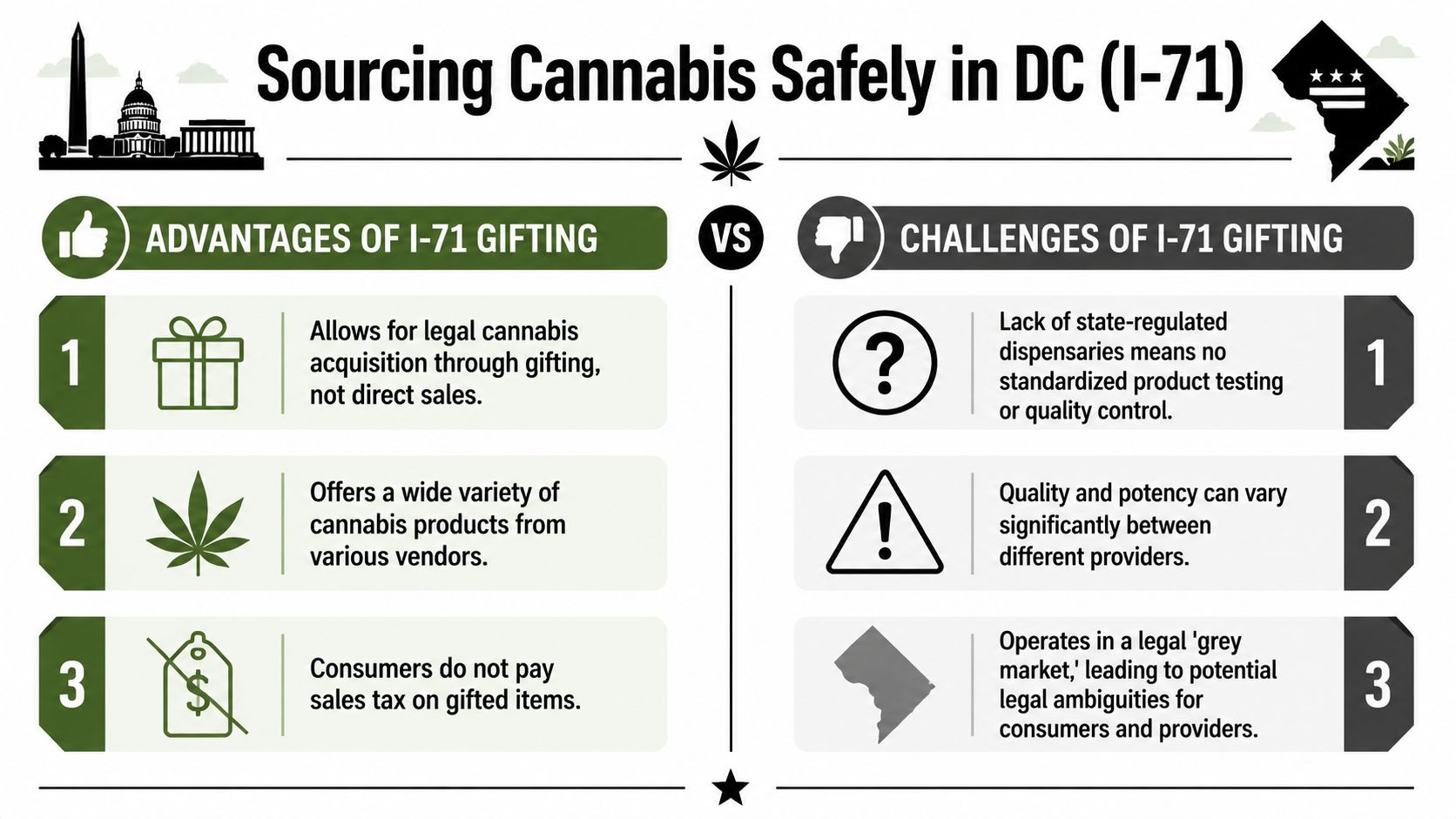
Practical rule: If a service cannot explain gifting, ID checks, where the exchange happens, and what is in the edible, do not order from it.

Your goal should be straightforward. Get a product that is accurately labeled, handled legally, and worth the price. That matters even more if you are coming from Virginia or Maryland, because your margin for error is smaller. One bad assumption about where delivery can happen turns a simple purchase into a waste of time.

Buy like a local. Treat clear communication, tested products, and DC-only handoffs as the baseline, not a bonus.

Your Guide to Buying Edibles in the DC Metro Area

Many buyers begin their search the same way. They open several tabs, compare various menus, encounter terms like "gift," "donation," "medical," and "delivery," and then wonder if the process is legitimate. If you find yourself in that position, you are asking the right question.

DC isn't hard once you stop treating it like Colorado or California. It has its own lane. In DC, the legal details shape everything from how shops list products to where a delivery can happen.

What buyers in DC, VA, and MD usually get wrong

The biggest mistake is assuming all cannabis businesses work the same way. They don't. Some operate through DC's I-71 gifting model. Some focus on the medical side. Some look polished online but get vague the second you ask about testing, ID checks, or delivery boundaries.

For metro area buyers, the second mistake is assuming location doesn't matter. It matters a lot. If you're in Virginia or Maryland, your access to DC edibles usually depends on entering the District for the transaction, not ordering from your couch and waiting at home.

Consider the most straightforward approach:

  • If you live in DC: you have the easiest path. You can browse menus, compare edible formats, and arrange a compliant delivery within the District.
  • If you live in Virginia: you can use DC services, but the meetup or drop-off needs to happen in DC.
  • If you live in Maryland: same basic rule. DC access is available, but the transfer point has to stay inside DC.

What actually matters when you're buying

A smart buyer doesn't start with strain hype or flashy packaging. Start with safety and process.

Look for these signs first:

  • Clear compliance language: The business should explain the gifting setup in plain English.
  • Product testing: Edibles need verified dosing. That's not optional.
  • Real ordering logistics: You should know where the delivery can happen before you place the order.
  • Adult verification: Expect an ID check. If a service seems casual about that, walk away.

Buy from the operator that makes the process boring. Boring is good. Boring means systems, records, and fewer surprises.

Understanding DCs Unique Cannabis Gifting Law

If DC cannabis has ever sounded backwards, that's because it is. You can't legally walk into an I-71 business and "buy weed" the way you'd buy a soda. Under Initiative 71, businesses can't legally sell cannabis directly. Instead, they provide cannabis as a gift when you make a qualifying purchase, and that model also eliminates traditional sales tax while requiring dual-transaction tracking for ABCA compliance, as explained in this DC edibles gifting law guide.

The cleanest analogy is simple. You buy a non-cannabis item, such as branded merchandise, art, or another qualifying product. The edible is the gift tied to that transaction.

A three-step infographic explaining the Initiative 71 process for purchasing non-cannabis items to receive complimentary cannabis gifts.

How the gifting process works in real life

The legal theory sounds weird, but the customer experience is usually straightforward when a shop knows what it's doing.

  1. You choose from a menu or product list.
  2. You make the qualifying purchase.
  3. The business provides the edible as a gift tied to that purchase.
  4. At delivery or pickup, they verify age and complete the handoff.

That structure is why compliant businesses tend to care a lot about paperwork, order records, and courier procedures. They have to. A sloppy operator creates risk for itself and for you.

Why this matters when picking a vendor

This isn't just legal fine print. The gifting model affects how serious businesses operate day to day.

A compliant service needs systems that separate the qualifying purchase from the cannabis gift. It also needs staff who know how to verify ID and complete the order without freelancing the process. That's one reason professional operators feel different from random social media sellers.

If you want a starting point for identifying shops that are built around this framework, browse I-71 compliant shops in DC. Use that as a filter, not a substitute for doing your own checks.

The safest shop is usually the one that's willing to be precise about the awkward legal details.

A Guide for Virginia and Maryland Residents

If you live in Virginia or Maryland, the rule that matters most is simple. DC delivery stays in DC. That's the part many guides skip, and it's the part that wastes people's time.

You can absolutely access DC's cannabis market as a metro area resident. You just need to handle the transaction inside the District. That means a DC address, a DC hotel, a DC friend's apartment, or another lawful meetup point in DC.

A satellite map view showing the borders of Washington DC, Maryland, and Virginia for delivery services.

What this looks like in practice

A Maryland resident staying near Dupont Circle can order without much trouble because the handoff happens in the District. A Virginia resident meeting a driver in Northwest DC can do the same. What you can't do is send a DC order to a home address in Arlington, Bethesda, or Silver Spring and expect a compliant service to complete it there.

That's why planning matters more for out-of-state buyers than for District residents.

A practical approach looks like this:

  • Choose your DC location first: hotel, friend's place, or another valid DC meetup point.
  • Confirm the delivery area before ordering: don't assume every service covers every neighborhood equally.
  • Bring valid ID: expect to show it at handoff.
  • Don't improvise at the last second: changing the drop point across state lines creates problems fast.

The easiest way to avoid a bad order

Don't start with products. Start with geography. Once you've locked in a DC meeting point, then compare edible menus, product types, and order minimums.

If you're trying to figure out what a normal DC handoff flow looks like, review a DC weed delivery process before you order. It helps separate realistic options from listings that sound easy online but get messy at checkout.

For Virginia and Maryland buyers, that one habit fixes most of the confusion.

How to Choose a Safe and Reputable Edibles Delivery Service

A pretty menu means nothing if the dosing is off. With edibles, safety starts with testing.

High-quality delivery services should provide third-party lab testing through a Certificate of Analysis, or CoA, to verify even THC distribution, accurate dosage per serving, and the absence of contaminants. That matters because unvetted edibles can contain 3 to 5 times the stated THC dosage, and new users are generally advised to start at 2.5 to 5 mg THC, according to this guide to lab-tested edibles in DC.

A person holds a tablet displaying a Home Energy Audit checklist with appliance and thermostat settings.

The checklist I'd actually use

When you're deciding where to buy Cannabis Edibles in DC, use a filter that's harder than "they have gummies."

  • Ask for testing proof: If they can't show a CoA or clearly explain product testing, don't buy.
  • Check whether dosage is specific: "Strong edible" is useless. You want a clearly labeled per-piece dose.
  • Look for adult-verification discipline: Serious services check ID at delivery.
  • Read recent customer feedback carefully: You're looking for comments about consistency, freshness, and whether the order matched the menu.
  • Study the site itself: Clear menus, defined delivery policies, and straightforward ordering usually signal a better-run operation.

What a reliable service should make easy

A reputable operator shouldn't make you chase basic facts. You should be able to tell what category you're ordering from, how the handoff works, and whether the company treats edibles as a precision product instead of a novelty.

That's especially important with gummies, chocolates, baked goods, and tinctures. Edibles hit slower than inhaled products, and inaccurate labeling is where bad experiences start.

One local option in this category is Green Express DC cannabis delivery, which offers edibles among other product types through a DC delivery model. Use it the same way you'd use any service. Check menu clarity, confirm delivery boundaries, and ask about testing if the product details aren't already there.

A quick explainer helps if you're new to judging menus and labels:

Red flags that should end the conversation

Some warning signs are obvious. Others are easy to miss.

Sign What it usually means
No mention of CoAs or testing They may not have reliable dosage data
Vague product descriptions You can't judge strength or consistency
Casual attitude about ID Compliance is weak
Pressure to order off-menu or by DM only Recordkeeping may be poor
No clear DC delivery limits They may be operating carelessly

If a service talks endlessly about flavors and never about testing, that's not a menu. That's a gamble.

What Affects the Price of Cannabis Edibles in DC

You can overpay for edibles in DC fast, especially if you're coming in from Virginia or Maryland and trying to make the trip feel "worth it." That mindset gets people to buy oversized bundles, mystery-strength gummies, or rush delivery they don't need. Price matters. What matters more is whether the edible is labeled clearly, stored properly, and priced in a way that makes sense for the product you are receiving.

In DC, the number on the menu usually reflects five things at once: dose accuracy, product type, brand reliability, delivery logistics, and the way the gift is packaged into the order. That last part trips up a lot of out-of-state buyers. If you're meeting a delivery service inside DC, convenience has real value, but convenience alone should not explain a bloated total.

A conceptual abstract image featuring colorful smooth glass shapes, rocks, and a line graph against black.

The biggest price drivers

Some higher prices are justified. Plenty are not.

  • Potency and serving clarity: An edible with a clear dose per piece and a believable total package dose is worth more than a vague product listing.
  • Product type: Gummies, chocolates, tinctures, and baked goods have different production costs, shelf-life issues, and storage needs.
  • Brand reliability: Consistent products usually cost more because consistency takes process, not luck.
  • Delivery logistics: Faster service, tighter delivery windows, and meet-up coordination inside DC can raise the price.
  • Bundle design: Some services make the single item look expensive because they want you buying packs or promos instead.

The easiest way to waste money is to focus on piece count. Ten weak gummies are not a better deal than four accurately dosed ones. The better question is simple: how much usable, predictable product am I getting?

How to judge value like a local

Start with dose per serving. Then check the total milligrams in the package. Then ask whether the menu explains what the edible is, who made it, and how it should be stored.

If those basics are missing, the low price is bait.

This matters even more for buyers coming from Maryland or Virginia. You are already spending time getting into DC, coordinating a legal handoff location, and planning your trip back. Paying a little more for a clearly labeled product can save you from buying twice, or from ruining your night with something inconsistent.

Use this comparison when you're scanning menus:

Buyer mindset Better question to ask
"What's the cheapest edible?" "What's the dose per piece, and is it clearly stated?"
"How many pieces come in the pack?" "How much THC is in each serving and in the full package?"
"Why does delivery cost more?" "Am I paying for speed, a specific meetup window, or inflated pricing?"

A fair edible price in DC buys predictability. That is where the value lies. Cheap edibles with sloppy labeling are expensive in all the ways that count.

A Beginners Guide to Edible Dosing and Safety

Most bad edible experiences come from one mistake. People take more before the first dose has fully hit.

That's why beginner guidance matters, and it's also where a lot of DC content falls short. There is a real content gap around starting doses, expected onset, and harm-reduction guidance for tourists and new users in DC's I-71 market, as noted in this DC edible safety gap discussion.

Start lower than your ego wants to

If you're new, don't try to prove anything. Start with a low dose and wait. The safest move is the boring move.

A practical beginner routine:

  1. Read the label and identify the dose per piece.
  2. Start with the smallest sensible amount, especially if you're inexperienced.
  3. Wait before taking more.
  4. Eat in a place where you can relax, not while running around the city.

What a careful first session looks like

Choose a time when you don't need to drive, work, or make decisions. Have water nearby. Eat something normal beforehand if that works better for your body. Keep the rest of the evening clear.

What you should not do is stack an edible on top of impatience. Don't take one piece, feel nothing quickly, then double up because you think it "isn't working." That's how beginners overshoot.

Here are the safety basics worth repeating:

  • Read the serving size carefully: One package isn't always one dose.
  • Wait before re-dosing: Edibles can take time to build.
  • Store them like actual intoxicants: Keep them away from kids, pets, and distracted adults.
  • Choose tested products: Reliable labeling lowers the chance of an unpleasant surprise.

Slow onset tricks people. Respect the delay and you'll avoid most of the common problems.

Frequently Asked Questions About DC Edibles

Do I need a medical card to get edibles in DC

Not for I-71 gifting services. Those operate separately from the medical side. Some DC businesses also offer self-certification for adults 21+, but that sits in a different lane from the gifting model.

What's the difference between medical self-certification and I-71 gifting

This is one of the most confusing parts of the DC market. Many businesses mention self-certification, but there is still minimal practical guidance on differences in product selection, potency limits, or legal protections compared with I-71 gifting services, according to this discussion of DC self-certification confusion. The short version is that medical access and I-71 gifting are not the same system, and buyers should not assume the same sourcing, protections, or procedures apply.

Can Virginia and Maryland residents use DC services

Yes, but the delivery or meetup needs to happen in DC. That's the key rule for metro area buyers.

Can I get DC edibles delivered to my house in Virginia or Maryland

A compliant DC service shouldn't be completing that handoff outside the District.

How do people usually pay

Payment methods vary by operator. Many services in this space use cash on delivery, so confirm payment terms before you place the order.

What's the smartest first purchase

For a beginner, pick a clearly labeled edible from a service that can explain the dose and show testing. Fancy branding is irrelevant if the product details are sloppy.


If you want a simple way to order inside the District, Green Express DC offers a DC delivery menu with edibles, clear ordering steps, and ID verification at drop-off. If you're coming from Virginia or Maryland, set your DC meetup point first, then order like someone who values clean process over hype.

Posted on

Pre Roll Delivery Near Me: Your DC, MD & VA Guide (2026)

You're in DC, Bethesda, Silver Spring, Arlington, or Tysons. It's late, you want something simple, and you type pre roll delivery near me into your phone. Then the confusion starts. One site says delivery is easy. Another talks about gifting. A third seems to be in Maryland but doesn't explain whether adult-use delivery is even allowed there.

That confusion is normal in the DMV.

Cannabis laws in Washington, DC, Maryland, and Virginia don't line up cleanly, and delivery rules definitely don't. Add in sketchy menus, vague ID rules, and random Instagram-only operators, and a quick order can turn into a bad experience fast. The good news is that pre-rolls are one of the easiest cannabis formats to buy when the service is legitimate, the menu is transparent, and the handoff process is handled correctly.

Your Guide to Convenient Cannabis Delivery in the DMV

Pre-rolls fit delivery well because they solve a real-world problem. You don't need a grinder, papers, or much planning. You order, verify your ID, and you're ready when it arrives.

That convenience is a big reason the category keeps growing. U.S. pre-roll sales reached $1.8 billion in 2023, and 42% of U.S. cannabis consumers prefer pre-rolls for on-the-go use, with urban delivery orders for pre-rolls surging 35% according to the planning data provided for this article via the cited market note.

A person in a green cap and shirt checking a smartphone with the US Capitol in the background.
In the DMV, though, convenience only works if you know which rules apply where you're standing. A hotel in downtown DC is one situation. A friend's place in Prince George's County is another. Crossing into Northern Virginia changes the legal picture again.

What usually trips people up

Most bad orders happen for practical reasons, not product reasons:

  • Wrong jurisdiction: A person assumes DC, Maryland, and Virginia all allow the same type of delivery.
  • Weak verification: The site never clearly explains age checks, acceptable ID, or what happens at drop-off.
  • Unclear menu language: Shoppers can't tell whether they're ordering a basic flower pre-roll, an infused option, or a bundle.
  • Too-good-to-be-true pricing: If the offer feels oddly vague, the operator usually is too.

The safest order is the one that makes sense before you place it. You should know the service area, ID process, payment method, and handoff expectations upfront.

A good DMV order starts with one question. Which side of the DC line are you on right now?

Understanding the Rules DC vs Maryland vs Virginia

The legal map in the DMV is patchwork, not uniform. That matters because people often search for pre roll delivery near me as if the nearest option is automatically legal for their location. It isn't.

A comparison chart outlining cannabis possession, delivery laws, and purchase methods in Washington D.C., Maryland, and Virginia.

Washington DC

In DC, adult-use cannabis possession and gifting are legal for adults 21+. The practical reality is that many delivery services operate through an I-71 gifting model. That means the transaction structure doesn't look like a standard adult-use dispensary sale in the way it does in some other states.

If you're ordering in the District, read the menu and checkout flow carefully. You want to understand what the service is offering, how age verification works, and whether the handoff process is clear. A straightforward example of a DC delivery menu can be seen through Green Express DC weed delivery.

DC takeaway: Delivery exists, but you need to understand the gifting framework and make sure the service explains the process clearly.

Maryland

Maryland is simpler in one sense and stricter in another. Adult-use cannabis can be purchased and possessed legally by adults 21+, but the normal consumer expectation should be licensed dispensary shopping in person, not recreational home delivery.

That distinction catches a lot of people off guard, especially people staying near the DC line who assume a Maryland address works the same as a DC address. It doesn't. If your delivery pin is in Maryland, confirm whether the service can legally complete that order before you spend time building a cart.

Maryland takeaway: Adult-use cannabis is legal to buy and possess, but don't assume recreational delivery is available just because stores are.

Virginia

Virginia often creates the most confusion. Adults can possess cannabis and home cultivation is part of the legal conversation there, but that doesn't mean there's a general recreational retail delivery framework you can rely on.

For practical purposes, if you're in Arlington, Alexandria, Fairfax, or elsewhere in Northern Virginia, you should assume that a DC-style delivery experience does not automatically travel with you across the river. If a site is vague about Virginia service, that's a warning sign, not a minor detail.

Virginia takeaway: Possession and policy discussions are one thing. A functioning, dependable recreational delivery system is another.

The simple DMV rule

Use this mental shortcut before you order:

Location What to expect
DC Delivery can operate through an I-71 gifting model
Maryland Adult-use shopping is tied to licensed in-person retail expectations
Virginia Don't assume recreational delivery is available

The biggest mistake in the DMV isn't choosing the wrong strain. It's ordering with the wrong legal assumption.

How to Find and Vet a Safe Delivery Service

You're in a DC hotel after a long day, or back home in Silver Spring, or waiting on a friend in Arlington to confirm an address. The menu looks good. The problem is figuring out whether the service behind it is organized, reachable, and set up to complete the order without surprises.
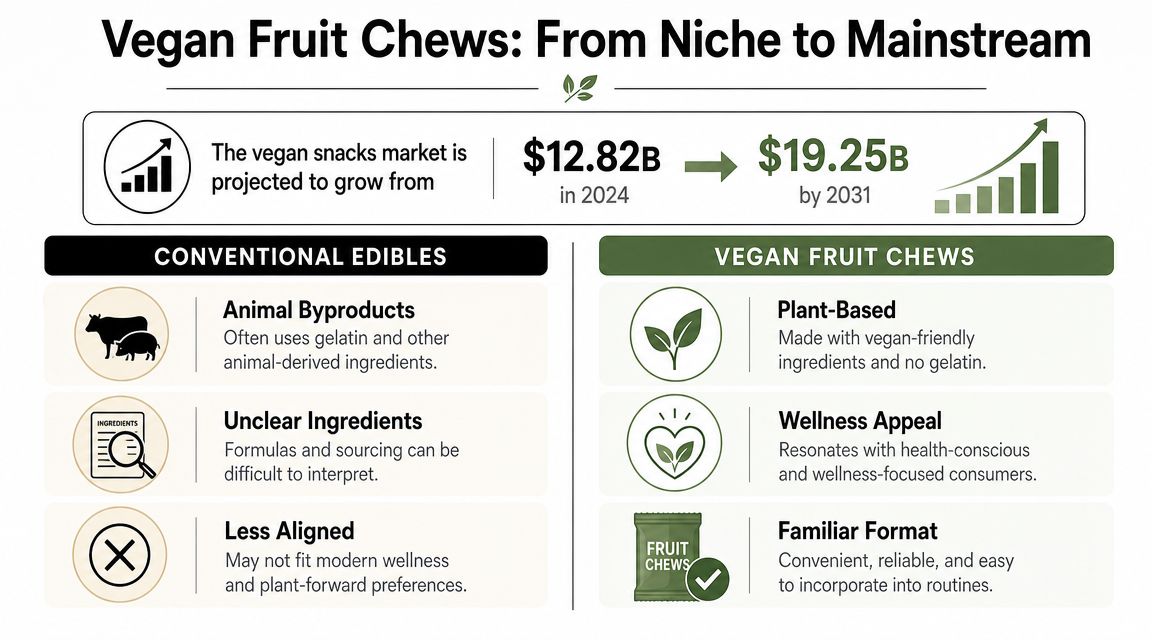
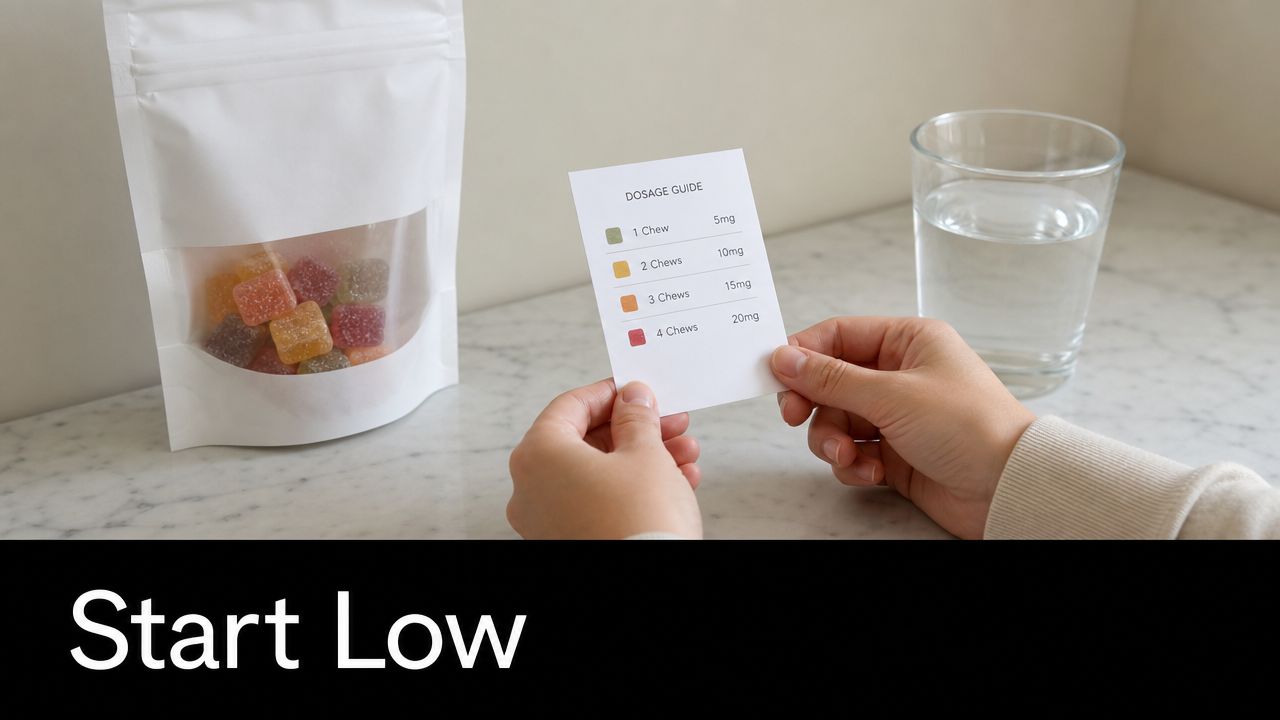
A safe delivery service usually looks boring in the right ways. The website is clear. The contact info is visible. The menu tells you what you're buying. The policies stay visible after you start the order.

A person holds a smartphone displaying the Vet Your Service home services application on its screen.

When I check a DMV delivery menu, I'm looking for operational discipline, not flashy branding. In this region, a good service needs to do two things at once. It needs to explain the product clearly, and it needs to communicate clearly about where it can and cannot deliver across DC, Maryland, and Virginia.

What to check first

Start with the site itself. A trustworthy operator answers practical questions before you ever text support.

  • Product detail: The menu should say whether a pre-roll is standard flower, infused, mini, single, or a multi-pack.
  • Testing and sourcing: If the service mentions lab-tested products or specific sourcing, the language should be plain and consistent across the menu.
  • Payment clarity: You should know what payment methods are accepted before checkout starts.
  • Service area: Delivery zones should be stated clearly, especially in a region where crossing one jurisdiction can change what is possible.
  • Human contact: Look for a working phone number, order support, or an FAQ that sounds like it was written by people who handle orders.

One example of a DC menu structure with product categories and delivery information is Green Express DC cannabis delivery.

ID policy is where shaky services show themselves

A vague ID policy creates delays, canceled orders, and awkward handoffs. It also tells you a lot about how the service runs day to day.

Look for answers to these questions before you order:

  1. What ID is accepted
    Government-issued ID should be listed clearly.

  2. When ID is checked
    Serious services explain whether verification happens during ordering, at delivery, or both.

  3. Whether out-of-state IDs are accepted
    That matters for tourists, conference visitors, and anyone staying in a hotel or short-term rental.

  4. What happens if the order name and receiving person do not match
    A professional service will spell this out instead of handling it case by case in text messages.

If a site hides the verification process, expect friction later. For general age-verification and ID-check standards in cannabis sales, the National Institute on Drug Abuse notes that state-regulated systems commonly require proof of age and identity at the point of sale or delivery in legal markets: https://nida.nih.gov/publications/research-reports/marijuana/marijuana-safe-effective-medicine

A short explainer helps if you're new to the process:

Red flags people ignore

Some warning signs are obvious. Others get brushed aside because the menu looks good or the delivery window sounds fast.

  • No policy page at all: That usually means the operator has not bothered to standardize the customer experience.
  • Thin menu descriptions: If every pre-roll sounds identical, the service may not know much about the products it lists.
  • Pressure to move off-platform right away: Ordering should not feel like a back-channel scramble.
  • No explanation of packaging or handoff: Professional services usually explain what to expect at the final step.
  • Confusing claims about DMV coverage: If a site talks like DC, Maryland, and Virginia all work the same way, that is a credibility problem.

That last point matters more in the DMV than in almost any other metro area. A service can be perfectly organized in DC and still be the wrong fit for a customer standing a few miles away in Maryland or Virginia. Good operators know the difference and say it plainly.

What reliable service actually feels like

Reliable delivery feels predictable. You place the order, get a confirmation, know what ID to have ready, and receive a discreet handoff without a long chain of clarifying texts.

That matters in apartment buildings, dorm-adjacent neighborhoods, hotels, and busy rowhouse blocks where nobody wants confusion at the door.

A good operator respects your time and the local rules. In the DMV, that means clear menus, clear communication, and no fuzzy promises about where delivery can happen.

Choosing the Perfect Pre-Roll for Your Needs

Not every pre-roll is built for the same moment. Some are for a quiet evening at home. Some are better for a walk, a concert, or hanging out with friends. Some are much stronger than they look on the menu.

The easiest way to shop smart is to separate two decisions. First, decide the effect profile you want. Second, decide whether you want a standard flower pre-roll or an infused pre-roll.

Start with strain style

The old shorthand still helps, even if experienced consumers know the actual feel of a product depends on more than the label.

Strain Type Commonly Associated Effects Best For
Indica Often associated with a heavier, slower, more settled feel Evenings, movie nights, winding down
Sativa Often associated with a brighter, more alert, more active feel Daytime use, social plans, creative errands
Hybrid Often associated with a balanced middle ground Flexible use, mixed settings, trying to avoid extremes

It's comparable to coffee and music. A sativa-leaning pre-roll can feel like a lighter roast and an upbeat playlist. An indica-leaning option can feel more like dim lights and a long album. A hybrid often sits in the middle, which is why it works for so many people.

Standard flower versus infused

This is the menu choice that changes the experience the most.

A standard flower pre-roll is the cleaner baseline. It's usually the better pick for someone trying a strain for the first time, someone easing back in after a break, or anyone who wants a more controllable session.

An infused pre-roll adds extra cannabis inputs such as concentrate or kief. That usually means a stronger, richer, more intense experience and a higher price. It also explains why the category has become so important commercially. According to 2025 Headset data, infused pre-rolls captured 48.5% of all pre-roll revenues and grew 14% year over year, while hybrid single-strain pre-rolls led unit volume, as noted in the Headset-based market analysis.

If you haven't tried a brand before, don't make your first order an infused multi-pack just because the menu makes it sound premium. Premium and suitable aren't always the same thing.

A practical buying method

Use this simple filter when browsing a pre-roll menu like the one in the Green Express DC prerolls category:

  • New or occasional user: Start with a standard flower pre-roll, ideally a single or a smaller format.
  • Social smoker: Look at balanced hybrids or multi-packs so you're not locked into one heavy effect.
  • Experienced consumer: Consider infused options when you want more punch and don't mind paying for it.
  • Trying multiple strains: Small-format rolls or packs make more sense than committing to one oversized item.

What people often get wrong

The biggest mistake isn't choosing indica when you wanted sativa. It's buying for ego instead of context. A pre-roll for a solo night at home is different from one you plan to share before heading out.

Buy for the setting, not the menu hype.

Get More Bang for Your Buck with Promos and Bundles

The cheapest pre-roll on the page isn't always the best value. In delivery, value usually comes from how you build the cart.

That matters even more when a service has a minimum. Operational data from delivery services shows that bundled offerings and rotating specials generate higher average order values by 22%, and minimum order requirements like a $50 threshold help maintain service reliability and profitability across delivery zones, according to the delivery operations reference.

An assortment of pantry staples including canned goods, jars of food, bread, an orange, and an apple.

How smart shoppers build a cart

Don't treat the minimum as a nuisance. Treat it as a reason to buy more intentionally.

A few practical approaches work well:

  • Pair a pre-roll with something stable: If you already know you like edibles, flower, or a vape, use the pre-roll as part of a broader restock.
  • Look for multi-packs instead of singles: They usually make more sense than stacking one-offs.
  • Check rotating specials before browsing full price items: Menus often bury the best value in a promo section.
  • Buy for the week, not the hour: One organized order beats a rushed second order later.

What doesn't work

Impulse carts are usually bad carts. People add random items to hit a minimum, end up with products they didn't really want, and convince themselves they saved money because the order qualified.

They didn't. They just spent more.

A good bundle solves a need you already have. A bad bundle is just a larger receipt.

The strongest value move is matching your shopping style to your actual habits. If you smoke occasionally, avoid giant bundles. If you already know infused pre-rolls are your lane, a well-priced pack may beat buying singles every time.

Your Pre-Roll Delivery FAQs for Green Express DC

If you want a smooth DMV order, keep the process simple. Check which jurisdiction you're in. Confirm the service operates legally for that address. Read the ID rules before checkout. Then choose a pre-roll that fits the occasion instead of buying the strongest thing on the page.

For people ordering in DC, a few practical questions come up again and again.

Common questions

What kind of ID should you have ready?
Have a valid government-issued ID ready at handoff. If you're visiting DC, don't assume the courier will skip this step just because you ordered online.

Is the packaging discreet?
That's the standard most adults want, especially in apartments, hotels, and shared buildings. If packaging details matter to you, check the FAQ or confirm before ordering.

What about same-day timing?
Same-day service depends on order flow, address, and when you place the order. The smart move is to order before you're in a rush, not when you're already late.

What if you're staying in a hotel or short-term rental?
Check that the property allows guest drop-offs and be ready to meet the courier promptly. Front desk confusion causes more delays than people expect.

Should first-time buyers order singles or packs?
Usually singles or smaller-format options. It's the easiest way to test both the product and the service without overcommitting.

The best delivery experience is uneventful. Clear menu, clear rules, discreet handoff, done.


If you're ordering in DC and want a straightforward place to start, Green Express DC offers a local menu with pre-roll options, same-day delivery, cash on delivery, and ID verification at drop-off so you can order with clearer expectations.

Posted on

EZ Gifting DC: A Guide to Cannabis Delivery in 2026

You’re probably in one of three situations right now. You’re in DC and want something delivered without wandering into a sketchy storefront. You’re staying in Virginia or Maryland and wondering whether the same rules carry over. Or you’ve seen ez gifting dc pop up in search results and you’re trying to figure out what’s legit, what’s risky, and what matters when product quality is on the line.

That confusion is normal in the DMV. DC has its own gifting framework, Virginia and Maryland follow different paths, and a lot of online listings make everything sound simpler than it is. The smartest move isn’t chasing the loudest menu or the lowest sticker price. It’s understanding how the local system works, what a compliant order should look like, and why lab-tested product matters more than flashy strain names.

Your Guide to DC's Cannabis Gifting Scene

You land in DC, pull up a menu, and everything looks halfway familiar until the wording starts getting strange. Nobody is calling it a standard retail sale, the prices sit on shirts or artwork instead of the flower itself, and every decent operator seems careful about how they explain the process. That is what's behind ez gifting dc.

Washington, DC still operates under Initiative 71, which allows adults 21+ to possess up to 2 ounces and transfer up to 1 ounce to another adult without compensation. That legal setup is why the city developed a gifting market instead of straightforward adult-use retail, as outlined in this overview of DC cannabis gifting laws under Initiative 71.

If you live in the DMV, the distinction matters even more than it does for a visitor. DC gifting is its own system. Maryland has licensed adult-use dispensaries. Virginia allows limited possession but does not offer the same easy consumer access model people expect. A lot of confusion starts when people assume the same ordering logic applies across all three places.

Public support in DC has stayed strong for Initiative 71. A September 2024 poll found 63% of likely DC voters opposed the Council’s efforts to shut down gifting shops, and 66% backed continued implementation of Initiative 71, according to Cannabis Business Times reporting on the DC voter poll.

A five step infographic illustrating how to navigate cannabis gifting services in Washington DC.

What ez gifting dc usually means in practice

The basic model is simple. You purchase a non-cannabis item, and the cannabis is presented as a gift tied to that order. In real-world DC use, everybody understands what product the customer is there for, but the wording, order flow, and transaction structure still matter.

That is also where quality starts separating good services from reckless ones.

A careful operator explains the process clearly, verifies age, communicates delivery terms, and avoids sloppy language that makes the interaction sound like a direct retail weed sale. A weak operator chases volume, copies dispensary-style menus without context, and treats compliance like a technicality. Those are the services that create unnecessary risk for customers.

Practical rule: If the whole exchange sounds like a direct cannabis sale, the service is getting too close to the line.

Product quality is the other half of the equation, and a lot of thin guides miss it. In DC, legal wording alone does not tell you whether the flower was stored properly, whether a vape came from a reputable source, or whether an edible was labeled with any real care. If a service cannot speak clearly about sourcing and testing, assume you are guessing.

What works and what does not in DC

If you're using services in the city, a few patterns separate a good order from a bad one.

  • What works

    • Use businesses that explain the process clearly: A compliant service should tell you what you are purchasing, how the gift framework works, and what ID rules apply.
    • Stay within the transfer limit: Initiative 71 allows transfers of up to 1 ounce to another adult, so oversized requests are an obvious red flag.
    • Expect ID verification: Casual age checks usually signal a casual attitude toward everything else.
    • Prioritize tested products when possible: Lab-tested flower, vapes, and edibles reduce the guesswork on potency and contamination.
    • Use delivery services with a clean process: Delivery usually means better communication, clearer expectations, and less storefront confusion.
  • What does not

    • Negotiating over the cannabis itself: That can pull the interaction away from the gifting framework.
    • Assuming every “dispensary” sign means licensed retail: In DC, many people use that language loosely.
    • Trusting branding over substance: A polished Instagram page does not prove compliance or product quality.
    • Ignoring regional differences: A method that feels normal in DC may not fit Maryland or Virginia rules at all.

People searching for ez gifting dc are usually after one thing. Predictability. They want a service that understands local rules, communicates like a professional, and offers product they would feel comfortable bringing home.

If you want a grounded overview of how established operators present themselves, this roundup of I-71 compliant shops in DC is a useful place to start.

Placing Your Compliant Order with Green Express DC

Friday night in DC usually exposes the difference between a polished gifting service and a sloppy one. One order gets confirmed fast, the courier gives a clear window, the handoff takes two minutes, and the product arrives exactly as expected. The bad version is just as familiar. Vague replies, last-minute payment confusion, and a driver waiting outside while the customer digs for ID.

A compliant order should feel routine.

A person using a smartphone app for corporate compliant gifting while sitting at a table.

How the order flow usually goes

Start with the menu and read it like a buyer, not a browser. Pick the format that fits the occasion, then confirm that the service explains its ordering steps clearly. Green Express DC does that well on its DC cannabis delivery service page, which lays out the basic process without making the customer guess.

After that, keep your side clean:

  1. Use a real, reachable delivery location
    Apartments, hotels, and private residences can all work if the courier can complete the handoff without chasing you.

  2. Have your government ID ready
    Age verification is part of the process. If the name or person does not match the order, expect delays or a canceled handoff.

  3. Sort out payment before the courier arrives
    DC gifting orders often run on cash at delivery, so confirm the payment method in advance and have it ready.

  4. Stay within the allowed transfer amount
    As noted earlier, adult-to-adult transfers in DC are capped at 1 ounce. If an order request pushes past that line, you are creating a compliance problem before the courier even leaves.

What a good handoff looks like

The best deliveries are quiet, fast, and professional.

You get a confirmation message. The courier arrives within the stated window. Packaging stays discreet. ID gets checked. The exchange is brief, respectful, and done. That matters in DC, and it matters even more if you are coming from Maryland or Virginia, where the legal setup around retail access and delivery works differently. People who bounce around the DMV often assume the same routine applies everywhere. It does not.

A few habits make these orders much easier:

  • Reply quickly to access questions: Gate code, apartment number, lobby instructions, and hotel meet-up details should be sent early.
  • Do not switch locations mid-order unless the service approves it: That is one of the fastest ways to create confusion or cancellation.
  • Do not rebuild the cart at the door: If you want to change products, handle it before dispatch.
  • Treat ID checks like standard procedure: A courier who verifies age and identity is usually running a tighter operation.

Where people create their own problems

The awkward deliveries I see usually start with poor timing. Someone orders while still in transit. Someone else sends a friend downstairs who cannot show matching ID. Another buyer expects card payment because that is what they use at licensed dispensaries in Maryland.

That is the wrong frame for DC gifting. The process works better when you treat it like a compliance-sensitive delivery with stricter expectations around timing, identity, and communication.

Order when you are available. Keep your phone on. If your building has front desk rules, say so early. If the service has a minimum order, build the cart with that in mind instead of trying to patch it together once the ETA text arrives.

That discipline sounds minor, but it separates easy orders from messy ones.

Choosing the Perfect Gift Lab-Tested Flower Vapes and More

You get the order timing right, the address is clear, and the courier shows up on schedule. Then the bag opens and the product tells a different story. Dry flower. A cart with no testing info. Edibles that say almost nothing beyond the flavor. That is where a good DC gifting experience can fall apart.

Ez gifting dc is not just about getting a delivery. It is about choosing products that are worth accepting in the first place, especially in a market where presentation often outruns verification. That also matters more in DC than in neighboring Maryland, where licensed dispensaries operate under a tighter retail framework, or in Virginia, where the rules create a different set of limitations. In DC’s gifting model, the buyer has to do more of the quality screening.

Why lab-tested product matters more than menu hype

Experienced buyers consistently look for lab reports, batch information, and clear product sourcing before they pay much attention to a strain name or a flashy THC number.

That is the gap I pay attention to first.

A menu can claim high potency all day. If it does not show any supporting testing, that tells me the operator is asking for trust without giving much back. For flower, testing helps confirm basic safety and gives you a better read on cannabinoids and terpene content. For vapes, it matters even more because you are dealing with a processed product where cutting corners is harder to spot with your own senses.

Newer buyers are usually the ones who get burned here. They see a familiar strain name, assume quality, and end up with harsh vapor, weak flower, or an edible that is poorly labeled. A careful menu gives enough information to reduce that guesswork.

Buyer mindset: Treat lab access and clear sourcing as part of the product, not as bonus information.

Picking the right format for the right situation

Flower is still the easiest category to judge once it arrives. You can check aroma, moisture, trim, cure, and overall freshness without specialized knowledge. If someone already knows what they like, flower is usually the safest place to start.

Vapes are about convenience, discretion, and portability. They fit hotel stays, shared housing, and quick use without much smell. They also demand more scrutiny than flower. If you are comparing carts, look for a menu that presents the category clearly and avoids mystery hardware or vague oil descriptions. A curated page for THC cartridge options in DC is a better model than a menu that only lists strain names and inflated potency claims.

Edibles work well for smoke-free use, but they are less forgiving. The delayed onset still catches people who assume they need another piece after 30 minutes. Concentrates are even less forgiving and make more sense for buyers who already understand dosage and effect.

Cannabis Gift Selection Guide

Gift Recipient / Occasion Recommended Product Type Why It's a Good Fit
Close friend who already knows flower Premium flower Easier to evaluate for aroma, freshness, and cure quality
Traveler who wants discretion Vape Portable and lower odor, if the product is clearly sourced and tested
Low-key evening at home Edible Simple smoke-free option if the dose is approached patiently
Experienced enthusiast Concentrate Better suited to someone who already understands stronger formats
First-time or occasional user Mild flower or a low-intensity edible Easier to pace than jumping straight into high-potency products

What works and what to avoid

The best picks usually come from matching the format to the person, not from chasing whatever product sounds strongest.

  • Choose flower if quality inspection matters to you: It gives the clearest sensory feedback after delivery.
  • Choose vapes for convenience and smell control: Only buy when the seller is clear about product verification.
  • Choose edibles with dose discipline in mind: Start low and wait.
  • Choose concentrates only if the recipient already knows the category: They hit harder and leave less room for error.

I do not put much weight on THC percentages by themselves. In DC’s gifting market, that number is often marketing shorthand. Clear testing, honest presentation, and product condition tell you much more about whether the gift is good.

Beyond the District Navigating Cannabis in Virginia and Maryland

You place a compliant gifting order in DC, then head to dinner in Arlington and spend the next night in Bethesda. That feels like one metro-area trip. For cannabis, it is three different rule sets.

That is the first mistake I see around the DMV. People treat DC, Virginia, and Maryland like one shared market because the drive is short. The law does not work that way. Your location controls what options are available, whether delivery is allowed, and what kind of transaction structure makes sense.

A long paved road leading into the distance between green hills and golden wheat fields.

DC versus Virginia versus Maryland

DC still has its own personality. The phrase ez gifting dc exists because the District developed around Initiative 71, where adult possession and gifting were allowed but standard adult-use retail sales stayed restricted for a long time. That created a market where wording, process, and service discipline matter more than buyers expect.

Maryland and Virginia are different situations. Maryland has a licensed adult-use system. Virginia allows personal possession in limited circumstances, but retail access has remained much more restricted and less straightforward than many visitors assume. So if you are comparing your options across the DMV, DC is the place where gifting language matters, Maryland is the place where licensed dispensary rules matter, and Virginia is the place where people get themselves in trouble by assuming access is broader than it is.

The practical takeaway is simple. Do not copy a DC ordering habit into a neighboring state and expect it to stay compliant.

What changes once you leave DC

A few rules keep people out of avoidable problems:

  • Do not expect a DC delivery service to serve Virginia or Maryland: A compliant District operator should keep deliveries inside DC.
  • Do not carry DC gifting assumptions across the border: The transaction structure that makes sense in the District does not automatically fit another jurisdiction.
  • Use the legal channel available in the state you are standing in: In Maryland, that usually means licensed dispensaries. In Virginia, verify current lawful access before you do anything.
  • Check the product standard, not just the menu: Lab-tested products matter even more when buyers are sorting through mixed-quality options in the broader DMV market.

That last point gets missed. Cross-border shoppers often focus on legality first and quality second. Fair enough. But quality problems are common wherever oversight is inconsistent, and that is one reason I put real weight on test results, packaging clarity, and whether a service can explain where its products come from.

What this means if you live near the border

If you live in Northeast DC and work in Silver Spring, or split time between Alexandria and the District, treat each order like a local order for that jurisdiction. Your home base does not override the rules where you receive or use the product.

Tourists run into the same issue. A hotel in DC, brunch in Virginia, and an evening in Maryland can all happen in one day. From a compliance standpoint, those are separate decisions, not one continuous outing.

My practical rule is conservative because it avoids the dumbest risks. Order where you are allowed to receive. Use products where they were lawfully obtained. Keep an eye on testing and source quality, especially if a service is vague, rushy, or evasive. In the DMV, convenience is easy to find. Clean compliance and product confidence take a little more discipline.

Common Gifting Pitfalls and Frequently Asked Questions

The fastest way to mess up a gifting order is to treat it like an ordinary retail weed sale. That’s where new buyers slip.

In this market, wording matters, process matters, and the service’s professionalism matters. A lot of avoidable problems come from customers trying to improvise.

The mistakes I see most often

The biggest one is trying to negotiate the cannabis itself. In the gifting model, that can cross the line from compliant framing into an illegal sale. According to this breakdown of common compliance mistakes in DC gifting transactions, the main pitfall affects 15% to 22% of new users, and it happens when they try to negotiate the price or quantity of the cannabis gift instead of respecting the structure of the transaction.

That mistake usually shows up in familiar ways:

  • “How much better flower do I get if I spend more?”
    That kind of language pushes the interaction toward a direct sale.

  • “Can I swap the gift amount if I add cash?”
    Same problem.

  • “Can you just skip the merchandise part?”
    If that’s the conversation, the compliance framing is already breaking down.

Don’t force the service to explain the legal line twice. If they’re careful with wording, that’s a good sign.

FAQ for first-timers and regulars

Can tourists use a DC gifting service

Yes, if they are adults 21+ and can present valid government-issued ID at delivery. The age check is not optional.

Can I pay with a card

Many DC gifting services still rely heavily on cash. If a service tells you cash on delivery, ensure you have the cash ready and prepare before the courier arrives.

Can I ask the courier for changes at the door

You shouldn’t count on it. Last-minute changes create confusion and can disrupt the service’s compliance process.

What happens if I miss the delivery

That depends on the operator’s policy. In practice, the best move is to communicate quickly if your ETA changes or your building access is complicated.

Can I receive more than an ounce in one transaction

No. The Initiative 71 transfer limit is 1 ounce per transaction, so responsible buyers keep requests inside that boundary.

How do I avoid low-quality product

Prioritize transparency. If a service posts THC numbers but won’t show testing information, be skeptical. In DC’s gray-market environment, quality control isn’t something you should assume.

Is ez gifting dc automatically a bad option

Not automatically. But it raises the same question any gifting service should raise. Does the operator make compliance clear, and do they give you enough confidence about product quality? If the answer is fuzzy on either point, keep looking.

A good DC cannabis experience usually feels straightforward. The legal framing is explained. The delivery process is clean. The product category matches your needs. And you don’t feel like you’re guessing about what’s in the package.


If you want a smoother way to order in the District, Green Express DC is worth a look. The service focuses on fast, discreet delivery across DC, with lab-tested, 100% organic products, a curated menu, clear ordering policies, and professional ID verification at drop-off. For adults 21+ who care about product quality and a hassle-free process, it’s one of the cleaner options in the local market.

Posted on

Best Weed Delivery in DC, MD & VA: The 2026 Guide

You’re in the DMV, it’s late, traffic is awful, and the last thing you want is to gamble on some sketchy menu with vague product names and no clear rules. You just want quality weed delivered safely, discreetly, and legally.

That sounds simple until you cross a border in this region. Washington, DC, Maryland, and Virginia do not play by the same rules. A service that looks normal in one place can be unavailable, restricted, or operating under a completely different framework a few miles away.

That’s why finding the best weed delivery in the DMV isn’t about flashy menus or promises of speed. It’s about knowing what’s legal where you are, how to spot a serious operator, and what a smooth delivery process should look like.

Your Guide to Cannabis Delivery in the DMV

Cannabis delivery is no longer some fringe convenience. It’s become part of how people shop. The legal cannabis market reached approximately $35 billion by 2025, and the delivery segment is projected to reach $7.5 billion by 2033, according to this cannabis delivery market overview. That growth tells you something important. People want convenience, but they also want a process that feels normal, reliable, and low-stress.

In the DMV, convenience runs straight into legal complexity. DC has its own culture and compliance model. Maryland has a more straightforward licensed adult-use system. Virginia is the one people misread most often, especially if they assume personal use and retail delivery mean the same thing.

Local reality: In the DMV, the best weed delivery option depends first on your address, not your budget or your strain preference.

A good delivery service should make the process feel easy. But you still need to know what you’re looking at before you order. If you don’t, you can end up wasting time on services that won’t deliver to you, don’t verify properly, or hide the one detail that matters most, whether the operation is following the rules in your area.

This guide is built for people in DC, Maryland, and Virginia who want direct answers. No fluff. No fake hype. Just how to order smart, how to avoid bad operators, and how to get cannabis delivered with confidence.

Navigating the Legal Maze of DC, MD, and VA

The DMV confuses people because the laws sound similar at a distance. They aren’t. If you want the best weed delivery experience, start with the basic question that too many people skip. What is legally allowed where I’m standing right now?

An infographic summarizing cannabis laws for Washington DC, Maryland, and Virginia, detailing medical and recreational use.

Washington DC

DC has the most unique setup in the region. Adults can legally possess and use cannabis for personal use, but the retail framework has long been shaped by the I-71 gifting model. In plain English, many delivery services in DC operate by selling a non-cannabis item and including cannabis as a gift.

That means consumers need to pay attention to how a business describes its process. If a DC service looks careless about compliance language, that’s a red flag. If you want a clearer sense of how these businesses present themselves, review examples of I-71 compliant shops in DC.

What matters for you as a customer is simple. Use services that clearly explain their ordering process, verify age, and don’t act like the law is optional.

Maryland

Maryland is more straightforward for adult-use consumers. The state has a licensed recreational market, and that changes the customer experience. Instead of navigating a gifting structure, you’re typically dealing with a regulated dispensary environment.

That usually means more standardized ordering, more formal inventory controls, and a process that feels closer to mainstream e-commerce. For many buyers, especially first-timers, Maryland’s structure feels easier to understand because the legal path is more direct.

Virginia

Virginia is where people get tripped up. Personal use allowances do not automatically create a broad retail delivery market. That distinction matters.

A lot of consumers assume, “If I can possess it, someone can deliver it to me.” That’s not how the state works. In Virginia, you need to be much more cautious and much more specific about what kind of service you’re dealing with, whether it’s medical access, limited lawful channels, or something that simply doesn’t have the legal footing customers think it does.

Don’t copy your friend’s ordering habits from DC and assume they apply in Arlington, Alexandria, or anywhere else in Virginia. They might not.

Cannabis Delivery Laws at a Glance DC vs. Maryland vs. Virginia 2026

Legal Aspect Washington, DC Maryland Virginia
Adult personal use Permitted Legal Allowed for personal use
Delivery framework Commonly tied to I-71 gifting model Licensed adult-use market More restrictive environment
Retail clarity for consumers Moderate. You need to understand how the service structures the transaction Higher. The licensed model is easier for most consumers to follow Lower. Consumers need to verify carefully
Medical card relevance Depends on the service model May depend on operator and product access Often more important than many consumers expect
Consumer risk of confusion High for newcomers Lower High

The practical rule for residents and visitors

If you live in DC, learn the gifting model before you order. If you’re in Maryland, stick with clearly licensed operators. If you’re in Virginia, assume less is allowed until you verify otherwise.

That approach isn’t paranoid. It’s smart. The best weed delivery service is the one that can deliver legally to your exact location without putting you in a gray-area mess.

How to Vet Your Weed Delivery Service

Consumers often vet delivery services the wrong way. They start with price, then speed, then whatever strain names look familiar. That’s backwards. Start with legitimacy and product transparency. Everything else comes after that.

A person holding a smartphone showing a mobile app comparing two different cannabis delivery companies services.

Ask whether the products are actually transparent

A lot of services talk about fast delivery, broad menus, and convenience. Very few put lab testing results or Certificates of Analysis front and center. That creates a real trust gap, as noted in this discussion of cannabis delivery transparency and COAs.

If a service claims products are lab-tested, you should expect more than a slogan. You should be able to find meaningful product information, not just a catchy strain name and a price. Think of lab testing like a nutrition label. It tells you what you’re buying, how strong it is, and whether someone verified what’s inside.

Ask:

  • Can I see testing information? If not on the menu, is it available on request?
  • Do product descriptions include useful detail? Flower, vapes, edibles, and concentrates shouldn’t all read like generic placeholders.
  • Is “organic” or “clean” explained? Real operators explain. Weak ones just advertise.

Check whether the menu looks maintained

A sloppy menu usually means a sloppy operation. If products are constantly listed but unavailable, descriptions are inconsistent, or categories are half-empty, that tells you the back end isn’t tight.

A serious service should show:

  • Clear categories such as flower, prerolls, concentrates, edibles, tinctures, and vapes
  • Current availability instead of dead listings
  • Useful product naming that separates potency products from beginner-friendly options

This is also where services like Green Express DC cannabis delivery fit into the conversation. The key point isn’t branding. It’s whether the menu, ordering flow, and verification process look like they’re being actively managed by adults who understand compliance and customer experience.

Look for signs of real operations discipline

Good delivery isn’t just a driver with a car. Established operators use dispatch systems, route planning, and GPS-based logistics to keep deliveries organized. According to this overview of cannabis delivery fleet tracking and route optimization, route optimization and real-time GPS tracking are central to improving efficiency, reducing wasted miles, and supporting compliance reporting. The same source notes that some operations use integrated platforms with dispatching, mobile delivery apps, and driver tracking, and that better route planning can let drivers process 15 to 25% more deliveries per shift.

You won’t see that machinery directly as a customer, but you’ll feel it. Orders arrive in a tighter window. Communication is clearer. Drivers aren’t improvising.

Practical rule: If a service can’t tell you roughly when your order is arriving, they’re not running a serious delivery system.

Here’s a quick gut check for operational quality:

  • Professional communication: Texts or calls should be clear, short, and specific.
  • Defined service zones: Reliable operators know exactly where they deliver.
  • Stable order handling: You shouldn’t have to repeat your address three times.

A useful explainer on the shopping side of this process is below.

Verify compliance systems, not just vibes

Cannabis delivery businesses have to manage exact weights, exact stock counts, and documented chain of custody. According to this cannabis delivery technology overview, NTEP-certified scales are required for cannabis point-of-sale use, and real-time inventory systems support accurate stock display, delivery manifests, and compliance records. That matters because bad measurement and bad inventory controls create legal risk and customer problems.

You don’t need to ask a driver what scale the company uses. But you should notice the downstream signals:

  • Are item quantities clear?
  • Does the menu prevent obvious overselling?
  • Does your order confirmation look organized rather than improvised?

Vet the customer-facing basics

At this juncture, common sense takes over.

  • ID verification: Legit services verify age and identity. If they don’t, leave.
  • Packaging: It should be discreet and clean, not attention-seeking.
  • Payment clarity: You should know before checkout whether the service takes cash, online payment, or both.
  • Minimums and fees: Clear minimums are fine. Hidden fees aren’t.
  • Deals: Real value is easy to understand. Gimmicks bury the actual cost.

The best weed delivery service doesn’t just get weed to your door. It proves, step by step, that the people running it care about product safety, legal compliance, and basic execution.

Placing Your Order A Step-by-Step Walkthrough

Ordering cannabis for delivery should feel closer to ordering from a polished food app than doing some back-channel favor. If it feels chaotic at checkout, stop there.

A person using a digital tablet to browse and order cannabis products from an online dispensary store.

Start with the menu, not the homepage

The homepage sells the vibe. The menu shows whether the business is real.

Scan product categories first. Flower should be separated clearly from concentrates, vapes, edibles, and tinctures. Read descriptions carefully, especially if you’re new. Some listings are built for experienced users and won’t hold your hand.

A simple approach works best:

  1. Pick the category first. Flower for a familiar inhale, edibles for a slower onset, concentrates for high potency.
  2. Read the form factor. A disposable vape isn’t the same as a cartridge. A preroll isn’t the same as loose flower.
  3. Check quantity and naming. Make sure the amount listed matches what you think you’re buying.

Build the cart and confirm the delivery area

Once you’ve picked your products, add them to your cart and verify that your address falls inside the service area. DMV shoppers often run into trouble. A service may cover DC broadly but not deliver where you’re staying, or it may have different rules for residential buildings, hotels, or temporary lodging.

Before you submit the order, confirm:

  • Your exact address
  • Any gate code or apartment instructions
  • Your phone number for driver updates

If a service lets you place an order without checking whether they actually serve your location, expect friction later.

Finish checkout and prepare for verification

Through these checks, legitimate operators separate themselves from sloppy ones. You may need to upload an ID, confirm your age, or prepare to show a valid government ID at drop-off. That isn’t a hassle. It’s a sign the service is taking the handoff seriously.

At checkout, look for:

  • A clear order summary
  • A delivery window or timing estimate
  • Payment instructions that make sense before the driver arrives

The smoother this part is, the less stressful delivery day will be. Good services make the process feel normal. Bad ones make you chase basic information.

What to Expect on Delivery Day

Delivery day should be boring in the best possible way. You place the order, get a confirmation, wait for a short update, and complete a clean handoff.

A delivery person handing a small brown paper package to a customer at a front door.

Most professional services send a text or call when the driver is on the way. The message should give you a realistic arrival window, not a vague “soon.” If the communication feels scattered or the driver keeps changing plans, that’s not great service. That’s weak dispatch.

Have your physical ID ready before the driver arrives. Don’t make them wait while you dig through a bag or search your camera roll for a photo of your license. If the service takes cash on delivery, have the payment ready too.

What a clean handoff looks like

A good delivery handoff is quick, discreet, and professional.

  • The driver confirms your identity
  • You complete payment if needed
  • You receive discreet packaging
  • You do a fast order check before the driver leaves

Meet in a safe, sensible location if your building setup makes door delivery awkward. A well-lit lobby or front entrance is usually better than creating confusion in a hallway maze.

Check the basics immediately. Right items, right quantities, no obvious issue with packaging. Don’t wait until the driver is gone to realize something is off.

If a service handles delivery well, the experience feels routine. That’s exactly what you want.

A Local Spotlight on Green Express DC

In DC, one service example that fits many of the standards above is Green Express DC delivery service. It operates as a Washington, DC cannabis delivery option for adults 21+ and focuses on same-day delivery, ID verification at drop-off, discreet packaging, and a menu that includes flower, concentrates, vapes, edibles, and tinctures.

That matters because a lot of customers aren’t just looking for speed. They want signs of basic discipline. Clear ordering. Clear minimums. Clear handoff expectations. A service with a curated menu and transparent policies is easier to trust than one that throws a hundred vague products on a page and hopes you won’t ask questions.

Why this example stands out in DC

One notable differentiator is the emphasis on lab-tested and 100% organic products. That lines up with the trust gap discussed earlier around testing visibility and product transparency. In a market where many services lead with convenience alone, that kind of product positioning gives customers a more useful starting point.

There’s also a practical customer-service angle. The service offers a $50 minimum, cash on delivery, same-day availability, and rotating specials, including $150 for 10g of shatter or crumble bundles. Those details matter because they answer the questions people usually have before ordering: What’s the minimum? How do I pay? Is there a reason to order more than one item?

What buyers should take from this

Don’t treat any single service as automatically perfect. Use the same checklist on everyone. Look at the menu quality, the order flow, the delivery expectations, and whether the business explains itself clearly.

If you’re in DC, this is the kind of profile worth looking for:

  • A defined menu instead of random listings
  • Product transparency instead of empty hype
  • Discreet delivery practices that don’t create unnecessary attention
  • A simple payment and verification process that feels organized

That’s the difference between a delivery service that’s merely available and one that’s worth using.

Your Final Checklist for a Safe Delivery

If you want the best weed delivery in the DMV, keep the checklist simple.

First, match the service to your location. DC, Maryland, and Virginia don’t use one shared rulebook. A legal order starts with the right jurisdiction.

Second, vet the operator before you shop the deal. Look for testing transparency, a maintained menu, clear ID verification, discreet packaging, and communication that sounds professional.

Third, be ready when the driver arrives. Have your physical ID, payment, and delivery instructions sorted out in advance.

Use this quick filter every time:

  • Legal in your location
  • Clear menu and checkout
  • Visible product standards
  • Professional handoff expectations

If a service misses on any of those, move on. There’s no reason to force a bad order when safe, organized options exist.

Frequently Asked Questions

Do I need a medical card for weed delivery in DC, Maryland, or Virginia

It depends on where you are and which type of service you’re using. In DC, many consumers encounter the I-71 gifting model rather than a standard retail setup. In Maryland, adult-use access is more straightforward through licensed channels. In Virginia, assume the rules are tighter until you verify the exact delivery pathway.

Should you tip a weed delivery driver

Yes, if the service allows it and the experience was smooth. Good drivers deal with timing, communication, traffic, and careful handoffs. If they were professional, on time, and clear, tipping is reasonable.

What if you miss the delivery window

Most operators will try to contact you. If you ignore messages or aren’t ready with ID and payment, expect delays or a canceled order. Keep your phone nearby once your order is confirmed.

Can weed be delivered to a hotel or Airbnb

Sometimes, but don’t assume it’s automatic. Some buildings, hotels, and short-term rentals have access rules that complicate handoffs. Call ahead if needed, and make sure the service is willing to deliver to that type of location.

Can a delivery driver leave the package at the door

A legitimate cannabis delivery should involve an in-person handoff with ID verification. If a service is offering unattended drop-off, that should raise concerns immediately.


If you’re in DC and want a straightforward option for fast, discreet cannabis delivery, Green Express DC offers online ordering, same-day service, lab-tested products, and clear drop-off procedures for adults 21+ in the District.