Posted on

The Ultimate Guide to Organic Cannabis: Purity, Potency, and Standards in 2026

The Ultimate Guide to Organic Cannabis: Purity, Potency, and Standards in 2026

What if the “clean” flower you purchased last week actually contains traces of synthetic pesticides banned in nearly every other agricultural sector? You deserve to know exactly what enters your body. Most health-conscious consumers already choose organic produce to avoid toxins, yet many still overlook the importance of organic cannabis in their wellness routine. It’s frustrating to face harsh smoking experiences or confusing labels that offer no real guarantee of safety. You shouldn’t have to guess about the purity of your medicine or your recreation.

You want a product that’s as pure as it is potent. This guide explains why organic cultivation is the definitive gold standard for safety and efficacy in 2026. We’ll show you how to verify true purity in a market crowded with non-federal labeling and shifting regulations. You’ll learn to identify the benefits of clean soil, understand the OCal certification standards, and read lab reports with clinical precision. It’s time to remove the guesswork and secure the high-tier, artisanal experience you expect from a premium source.

Key Takeaways

  • Define the rigorous standards of cultivation that distinguish high-tier organic cannabis from conventional options.
  • Identify the health advantages of avoiding synthetic residues to ensure a cleaner smoke and a smoother finish.
  • Move beyond the THC percentage trap by understanding how organic terpene profiles create a balanced entourage effect.
  • Learn how to interpret Certificates of Analysis to verify the absence of heavy metals and microbials.
  • Discover the specific curation process used to vet artisanal products for a premium, lab-verified experience.

What is Organic Cannabis? Defining Purity in 2026

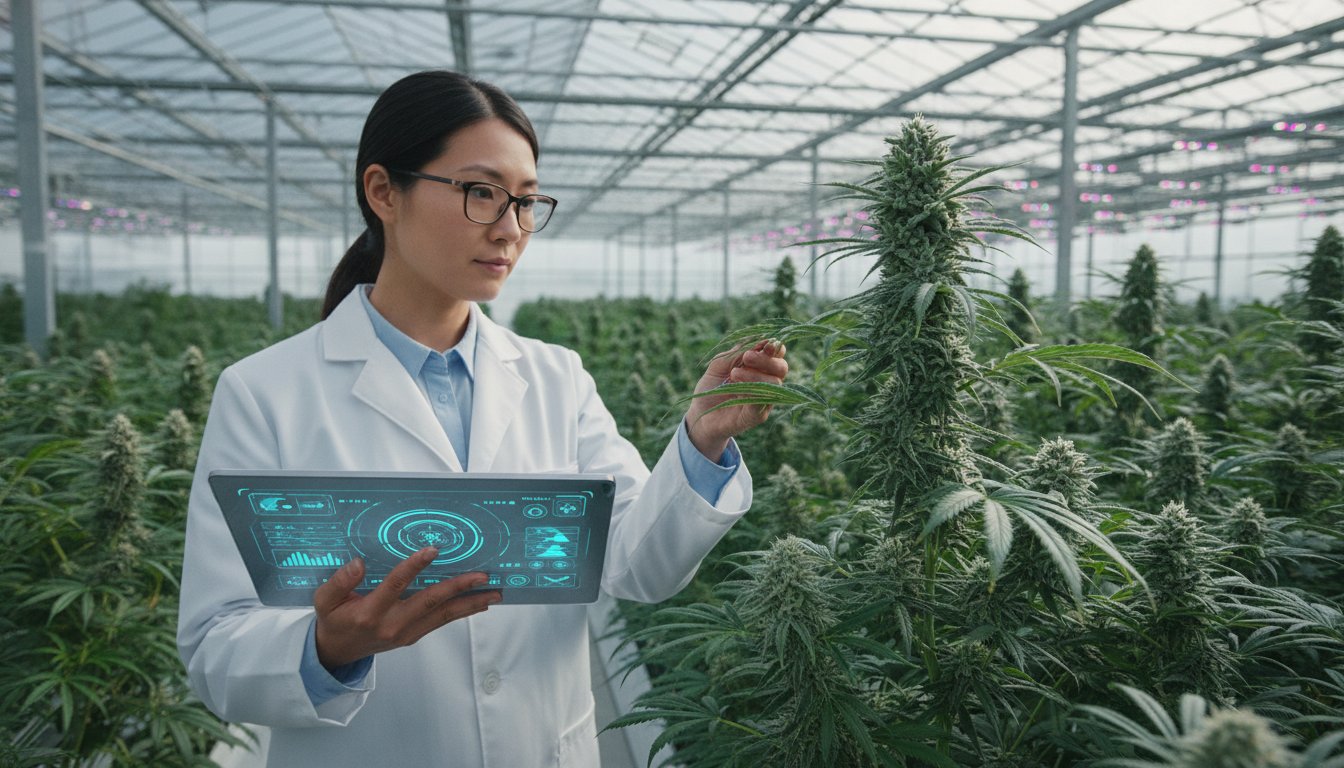
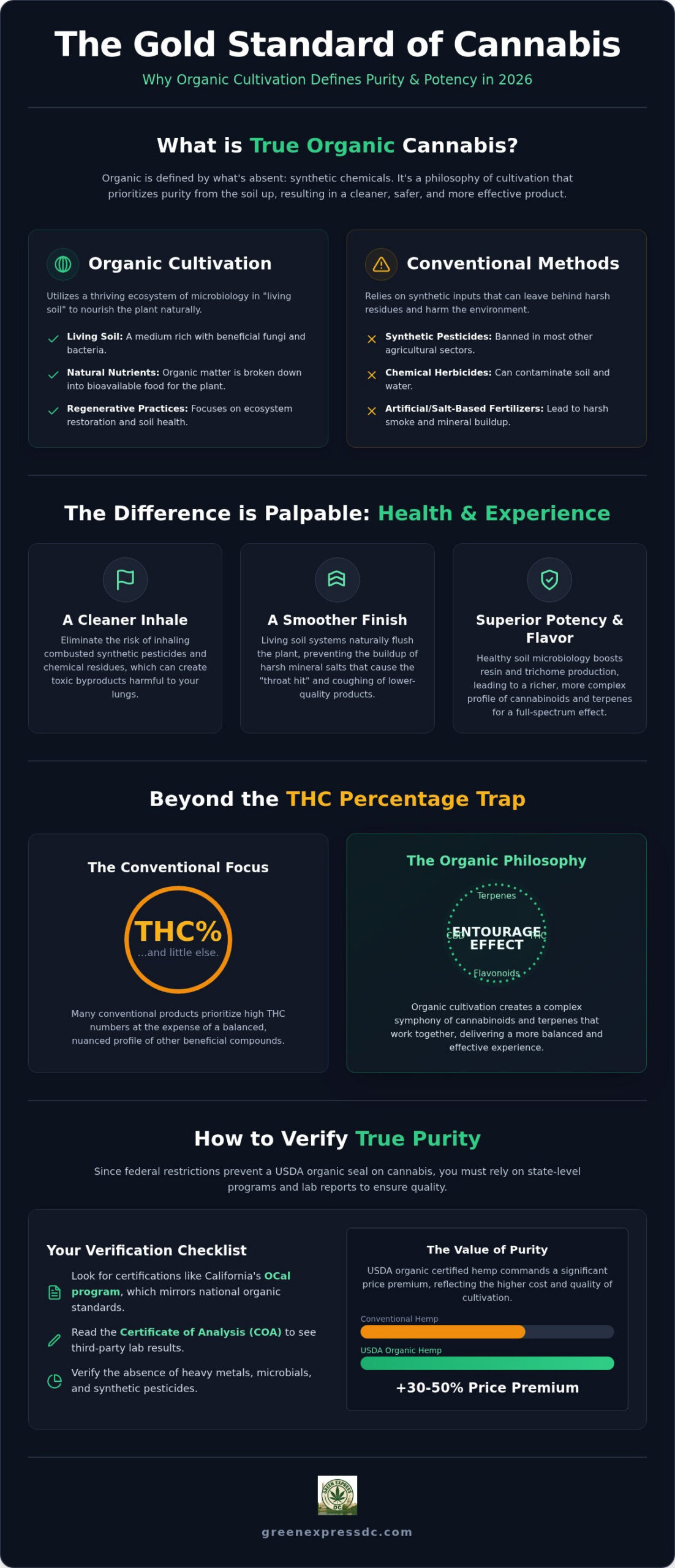
True organic cannabis represents the pinnacle of botanical purity and consumer safety. It is defined by what is absent from the cultivation process: synthetic pesticides, chemical herbicides, and artificial fertilizers. Instead of using salt-based nutrients that can leave harsh residues, organic growers utilize living soil. This medium is a thriving ecosystem of microbiology, including beneficial fungi and bacteria that break down organic matter into bioavailable nutrients. This biological approach allows the plant to reach its full genetic potential, resulting in a cleaner chemical profile and a more nuanced expression of its natural compounds.

Federal restrictions currently prevent the USDA from issuing organic seals for high-THC products. This creates a landscape where transparency depends on rigorous third-party vetting and state-level programs. In 2026, sophisticated consumers look for certifications like California’s OCal program, which provides a framework comparable to the National Organic Program. Reliable sources prioritize these standards to ensure safety and quality. Understanding modern Cannabis cultivation techniques is essential for identifying brands that invest in these high-standard processes. These rigorous methods are why USDA organic certified hemp biomass commands a 30-50% price premium over conventional options in 2026.

The Difference Between Natural and Organic

The word “natural” is often a distraction. In the cannabis market, it functions as an unregulated marketing term with no legal weight or oversight. A product labeled “natural” might still involve the use of synthetic growth regulators or harsh chemical inputs during the flowering cycle. Authentic organic standards prohibit these substances entirely. By choosing verified organic options, you avoid inhaling combusted chemical residues. This choice supports environmental sustainability while ensuring your own peace of mind. True organic standards require:

  • Zero use of petroleum-based fertilizers.
  • Strict prohibition of systemic synthetic pesticides.
  • Verified soil health and water purity tests.

Regenerative Agriculture in Cannabis

Regenerative farming takes organic principles to a higher level by focusing on ecosystem restoration. While indoor organic environments offer total climate control, sun-grown regenerative systems often produce a wider array of secondary metabolites due to full-spectrum solar exposure. This method prioritizes the long-term vitality of the land and carbon sequestration. It creates a closed-loop system that minimizes waste and maximizes plant health.

Regenerative cannabis is a system that gives back more to the soil than it extracts.

This commitment to the environment results in a product that feels different. You aren’t just purchasing a flower; you’re investing in a cultivation philosophy that values long-term health over short-term yield. The result is a smooth, clean experience that sets the gold standard for the industry in 2026.

Why Cultivation Methods Matter for Your Health and Experience

Inhaling combusted material requires the highest safety standards. When you smoke conventional flower, you risk inhaling residual synthetic pesticides and chemical growth regulators. These substances aren’t designed for combustion. Burning them can create toxic byproducts that irritate the lungs and enter the bloodstream. Choosing organic cannabis eliminates these risks at the source. It ensures that every inhale contains only pure botanical compounds without hidden chemical additives.

The difference is palpable in the physical experience. Organic flower is renowned for a cleaner smoke and a significantly smoother finish. This is because organic plants are flushed naturally through living soil systems, preventing the buildup of harsh mineral salts common in synthetic setups. These salt residues often cause the “throat hit” or coughing fits associated with lower-quality products. Beyond safety, organic methods foster superior trichome density. Healthy microbiology in the soil triggers the plant’s natural defense mechanisms, leading to increased resin production. This preserves the structural integrity of cannabinoids and protects them from premature degradation.

Verifying these claims requires looking at established frameworks. The OCal comparable-to-organic standards provide a blueprint for what constitutes true purity in the industry. These guidelines ensure that growers maintain rigorous safety protocols from seed to harvest.

Flavor Profiles and Terpene Density

Organic soil minerals act as the building blocks for complex aromatics. This results in an aromatic “loudness” that synthetic fertilizers cannot replicate. Premium organic flower typically tests higher for diverse terpene profiles because the plant draws a wider range of micronutrients from a living ecosystem. Synthetic inputs often lead to a muted scent or a distinct chemical aftertaste. If you want to experience the full genetic expression of a strain, you can browse our curated organic flower to see the difference for yourself.

The Safety of Organic Concentrates and Edibles

Purity is even more critical when discussing concentrates like live resin and shatter wax. The extraction process is designed to isolate and concentrate active compounds. If the starting material contains pesticide residues, those toxins are also concentrated. This makes organic starting material essential for a safe, high-potency product. The same logic applies to THC tinctures and edibles. Using lab-verified organic flower ensures that your wellness products remain free from heavy metals and microbials. This clinical-grade transparency provides the peace of mind you need when choosing high-tier cannabis solutions.

Organic vs. Conventional: Beyond the THC Percentage Trap

High THC percentages often serve as a distraction from true quality. In the industrial market, cultivators focus on hitting peak THC numbers to satisfy retail algorithms. This narrow focus frequently results in a “flat” high that lacks depth and longevity. Organic cannabis prioritizes a diverse chemical profile over raw potency. By fostering a complex ecosystem in the soil, organic methods allow the plant to produce a full spectrum of secondary metabolites. This results in a more nuanced, multi-dimensional experience that lasts longer and feels more balanced.

Conventional farming relies on salt-based nutrients to force rapid growth and high bulk weight. These synthetic inputs can lead to an overproduction of THC while suppressing the development of minor cannabinoids and aromatic compounds. The environmental impact of these methods is also significant. Understanding the importance of organic cannabis reveals how industrial runoff and soil depletion compromise the final product. Choosing organic means supporting a restorative system that values the integrity of the plant over simple industrial output.

Entourage Effect: The Science of Synergy

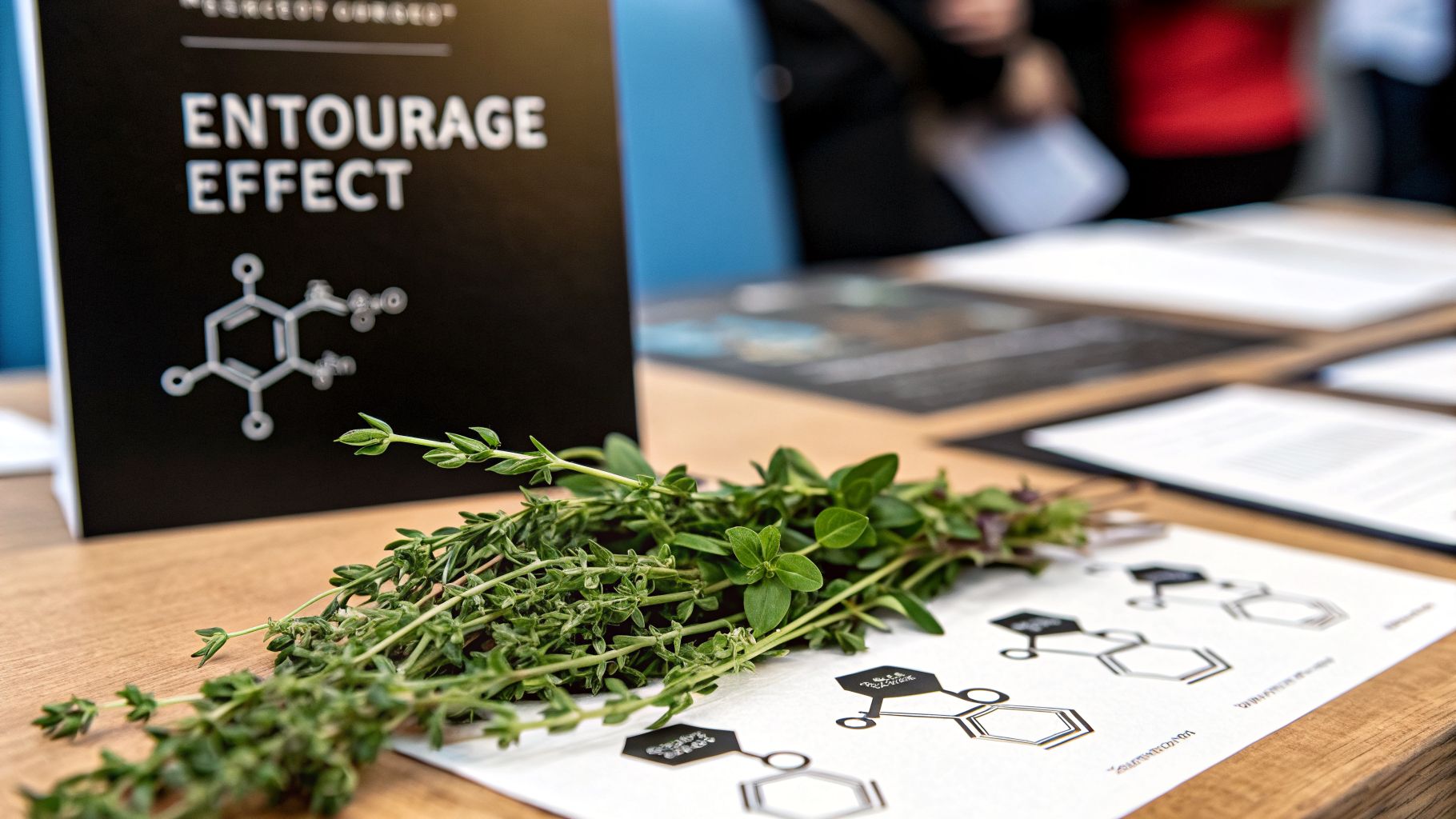
The “entourage effect” describes the synergistic relationship between cannabinoids and terpenes. Organic environments are superior for preserving minor cannabinoids like CBG and CBN. These compounds work alongside THC to modulate its effects. Terpenes such as myrcene, limonene, and pinene act as the “steering wheel” for your experience. They direct the high toward relaxation or focus. Organic enthusiasts frequently report fewer side effects like anxiety or “brain fog” because the full-spectrum profile provides a more natural, grounded experience. You aren’t just consuming THC; you’re engaging with a complete botanical symphony.

The Hidden Costs of Conventional Cannabis

Conventional products often carry hidden risks that lab reports might miss if not specifically requested. Low-grade synthetic salts can lead to the accumulation of heavy metals within the plant tissue. These impurities are difficult to flush out entirely. Organic cultivation avoids this risk by using natural minerals that the plant absorbs as needed. This leads to a cleaner, safer product for the end consumer.

Feature Organic Conventional
Flavor Complex, terpene-rich Muted or chemical aftertaste
Smoothness Clean, minimal irritation Harsh, salt-heavy smoke
Effect Nuanced, multi-dimensional Intense but “flat” high
Sustainability Restorative, low impact High runoff, soil depletion

Safe consumption starts with knowing exactly what’s in your jar. By moving beyond the THC percentage trap, you can prioritize the health benefits and sensory richness of a truly clean product.
The Ultimate Guide to Organic Cannabis: Purity, Potency, and Standards in 2026

How to Verify Organic Cannabis Quality and Lab Results

Transparency is the foundation of a premium experience. In 2026, the Certificate of Analysis (COA) is your most reliable tool for verifying organic cannabis. This document provides a clinical breakdown of a product’s chemical makeup. It moves beyond marketing claims to offer hard data on safety and purity. Every reputable provider should make these reports easily accessible before you finalize an order. Relying on data ensures that your wellness routine remains free from hidden industrial contaminants.

Reading a Cannabis Lab Report Like a Pro

Start with the contaminants section. Look for the “Pass/Fail” status next to pesticide screening, heavy metals, and microbials like mold or E. coli. This section is non-negotiable for health-conscious consumers. A lab-verified organic product must show “ND” (Non-Detected) for all listed pesticides. Next, examine the terpene profile. This chart identifies the specific aromatic compounds present. A diverse terpene breakdown confirms that the plant was grown in a nutrient-rich, organic environment. High levels of diverse terpenes are a direct result of superior soil health and artisanal care.

Visual and sensory cues offer additional layers of verification. Premium organic flower typically displays dense trichome coverage that appears milky or amber, rather than clear. Look for vibrant pistil colors and a natural, non-uniform bud structure. The “Snap and Smell” test is a quick way to identify proper curing. A clean snap in the stem indicates ideal moisture levels. A rich, layered aroma suggests that the volatile compounds have been preserved through careful handling. If the flower smells like hay or has a muted scent, it likely wasn’t cured to professional standards.

Questions to Ask Your Cannabis Delivery Service

Don’t hesitate to engage with your provider. Ask specific questions about the source farm and their cultivation philosophy. A professional service will know if their partners use regenerative practices or living soil. Inquire about the most recent batch testing results to ensure you’re receiving the exact profile you expect. Finally, check the packaging date. Organic compounds are sensitive to light and heat; a recent date guarantees peak freshness. High-tier services prioritize these details to maintain the integrity of their catalog.

You deserve total peace of mind with every purchase. We prioritize clinical-grade transparency to ensure you receive only the cleanest products available in the market. To experience the highest standards of purity and safety, view our lab-verified organic menu today.

Experience the Difference with Green Express DC’s Organic Selection

Green Express DC operates as a premium concierge service for the discerning consumer. We bridge the gap between artisanal cultivation and professional delivery. Our team sources only the most rigorous, lab-verified organic cannabis products. We prioritize purity because your health isn’t negotiable. Every item in our catalog undergoes a strict vetting process. We evaluate potency, terpene density, and structural integrity before any product reaches our menu. This meticulous approach ensures a consistent, high-tier experience every time you order.

Our selection spans the entire spectrum of premium consumption. You can find boutique cannabis flower with complex aromatic profiles and clean finishes. We offer live resin disposable carts that preserve the live plant’s natural essence. For those seeking discretion, our THC tinctures and edibles provide clinical-grade consistency. We also feature shatter wax and vaporizers for a refined concentrate experience. Every category reflects our commitment to top-shelf standards and natural origins.

Our Lab-Verified Standards

We understand the needs of a professional clientele. Transparency is our standard; it’s not an option. We provide access to batch-specific testing results for all our flower and concentrates. This ensures you know exactly what you’re consuming at all times. Our professional delivery model focuses on speed, privacy, and reliability. We handle every interaction with the discretion you expect from a boutique service. This efficiency ensures your organic cannabis arrives fresh and ready for immediate use.

Transitioning to a Premium Cannabis Experience

Investing in organic products is an investment in your long-term wellness. It removes the uncertainty of industrial contaminants and synthetic residues. You can browse our menu with confidence, knowing each strain is selected for its unique profile and verified excellence. Whether you require relaxation or cognitive focus, we provide the guidance to help you choose correctly. Our streamlined interface makes selection simple and secure. Elevate your standards and choose a service that values your peace of mind as much as you do.

Explore our curated menu of premium organic cannabis and discover the gold standard of purity today.

Elevate Your Standards for a Pure Experience

Choosing purity is the ultimate investment in your long-term wellness. High-tier organic cannabis offers a superior chemical profile compared to industrial alternatives. Authentic quality depends on living soil and rigorous lab verification rather than misleading THC percentages. By prioritizing products free from synthetic residues, you ensure a smoother experience and a more multi-dimensional high. These standards protect your health while delivering the full aromatic complexity of the plant.

Our service removes the guesswork from your selection process. We maintain a curated catalog of artisanal flower and concentrates that meet clinical-grade safety requirements. Every product is rigorously lab-tested to guarantee the absence of contaminants. You receive top-shelf quality through a fast, professional, and discreet same-day delivery model. It’s time to elevate your expectations and enjoy the peace of mind you deserve.

Browse our lab-tested, organic cannabis menu for discreet delivery and experience the difference of true botanical excellence today.

Frequently Asked Questions

Is organic cannabis more potent than regular cannabis?

Potency in organic cannabis is defined by the complexity of its chemical profile rather than raw THC percentage alone. While conventional cultivation might hit higher THC numbers, organic plants often produce a more diverse array of cannabinoids and terpenes. This creates a robust “entourage effect” that provides a deeper, more multi-dimensional experience that often lasts longer than the “flat” high of industrial weed.

How can I tell if cannabis is truly organic without a USDA seal?

You can verify organic status by reviewing state-level certifications like California’s OCal program and examining a batch-specific Certificate of Analysis (COA). Since federal restrictions prevent USDA labeling for high-THC products, look for “Non-Detected” (ND) results for synthetic pesticides and heavy metals on lab reports. Professional delivery services should provide these clinical documents to prove their cultivation standards and ensure consumer safety.

Does organic cannabis cost more than conventional cannabis?

Organic products typically command a price premium due to the intensive labor and specialized nutrients required for clean cultivation. In 2026, USDA organic certified hemp biomass commands a 30% to 50% price premium over conventional hemp. This reflects the higher standards of safety and quality control involved. Many consumers view this as a necessary investment in their long-term health and a superior sensory experience.

Are organic cannabis edibles safer to consume?

Organic edibles are significantly safer because they use starting materials free from concentrated pesticide residues. During the extraction process for THC tinctures or oils, any chemicals present on the flower become highly concentrated in the final extract. Using organic cannabis as the base ensures that the finished edible remains a pure wellness product without the risk of ingesting hidden synthetic toxins.

What pesticides are commonly used in non-organic cannabis?

Non-organic cultivation frequently involves synthetic fungicides like Myclobutanil, which can release toxic hydrogen cyanide when combusted. Other common contaminants include chemical growth regulators and petroleum-based fertilizers that leave harsh mineral salts in the plant tissue. Organic standards prohibit these substances entirely. This protection is vital for maintaining respiratory health and ensuring a clean, irritation-free smoking experience.

Can I find organic concentrates like live resin or shatter?

High-tier organic concentrates such as live resin and shatter wax are available through curated boutique services. These products are highly valued because the extraction process preserves the natural, complex terpene profile of the organic starting material. Always verify that these concentrates have undergone rigorous lab testing. This ensures that the final product is free from residual solvents and concentrated agricultural chemicals.

Why does organic cannabis smell stronger than conventional weed?

Organic flower possesses a more intense aroma because living soil microbiology facilitates a higher density and diversity of terpenes. These aromatic compounds flourish in nutrient-rich, organic ecosystems where the plant can reach its full genetic potential. Conventional methods using synthetic salts often lead to a muted scent or a distinct chemical aftertaste. Organic methods preserve the “loud” aromatic profile that defines premium flower.

What is the most important thing to look for on a cannabis lab report?

The most critical metric is the “Pass/Fail” status for contaminants, specifically the “ND” (Non-Detected) status for pesticides and heavy metals. You should also examine the terpene breakdown to understand the specific effects and quality of the strain. A comprehensive COA provides the clinical-grade transparency needed to verify that the product meets the highest standards of purity and professional safety.
Posted on

Cannabis Concentrates Delivery DC: A Guide to Potency and Purity

Cannabis Concentrates Delivery DC: A Guide to Potency and Purity

A single lab report often separates a premium experience from a significant safety risk. As the market for cannabis concentrates delivery dc expands, identifying the difference between high-quality extracts and untested imitations remains a challenge. You might feel overwhelmed by the technical differences between shatter and live resin; it’s difficult to prioritize purity when the marketplace feels unregulated. Reliability and discretion shouldn’t be luxury features. They are essential standards for any professional service.

This guide helps you master the complexities of high-potency extracts. You’ll learn how to secure lab-verified concentrates through a seamless, professional delivery model that prioritizes your peace of mind. We provide a clear breakdown of concentrate types and the specific markers of product purity. By the end of this article, you’ll have the tools to manage the ordering process with total confidence. We focus on transparency and efficiency to ensure your experience is both safe and sophisticated.

Key Takeaways

  • Identify the core differences between shatter wax and live resin to select the extract that best fits your profile.
  • Understand why lab-verified purity is non-negotiable for avoiding residual solvents and ensuring a safe, high-tier experience.
  • Learn how to navigate high-potency products with professional dosing frameworks designed for both safety and efficacy.
  • Secure organic, top-shelf products through a professional cannabis concentrates delivery dc service that prioritizes discretion and speed.
  • Discover the benefits of a 24/7 concierge delivery model that provides same-day access to premium extracts with total privacy.

Understanding the Evolution of Cannabis Concentrates

High-purity extracts represent a sophisticated evolution of cannabis concentrates that has redefined the consumer experience. These products focus on isolating the plant’s essential compounds, specifically cannabinoids like THC and aromatic terpenes. While traditional flower remains a staple, many experienced users now prefer the precision of extracts. This transition allows for a cleaner, more intense effect that minimizes the inhalation of unnecessary plant material. Finding a reliable cannabis concentrates delivery dc service is the most efficient way to secure these potent products.

Defining High-Potency Extracts

The extraction process is a clinical procedure designed to harvest trichomes. These microscopic resin glands contain the highest concentration of active ingredients. Professional extractors use various methods to separate these oils from the organic matter. The result is a product with a terpene profile that often far exceeds that of standard flower. This creates a more nuanced flavor and aroma that captures the essence of the original plant.

Purity begins at the source. High-tier concentrates require organic, top-shelf source material to ensure the final product is free from contaminants. Lower-quality flower often results in a darker, harsher extract. By focusing on premium starting material, manufacturers produce the translucent shatter wax and vibrant live resin that consumers expect. This attention to detail ensures you’ll receive a product that’s both potent and clean.

Why Professional Delivery is the New Gold Standard

Modern delivery models have replaced the traditional retail visit with a more secure, streamlined alternative. This approach prioritizes your privacy and convenience. When you choose a delivery-first service, you’ll benefit from a curated retail experience that feels like a premium concierge. It removes the stress of public interactions and provides a direct link to lab-tested inventory without the usual retail friction.

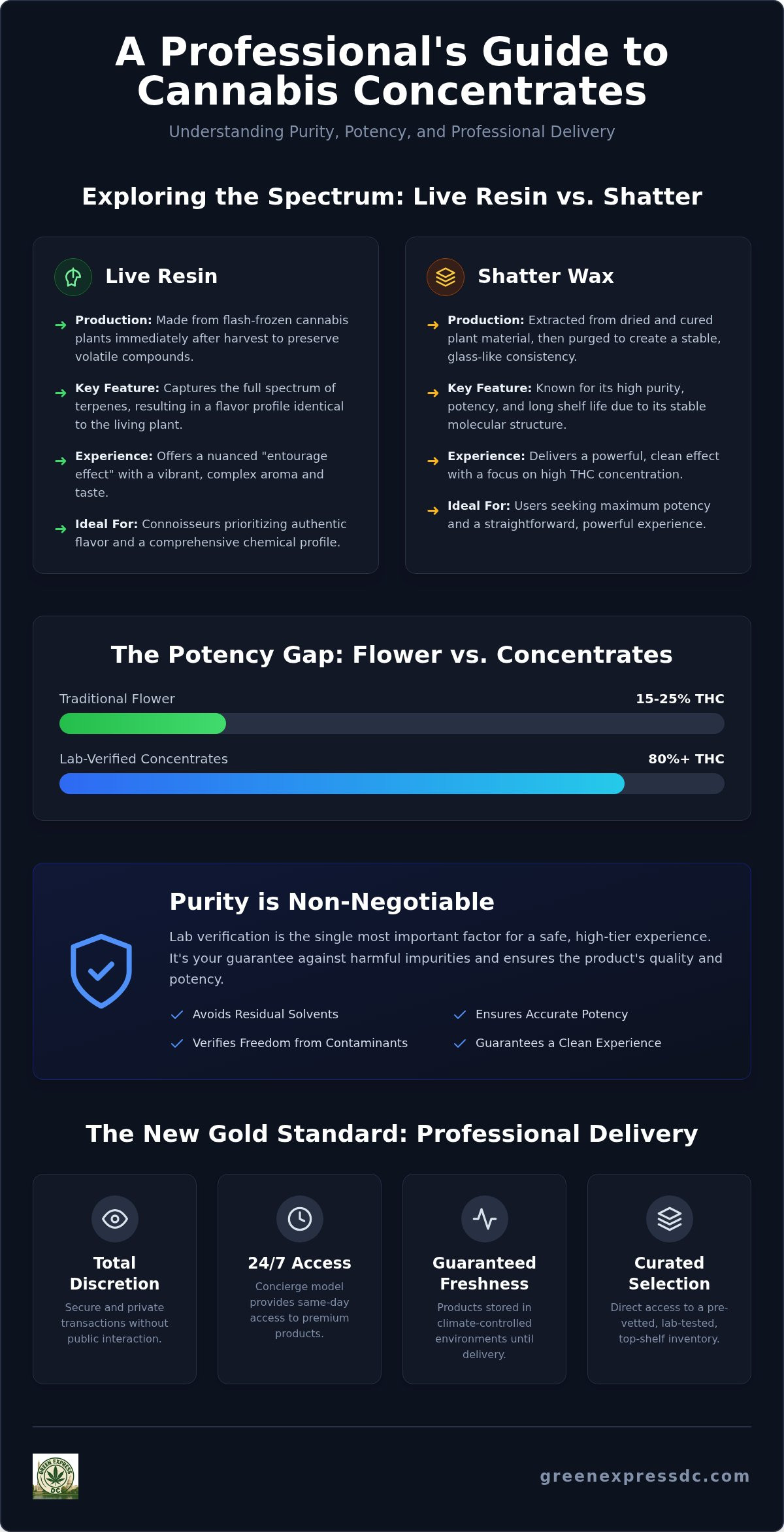
Product freshness is a significant advantage. Concentrates are sensitive to environmental factors like heat and UV light. A professional delivery model ensures these products move quickly from climate-controlled storage directly to your door. This minimizes degradation and preserves the integrity of the terpenes. Same-day fulfillment provides immediate access without the need for public interaction. It’s a tech-forward solution that emphasizes transparency and efficiency. This model provides a reliable gold standard for those seeking cannabis concentrates delivery dc.

Exploring the Spectrum: Shatter, Live Resin, and Beyond

Selecting the ideal extract requires an understanding of how different production methods influence the final experience. While all concentrates offer a significant step up from traditional flower, their physical forms and chemical compositions vary. These differences dictate everything from flavor intensity to the type of hardware required. For those seeking cannabis concentrates delivery dc, the choice usually centers on two primary formats: Live Resin and Shatter Wax. Both represent the pinnacle of modern extraction, yet they serve different preferences and lifestyles.

Potency is a defining factor across the entire spectrum. While premium flower typically offers THC levels between 15% and 25%, Lab-Verified Extracts often exceed 80%. This increased concentration means you need far less product to achieve the desired effect. It’s a more efficient approach that prioritizes purity and precision. You can explore these high-potency options by viewing our curated selection of premium extracts.

The Science of Live Resin Disposable Carts

Live Resin is defined by its vibrant, complex flavor profile. This is achieved through a process called flash-freezing. Extractors freeze the cannabis plant immediately after harvest, which preserves the full spectrum of terpenes that are often lost during the traditional drying and curing process. The result is an oil that tastes exactly like the living plant. It provides a more nuanced, “entourage effect” that many connoisseurs prefer. For a deeper understanding of how modern extraction methods have refined this process, our professional guide to live resin delivery dc covers the clinical precision behind today’s top-tier cartridges.

For the busy professional, a Live Resin Disposable Cart offers the perfect balance of quality and convenience. These devices are ready to use immediately and require no maintenance. However, the quality of the hardware is just as important as the oil inside. Premium carts use ceramic heating elements and high-grade glass to ensure a clean vapor path. This prevents heavy metal contamination and ensures the flavor remains crisp until the last drop. It is a streamlined solution for a fast-paced environment. Professionals who want to expand beyond disposable carts can also explore a dedicated weed vaporizer delivery dc service that provides access to verified, lab-tested vape hardware with the same commitment to discretion and quality.

Shatter Wax: Purity and Texture Explained

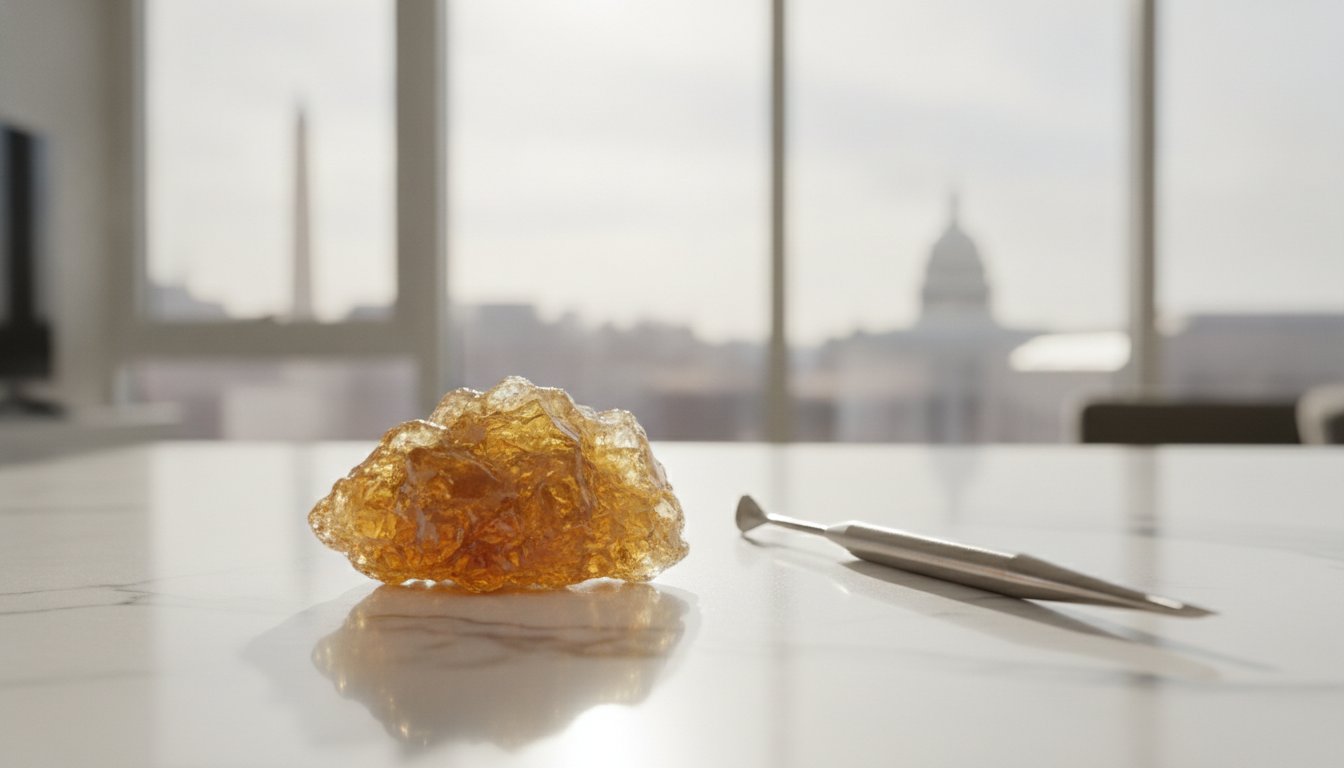
Shatter wax is easily identified by its translucent, glass-like consistency. It’s a stable, brittle extract that literally “shatters” when handled. This texture is a sign of high purity and a successful filtration process that removes fats, waxes, and lipids. Shatter is often favored by those who prioritize a clean, high-THC experience with a smoother finish. Its stability also makes it easier to handle than more liquid concentrates. Those looking to buy shatter wax with confidence should understand these quality markers before making a selection.

Proper handling is essential for maintaining the integrity of shatter wax. Use a dedicated tool to break off small pieces, as the heat from your fingers can cause the product to become sticky. Storage is equally critical. Keep your shatter in a cool, dark place inside parchment paper or a silicone container to prevent it from sugarizing or losing its potency. When you utilize a professional cannabis concentrates delivery dc service, your shatter arrives in temperature-controlled packaging to preserve this delicate brittle texture. This level of care ensures you receive a product that meets the highest boutique standards.

Prioritizing Safety: The Critical Role of Lab-Verified Extracts

Safety is the primary concern for consumers in the modern extract market. Untested products often contain residual solvents like butane or propane, which remain if the purging process is incomplete. A boutique standard for cannabis concentrates delivery dc demands organic, lab-verified sourcing to mitigate these risks. Professional services act as a trusted specialist by implementing clinical-grade vetting before any product reaches your door. Prioritizing Safety ensures that every transaction is backed by transparency and rigorous quality control.

What Lab-Tested Really Means for the Consumer

Lab testing is a rigorous screening process that identifies harmful substances invisible to the naked eye. This clinical approach ensures the product you receive is pure and effective. Professional labs screen for several critical categories of contaminants:

  • Heavy metals such as lead, arsenic, and cadmium.
  • Pesticides and chemical fertilizers used during cultivation.
  • Molds, fungi, and bacterial contaminants like E. coli.

The results of these tests are compiled into a Certificate of Analysis (COA). This document provides a detailed breakdown of the cannabinoid profile and confirms the absence of toxins. It serves as a verifiable gold standard for product excellence. Lab-verified is the minimum standard for safety in 2026.

Identifying Top-Shelf Quality in a Saturated Market

Visual cues offer immediate insights into product quality. Premium shatter wax should be translucent and amber or gold in color. Live resin should appear vibrant and saturated with liquid terpenes. Avoid “dark” or “cloudy” extracts, as these often indicate poor filtration or the presence of leftover plant lipids. A clean, sharp aroma that mirrors the original strain is another hallmark of a high-tier product. If a concentrate lacks a distinct scent or smells slightly metallic, it may not meet boutique standards.

Consistency is key to a reliable experience. High-quality concentrates always begin with the selection of order cannabis flower dc that meets organic, top-shelf standards. When the source material is clean, the resulting extract requires less aggressive processing. This preserves the natural integrity of the plant while ensuring a safe, potent result for the end user. This commitment to quality is what defines a premium cannabis concentrates delivery dc experience. It removes the guesswork from your selection process and ensures every delivery meets a professional gold standard.

Cannabis Concentrates Delivery DC: A Guide to Potency and Purity

A Professional’s Guide to Selecting and Dosing Concentrates

Precision is the defining characteristic of a successful concentrate experience. Because these extracts offer significantly higher potency than flower, your selection process must be methodical. A professional approach ensures you achieve the desired outcome without compromising your daily responsibilities. Utilizing a reliable cannabis concentrates delivery dc service allows you to integrate these high-tier products into your routine with total confidence. It’s about finding the right balance between efficacy and function.

Matching Extract Types to Desired Effects

Different extract formats cater to specific lifestyle needs. Your choice should align with your recovery goals or productivity requirements. Consider these profiles when making your selection:

  • Indica-dominant extracts: These are ideal for evening recovery. They prioritize deep relaxation and are best suited for use after a demanding day.
  • Sativa-leaning live resins: These extracts are formulated for creative focus. They provide an energetic lift that supports daytime utility without the heavy sedation of other varieties.
  • Hybrid blends: These offer a balanced profile. They are versatile enough for all-day use, providing a consistent experience that adapts to your environment.

The “start low, go slow” mantra is essential for high-potency products. Begin with a piece of shatter wax no larger than a grain of rice. Wait at least 30 minutes to assess the effects before considering an additional dose. This cautious approach prevents overconsumption and allows you to find your personal gold standard for efficacy. Terpenes play a vital role here; they modulate the THC to create a more nuanced psychoactive experience. A higher terpene count in live resin often leads to a more functional, clear-headed effect.

Best Practices for Safe and Discreet Use

Maintaining a professional lifestyle requires discretion. Modern vaporizers are the most efficient tools for this. They produce minimal odor and allow for precise temperature control, which preserves the delicate flavor of the terpenes. For DC professionals seeking premium vape hardware alongside their concentrates, a trusted weed vaporizer delivery dc service ensures you receive lab-verified devices with the same discreet, concierge-level professionalism. For those who prefer non-inhalation methods, THC tinctures provide a clinical alternative. These are administered sublingually for fast-acting, odorless results that are easy to dose accurately. They represent a sophisticated option for those who prioritize privacy above all else. Consumers who prefer a longer-lasting, smoke-free experience may also benefit from exploring lab-verified edibles delivery dc options that offer precise dosing with the same commitment to organic purity.

Privacy is a cornerstone of the boutique experience. A professional cannabis concentrates delivery dc model ensures your order is handled with the utmost secrecy. Deliveries arrive in unmarked, secure packaging, removing the need for public retail interactions. This streamlined process allows you to maintain your privacy while accessing the highest standards of purity. Explore our full catalog and secure your premium delivery today to experience the difference of a curated concierge service.

Seamless Access: Elevating the Delivery Experience

The quality of your concentrate is only as good as the service that provides it. Selecting a boutique cannabis concentrates delivery dc ensures that the clinical rigor of lab-testing is matched by professional logistics. This model removes the friction of traditional retail. It provides a direct, secure line to organic, top-shelf products without the need for administrative hurdles. You deserve a service that respects your time and your privacy. Every interaction is designed to be a premium utility that mirrors the high standards of the extracts themselves.

The Benefits of a Boutique Concierge Service

A boutique concierge model prioritizes personalized attention. It’s designed for the consumer who values expert curation and vetted inventory. Unlike high-volume retailers, a concierge service focuses on the integrity of each individual order. Delivery professionals operate with a high level of discretion. They understand the importance of maintaining a low profile in professional environments. The service feels like a high-end facilitator rather than a casual retail interaction.

Speed and reliability are non-negotiable standards in this model. A 24/7 service window ensures you have access to premium extracts exactly when you need them. This availability fits the unpredictable nature of a modern, fast-paced schedule. Whether you require evening recovery or a daytime focus aid, the delivery process remains consistent. It’s a gold standard that prioritizes your peace of mind. You don’t have to worry about store hours or public queues; the service comes to you on your terms.

Streamlining Your Experience with Green Express DC

Green Express DC simplifies the acquisition of high-purity extracts. The process is designed to be entirely hassle-free. It starts with a real-time online menu that reflects current inventory levels. You won’t encounter the frustration of out-of-stock items or outdated listings. Everything you see, from shatter wax to live resin carts, is available for same-day fulfillment. This transparency builds immediate trust and removes the guesswork from your decision-making process.

The ordering process is methodical and transparent. Once you select your products, the fulfillment team begins immediate preparation. This ensures your products remain in a temperature-controlled environment until they reach your door. It’s a tech-forward solution to a traditional retail need. You can trust that every item in your order has passed rigorous safety checks. This commitment to organic, lab-tested goods ensures a superior experience every time you utilize cannabis concentrates delivery dc. Explore our premium concentrates and experience the Green Express DC difference today.

Elevating Your Standards for Purity and Performance

High-potency extracts offer a level of precision and efficacy that traditional flower cannot match. By mastering the differences between shatter wax and live resin, you can tailor your experience to your specific recovery or focus needs. Safety remains the most critical factor in this evolving market. Choosing lab-verified products ensures you avoid the risks associated with residual solvents and contaminants while maintaining a professional routine. It’s about ensuring that every session meets your personal gold standard for quality.

Transitioning to a professional cannabis concentrates delivery dc model provides the security and discretion required for a modern lifestyle. You don’t have to compromise on quality for the sake of convenience. Green Express DC acts as a trusted boutique specialist, offering 24/7 same-day discreet delivery of 100% lab-tested, organic products. This streamlined approach removes the guesswork and prioritizes your peace of mind throughout the entire process. You can rely on a service that values transparency as much as you value purity.

Secure your premium, lab-tested concentrates with same-day delivery from Green Express DC.

Enjoy the confidence that comes with a truly curated, high-tier cannabis experience.

Frequently Asked Questions

What is the most potent type of cannabis concentrate?

Shatter wax and certain refined distillates represent the highest THC concentrations available. These products often exceed 80% potency by isolating cannabinoids from the organic plant material. This makes them significantly more powerful than traditional flower. Potency levels vary by batch, but shatter remains a primary choice for users seeking maximum strength.

How do I know if my cannabis concentrate is lab-tested?

Reliable products include a Certificate of Analysis (COA) or a verifiable QR code on the packaging. These documents confirm that the extract has passed clinical screenings for pesticides, heavy metals, and residual solvents. A professional cannabis concentrates delivery dc service always prioritizes these safety markers to ensure consumer protection.

Is same-day delivery available for cannabis concentrates?

Same-day fulfillment is available 24/7 through our specialized concierge model. We prioritize efficiency and speed to ensure your order arrives within a few hours of placement. This streamlined process allows you to integrate premium extracts into your schedule without delay. Every delivery is handled with the utmost discretion and professionalism.

What is the difference between live resin and shatter?

Live resin is produced from flash-frozen plants to capture a complex terpene profile and a sauce-like texture. Shatter wax is a translucent, brittle extract valued for its stability and high THC levels. The primary difference lies in the flavor intensity and the physical consistency of the final product. Consumers seeking true-to-strain flavor and full-spectrum effects can learn more in our guide to premium live resin delivery dc options and how modern extraction has elevated cartridge quality.

Can I use concentrates if I am a beginner?

Beginners can safely explore concentrates by adopting a “start low, go slow” approach. We suggest using a Live Resin Disposable Cart for your first experience. This hardware provides a controlled dose that’s easier to manage than traditional dabbing methods. Always start with a single small inhalation to assess your tolerance. Those new to cannabis products may also find that precision-dosed edibles delivery dc offers a more approachable entry point with predictable onset times and lab-verified purity.

How should I store my cannabis concentrates to maintain purity?

Maintain purity by keeping your concentrates in airtight containers in a temperature-controlled environment. Exposure to heat, air, and light will cause terpenes to evaporate and cannabinoids to degrade. Proper storage ensures your product remains effective and flavorful for a longer duration. Glass or silicone containers are the preferred options for long-term stability.

Are disposable live resin carts safe to use?

High-quality disposable carts are safe when they utilize lab-verified oil and medical-grade hardware. Our carts use ceramic heating elements to prevent heavy metal contamination and ensure a clean vapor path. We never use thinning agents or synthetic additives in our organic live resin. This ensures a pure and reliable experience every time.

What makes a cannabis delivery service ’boutique’ or ‘premium’?

A premium service focuses on a curated inventory and a discreet, professional interaction. It acts as a trusted specialist that understands the importance of privacy and consistency for busy professionals. This model offers 24/7 accessibility and rigorous quality control as standard features. Choosing a boutique cannabis concentrates delivery dc ensures you receive personalized attention and vetted products.

Posted on

Sativa vs. Indica Effects: A Guide to Choosing Premium Cannabis

Sativa vs. Indica Effects: A Guide to Choosing Premium Cannabis

The assumption that a simple label can predict your entire experience is the most common mistake in cannabis selection. Relying on vague categories often leads to inconsistent results and unnecessary anxiety about how a strain will actually feel. To achieve a truly curated experience, you must look deeper into the specific sativa vs indica effects and how they interact with your unique physiology.

You deserve a predictable outcome every time you select a premium flower or concentrate. It’s easy to feel overwhelmed by conflicting information or concerned about product purity in a shifting market. This guide provides a clinical yet accessible framework to help you choose with total confidence. We will examine the physiological and mental markers of high-tier strains, focusing on how lab-verified terpene profiles and rigorous testing create the gold standard for your experience. You’ll gain a clear strategy for selecting products that align perfectly with your desired lifestyle and performance goals.

Key Takeaways

  • Master the fundamental differences between sativa vs indica effects to predict whether a strain will provide cerebral energy or physical relaxation.
  • Discover why a product’s specific terpene and cannabinoid profile is a more reliable indicator of its impact than the plant’s physical classification.
  • Learn to utilize the Entourage Effect to enhance therapeutic benefits and create a more nuanced, sophisticated cannabis experience.
  • Develop a clear framework for matching premium strains to your specific lifestyle goals, whether you prioritize productivity or deep rest.
  • Identify the critical role of lab-verified testing and organic cultivation in ensuring product purity and consistent, high-tier results.

Understanding the Fundamental Differences Between Sativa and Indica

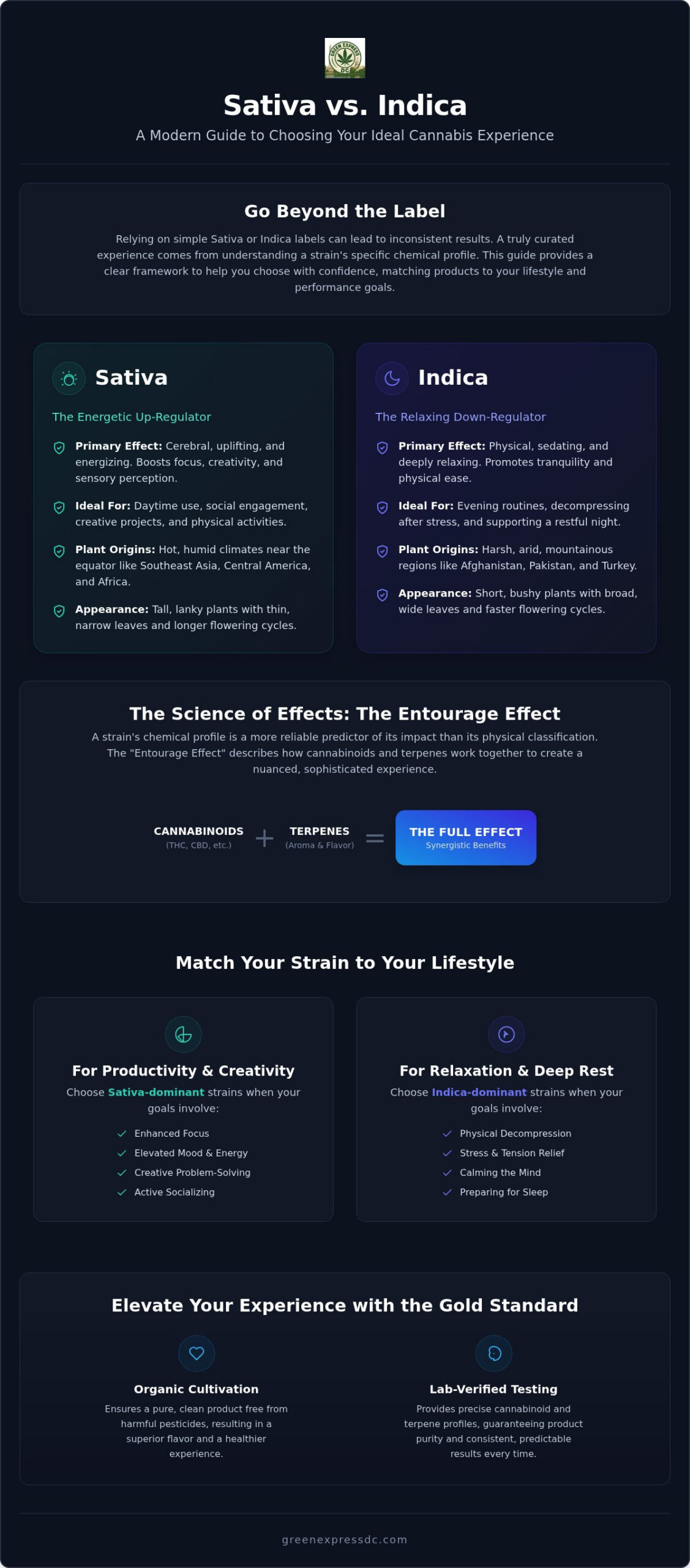
Sativa and Indica are the two primary classifications that define the cannabis experience. These categories offer a vital shorthand for consumers who prioritize predictable outcomes and high-tier quality. While the modern market is dominated by complex hybrids, understanding the ancestral roots of a Cannabis strain remains the most effective way to categorize potential results. Sativa plants traditionally flourish in humid, tropical climates with extended growing seasons. In contrast, Indica plants adapted to survive the harsh, arid conditions of mountainous regions like the Hindu Kush. These distinct environmental pressures shaped the chemical architecture that dictates the sativa vs indica effects we observe today.

The distinction between these two categories goes beyond simple botany. It serves as a clinical framework for selecting premium flower that aligns with your lifestyle. Even as breeding techniques evolve, the core genetic markers of Sativa and Indica continue to influence the terpene density and cannabinoid ratios of the final product. Identifying these traits allows for a more curated approach to consumption. It removes the guesswork often associated with retail purchases and replaces it with a logic-based selection process. By focusing on these fundamental differences, you can ensure that every selection meets the gold standard for purity and performance.

Key Geographical and Structural Differences:

  • Sativa Origins: Tropical regions such as Southeast Asia, Central America, and Africa.
  • Indica Origins: High-altitude regions including Afghanistan, Pakistan, and Turkey.
  • Growth Patterns: Sativas are tall and lanky with narrow leaves; Indicas are short and bushy with broad leaves.
  • Flowering Time: Sativas require longer cycles to mature, while Indicas flower quickly to avoid harsh winter climates.

Sativa: The Energetic Up-Regulator

Sativa varieties are characterized by their impressive height and elegant, narrow leaves. Their physical structure mirrors their uplifting impact on the mind. These strains are the preferred choice for daytime use because they emphasize cognitive stimulation rather than physical sedation. You can expect a surge in focus, creativity, and sensory perception. They act as a functional tool for those who need to remain active and socially engaged throughout the day. Choosing a top-shelf Sativa ensures a clean, energetic experience without the mental fog often found in lower-quality products.

Indica: The Relaxing Down-Regulator

Indica varieties offer a stark contrast with their robust stature and dark foliage. They evolved to produce dense, resinous buds that protect the plant from extreme temperatures. This concentration of compounds translates into a profound sense of physical tranquility. Indicas are the definitive choice for evening routines. They facilitate deep relaxation and help the body unwind after high-stress encounters. If your goal is to decompress and achieve a state of physical ease, these strains provide the necessary physiological support for a restful night.

The Science of Effects: Cannabinoids, Terpenes, and the Entourage Effect

The botanical classification of a plant is only the beginning of the story. While the physical structure tells us about its origins, the chemical profile dictates the actual experience. High-tier cannabis relies on a complex synergy of compounds rather than just a high THC percentage. This biological interaction is what defines the nuanced sativa vs indica effects that sophisticated consumers prioritize. By looking beyond the label, you can predict how a specific strain will interact with your body with much greater accuracy.

This interaction is professionally known as the Entourage Effect. It suggests that cannabinoids like THC and CBD perform better when they work alongside aromatic compounds called terpenes. These elements don’t just exist together; they actively modify each other’s impact. For instance, certain terpenes can mitigate the anxiety sometimes associated with high THC, while others can deepen the physical relaxation of an Indica. Understanding this Sativa vs. Indica vs. Hybrid science allows you to move away from guesswork and toward a more clinical, results-oriented selection process.

The Role of Terpenes in Shaping Mood

Terpenes are the essential oils of the cannabis plant. They provide the distinct aroma and flavor, but their primary function is to direct the high. Limonene is frequently found in premium Sativas, offering a bright, citrusy scent that promotes an uplifting and energetic mood. Myrcene is the most prevalent terpene in Indicas. It carries an earthy, herbal aroma and is responsible for the heavy, sedating properties that facilitate deep rest. Secondary terpenes like Pinene can sharpen focus, while Linalool adds a floral note that encourages profound tranquility. Identifying these markers is essential for a tailored experience.

THC vs. CBD Ratios in Different Strains

Cannabinoid ratios provide the foundation for your mental clarity and physical comfort. Sativas typically feature higher THC-to-CBD ratios, which drive the intense cerebral stimulation and sensory enhancement users expect. Indicas often contain slightly higher levels of CBD or other minor cannabinoids like CBN. These ratios contribute to the “heavy” physical sensation and muscle relaxation characteristic of the variety. Balancing these cannabinoids ensures you achieve your desired outcome without experiencing over-stimulation or excessive grogginess. Accessing these verified chemical profiles is simple when you select premium cannabis flower that has undergone rigorous third-party testing.

Why Lab Testing Matters for Predictability:

  • Verification: Ensures the terpene profile matches the advertised effects.
  • Purity: Confirms the absence of heavy metals or pesticides that can distort the experience.
  • Consistency: Guarantees that the potency remains stable from one batch to the next.
  • Safety: Provides a clinical level of transparency for the discerning consumer.

Sativa vs. Indica Effects: Comparing the Cerebral and Physical Experience

Selecting the right cannabis strain requires a clear understanding of how different chemical profiles interact with your nervous system. While previous sections detailed the botanical and chemical foundations, the practical application lies in the qualitative experience. The distinction between sativa vs indica effects is most apparent in how they distribute their impact between the mind and the body. Sativas are primarily associated with cerebral stimulation, while Indicas are prized for their profound physical influence. Discerning consumers use these categories to curate their environment, ensuring their choice supports their immediate goals rather than hindering them.

Hybrids represent a modern evolution in cannabis cultivation, offering a sophisticated middle ground for those who require more nuanced results. These strains are meticulously bred to be either Sativa-dominant or Indica-dominant, allowing for a tailored experience that captures the best of both worlds. By selecting a hybrid, you can enjoy the mental clarity of a Sativa with a subtle physical undertone that prevents over-stimulation. This level of customization is a hallmark of premium cannabis, providing a reliable gold standard for users who demand consistency and precision in their products.

The Sativa Experience: Creativity and Focus

Sativa varieties act as a mental catalyst. They deliver a distinct head high that emphasizes mental acuity, sensory perception, and cognitive expansion. This makes them the definitive choice for professional use during the morning or mid-day hours. You’ll notice an increase in mental energy that is particularly suitable for creative projects, complex problem-solving, or social engagement. A lab-tested Sativa provides a clean energetic profile that supports focus without the physical weight that might lead to afternoon fatigue. It’s an efficient tool for those who need to remain sharp and productive while enjoying the therapeutic benefits of the plant.

The Indica Experience: Calm and Recovery

Indica strains shift the focus toward a body high that prioritizes physical ease and tranquility. These varieties are the primary choice for evening routines and sleep hygiene. They provide deep physical relaxation that aids in muscle recovery and significant stress reduction after a demanding day. If your professional schedule is high-pressure, an Indica helps quiet a busy mind and prepares the body for rest. Many users find that potent Indica strains lead to a state of profound physical sedation where the user feels comfortably anchored to their seat, a phenomenon frequently called couch-lock. This sedative quality ensures a seamless transition from a high-performance workday to a restorative evening.

Optimizing Your Selection:

  • Social Scenarios: Choose Sativas to enhance conversation and maintain high energy levels.
  • Physical Recovery: Select Indicas to soothe muscle tension and promote physical comfort.
  • Creative Work: Utilize Sativa-dominant hybrids for sustained focus and inspiration.
  • Restorative Sleep: Lean on pure Indicas to facilitate a deep and uninterrupted rest cycle.

Sativa vs. Indica Effects: A Guide to Choosing Premium Cannabis

Selection Criteria: Matching Strains to Your Lifestyle and Goals

A sophisticated selection process begins with a clear objective. You must determine if your priority is cognitive expansion, social ease, or physical decompression. Relying on the predictable nature of sativa vs indica effects allows you to curate your environment with clinical precision. High-performance individuals treat cannabis as a functional tool. They don’t settle for inconsistent products that might compromise their professional or personal standards. Aligning your choice with your upcoming responsibilities ensures that your experience remains an asset rather than a distraction.

The time of day is the most practical metric for choosing your strain. Daytime requirements demand mental buoyancy and the ability to remain sharp. Evening routines focus on the transition from high-stakes activity to restorative rest. By applying a methodical framework to your selection, you eliminate the anxiety of unpredictable results. This level of control is only possible when you prioritize transparency and verified chemical profiles over anecdotal labels or mystery strains found in the illicit market.

Strains for the High-Functioning Professional

Sativa varieties are the ideal choice for brainstorming sessions and networking events. They provide the mental clarity needed to navigate complex social dynamics or generate innovative ideas. If you require a balance between focus and stress management, a Sativa-dominant hybrid offers a composed middle ground. Discreet consumption is often a priority for a busy lifestyle. You can access premium cannabis products like live resin disposable carts or vaporizers to integrate these benefits into your schedule with total privacy and efficiency.

Optimizing Your Evening with Premium Indica

Transitioning from a demanding workday requires a deliberate ritual. High-terpene Indica flower facilitates this shift by signaling the body to decompress and release physical tension. Choosing organic cannabis cultivated without synthetic pesticides is essential to avoid the grogginess or “hangover” effect the next morning. These pure products ensure that your sleep is truly restorative. By focusing on lab-tested Indicas, you guarantee that the terpene density supports high-quality rest. This approach allows you to wake up feeling refreshed and ready for the next day’s challenges.

Professional Selection Guidelines:

  • Verify the Source: Only select products with accessible lab results to ensure the chemical reality matches the label.
  • Start Low: Begin with a conservative dose of high-potency flower to gauge your personal sensitivity.
  • Match the Environment: Use uplifting Sativas for active, social settings and sedating Indicas for private, quiet spaces.
  • Prioritize Purity: Insist on organic cultivation to prevent harsh chemical residues from distorting the intended effects.

Elevating Your Experience with Lab-Verified Premium Flower

Achieving the intended sativa vs indica effects requires more than just high-potency genetics. It demands a level of cultivation purity that only artisanal, organic methods can provide. Commercial-grade cannabis often contains trace residues that interfere with the plant’s natural chemical profile. When you prioritize premium flower, you ensure that the experience remains clean and consistent. This dedication to quality control is the only way to guarantee that your Sativa provides clarity without agitation, or that your Indica delivers relaxation without a chemical aftertaste. You deserve a product that reflects the highest standards of safety and transparency.

Rigorous third-party testing is the hallmark of a professional service. Every batch of top-shelf flower should come with a verified Certificate of Analysis (CoA). This document confirms the exact cannabinoid and terpene density while screening for harmful contaminants. It acts as a clinical guarantee for the consumer. By insisting on lab-verified products, you remove the risk of low-quality or contaminated items that are prevalent in the illicit market. Roughly 75% of total U.S. cannabis consumption still flows through the illicit market as of 2026, making verified purity a critical differentiator for the health-conscious user.

Why Purity Matters for Predictable Effects

Purity is the foundation of a predictable high. Pesticides, heavy metals, and synthetic fertilizers can cause unwanted side effects like headaches or respiratory irritation. These contaminants often distort the subtle nuances of the plant’s profile, leading to an unpredictable experience. Artisanal flower is grown with organic cannabis cultivation practices that emphasize a smooth burn and a complex flavor profile. For example, clean growing practices prevent the uncomfortable jitters sometimes associated with high-THC Sativas. You receive a refined experience that mirrors the plant’s natural origins rather than a chemically altered substitute.

The Convenience of Premium Delivery

Accessing a curated menu of premium flower has never been more efficient. A high-tier concierge service provides the security and peace of mind that traditional retail often lacks. You can select from a vetted range of products, including prerolls, live resin disposable carts, and shatter wax, all from the privacy of your home. Professional fulfillment ensures that your delivery is discreet and punctual, mirroring the speed and transparency of a modern tech solution. It’s a streamlined approach designed for the time-sensitive consumer who values both quality and privacy. Explore our curated selection of lab-tested Sativa and Indica flower at Green Express DC to experience the gold standard of cannabis delivery.

The Premium Standard Checklist:

  • Organic Cultivation: No synthetic pesticides or harsh chemical residues.
  • Terpene Density: High concentrations of aromatic compounds for full-spectrum effects.
  • Lab Verification: Accessible Certificates of Analysis for every batch.
  • Professional Handling: Discreet, temperature-controlled delivery to preserve potency.

Mastering Your Cannabis Experience

Achieving a truly curated experience requires moving beyond basic labels and embracing the science of chemical profiles. You now have the framework to navigate sativa vs indica effects by prioritizing terpene density and lab-verified purity. Whether you require cognitive stimulation for professional networking or profound physical relaxation for recovery, your selection should always be a functional tool for your lifestyle. Choosing top-shelf, organic products eliminates the guesswork and ensures that every outcome is both safe and predictable.

Trusting a professional concierge service provides the transparency and security you deserve. Accessing artisanal flower shouldn’t be a source of stress. Green Express DC offers a streamlined solution with products that are strictly lab-tested for potency and purity. You can receive 100% organic, top-shelf flower through a discreet and secure process designed for the discerning consumer. Order Premium, Lab-Tested Cannabis Flower for Same-Day Delivery and elevate your standards today. You are now equipped to choose with confidence and enjoy a superior, high-tier experience.

Frequently Asked Questions

Is Sativa always for energy and Indica always for sleep?

No, these classifications serve only as a general baseline for expected results. While Sativas are traditionally uplifting, the specific outcome depends on the unique terpene profile and cannabinoid concentration of the batch. Some Sativas can be mellow, while certain Indicas provide a clear-headed relaxation that isn’t immediately sedating. You should always review the lab-verified chemical profile to understand how a specific strain will likely impact your physiology.

Can a Sativa strain cause anxiety?

Yes, Sativa strains can cause anxiety in sensitive individuals, especially if they feature high THC levels and low concentrations of calming terpenes. These varieties emphasize cerebral stimulation, which can lead to mental over-activity for some users. You can minimize this risk by starting with a low dose of organic, top-shelf flower. This cautious approach allows you to gauge your personal sensitivity while maintaining total control over the experience.

What are the best Sativa vs Indica effects for chronic stress?

The ideal sativa vs indica effects for managing stress depend entirely on your current environment and time of day. Sativas are effective for managing stress during active hours because they promote social ease and focused energy. Indicas are superior for evening use, as they facilitate deep physical decompression and help quiet a busy mind. Many high-functioning professionals find that balanced hybrids provide the most versatile relief for daily stressors.

How do I know if a strain is Sativa or Indica dominant?

You can identify a strain’s dominance by reviewing the Certificate of Analysis (CoA) or the detailed product description provided by your service. Most modern cannabis varieties are hybrids, so it’s essential to look for the specific percentage of dominance. A professional concierge service will clearly label its menu to help you match the strain’s genetic leaning to your specific performance goals and lifestyle needs.

Why do some Indicas make me feel energized?

This happens when an Indica strain contains high levels of uplifting terpenes like limonene or pinene. While the plant’s physical structure is Indica, its chemical architecture can promote alertness and mental clarity. This phenomenon is why the sativa vs indica effects debate now focuses heavily on the specific chemotype. Relying on lab testing ensures you understand the aromatic compounds that will actually dictate your energy levels.

What role do terpenes play in the Sativa vs Indica debate?

Terpenes act as the chemical rudder that steers your entire cannabis experience. These essential oils modify how cannabinoids like THC interact with your nervous system to produce specific results. High-tier cannabis relies on these compounds to define whether a strain will be energizing, sedating, or focused. Rigorous testing ensures that the terpene density is sufficient to deliver the sophisticated, full-spectrum effects that premium consumers expect.

How much premium flower should I start with if I am a beginner?

Begin with a single inhalation and wait at least 20 minutes to fully assess the impact on your body and mind. Premium flower is significantly more potent than lower-tier options, so a conservative starting point is vital for safety. This methodical strategy ensures you achieve your desired therapeutic benefits without experiencing overwhelming sensations. You can always increase your intake once you’ve established your personal tolerance levels.

Are the effects of concentrates different from flower?

Yes, concentrates like live resin disposable carts or shatter wax provide a much more rapid and intense onset of effects. They feature higher concentrations of cannabinoids and terpenes, offering a refined and potent version of the strain’s profile. Concentrates are a highly efficient choice for experienced users who require immediate results. They provide a clean, powerful experience that is often more discreet than traditional flower consumption.

Posted on

What Is Plug N Play: Tech & Vapes Guide 2026

You're probably here because you saw “plug n play” on a vape menu, heard someone mention PLUGPLAY, or searched the term and got a bunch of computer articles that didn't answer your real question. That confusion is normal.

In everyday use, plug and play can mean two very different things. It can mean a computer device that works as soon as you connect it. Or it can mean a cannabis vape setup that's designed to be simple, fast, and low-hassle. In the DC, Maryland, and Virginia area, that second meaning matters a lot because buyers are often trying to figure out what type of vape they're ordering, how it works, and how to get it safely and legally.

The Two Worlds of Plug n Play

If you search what is Plug n Play, most pages explain the tech meaning first. That's accurate, but incomplete. A lot of people now use the phrase to mean a cannabis vape brand or an easy-to-use vape system, and that gap creates real confusion for new buyers, as noted in Wikipedia's overview of plug and play.

Why people get mixed up

The phrase sounds universal because it describes a simple idea. You plug something in, and it works.

That idea fits both worlds:

  • In technology: a mouse, keyboard, or drive connects and starts working without manual setup.
  • In cannabis: a pod, disposable, or battery-and-cartridge system is marketed as simple enough for a beginner to use right away.
  • In search results: brand names, generic vape systems, and computer definitions all get blended together.

Simple takeaway: when someone says “plug n play,” they might mean a computer feature, a vape style, or the PLUGPLAY cannabis brand.

The practical question behind the search

Most readers aren't asking for dictionary history. They're trying to answer one of these:

  • Is this a brand or a type of vape?
  • Do I need a battery?
  • Is it refillable or disposable?
  • Can I use any cartridge with it?
  • What should I buy in DC, Maryland, or Virginia?

Those are better questions than the generic definition. The main issue isn't the phrase itself. It's whether the product is easy, compatible, legal where you are, and safe to buy from a trustworthy source.

The Original Meaning in Technology

The original plug and play idea came long before modern USB gadgets. Historian Paul Ratner traced early documented use of the term to a 1930 newspaper reference, and by the late 1930s it appeared in mainstream publications discussing radios and televisions. He also notes that it likely grew out of the older phrase “plug in and play” for electrical devices that could be connected without specialized setup, as described in this history of the phrase.

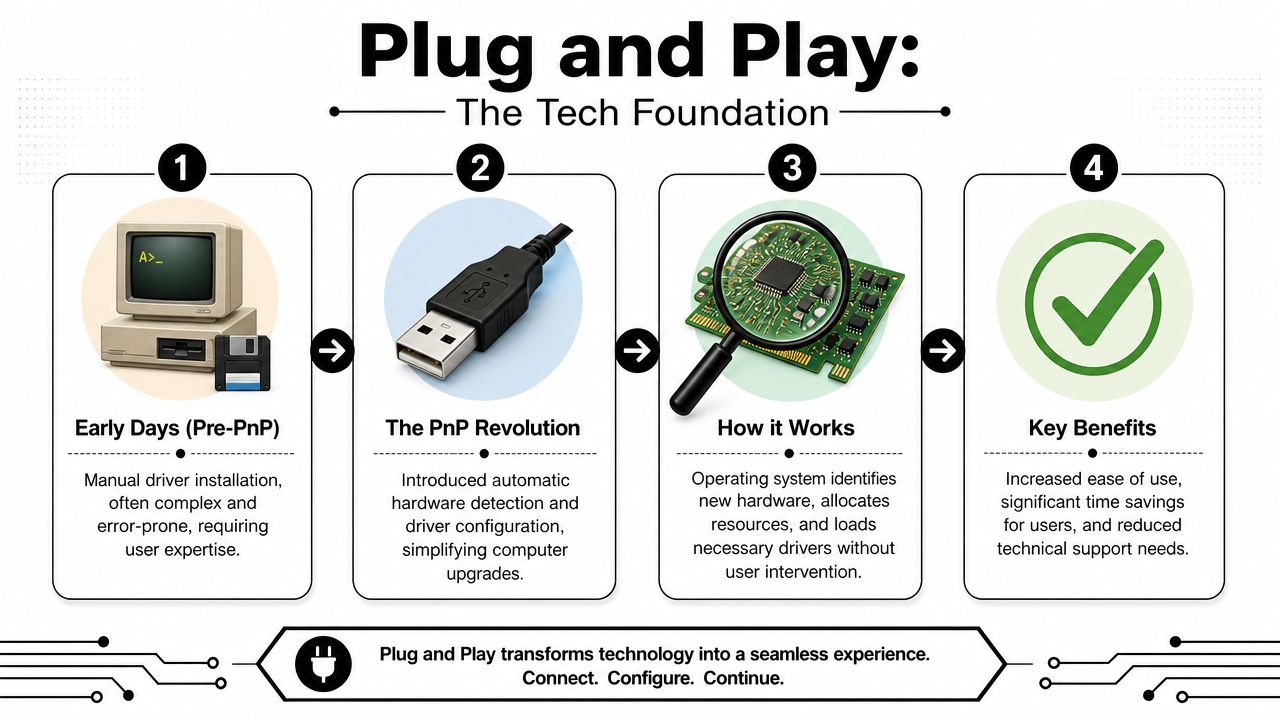
An infographic showing the evolution and benefits of Plug and Play technology from manual setup to automation.

What it means on a computer

Think about plugging a USB mouse into a laptop. You don't open the case. You don't flip switches. You don't hunt through a settings manual first. The system recognizes the hardware and gets it ready.

That became mainstream in the 1990s, especially after USB in 1996, which helped users connect peripherals through one standard interface and supported hot swapping, meaning devices could be plugged in and out without rebooting, according to Intel's USB history.

What the system is doing behind the scenes

Plug and Play, often shortened to PnP, works at the operating system level. The device gets identified by a unique hardware ID. Then the system assigns resources and loads the correct driver automatically, as explained in Lenovo's PnP glossary.

That matters because older setups often required manual configuration. Automating detection, resource allocation, and driver binding removed a lot of the old failure points, including manual IRQ and similar hardware conflicts, which NFON's explanation of Plug and Play describes as a major reason large-scale deployment became more reliable.

If the tech meaning feels abstract, remember the lived experience. You connect the device, and the machine handles the setup for you.

That basic promise of convenience is exactly why the phrase later made sense in cannabis.

The Modern Meaning in Cannabis Culture

In cannabis, plug n play usually means a vape product built around ease of use. Sometimes people mean the PLUGPLAY brand specifically. Sometimes they mean the broader category of vapes that don't require much thought to operate.

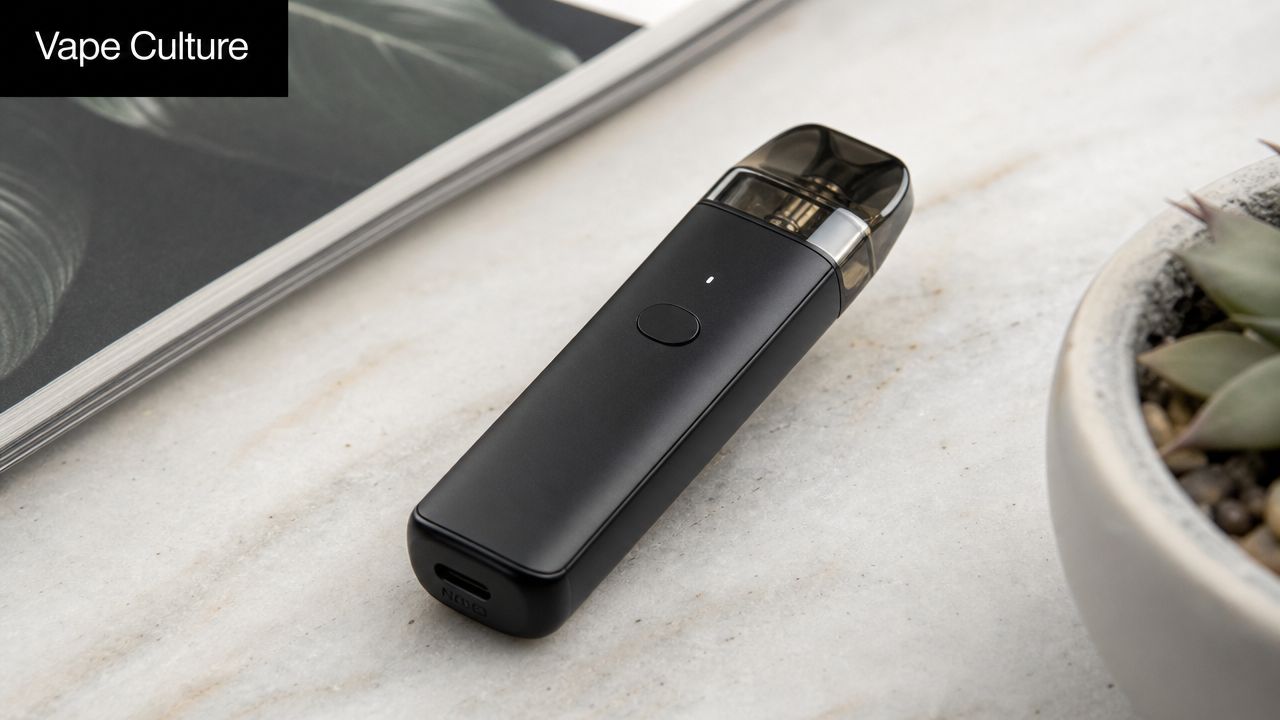
A sleek black electronic vape device sits on a marble surface next to a magazine.

The common hardware formats

Most of the confusion comes from the fact that several devices can feel “plug and play” even though they're different products.

  • Pod-and-battery systems use a reusable battery and a prefilled pod made for that system.
  • All-in-one disposables combine oil, atomizer, and battery in one piece that's meant to be used as-is.
  • Standard cart systems use a separate battery with a threaded cartridge, often called a 510 cart.

A branded pod system is usually more locked into its own ecosystem. A disposable is often the easiest option for a first-time buyer. A 510 setup gives more flexibility, but it can also create more compatibility questions.

Why the phrase stuck in cannabis

The appeal is the same as it is in tech. Buyers want something that feels straightforward. Charge it, attach it, inhale, and you're done.

Some rechargeable systems are marketed with “over 350+ puffs per charge,” while interest has also shifted toward all-in-one disposables that remove charging and setup altogether, as described in this PLUGPLAY disposable overview. That's why “plug and play” in cannabis now often means convenience first, not technical auto-detection.

For shoppers comparing options, it helps to look at examples of vape cartridge styles and formats so you can tell whether you're buying a pod system, a disposable, or a standard cartridge.

New buyers often assume “plug n play” means universal compatibility. In cannabis, it often means the opposite. It may be simple to use, but only within that brand's system.

Choosing Your Vape System in the DMV Area

If you're shopping in DC, Maryland, or Virginia, the best vape system depends less on buzzwords and more on your routine. Are you visiting for a weekend? Do you want the easiest setup possible? Do you care most about flavor options? The right answer changes with the person.

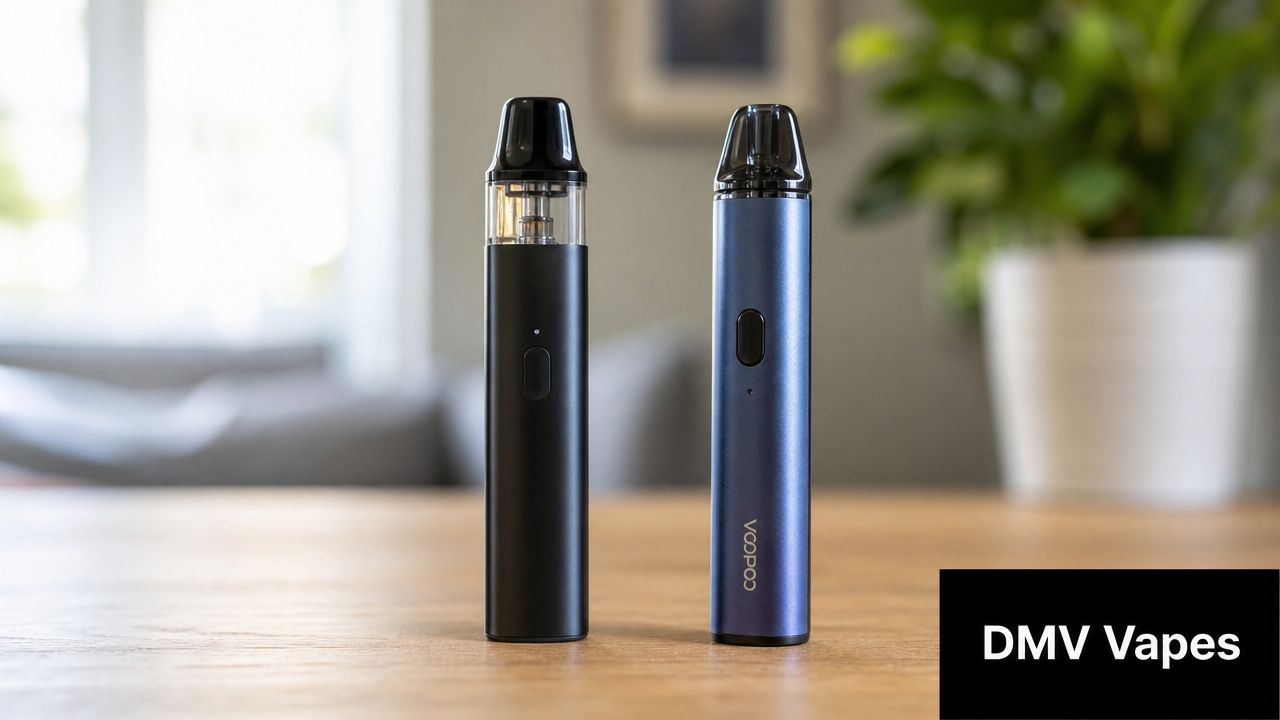
Two VOOPOO brand pod vape devices standing on a wooden table, one black and one blue.

A quick side by side view

System Best for Main upside Main drawback
Disposable Visitors, occasional users, people who want no setup Simple and self-contained Less flexibility once purchased
Pod system Buyers who like a specific brand ecosystem Easy swap-in use Pods may only fit one battery type
510 cartridge and battery Users who want variety Broad cart selection More room for compatibility mistakes

That chart is the short version. The day-to-day experience matters more.

How each one feels in real life

A disposable is usually the least complicated. You open it, check that it's charged if it's rechargeable, and use it. For a tourist in DC or someone who doesn't vape often, that simplicity is hard to beat.

A pod system sits in the middle. It feels cleaner and more organized than juggling loose cartridges, but you have to stay inside that brand's ecosystem. If you buy the wrong pod for the wrong battery, the “plug and play” promise disappears fast.

A 510 cart setup gives you the broadest menu in many markets. It's a common choice for shoppers who want to compare strains, oil types, and hardware styles. If you're browsing THC vape cartridge options in DC, you'll notice that this format often opens up more selection, but it also asks the buyer to know what battery they own.

Here's a visual walkthrough if you want to see common vape formats in action before deciding:

A simple matching guide

  • You want the least hassle: choose a disposable.
  • You already like a specific brand's pods: choose that pod system and stick with matched hardware.
  • You want broader product choice: use a standard battery and compatible cartridge setup.
  • You're new and unsure: ask first whether the item is disposable, pod-based, or a threaded cart. That one question prevents most buyer mistakes.

Buy for your routine, not the label. “Plug n play” sounds easy, but the easiest product is the one that fits how you actually use it.

How to Source Safely and Legally in DC

In the District, convenience shouldn't be your only filter. The safer question is where the product came from, how it was handled, and whether the transaction fits the local legal framework.

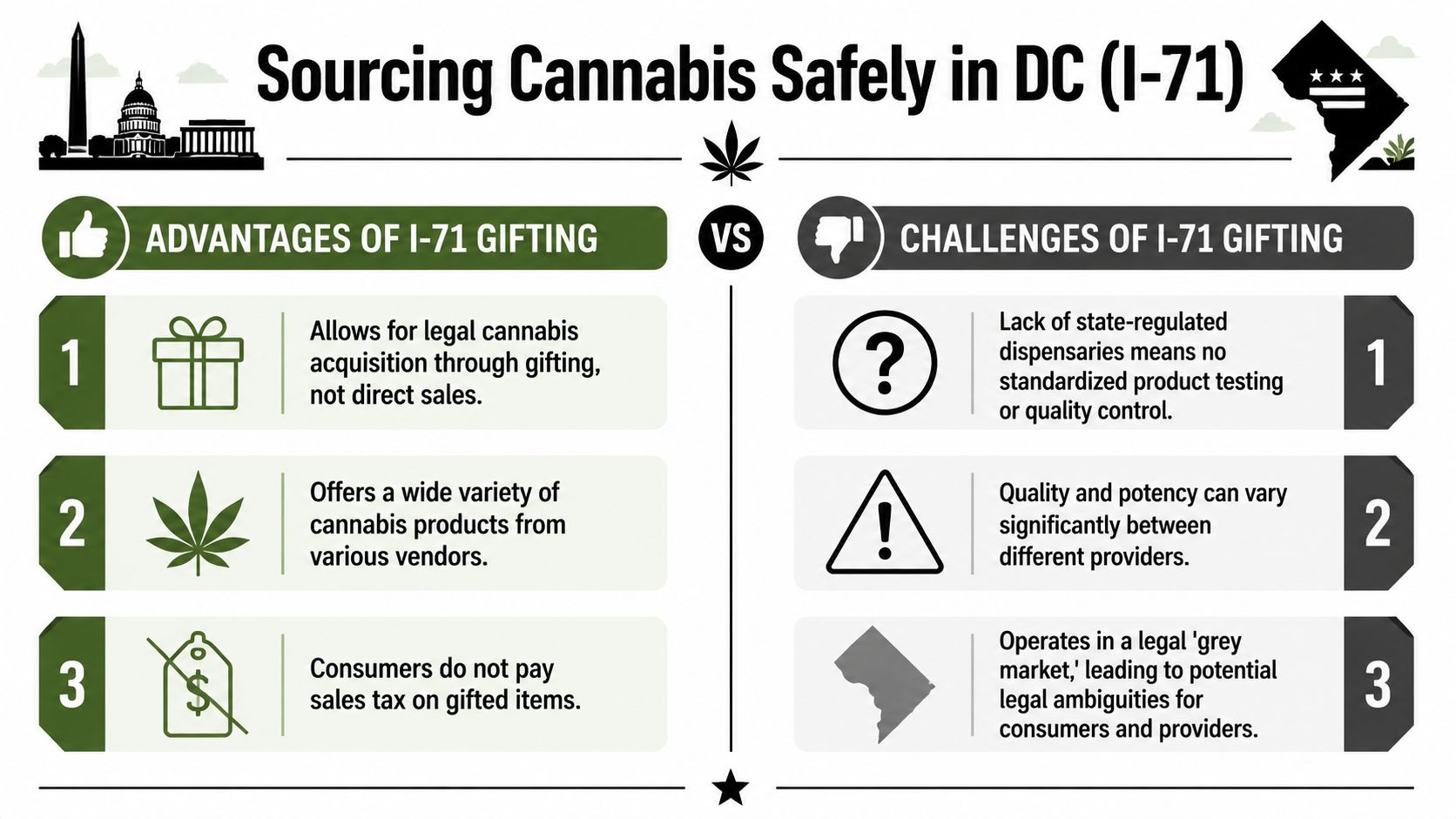
An infographic comparing the advantages and challenges of sourcing cannabis through gifting under I-71 in Washington DC.

What buyers in DC should understand

Washington, DC operates under a different cannabis reality than many people expect. Adults often hear about the I-71 gifting model, and that creates a lot of uncertainty for locals and visitors alike. Maryland and Virginia have their own rules and enforcement realities, so people in the broader DMV often assume the same approach applies everywhere. It doesn't.

That's why buyers should slow down and confirm the legal details that apply to their location, age, possession, and delivery situation. A product that's easy to use isn't automatically easy to source legally.

Why source quality matters with vapes

Vapes are convenient, but they're also the product type where trust matters most. You're relying on the oil, hardware, and handling to all be sound. If a seller can't clearly explain what the product is, where it came from, and what you're getting, that's a problem.

Watch for these practical signs:

  • Clear product labeling: you should know whether it's a disposable, pod, or cartridge.
  • Straight answers on compatibility: a seller should be able to tell you what battery or system it fits.
  • Consistent packaging: sloppy or mismatched packaging is a warning sign.
  • Adult verification: serious operators check ID and keep the process professional.
  • Reliable ordering flow: a stable menu and clear communication beat random messaging accounts every time.

The safest vape purchase is boring in the best way. Clear menu, clear rules, clear ID check, clear delivery process.

For adults in the District who want a more dependable option, it makes sense to use an established Washington, DC cannabis delivery service with a professional ordering process instead of chasing mystery products through informal channels.

A note on Maryland and Virginia

For readers focused on DC, Virginia, and Maryland weed delivery, the key point is local verification. Don't assume one region's rules cover the whole DMV. Before ordering, confirm whether delivery is permitted where you are, what the provider serves, and what kind of age and identity check they require.

That extra minute of caution saves a lot of confusion. It also helps you avoid the worst-case scenario, which isn't inconvenience. It's ending up with a product you can't verify or shouldn't have bought in the first place.

Making a Smart and Simple Cannabis Choice

So, what is Plug n Play?

It's two things. In technology, it means hardware that works with minimal setup. In cannabis, it usually means a vape system built around simplicity, or it refers to the PLUGPLAY brand. The phrase sounds easy in both settings, which is exactly why people mix them up.

For cannabis shoppers in the DMV, the better question isn't just what the term means. It's what kind of product you're buying. Disposable, pod system, and standard cartridge setups all solve different problems. Some are better for travel. Some are better for variety. Some are better for first-timers who don't want to think about batteries and compatibility.

The smartest choice is the one that combines ease, product clarity, and legal sourcing. Convenience matters, but it shouldn't outrank safety. If a vape is simple to use but hard to verify, that isn't a good plug-and-play experience.

Use the term as a starting point, not the final answer. Ask what hardware it uses, whether it needs a separate battery, whether it's disposable, and whether the source is trustworthy in your area.


For adults 21+ in the District who want a simple, reliable way to shop, Green Express DC offers a curated menu of premium, lab-tested, 100% organic cannabis products with discreet delivery, ID verification at drop-off, and a straightforward ordering process that removes a lot of the guesswork from buying vapes, carts, flower, edibles, and concentrates in DC.

Posted on

Indica vs Sativa vs Hybrid Effects: indica vs sativa vs hybrid effects explained

For years, the cannabis world has operated on a simple, if not entirely accurate, rule of thumb: indicas for relaxation, sativas for energy. The catchy phrase "in-da-couch" perfectly summed up the expected sedative effect of an indica. But as we've learned more about the plant's science, it's become clear that these labels are just the tip of the iceberg.

The real driver behind a strain's effects isn't its name, but its unique chemical makeup.

Debunking the Indica vs Sativa Myth

For a long time, the community's shorthand worked well enough. You picked a sativa for daytime focus and an indica to unwind at night. This framework was easy to grasp, but it’s an oversimplification that cannabis science has since moved beyond. The true story is far more complex and interesting, and it’s all written in the plant's chemical fingerprint.

A kitchen counter with CBD oil bottles, jars of herbs, and a personal health profile document.

This profile is what we call a chemotype. It’s a detailed breakdown of all the active compounds in a strain, including cannabinoids like THC and CBD and the aromatic oils called terpenes. How these compounds work together—a synergy known as the entourage effect—is what truly shapes your experience.

Key Insight: Two different "sativa" strains can feel worlds apart. If one is rich in the citrusy, uplifting terpene limonene and another has high levels of the more sedative myrcene, you’re going to have two very different experiences. The chemical data matters more than the label.

From Folklore to Science

To really get a handle on this, let's contrast the old way of thinking with what modern science tells us. Funnily enough, the terms "indica" and "sativa" were originally botanical terms that described a plant's physical traits—its height, leaf shape, and flowering time—not its effects.

Understanding this shift helps you make smarter, more predictable choices. When you start paying attention to a strain’s chemotype, you can find what consistently works for you. For instance, digging into the profile of a sativa-dominant hybrid like Blue Dream will tell you more about its likely effects than just its "hybrid" label.

The table below lays out the old beliefs versus our current scientific understanding.

Traditional Beliefs vs Modern Science

This table contrasts the traditional, often misleading, classifications of cannabis strains with the modern, science-backed understanding based on chemical profiles.

Strain Type Traditional Perceived Effect Modern Scientific Driver of Effects Common Terpene Profile
Indica "In-da-couch" sedative, full-body relaxation, ideal for nighttime. High concentrations of the terpene myrcene, often with linalool and caryophyllene, steering the THC toward relaxation. Myrcene, Linalool, Caryophyllene
Sativa Uplifting, creative, cerebral energy, ideal for daytime activities. Dominance of terpenes like limonene, terpinolene, and pinene, which guide THC toward stimulating effects. Limonene, Pinene, Terpinolene
Hybrid A balanced mix of both, or dominant in one direction (e.g., indica-dominant). A blended profile of cannabinoids and terpenes designed to achieve a specific, targeted outcome (e.g., pain relief with alertness). Varies widely based on genetics.

Ultimately, true mastery over your cannabis experience comes from looking past the indica, sativa, and hybrid labels. By focusing on the detailed lab results and terpene profiles—information that a good delivery service like Green Express DC should provide—you can pinpoint the perfect product for whatever you're looking to achieve, whether it’s deep relaxation, creative energy, or social buzz.

Why Strain Labels Are Becoming a Thing of the Past

If you’ve been around the world of cannabis for a while, you probably learned the classic "rules." Indica for "in-da-couch" relaxation, sativa for a soaring, energetic buzz, and a hybrid for somewhere in the middle. For a long time, it was our only roadmap. But the truth is, those labels were never meant to describe a strain's effects.

Believe it or not, the terms date back to 18th-century botanists. Cannabis sativa was simply their name for the tall, skinny-leafed plants in warmer climates. Cannabis indica described the short, bushy plants with wide leaves from the cooler mountains of India and Afghanistan. It was purely about a plant's physical structure—not its chemical magic.

The Great Genetic Mix-Up

So, how did we get from a simple botanical description to a confusing market? Decades of enthusiastic cross-breeding have turned the cannabis gene pool into one big, beautiful, and very complicated soup. Growers have been chasing specific flavors, higher potencies, and unique effects for so long that nearly every strain you'll find today is technically a hybrid.

Finding a pure, untouched landrace sativa or indica is now like spotting a unicorn. This genetic free-for-all means you can no longer judge a book by its cover; a plant that looks like a classic indica might deliver a racy, cerebral high you'd expect from a sativa.

The market stats back this up. It's estimated that over 60% of cannabis strains on the market today are hybrids, completely upending the old indica vs. sativa debate. This huge shift happened because growers figured out that blending genetics gives them far more control over the final experience. Think about it—some of the most popular strains, like GG4 (with around 20% THC) for deep relaxation or certain Sour Diesel hybrids (hitting up to 31% THC) for stress-melting energy, are all hybrids. You can learn more about how the industry's evolution has reshaped strain chemistry by reviewing these findings.

Beyond Indica and Sativa: Meet the Chemotype

If the old labels are failing us, how can we reliably predict our experience? The answer is to look at a strain’s chemotype—its unique chemical fingerprint. This is where we move past the folklore and focus on the data that actually matters. It all comes down to two key players.

  • Cannabinoids: These are the main active compounds, with THC and CBD being the most famous. Their specific ratio and percentage are the primary drivers of a strain's potency and overall effects.
  • Terpenes: These are the aromatic oils that give a strain its unique smell and taste. But they do so much more—they are the "steering wheel" for your high, shaping and directing the effects of the cannabinoids.

Think of a strain's chemotype as its nutritional label. It provides precise, actionable information, letting you move beyond the guesswork of "indica vs sativa vs hybrid effects" and choose a product based on a predictable outcome.

Here’s a perfect example of why this matters. You could have two different strains, both testing at 22% THC. But one is packed with the relaxing, sedative terpene myrcene, while the other is full of the bright, zesty terpene limonene. Despite having the same THC level, their effects will be worlds apart. One will have you melting into the couch for a movie marathon, while the other might have you cleaning your entire apartment with a smile.

This is exactly why a modern, transparent service like Green Express DC prioritizes providing you with detailed, lab-verified data. When you can see a strain's full chemical profile, you can stop shopping by a name and start shopping by the numbers. It’s the key to making an informed choice and finding the exact experience you’re looking for, every single time.

Understanding the Entourage Effect

So, if the indica, sativa, and hybrid labels are just loose guidelines, what really determines how a strain makes you feel? The answer is a fascinating chemical symphony inside the plant called the entourage effect. It’s the simple idea that all the compounds in cannabis work together, creating an effect that’s much greater than the sum of its parts.

Think of it like a band. THC is the charismatic lead singer, setting the main vibe and getting most of the attention. But the experience isn't complete without the other musicians—the other cannabinoids like CBD and, crucially, the aromatic compounds known as terpenes. They're the guitarist, bassist, and drummer who add depth, shape the melody, and define the overall mood of the song.

Fresh green herbs on a table with a sign mentioning 'ENTOURAGE EFFECT' and chemical structure diagrams.

This is why fixating on THC percentage is one of the biggest mistakes you can make. A strain with 20% THC can feel worlds apart from another one with the exact same potency. The entourage effect is the reason why.

The Dynamic Duo: Cannabinoids and Terpenes

To really get a handle on this, you need to know the two main groups of compounds that create the entourage effect. These are the key players that truly define the indica vs sativa vs hybrid experience.

First, you have the cannabinoids, which are the primary active compounds. THC (Tetrahydrocannabinol) is the most famous, of course—it’s what produces the psychoactive “high.” Then there's CBD (Cannabidiol), which is non-intoxicating but plays a huge role in toning down THC's intensity, often reducing potential anxiety and adding its own therapeutic qualities. The ratio between these two is a massive factor.

Next up are the terpenes. These are the fragrant oils that give different strains their signature smell and taste, from the sharp citrus of a Haze to the deep, earthy pine of a Kush. But they do so much more than just smell nice. Terpenes are bioactive, meaning they work directly with cannabinoids to steer the high in a specific direction.

Key Takeaway: The entourage effect is the powerful synergy between cannabinoids and terpenes. You can think of terpenes as the "directors" of the experience, guiding THC to produce targeted effects like relaxation, creativity, or focus.

How Terpenes Steer Your High

Terpenes are the true secret to dialing in your perfect cannabis experience. While there are over 150 known terpenes, just a handful tend to dominate a strain’s profile and have a huge say in its final effects.

Getting to know these main players is a far more accurate way to predict how a strain will hit than just going by the old indica/sativa labels.

Common Terpenes and Their Typical Effects:

  • Myrcene: This is the terpene most people associate with classic "indica" effects. It has a musky, earthy aroma and is known for promoting sedation and deep relaxation. If you’ve ever felt "couch-locked," you can probably thank myrcene.
  • Limonene: Just like the name suggests, this one has a bright, zesty citrus scent. It's tied to an uplifting mood, stress relief, and a burst of energy, making it a star player in many "sativa" profiles.
  • Pinene: With a crisp, clean scent of pine, this terpene is thought to help with alertness and memory retention. It’s fantastic for cutting through the potential mental fog that THC can sometimes bring.
  • Caryophyllene: This terpene has a spicy, peppery kick. What’s unique about caryophyllene is that it also acts like a cannabinoid, binding to receptors in the body to help ease pain and inflammation.

The real story behind indica, sativa, and hybrid effects isn't in the name, but in the chemical profile. Indicas often have a higher CBD-to-THC ratio for that body-heavy relaxation, but the terpenes seal the deal. Myrcene (often 0.5-3% in indicas) pushes sedation, while pinene (0.2-0.8% in sativas) sharpens your mind. Hybrids? They're just a blend of these profiles, offering incredible versatility.

For anyone shopping with Green Express DC—from first-timers to experienced users picking up prerolls, vapes, or concentrates—this knowledge is power. It means you can look at a lab-tested menu and choose a product whose effects are backed by science, not by old-school myths. Since California's medical legalization in 1996, the data we've gathered on strains has shown that chemical composition leads to 90% more accurate outcomes for consumers. Discover more insights about strain chemistry on Healthline.com.

By learning to read these chemical cues, you can move beyond the labels and choose a product for its true properties, ensuring you get exactly the experience you’re looking for.

Matching Strain Profiles to Your Needs

Knowing the science behind chemotypes and the entourage effect is interesting, but the real fun starts when you apply that knowledge. This is how you move past the old "indica vs. sativa" debate and start choosing cannabis with a specific goal in mind, whether that's firing up your creativity, dialing down pain, or just letting go of the day. It’s all about finding a strain whose chemical makeup aligns with what you want to feel.

Let's walk through how different chemotypes work for different situations. The secret is to look at the main terpenes in a strain and think about how they'll play with cannabinoids like THC and CBD.

Morning Creativity vs. Evening Relaxation

Picture this: you have a big creative project to tackle first thing in the morning. You’re looking for focus and a spark of inspiration, not something that will glue you to the couch. This is the perfect job for a strain high in limonene and pinene. A classic choice would be something like a Jack Herer phenotype, whose profile is all about promoting alertness and a clear-headed buzz ideal for brainstorming.

Now, flip the script to the end of the day. Your goal is to unwind, melt away stress, and set yourself up for a good night's sleep. You'll want a completely different profile, this time one loaded with myrcene and linalool. A strain like GMO Cookies, famous for its powerful and deeply relaxing effects, is a perfect fit here. Its terpenes guide the high toward physical calm and sedation.

Practical Tip: Instead of just asking your budtender for an "indica," try asking for something "with a lot of myrcene for sleep." If you need a daytime boost, ask for a strain that's "high in limonene for focus." Speaking in terms of terpenes gets you much closer to the effect you’re actually looking for.

Market trends absolutely back this up. Sativas like Green Crack (around 17% THC) are popular for their energetic buzz, while Lemon Haze (18% THC) is a favorite for shaking off fatigue. On the other side of the spectrum, indicas like Purple Punch (19% THC) are synonymous with relaxation, and the heavy-hitting GMO Cookies (often over 25% THC) is a go-to for pain and insomnia. Hybrids, which saw a 40% jump in sales after 2018, are often bred for these specific outcomes—from the happy buzz of Sherbert (18% THC) to the pain-soothing relief of a high-CBD strain like Sour Tsunami (<1% THC, 12% CBD). You can see more about how consumers are choosing strains based on these effects on Cannavine.com.

Tailoring Strains for Specific Scenarios

This approach of matching chemotypes to your needs works for just about any situation you can think of. Once you get a feel for what the key terpenes do, you can start building a personal cannabis toolkit for any occasion.

Common Scenarios and Ideal Profiles:

  • Social Gatherings: If you want to feel relaxed but still sharp and chatty, look for a balanced mix of linalool (for calm) and limonene (for mood). A moderate THC level is also a good idea to keep any potential anxiety at bay.
  • Enhancing a Workout: It might sound strange, but the right strain can be a fantastic workout partner. You’ll want a profile rich in terpinolene and pinene. A great example is the pure sativa Durban Poison, known for its clean, focused energy that won't weigh you down.
  • Easing Chronic Pain: For nagging, persistent pain, a combination of high THC and the terpene caryophyllene (known for its anti-inflammatory properties) is often the answer. Adding myrcene to the mix can bring a welcome layer of physical relaxation to soothe sore muscles and joints.

When you shift your focus from the simple indica/sativa labels to the richer details of a strain's chemical profile, you gain an incredible amount of control. It means you can browse a delivery service like Green Express DC and pick something not just because of its name, but because you know its science-backed profile will deliver the exact effect you need in that moment.

How to Choose the Right Strain for You

Walking into a dispensary or browsing an online menu can feel like staring at a foreign language. With countless strains and confusing names, how do you find the one that’s actually right for you? It's easy to get lost, but there's a straightforward way to cut through the noise. The secret is to stop focusing on the old indica vs. sativa labels and start looking at the strain’s actual chemical makeup.

It all boils down to one simple question: What is your goal? Before you even glance at a strain name, you need to know what you want to feel. Are you looking to spark some creative energy for a project? Maybe you need to unwind and get a solid night's sleep. Or perhaps you're just trying to find some relief from nagging pain. Your desired outcome is the single most important piece of the puzzle.

This little flowchart is a great starting point for thinking about your goals.

Flowchart titled "FIND YOUR PROFILE" guiding decisions to "CREATIVE," "RELAX," or "PAIN RELIEF" outcomes.

Think of this as your first fork in the road. It helps you move from a vague idea to a more specific target like creativity, relaxation, or pain management.

Analyze the Chemical Profile

Once you have a goal, it's time to play detective with the product details. The lab-tested numbers are where the real magic happens—this data tells you what a strain will actually do, far more accurately than its name or classification.

1. Check the Cannabinoid Percentages
First, look at the THC and CBD levels. THC is what provides the main psychoactive effect, so that percentage gives you a good idea of the strain's overall strength. If you're newer to cannabis or know you're sensitive, a strain with 5-15% THC is a comfortable place to start. For those with more experience, something in the 20-30% range might be more suitable. A higher CBD content can often mellow out the THC, leading to a much clearer and less anxious high.

2. Hunt for the Dominant Terpenes
This is the single most important step for understanding the vibe of the high. If cannabinoids are the engine, terpenes are the steering wheel. They truly direct the experience.

  • Want to feel energized and focused? Look for strains high in limonene, pinene, or terpinolene.
  • Looking for deep relaxation and sleep? You’ll want a profile rich in myrcene and linalool.
  • Need pain and inflammation relief? Prioritize strains that list caryophyllene and myrcene as dominant.

A top-notch delivery service like Green Express DC makes this part easy by giving you detailed descriptions of their lab-tested, organic products. That kind of transparency is your best friend when you're trying to find the perfect match.

Consider Your Consumption Method

Finally, don't forget that how you use cannabis completely changes its effects. You can take the exact same strain, but the experience will be wildly different depending on whether you smoke it or eat it.

  • Inhalation (Flower/Vapes): This is the fast track. You’ll feel the effects within minutes, but they also fade more quickly. This gives you a ton of control over your dosage—you can take a single puff, wait 10-15 minutes to see how you feel, and then decide if you want more.
  • Ingestion (Edibles/Tinctures): This method delivers a much heavier, longer-lasting body high. Because the effects are delayed (30-120 minutes), the golden rule is to start low and go slow. A typical beginner dose is just 2.5-5mg of THC.

By asking yourself these three things—what's my goal, what's the chemotype, and how will I consume it?—you can navigate any menu like a pro. It turns guesswork into a reliable process. For instance, if deep relaxation is what you're after, you could start by looking into a classic like the Bubba Kush strain and checking its profile for that tell-tale myrcene content.

Getting Your Consumption Right: Safety and Best Practices

Knowing the difference between an indica and a sativa is a great start, but how you consume it matters just as much. If there's one piece of advice to take to heart, it's this: “start low and go slow.” This isn't just a catchy phrase; it's the single best way to guarantee a good experience, especially if you're new to cannabis or trying a stronger product.

Everyone reacts differently. Your personal tolerance, body chemistry, and even what you ate for lunch can change how a strain affects you. A dose that’s perfect for your friend might be way too much for you, so approaching with a little caution is always smart.

A digital scale displaying "Start Low GO Slow" with cannabis, a glass of water, and documents.

This advice is doubly important when you're dealing with edibles. Because they're processed through your liver, the effects take much longer to kick in and can be significantly more powerful and long-lasting than smoking or vaping.

What to Do If You've Had Too Much

Even seasoned users can sometimes find themselves in a little deeper than they intended. If a high becomes uncomfortable and you start feeling anxious or paranoid, don't panic. These feelings are temporary and manageable.

Here’s what you can do to get back to a comfortable headspace:

  • Change Your Scenery: Find a quiet, cozy spot where you feel secure and can relax.
  • Hydrate: A simple glass of water can be surprisingly grounding. Just sip on it slowly.
  • Grab Some CBD: If you have any CBD oil or flower on hand, it can work wonders to ease the intensity of THC and mellow you out.
  • Breathe: It sounds simple, but focusing on slow, deep breaths is a powerful tool for calming your nervous system.

The easiest way to handle side effects is to avoid them in the first place. Sticking to strains with a more balanced THC-to-CBD ratio or those high in calming terpenes like linalool can help you have a much more predictable and gentle experience.

A Quick Note on DC's Local Rules

Enjoying cannabis in the District means playing by the local rules. First and foremost, you must be 21 or older to possess or consume cannabis products here.

When you place an order with a delivery service like Green Express DC, be prepared to show a valid, government-issued photo ID to the driver. This is a mandatory step for every single delivery, ensuring everything stays safe and legal for everyone. A little mindfulness about the law and your own consumption goes a long way in making every cannabis experience a great one.

A Few Common Questions

It's natural to have questions as you navigate the world of cannabis, especially with terms like indica, sativa, and hybrid still being so common. Here are some straightforward answers to help you make smarter choices, especially for those of us enjoying cannabis here in Washington, D.C.

If Indica And Sativa Labels Are Unreliable, Why Do Dispensaries Still Use Them?

Honestly, it’s mostly out of habit. These labels are a throwback to the old days of cannabis culture, and they give people a familiar, if flawed, starting point. For a long time, it was the only system we had.

While a strain's actual chemical profile (chemotype) tells you the real story, the old labels can sometimes offer a clue about a plant's genetic background or even how it grew. Just remember to treat the lab data as the truth and the indica/sativa label as a suggestion.

How Can I Place An Order As A Visitor In DC?

Ordering cannabis in DC is incredibly simple, whether you're a tourist or a local. All you need to be is 21 or older. You just find a delivery service you like, browse their menu online, and place your order.

Just have your valid, government-issued photo ID handy to show the driver when they arrive. Keep in mind that most services have a minimum order amount and usually operate on a cash basis.

A Budtender's Tip: When you're trying to figure out how a strain will really feel, the terpene profile is your most trusted guide. An "indica-dominant" label doesn't promise relaxation any more than a "sativa-dominant" one guarantees energy. The terpenes run the show.

Does An Indica-Dominant Hybrid Guarantee Relaxing Effects?

Not at all. While the "indica-dominant" tag is meant to suggest a calming experience, the terpenes are the ones actually steering the ship. For example, you could have an indica-dominant hybrid that's high in an energizing terpene like limonene, and it might end up feeling surprisingly uplifting.

Always look for the dominant terpenes listed in the product description. That will give you a much more accurate forecast of the effects you can expect.

Are Edible Effects Different From Smoking The Same Strain?

Yes, and it's a night-and-day difference. When you eat cannabis, your liver gets involved and converts THC into a compound called 11-hydroxy-THC. This new compound is much stronger and lasts significantly longer than the THC you inhale.

This process is why edibles produce such a powerful body high that can take anywhere from 30 minutes to two hours to kick in. It is absolutely crucial to start with a very small dose, like 2.5-5mg of THC, and wait to see how you feel before even thinking about taking more.


Ready to find your perfect match with a menu that's all about transparency and quality? Green Express DC delivers premium, lab-tested flower, vapes, and edibles right to your door. Check out our selection and place your order today.

Posted on

Indica vs Sativa vs Hybrid Effects: indica vs sativa vs hybrid effects explained

For years, the cannabis world has operated on a simple, if not entirely accurate, rule of thumb: indicas for relaxation, sativas for energy. The catchy phrase "in-da-couch" perfectly summed up the expected sedative effect of an indica. But as we've learned more about the plant's science, it's become clear that these labels are just the tip of the iceberg.

The real driver behind a strain's effects isn't its name, but its unique chemical makeup.

Debunking the Indica vs Sativa Myth

For a long time, the community's shorthand worked well enough. You picked a sativa for daytime focus and an indica to unwind at night. This framework was easy to grasp, but it’s an oversimplification that cannabis science has since moved beyond. The true story is far more complex and interesting, and it’s all written in the plant's chemical fingerprint.

A kitchen counter with CBD oil bottles, jars of herbs, and a personal health profile document.

This profile is what we call a chemotype. It’s a detailed breakdown of all the active compounds in a strain, including cannabinoids like THC and CBD and the aromatic oils called terpenes. How these compounds work together—a synergy known as the entourage effect—is what truly shapes your experience.

Key Insight: Two different "sativa" strains can feel worlds apart. If one is rich in the citrusy, uplifting terpene limonene and another has high levels of the more sedative myrcene, you’re going to have two very different experiences. The chemical data matters more than the label.

From Folklore to Science

To really get a handle on this, let's contrast the old way of thinking with what modern science tells us. Funnily enough, the terms "indica" and "sativa" were originally botanical terms that described a plant's physical traits—its height, leaf shape, and flowering time—not its effects.

Understanding this shift helps you make smarter, more predictable choices. When you start paying attention to a strain’s chemotype, you can find what consistently works for you. For instance, digging into the profile of a sativa-dominant hybrid like Blue Dream will tell you more about its likely effects than just its "hybrid" label.

The table below lays out the old beliefs versus our current scientific understanding.

Traditional Beliefs vs Modern Science

This table contrasts the traditional, often misleading, classifications of cannabis strains with the modern, science-backed understanding based on chemical profiles.

Strain Type Traditional Perceived Effect Modern Scientific Driver of Effects Common Terpene Profile
Indica "In-da-couch" sedative, full-body relaxation, ideal for nighttime. High concentrations of the terpene myrcene, often with linalool and caryophyllene, steering the THC toward relaxation. Myrcene, Linalool, Caryophyllene
Sativa Uplifting, creative, cerebral energy, ideal for daytime activities. Dominance of terpenes like limonene, terpinolene, and pinene, which guide THC toward stimulating effects. Limonene, Pinene, Terpinolene
Hybrid A balanced mix of both, or dominant in one direction (e.g., indica-dominant). A blended profile of cannabinoids and terpenes designed to achieve a specific, targeted outcome (e.g., pain relief with alertness). Varies widely based on genetics.

Ultimately, true mastery over your cannabis experience comes from looking past the indica, sativa, and hybrid labels. By focusing on the detailed lab results and terpene profiles—information that a good delivery service like Green Express DC should provide—you can pinpoint the perfect product for whatever you're looking to achieve, whether it’s deep relaxation, creative energy, or social buzz.

Why Strain Labels Are Becoming a Thing of the Past

If you’ve been around the world of cannabis for a while, you probably learned the classic "rules." Indica for "in-da-couch" relaxation, sativa for a soaring, energetic buzz, and a hybrid for somewhere in the middle. For a long time, it was our only roadmap. But the truth is, those labels were never meant to describe a strain's effects.

Believe it or not, the terms date back to 18th-century botanists. Cannabis sativa was simply their name for the tall, skinny-leafed plants in warmer climates. Cannabis indica described the short, bushy plants with wide leaves from the cooler mountains of India and Afghanistan. It was purely about a plant's physical structure—not its chemical magic.

The Great Genetic Mix-Up

So, how did we get from a simple botanical description to a confusing market? Decades of enthusiastic cross-breeding have turned the cannabis gene pool into one big, beautiful, and very complicated soup. Growers have been chasing specific flavors, higher potencies, and unique effects for so long that nearly every strain you'll find today is technically a hybrid.

Finding a pure, untouched landrace sativa or indica is now like spotting a unicorn. This genetic free-for-all means you can no longer judge a book by its cover; a plant that looks like a classic indica might deliver a racy, cerebral high you'd expect from a sativa.

The market stats back this up. It's estimated that over 60% of cannabis strains on the market today are hybrids, completely upending the old indica vs. sativa debate. This huge shift happened because growers figured out that blending genetics gives them far more control over the final experience. Think about it—some of the most popular strains, like GG4 (with around 20% THC) for deep relaxation or certain Sour Diesel hybrids (hitting up to 31% THC) for stress-melting energy, are all hybrids. You can learn more about how the industry's evolution has reshaped strain chemistry by reviewing these findings.

Beyond Indica and Sativa: Meet the Chemotype

If the old labels are failing us, how can we reliably predict our experience? The answer is to look at a strain’s chemotype—its unique chemical fingerprint. This is where we move past the folklore and focus on the data that actually matters. It all comes down to two key players.

  • Cannabinoids: These are the main active compounds, with THC and CBD being the most famous. Their specific ratio and percentage are the primary drivers of a strain's potency and overall effects.
  • Terpenes: These are the aromatic oils that give a strain its unique smell and taste. But they do so much more—they are the "steering wheel" for your high, shaping and directing the effects of the cannabinoids.

Think of a strain's chemotype as its nutritional label. It provides precise, actionable information, letting you move beyond the guesswork of "indica vs sativa vs hybrid effects" and choose a product based on a predictable outcome.

Here’s a perfect example of why this matters. You could have two different strains, both testing at 22% THC. But one is packed with the relaxing, sedative terpene myrcene, while the other is full of the bright, zesty terpene limonene. Despite having the same THC level, their effects will be worlds apart. One will have you melting into the couch for a movie marathon, while the other might have you cleaning your entire apartment with a smile.

This is exactly why a modern, transparent service like Green Express DC prioritizes providing you with detailed, lab-verified data. When you can see a strain's full chemical profile, you can stop shopping by a name and start shopping by the numbers. It’s the key to making an informed choice and finding the exact experience you’re looking for, every single time.

Understanding the Entourage Effect

So, if the indica, sativa, and hybrid labels are just loose guidelines, what really determines how a strain makes you feel? The answer is a fascinating chemical symphony inside the plant called the entourage effect. It’s the simple idea that all the compounds in cannabis work together, creating an effect that’s much greater than the sum of its parts.

Think of it like a band. THC is the charismatic lead singer, setting the main vibe and getting most of the attention. But the experience isn't complete without the other musicians—the other cannabinoids like CBD and, crucially, the aromatic compounds known as terpenes. They're the guitarist, bassist, and drummer who add depth, shape the melody, and define the overall mood of the song.

Fresh green herbs on a table with a sign mentioning 'ENTOURAGE EFFECT' and chemical structure diagrams.

This is why fixating on THC percentage is one of the biggest mistakes you can make. A strain with 20% THC can feel worlds apart from another one with the exact same potency. The entourage effect is the reason why.

The Dynamic Duo: Cannabinoids and Terpenes

To really get a handle on this, you need to know the two main groups of compounds that create the entourage effect. These are the key players that truly define the indica vs sativa vs hybrid experience.

First, you have the cannabinoids, which are the primary active compounds. THC (Tetrahydrocannabinol) is the most famous, of course—it’s what produces the psychoactive “high.” Then there's CBD (Cannabidiol), which is non-intoxicating but plays a huge role in toning down THC's intensity, often reducing potential anxiety and adding its own therapeutic qualities. The ratio between these two is a massive factor.

Next up are the terpenes. These are the fragrant oils that give different strains their signature smell and taste, from the sharp citrus of a Haze to the deep, earthy pine of a Kush. But they do so much more than just smell nice. Terpenes are bioactive, meaning they work directly with cannabinoids to steer the high in a specific direction.

Key Takeaway: The entourage effect is the powerful synergy between cannabinoids and terpenes. You can think of terpenes as the "directors" of the experience, guiding THC to produce targeted effects like relaxation, creativity, or focus.

How Terpenes Steer Your High

Terpenes are the true secret to dialing in your perfect cannabis experience. While there are over 150 known terpenes, just a handful tend to dominate a strain’s profile and have a huge say in its final effects.

Getting to know these main players is a far more accurate way to predict how a strain will hit than just going by the old indica/sativa labels.

Common Terpenes and Their Typical Effects:

  • Myrcene: This is the terpene most people associate with classic "indica" effects. It has a musky, earthy aroma and is known for promoting sedation and deep relaxation. If you’ve ever felt "couch-locked," you can probably thank myrcene.
  • Limonene: Just like the name suggests, this one has a bright, zesty citrus scent. It's tied to an uplifting mood, stress relief, and a burst of energy, making it a star player in many "sativa" profiles.
  • Pinene: With a crisp, clean scent of pine, this terpene is thought to help with alertness and memory retention. It’s fantastic for cutting through the potential mental fog that THC can sometimes bring.
  • Caryophyllene: This terpene has a spicy, peppery kick. What’s unique about caryophyllene is that it also acts like a cannabinoid, binding to receptors in the body to help ease pain and inflammation.

The real story behind indica, sativa, and hybrid effects isn't in the name, but in the chemical profile. Indicas often have a higher CBD-to-THC ratio for that body-heavy relaxation, but the terpenes seal the deal. Myrcene (often 0.5-3% in indicas) pushes sedation, while pinene (0.2-0.8% in sativas) sharpens your mind. Hybrids? They're just a blend of these profiles, offering incredible versatility.

For anyone shopping with Green Express DC—from first-timers to experienced users picking up prerolls, vapes, or concentrates—this knowledge is power. It means you can look at a lab-tested menu and choose a product whose effects are backed by science, not by old-school myths. Since California's medical legalization in 1996, the data we've gathered on strains has shown that chemical composition leads to 90% more accurate outcomes for consumers. Discover more insights about strain chemistry on Healthline.com.

By learning to read these chemical cues, you can move beyond the labels and choose a product for its true properties, ensuring you get exactly the experience you’re looking for.

Matching Strain Profiles to Your Needs

Knowing the science behind chemotypes and the entourage effect is interesting, but the real fun starts when you apply that knowledge. This is how you move past the old "indica vs. sativa" debate and start choosing cannabis with a specific goal in mind, whether that's firing up your creativity, dialing down pain, or just letting go of the day. It’s all about finding a strain whose chemical makeup aligns with what you want to feel.

Let's walk through how different chemotypes work for different situations. The secret is to look at the main terpenes in a strain and think about how they'll play with cannabinoids like THC and CBD.

Morning Creativity vs. Evening Relaxation

Picture this: you have a big creative project to tackle first thing in the morning. You’re looking for focus and a spark of inspiration, not something that will glue you to the couch. This is the perfect job for a strain high in limonene and pinene. A classic choice would be something like a Jack Herer phenotype, whose profile is all about promoting alertness and a clear-headed buzz ideal for brainstorming.

Now, flip the script to the end of the day. Your goal is to unwind, melt away stress, and set yourself up for a good night's sleep. You'll want a completely different profile, this time one loaded with myrcene and linalool. A strain like GMO Cookies, famous for its powerful and deeply relaxing effects, is a perfect fit here. Its terpenes guide the high toward physical calm and sedation.

Practical Tip: Instead of just asking your budtender for an "indica," try asking for something "with a lot of myrcene for sleep." If you need a daytime boost, ask for a strain that's "high in limonene for focus." Speaking in terms of terpenes gets you much closer to the effect you’re actually looking for.

Market trends absolutely back this up. Sativas like Green Crack (around 17% THC) are popular for their energetic buzz, while Lemon Haze (18% THC) is a favorite for shaking off fatigue. On the other side of the spectrum, indicas like Purple Punch (19% THC) are synonymous with relaxation, and the heavy-hitting GMO Cookies (often over 25% THC) is a go-to for pain and insomnia. Hybrids, which saw a 40% jump in sales after 2018, are often bred for these specific outcomes—from the happy buzz of Sherbert (18% THC) to the pain-soothing relief of a high-CBD strain like Sour Tsunami (<1% THC, 12% CBD). You can see more about how consumers are choosing strains based on these effects on Cannavine.com.

Tailoring Strains for Specific Scenarios

This approach of matching chemotypes to your needs works for just about any situation you can think of. Once you get a feel for what the key terpenes do, you can start building a personal cannabis toolkit for any occasion.

Common Scenarios and Ideal Profiles:

  • Social Gatherings: If you want to feel relaxed but still sharp and chatty, look for a balanced mix of linalool (for calm) and limonene (for mood). A moderate THC level is also a good idea to keep any potential anxiety at bay.
  • Enhancing a Workout: It might sound strange, but the right strain can be a fantastic workout partner. You’ll want a profile rich in terpinolene and pinene. A great example is the pure sativa Durban Poison, known for its clean, focused energy that won't weigh you down.
  • Easing Chronic Pain: For nagging, persistent pain, a combination of high THC and the terpene caryophyllene (known for its anti-inflammatory properties) is often the answer. Adding myrcene to the mix can bring a welcome layer of physical relaxation to soothe sore muscles and joints.

When you shift your focus from the simple indica/sativa labels to the richer details of a strain's chemical profile, you gain an incredible amount of control. It means you can browse a delivery service like Green Express DC and pick something not just because of its name, but because you know its science-backed profile will deliver the exact effect you need in that moment.

How to Choose the Right Strain for You

Walking into a dispensary or browsing an online menu can feel like staring at a foreign language. With countless strains and confusing names, how do you find the one that’s actually right for you? It's easy to get lost, but there's a straightforward way to cut through the noise. The secret is to stop focusing on the old indica vs. sativa labels and start looking at the strain’s actual chemical makeup.

It all boils down to one simple question: What is your goal? Before you even glance at a strain name, you need to know what you want to feel. Are you looking to spark some creative energy for a project? Maybe you need to unwind and get a solid night's sleep. Or perhaps you're just trying to find some relief from nagging pain. Your desired outcome is the single most important piece of the puzzle.

This little flowchart is a great starting point for thinking about your goals.

Flowchart titled "FIND YOUR PROFILE" guiding decisions to "CREATIVE," "RELAX," or "PAIN RELIEF" outcomes.

Think of this as your first fork in the road. It helps you move from a vague idea to a more specific target like creativity, relaxation, or pain management.

Analyze the Chemical Profile

Once you have a goal, it's time to play detective with the product details. The lab-tested numbers are where the real magic happens—this data tells you what a strain will actually do, far more accurately than its name or classification.

1. Check the Cannabinoid Percentages
First, look at the THC and CBD levels. THC is what provides the main psychoactive effect, so that percentage gives you a good idea of the strain's overall strength. If you're newer to cannabis or know you're sensitive, a strain with 5-15% THC is a comfortable place to start. For those with more experience, something in the 20-30% range might be more suitable. A higher CBD content can often mellow out the THC, leading to a much clearer and less anxious high.

2. Hunt for the Dominant Terpenes
This is the single most important step for understanding the vibe of the high. If cannabinoids are the engine, terpenes are the steering wheel. They truly direct the experience.

  • Want to feel energized and focused? Look for strains high in limonene, pinene, or terpinolene.
  • Looking for deep relaxation and sleep? You’ll want a profile rich in myrcene and linalool.
  • Need pain and inflammation relief? Prioritize strains that list caryophyllene and myrcene as dominant.

A top-notch delivery service like Green Express DC makes this part easy by giving you detailed descriptions of their lab-tested, organic products. That kind of transparency is your best friend when you're trying to find the perfect match.

Consider Your Consumption Method

Finally, don't forget that how you use cannabis completely changes its effects. You can take the exact same strain, but the experience will be wildly different depending on whether you smoke it or eat it.

  • Inhalation (Flower/Vapes): This is the fast track. You’ll feel the effects within minutes, but they also fade more quickly. This gives you a ton of control over your dosage—you can take a single puff, wait 10-15 minutes to see how you feel, and then decide if you want more.
  • Ingestion (Edibles/Tinctures): This method delivers a much heavier, longer-lasting body high. Because the effects are delayed (30-120 minutes), the golden rule is to start low and go slow. A typical beginner dose is just 2.5-5mg of THC.

By asking yourself these three things—what's my goal, what's the chemotype, and how will I consume it?—you can navigate any menu like a pro. It turns guesswork into a reliable process. For instance, if deep relaxation is what you're after, you could start by looking into a classic like the Bubba Kush strain and checking its profile for that tell-tale myrcene content.

Getting Your Consumption Right: Safety and Best Practices

Knowing the difference between an indica and a sativa is a great start, but how you consume it matters just as much. If there's one piece of advice to take to heart, it's this: “start low and go slow.” This isn't just a catchy phrase; it's the single best way to guarantee a good experience, especially if you're new to cannabis or trying a stronger product.

Everyone reacts differently. Your personal tolerance, body chemistry, and even what you ate for lunch can change how a strain affects you. A dose that’s perfect for your friend might be way too much for you, so approaching with a little caution is always smart.

A digital scale displaying "Start Low GO Slow" with cannabis, a glass of water, and documents.

This advice is doubly important when you're dealing with edibles. Because they're processed through your liver, the effects take much longer to kick in and can be significantly more powerful and long-lasting than smoking or vaping.

What to Do If You've Had Too Much

Even seasoned users can sometimes find themselves in a little deeper than they intended. If a high becomes uncomfortable and you start feeling anxious or paranoid, don't panic. These feelings are temporary and manageable.

Here’s what you can do to get back to a comfortable headspace:

  • Change Your Scenery: Find a quiet, cozy spot where you feel secure and can relax.
  • Hydrate: A simple glass of water can be surprisingly grounding. Just sip on it slowly.
  • Grab Some CBD: If you have any CBD oil or flower on hand, it can work wonders to ease the intensity of THC and mellow you out.
  • Breathe: It sounds simple, but focusing on slow, deep breaths is a powerful tool for calming your nervous system.

The easiest way to handle side effects is to avoid them in the first place. Sticking to strains with a more balanced THC-to-CBD ratio or those high in calming terpenes like linalool can help you have a much more predictable and gentle experience.

A Quick Note on DC's Local Rules

Enjoying cannabis in the District means playing by the local rules. First and foremost, you must be 21 or older to possess or consume cannabis products here.

When you place an order with a delivery service like Green Express DC, be prepared to show a valid, government-issued photo ID to the driver. This is a mandatory step for every single delivery, ensuring everything stays safe and legal for everyone. A little mindfulness about the law and your own consumption goes a long way in making every cannabis experience a great one.

A Few Common Questions

It's natural to have questions as you navigate the world of cannabis, especially with terms like indica, sativa, and hybrid still being so common. Here are some straightforward answers to help you make smarter choices, especially for those of us enjoying cannabis here in Washington, D.C.

If Indica And Sativa Labels Are Unreliable, Why Do Dispensaries Still Use Them?

Honestly, it’s mostly out of habit. These labels are a throwback to the old days of cannabis culture, and they give people a familiar, if flawed, starting point. For a long time, it was the only system we had.

While a strain's actual chemical profile (chemotype) tells you the real story, the old labels can sometimes offer a clue about a plant's genetic background or even how it grew. Just remember to treat the lab data as the truth and the indica/sativa label as a suggestion.

How Can I Place An Order As A Visitor In DC?

Ordering cannabis in DC is incredibly simple, whether you're a tourist or a local. All you need to be is 21 or older. You just find a delivery service you like, browse their menu online, and place your order.

Just have your valid, government-issued photo ID handy to show the driver when they arrive. Keep in mind that most services have a minimum order amount and usually operate on a cash basis.

A Budtender's Tip: When you're trying to figure out how a strain will really feel, the terpene profile is your most trusted guide. An "indica-dominant" label doesn't promise relaxation any more than a "sativa-dominant" one guarantees energy. The terpenes run the show.

Does An Indica-Dominant Hybrid Guarantee Relaxing Effects?

Not at all. While the "indica-dominant" tag is meant to suggest a calming experience, the terpenes are the ones actually steering the ship. For example, you could have an indica-dominant hybrid that's high in an energizing terpene like limonene, and it might end up feeling surprisingly uplifting.

Always look for the dominant terpenes listed in the product description. That will give you a much more accurate forecast of the effects you can expect.

Are Edible Effects Different From Smoking The Same Strain?

Yes, and it's a night-and-day difference. When you eat cannabis, your liver gets involved and converts THC into a compound called 11-hydroxy-THC. This new compound is much stronger and lasts significantly longer than the THC you inhale.

This process is why edibles produce such a powerful body high that can take anywhere from 30 minutes to two hours to kick in. It is absolutely crucial to start with a very small dose, like 2.5-5mg of THC, and wait to see how you feel before even thinking about taking more.


Ready to find your perfect match with a menu that's all about transparency and quality? Green Express DC delivers premium, lab-tested flower, vapes, and edibles right to your door. Check out our selection and place your order today.

Posted on

Roll the Perfect Blunt: roll the perfect blunt in 2026

If you want to roll the perfect blunt, it really boils down to three things: great ingredients, a good grind, and a little bit of patience. Getting the prep work and the "tuck and roll" technique down is what separates a frustrating, canoe-prone smoke from a slow-burning work of art.

Gathering Your Essential Blunt Rolling Toolkit

A black tray on a wooden table displays a "ROLLING TOOLKIT" with an herbal blend and various rolling tools.

Before you even get started, remember that a great blunt is built on a solid foundation. It's just like cooking—the final product is only ever as good as the ingredients you put into it. This isn't about following a strict set of rules, but about making choices that set you up for success.

Your first major decision is the wrap. This single choice has a huge impact on the blunt's flavor, smell, and how evenly it burns.

Choosing Your Ideal Blunt Wrap

To help you decide, here’s a quick breakdown of the most common options you'll find. Each one offers a totally different experience.

Wrap Type Material Common Brands Flavor Profile Rolling Difficulty
Classic Cigarillo Processed Tobacco Swisher Sweets, Dutch Masters Sweet, distinct tobacco notes Easy to Moderate
Natural Leaf Whole Tobacco Leaf Backwoods, Game Leaf Rich, earthy, robust Difficult
Hemp Wraps Industrial Hemp High Hemp, Juicy Jay's Neutral, clean, lets flower shine Easy to Moderate

Classic cigarillos are the old-school standard, requiring you to split the wrap and empty the tobacco. Natural leaf wraps like Backwoods are a connoisseur's favorite for their slow burn, but they can be a real challenge to handle. And for anyone avoiding tobacco, hemp wraps are the perfect alternative, offering a clean taste that won’t overpower your flower.

Selecting Your Flower and Tools

Just as crucial as the wrap is the cannabis flower itself. This is one area where you absolutely shouldn't cut corners. You're looking for flower that's been cured properly—it shouldn't be so dry that it turns to dust, but not so moist that it feels spongy. Flower that's too dry will burn up in a flash, while anything too damp will be tough to light and keep going.

For folks in Washington, DC, getting your hands on premium, lab-tested cannabis is simple. Delivery services like Green Express DC bring top-shelf, organic flower right to you. This kind of convenience is becoming the new normal. The cannabis delivery market is expected to explode from $2.95 billion in 2023 to a massive $18.65 billion by 2033, showing just how much people prefer trusted, easy access.

I can't stress this enough: no amount of rolling skill can salvage a blunt filled with dry, low-quality flower. Investing in fresh, sticky, well-cured cannabis will make an enormous difference in how it smokes.

Beyond the main ingredients, a few tools will make your life a whole lot easier and take your rolling from sloppy to sharp. These aren't just for show; they help you get a consistent, clean result every time.

  • A Solid Grinder: This is non-negotiable for achieving that perfect, even, medium-coarse grind. That consistency is exactly what you need to prevent "canoeing," where one side of your blunt burns way faster than the other.
  • A Rolling Tray: A simple tray keeps your space clean, catches any stray flower, and gives you a dedicated surface to work on. No more wasting good product on your coffee table.
  • Filters (or "Crutches"): While you can roll without one, I highly recommend using a filter. It adds structure to the mouthpiece, stops you from inhaling bits of flower, and lets you smoke the blunt all the way down without scorching your fingertips. If you want to see what a professionally made one is like, you can even check out a pre-made jumbo blunt roll.

Once you have this simple kit assembled, you’re in a great position to succeed. With quality materials and the right tools ready to go, it's time to get into the prep work, where the real craft of rolling begins.

Getting Your Flower and Wrap Ready

Anyone who’s been rolling for a while will tell you the same thing: the secret to a perfect blunt happens before you even start rolling. Think of it as prep work. If you rush this part, you're setting yourself up for a blunt that canoes, burns way too fast, or just falls apart in your fingers.

It all starts with the flower. You're aiming for a consistent, medium-coarse grind. The texture should feel like crumbled oregano, not a fine dust. Getting this right is absolutely essential for airflow, which is what lets the blunt burn slow and steady.

Why the Grind Matters So Much

If you grind your flower into a powder, it packs down too tight. This chokes off the airflow, making it a struggle to get a decent pull. But if you leave it too chunky, you create little air pockets that cause the wrap to burn unevenly down one side—the dreaded canoe.

A good, even grind gives you the perfect density for packing. It’s not just about a better smoking experience, either. It helps you get the most out of the flavor and potency of your flower. With the global cannabis cultivation market projected to hit an incredible $649.18 billion in 2025, there’s a massive industry focused on quality. You can read up on these cannabis industry trends for yourself. Doing that quality flower justice starts with a proper grind.

Prepping the Blunt Wrap

Once your flower is ground and ready, it’s time to prep your wrap. How you do this really depends on what you’re working with, whether it’s a classic cigarillo or a more rustic natural leaf.

  • For Cigarillos (like a Swisher or Dutch Master): Your goal here is to split the outer leaf in one clean line without tearing it. I find a small blade works best, but a sharp thumbnail will do the trick. Just make a straight, shallow cut from the mouthpiece all the way to the tip, then gently pry it open and dump out the tobacco guts.

  • For Natural Leaf Wraps (like a Backwoods): These take a bit more finesse. Instead of splitting it, you need to carefully unroll the leaf along its natural seam. If the leaf feels dry or brittle, stop. Forcing it is a surefire way to end up with a torn, useless wrap.

A dry, cracking wrap is the enemy. Here’s an old-school trick: hold it a few inches from your mouth and breathe on it gently. The warmth and moisture from your breath will make the leaf soft and pliable again without getting it soggy.

Nailing these prep steps is what really separates a beginner’s roll from a pro-level blunt. It might feel like extra work, but it pays off. Of course, if you want to skip the grinding entirely, you can always grab some high-quality exotic shake that’s already good to go.

With your materials perfectly prepped, you're ready for the main event—the tuck and roll.

Executing the Perfect Tuck and Roll

Alright, your flower is ground and your wrap is ready. This is it—the moment of truth. Getting the tuck and roll right is what separates a sad, loose blunt from a perfectly pearled, slow-burning masterpiece. Don't rush it. Patience and a steady hand are your best friends here.

First things first, let's load it up. Hold the wrap open like a little taco shell, cradling it in your fingers. Sprinkle your ground flower down the center, trying to get it as even as you can from end to end.

And I mean really even. Any lumps or bare spots are just asking for trouble, leading to that dreaded "canoe" where one side burns way faster than the other. Take a second to gently pat and shape the flower with your finger until it looks like a nice, uniform log. This small bit of prep work pays off big time.

The Art of the Tuck

Now for the move that trips everyone up at first: the tuck. This is the single most critical part of the roll, so take a deep breath and focus.

Gently hold the loaded wrap between your thumbs and index fingers. Your thumbs should be on the side closest to you, with your index fingers behind it for support.

Start rocking the wrap back and forth with your thumbs, which gently compresses the flower into a tight cylinder. You’ll feel it firming up. Once it feels solid, use your thumbs to push the front edge of the wrap down and tuck it snugly over and behind the flower.

Process flow diagram illustrating three steps for herb preparation: grinding, splitting, and moisturizing.

Completing the Roll

Once you nail that initial tuck, you're on the home stretch. The rest is just guiding the wrap into place.

Continue rolling the blunt upwards with your thumbs, using your index fingers to keep the structure straight and tight. Don't force it. If the tuck was good, the wrap will almost want to roll itself. Your job is just to keep consistent, gentle pressure all the way up until only a small strip of the top edge is left.

Pro Tip: Ease up on the death grip. Squeezing too hard will either rip your wrap or pack the flower so tight you won't get any airflow. Think of it more like coaxing it into shape, not wrestling it into submission.

Look, your first few might be a little wonky, and that’s totally fine. Rolling is a hands-on skill. Every time you do it, you’re building muscle memory and getting a better feel for the right amount of pressure.

Key Motions for a Perfect Cylinder

To really level up your rolling game, keep these core movements in mind. They’re the foundation of a perfectly shaped blunt.

  • The Cradle: Hold the wrap with a light but confident grip. Your hands are the framework, so keep them steady.
  • The Compression Rock: That gentle back-and-forth rocking with your thumbs is what makes the flower dense enough to roll properly.
  • The Thumb Tuck: This is the make-or-break motion. It needs to be a clean, decisive move where you use your thumbs to tuck the wrap's edge tightly around the flower.
  • The Guided Finish: After the tuck, just let your thumbs roll it forward while your other fingers act as guide rails to keep it from getting lumpy or cone-shaped.

Don't get frustrated if it takes a few tries. Every single person who rolls well has a history of torn wraps and loose, disappointing blunts. It's just part of the process. With these techniques, you're ready for the final step: sealing it up.

The Final Touches: Sealing and Curing for a Perfect Burn

Alright, the rolling is done, and you're holding a pretty solid-looking blunt. But hold on, don't spark it up just yet. These last two steps—sealing and curing—are what separate an okay blunt from a fantastic one. They’re the secret to getting that slow, even, and satisfying burn every single time.

Getting the Seal Just Right

This is the classic "lick and stick" part of the process. You need just enough moisture to create a bond without turning your wrap into a soggy mess. Too much, and it'll get weak and tear; too little, and it'll pop open the second you light it.

Treat it like you're sealing an old-school envelope. Run your tongue lightly along the exposed edge of the wrap. Then, press it down firmly and run your finger along the seam to make sure it's completely sealed from end to end.

Close-up of hands lighting a cannabis blunt, with a large marijuana bud and pre-rolls.

The Pro Move: Curing Your Blunt

Now for the step that so many people skip: curing, or "baking," the blunt. This simple trick makes a world of difference. It’s all about using the heat from a lighter to dry and tighten the wrap before you smoke.

Hold the flame a couple of inches away from the blunt and move it back and forth along the entire length. You're not trying to set it on fire—just warm it up. Pay close attention to the seam you just sealed. Never let the flame touch the wrap directly.

This quick toasting does a few crucial things:

  • Locks the Seal: The heat instantly evaporates the moisture you just applied, cementing the seal.
  • Firms It Up: The wrap will shrink just a little, making the whole blunt tighter and more compact.
  • Prevents Canoeing: By driving out any lingering moisture, you guarantee a much more even burn.

Honestly, this little step is the key to mastering how to roll the perfect blunt. It’s what gives you that slow, smoldering smoke you’re after.

A Nod to Quality

This kind of careful technique is becoming more common as people get smarter about their cannabis. It’s not just about getting high; it’s about the quality of the entire experience. This growing appreciation is a big reason the global cannabis market was valued at $57 billion in 2023 and is expected to rocket to $137.67 billion by 2026. People want premium products, and they're willing to learn the right way to enjoy them. You can discover more insights about the cannabis market to see just how big this movement has become.

The final seal and cure are your last quality control checks. A weak seal or a damp wrap can ruin all the work you just put in. Taking an extra 30 seconds to properly bake your blunt is always worth the effort.

Getting these finishing touches right shows a real respect for the craft and the flower you’re using. It’s the difference between just smoking a blunt and truly enjoying one that you rolled perfectly yourself.

Dealing with Common Blunt Rolling Problems

Even after you think you’ve got it down, things can go wrong. A sudden tear, a stubborn side-burn, or a wrap that’s just too tight to hit can frustrate anyone. But trust me, we’ve all been there, and nearly every rolling mishap has a pretty simple fix.

Don't toss that wrap just yet. Think of these little mistakes as part of the learning curve. Knowing how to salvage a roll is just as crucial as knowing how to start one. Let's walk through the most common headaches and how to get past them.

The Dreaded Canoe

You light up your perfectly rolled blunt, only to watch one side burn down way faster than the other. That annoying side-burn, which we all call "canoeing," is a classic problem. It almost always boils down to an uneven grind or a patchy pack.

If your flower is a mix of big chunks and fine powder, the dusty bits will catch fire way faster, causing that burn line to run. Same thing happens if you pack the herb loosely on one side and tightly on the other—the loose side gets more air and burns quicker.

  • The Fix: Your best bet is to prevent it from happening in the first place. Go for a consistent, medium grind and spend an extra second spreading the flower evenly before you tuck. If a canoe starts to form, you can often correct it by rotating the blunt so the slower-burning side is on the bottom. Gravity and heat will help it catch up.

Your Blunt Is Rolled Too Tight

It looks amazing—a firm, beautiful cylinder. But when you try to take a pull, it feels like you're trying to suck a golf ball through a garden hose. A blunt that’s rolled too tight has zero airflow, making it basically unsmokable.

This usually happens when you get a little too aggressive with the tuck, compressing the flower into a solid log.

Quick Tip: Before you seal it, give the blunt a gentle squeeze. It should have a little give, feeling firm like a cigarette, not hard as a rock. If it’s got no bounce, it’s probably too tight.

To fix this, try gently massaging the blunt between your fingers, rolling it back and forth to loosen the flower inside. If that doesn't do the trick, you might have to get a little surgical. Carefully work a paperclip or a thin skewer down the center from the mouthpiece to create a small air channel.

The Blunt Burns Too Fast

If your blunt is gone in a flash, the problem is often the flower itself. Cannabis that's too dry will burn up incredibly fast, turning what should be a slow, relaxing session into a race against time.

A loose roll can also be the culprit. All that extra air flowing through the wrap acts like a fuel for the fire, making it burn hot and fast. This not only wastes your flower but also leads to a harsher smoke.

The global cannabis cultivation market is on track to hit a massive $3,303.35 billion by 2035, which just goes to show how much science now goes into growing and curing top-tier flower. Properly cured cannabis has the perfect moisture content for a slow, even burn. For folks in Washington, DC, this means you can find premium, lab-tested flower from services like Green Express that’s been cured just right. You can learn more about the global cannabis market growth and see how it’s raising the bar for quality everywhere.

Repairing a Tear in Your Wrap

A small rip can feel like a disaster, especially if it happens when the blunt is already full. But don't give up! This is an easy patch job.

The simplest trick in the book is to use the gummy strip from a rolling paper as a bandage. Just tear off a tiny piece, lick the sticky side, and place it right over the hole. Smooth it down, and you’ve got a solid seal that won’t mess with the burn. This little hack has saved countless blunts from an untimely end.

Sometimes, seeing the problem and solution side-by-side makes it click. Here’s a quick reference guide to help you troubleshoot on the fly.

Common Blunt Rolling Problems and Fixes

Problem Likely Cause How to Fix It
Canoeing (Uneven Burn) Inconsistent grind or unevenly packed flower. Prevention is key: Use an even grind and distribute flower uniformly. To correct mid-burn, rotate the blunt so the slow-burning side is at the bottom.
Too Tight to Draw Over-compressing the flower during the tuck and roll. Gently massage the blunt between your fingers to loosen the contents. If needed, carefully poke a skewer through the mouthpiece to create an air channel.
Burns Too Quickly Flower is too dry, or the roll is too loose. Use properly cured flower. Ensure your roll is firm and evenly packed to restrict airflow, promoting a slower burn.
Torn Wrap The wrap was too dry, or it snagged during rolling. Use the gummy strip from a rolling paper as a "bandage." Lick the adhesive and place it over the tear to create a seal.

Keep this chart in mind, and you'll be able to tackle just about any rolling issue that comes your way.

Frequently Asked Questions About Rolling Blunts

Once you get the hang of rolling, you'll start running into the finer points. Honing your craft is all about asking the right questions and understanding the little tweaks that can totally change your experience. Let's tackle some of the most common questions that pop up for new and seasoned rollers alike.

Getting these details right can seriously upgrade the quality of your smoke.

How Much Flower Should I Use?

For your average blunt wrap, the magic number is usually between 1 and 2 grams of flower. Go with less than a gram, and you'll likely end up with a floppy, sad-looking blunt that’s tough to get right. Try to cram more than two grams in there, and it becomes a real challenge to roll, let alone get a decent puff from it.

A great starting point is 1.5 grams. That gives you enough material to form a nice, solid shape without overstuffing it. As you get more comfortable, you can start experimenting based on your wrap size and how you like to roll.

Is a Grinder Absolutely Necessary?

Not at all. You can absolutely roll a fantastic blunt without a grinder, and honestly, some of the best rollers I know prefer to break up their flower by hand. They’ll tell you that leaving the pieces a little larger—think pea-sized—actually helps with airflow and promotes a slower, more even burn.

If you find yourself without a grinder, you’ve got a couple of great options:

  • By Hand: Just gently pull the nugs apart into small, uniform pieces. Your goal is to avoid grinding it into dust or "shake."
  • Small Scissors: A pair of small scissors and a cup work wonders. This method gives you amazing control over the consistency, helping you get that perfect medium-coarse texture.

Getting a Slower, More Even Burn

Achieving that perfect, slow-burning blunt isn't about one magic trick—it's about getting three things right. It starts with a firm pack. You want it snug, but not so tight that air can't get through. Next, make sure your cannabis is properly cured. If it’s bone-dry, it'll just burn up in a flash. You want it to be just a little sticky.

Finally, your wrap choice is a huge factor. Natural leaf wraps like Backwoods are legendary for their slow-burning qualities, especially when compared to processed tobacco or hemp wraps. Nail these three things and add a final "curing" pass with your lighter, and you're set for a long, enjoyable session. Of course, if you want to skip the work and see how the pros do it, you can always check out some expertly crafted mini pre-rolls.

One of the biggest mistakes beginners make is rolling too loosely. A firm, consistent pack is essential for controlling airflow and slowing down the burn rate. Don't be afraid to gently compress the flower as you roll.

Posted on

Indica vs Sativa vs Hybrid Effects: indica vs sativa vs hybrid effects explained

For years, the cannabis world has operated on a simple, if not entirely accurate, rule of thumb: indicas for relaxation, sativas for energy. The catchy phrase "in-da-couch" perfectly summed up the expected sedative effect of an indica. But as we've learned more about the plant's science, it's become clear that these labels are just the tip of the iceberg.

The real driver behind a strain's effects isn't its name, but its unique chemical makeup.

Debunking the Indica vs Sativa Myth

For a long time, the community's shorthand worked well enough. You picked a sativa for daytime focus and an indica to unwind at night. This framework was easy to grasp, but it’s an oversimplification that cannabis science has since moved beyond. The true story is far more complex and interesting, and it’s all written in the plant's chemical fingerprint.

A kitchen counter with CBD oil bottles, jars of herbs, and a personal health profile document.

This profile is what we call a chemotype. It’s a detailed breakdown of all the active compounds in a strain, including cannabinoids like THC and CBD and the aromatic oils called terpenes. How these compounds work together—a synergy known as the entourage effect—is what truly shapes your experience.

Key Insight: Two different "sativa" strains can feel worlds apart. If one is rich in the citrusy, uplifting terpene limonene and another has high levels of the more sedative myrcene, you’re going to have two very different experiences. The chemical data matters more than the label.

From Folklore to Science

To really get a handle on this, let's contrast the old way of thinking with what modern science tells us. Funnily enough, the terms "indica" and "sativa" were originally botanical terms that described a plant's physical traits—its height, leaf shape, and flowering time—not its effects.

Understanding this shift helps you make smarter, more predictable choices. When you start paying attention to a strain’s chemotype, you can find what consistently works for you. For instance, digging into the profile of a sativa-dominant hybrid like Blue Dream will tell you more about its likely effects than just its "hybrid" label.

The table below lays out the old beliefs versus our current scientific understanding.

Traditional Beliefs vs Modern Science

This table contrasts the traditional, often misleading, classifications of cannabis strains with the modern, science-backed understanding based on chemical profiles.

Strain Type Traditional Perceived Effect Modern Scientific Driver of Effects Common Terpene Profile
Indica "In-da-couch" sedative, full-body relaxation, ideal for nighttime. High concentrations of the terpene myrcene, often with linalool and caryophyllene, steering the THC toward relaxation. Myrcene, Linalool, Caryophyllene
Sativa Uplifting, creative, cerebral energy, ideal for daytime activities. Dominance of terpenes like limonene, terpinolene, and pinene, which guide THC toward stimulating effects. Limonene, Pinene, Terpinolene
Hybrid A balanced mix of both, or dominant in one direction (e.g., indica-dominant). A blended profile of cannabinoids and terpenes designed to achieve a specific, targeted outcome (e.g., pain relief with alertness). Varies widely based on genetics.

Ultimately, true mastery over your cannabis experience comes from looking past the indica, sativa, and hybrid labels. By focusing on the detailed lab results and terpene profiles—information that a good delivery service like Green Express DC should provide—you can pinpoint the perfect product for whatever you're looking to achieve, whether it’s deep relaxation, creative energy, or social buzz.

Why Strain Labels Are Becoming a Thing of the Past

If you’ve been around the world of cannabis for a while, you probably learned the classic "rules." Indica for "in-da-couch" relaxation, sativa for a soaring, energetic buzz, and a hybrid for somewhere in the middle. For a long time, it was our only roadmap. But the truth is, those labels were never meant to describe a strain's effects.

Believe it or not, the terms date back to 18th-century botanists. Cannabis sativa was simply their name for the tall, skinny-leafed plants in warmer climates. Cannabis indica described the short, bushy plants with wide leaves from the cooler mountains of India and Afghanistan. It was purely about a plant's physical structure—not its chemical magic.

The Great Genetic Mix-Up

So, how did we get from a simple botanical description to a confusing market? Decades of enthusiastic cross-breeding have turned the cannabis gene pool into one big, beautiful, and very complicated soup. Growers have been chasing specific flavors, higher potencies, and unique effects for so long that nearly every strain you'll find today is technically a hybrid.

Finding a pure, untouched landrace sativa or indica is now like spotting a unicorn. This genetic free-for-all means you can no longer judge a book by its cover; a plant that looks like a classic indica might deliver a racy, cerebral high you'd expect from a sativa.

The market stats back this up. It's estimated that over 60% of cannabis strains on the market today are hybrids, completely upending the old indica vs. sativa debate. This huge shift happened because growers figured out that blending genetics gives them far more control over the final experience. Think about it—some of the most popular strains, like GG4 (with around 20% THC) for deep relaxation or certain Sour Diesel hybrids (hitting up to 31% THC) for stress-melting energy, are all hybrids. You can learn more about how the industry's evolution has reshaped strain chemistry by reviewing these findings.

Beyond Indica and Sativa: Meet the Chemotype

If the old labels are failing us, how can we reliably predict our experience? The answer is to look at a strain’s chemotype—its unique chemical fingerprint. This is where we move past the folklore and focus on the data that actually matters. It all comes down to two key players.

  • Cannabinoids: These are the main active compounds, with THC and CBD being the most famous. Their specific ratio and percentage are the primary drivers of a strain's potency and overall effects.
  • Terpenes: These are the aromatic oils that give a strain its unique smell and taste. But they do so much more—they are the "steering wheel" for your high, shaping and directing the effects of the cannabinoids.

Think of a strain's chemotype as its nutritional label. It provides precise, actionable information, letting you move beyond the guesswork of "indica vs sativa vs hybrid effects" and choose a product based on a predictable outcome.

Here’s a perfect example of why this matters. You could have two different strains, both testing at 22% THC. But one is packed with the relaxing, sedative terpene myrcene, while the other is full of the bright, zesty terpene limonene. Despite having the same THC level, their effects will be worlds apart. One will have you melting into the couch for a movie marathon, while the other might have you cleaning your entire apartment with a smile.

This is exactly why a modern, transparent service like Green Express DC prioritizes providing you with detailed, lab-verified data. When you can see a strain's full chemical profile, you can stop shopping by a name and start shopping by the numbers. It’s the key to making an informed choice and finding the exact experience you’re looking for, every single time.

Understanding the Entourage Effect

So, if the indica, sativa, and hybrid labels are just loose guidelines, what really determines how a strain makes you feel? The answer is a fascinating chemical symphony inside the plant called the entourage effect. It’s the simple idea that all the compounds in cannabis work together, creating an effect that’s much greater than the sum of its parts.

Think of it like a band. THC is the charismatic lead singer, setting the main vibe and getting most of the attention. But the experience isn't complete without the other musicians—the other cannabinoids like CBD and, crucially, the aromatic compounds known as terpenes. They're the guitarist, bassist, and drummer who add depth, shape the melody, and define the overall mood of the song.

Fresh green herbs on a table with a sign mentioning 'ENTOURAGE EFFECT' and chemical structure diagrams.

This is why fixating on THC percentage is one of the biggest mistakes you can make. A strain with 20% THC can feel worlds apart from another one with the exact same potency. The entourage effect is the reason why.

The Dynamic Duo: Cannabinoids and Terpenes

To really get a handle on this, you need to know the two main groups of compounds that create the entourage effect. These are the key players that truly define the indica vs sativa vs hybrid experience.

First, you have the cannabinoids, which are the primary active compounds. THC (Tetrahydrocannabinol) is the most famous, of course—it’s what produces the psychoactive “high.” Then there's CBD (Cannabidiol), which is non-intoxicating but plays a huge role in toning down THC's intensity, often reducing potential anxiety and adding its own therapeutic qualities. The ratio between these two is a massive factor.

Next up are the terpenes. These are the fragrant oils that give different strains their signature smell and taste, from the sharp citrus of a Haze to the deep, earthy pine of a Kush. But they do so much more than just smell nice. Terpenes are bioactive, meaning they work directly with cannabinoids to steer the high in a specific direction.

Key Takeaway: The entourage effect is the powerful synergy between cannabinoids and terpenes. You can think of terpenes as the "directors" of the experience, guiding THC to produce targeted effects like relaxation, creativity, or focus.

How Terpenes Steer Your High

Terpenes are the true secret to dialing in your perfect cannabis experience. While there are over 150 known terpenes, just a handful tend to dominate a strain’s profile and have a huge say in its final effects.

Getting to know these main players is a far more accurate way to predict how a strain will hit than just going by the old indica/sativa labels.

Common Terpenes and Their Typical Effects:

  • Myrcene: This is the terpene most people associate with classic "indica" effects. It has a musky, earthy aroma and is known for promoting sedation and deep relaxation. If you’ve ever felt "couch-locked," you can probably thank myrcene.
  • Limonene: Just like the name suggests, this one has a bright, zesty citrus scent. It's tied to an uplifting mood, stress relief, and a burst of energy, making it a star player in many "sativa" profiles.
  • Pinene: With a crisp, clean scent of pine, this terpene is thought to help with alertness and memory retention. It’s fantastic for cutting through the potential mental fog that THC can sometimes bring.
  • Caryophyllene: This terpene has a spicy, peppery kick. What’s unique about caryophyllene is that it also acts like a cannabinoid, binding to receptors in the body to help ease pain and inflammation.

The real story behind indica, sativa, and hybrid effects isn't in the name, but in the chemical profile. Indicas often have a higher CBD-to-THC ratio for that body-heavy relaxation, but the terpenes seal the deal. Myrcene (often 0.5-3% in indicas) pushes sedation, while pinene (0.2-0.8% in sativas) sharpens your mind. Hybrids? They're just a blend of these profiles, offering incredible versatility.

For anyone shopping with Green Express DC—from first-timers to experienced users picking up prerolls, vapes, or concentrates—this knowledge is power. It means you can look at a lab-tested menu and choose a product whose effects are backed by science, not by old-school myths. Since California's medical legalization in 1996, the data we've gathered on strains has shown that chemical composition leads to 90% more accurate outcomes for consumers. Discover more insights about strain chemistry on Healthline.com.

By learning to read these chemical cues, you can move beyond the labels and choose a product for its true properties, ensuring you get exactly the experience you’re looking for.

Matching Strain Profiles to Your Needs

Knowing the science behind chemotypes and the entourage effect is interesting, but the real fun starts when you apply that knowledge. This is how you move past the old "indica vs. sativa" debate and start choosing cannabis with a specific goal in mind, whether that's firing up your creativity, dialing down pain, or just letting go of the day. It’s all about finding a strain whose chemical makeup aligns with what you want to feel.

Let's walk through how different chemotypes work for different situations. The secret is to look at the main terpenes in a strain and think about how they'll play with cannabinoids like THC and CBD.

Morning Creativity vs. Evening Relaxation

Picture this: you have a big creative project to tackle first thing in the morning. You’re looking for focus and a spark of inspiration, not something that will glue you to the couch. This is the perfect job for a strain high in limonene and pinene. A classic choice would be something like a Jack Herer phenotype, whose profile is all about promoting alertness and a clear-headed buzz ideal for brainstorming.

Now, flip the script to the end of the day. Your goal is to unwind, melt away stress, and set yourself up for a good night's sleep. You'll want a completely different profile, this time one loaded with myrcene and linalool. A strain like GMO Cookies, famous for its powerful and deeply relaxing effects, is a perfect fit here. Its terpenes guide the high toward physical calm and sedation.

Practical Tip: Instead of just asking your budtender for an "indica," try asking for something "with a lot of myrcene for sleep." If you need a daytime boost, ask for a strain that's "high in limonene for focus." Speaking in terms of terpenes gets you much closer to the effect you’re actually looking for.

Market trends absolutely back this up. Sativas like Green Crack (around 17% THC) are popular for their energetic buzz, while Lemon Haze (18% THC) is a favorite for shaking off fatigue. On the other side of the spectrum, indicas like Purple Punch (19% THC) are synonymous with relaxation, and the heavy-hitting GMO Cookies (often over 25% THC) is a go-to for pain and insomnia. Hybrids, which saw a 40% jump in sales after 2018, are often bred for these specific outcomes—from the happy buzz of Sherbert (18% THC) to the pain-soothing relief of a high-CBD strain like Sour Tsunami (<1% THC, 12% CBD). You can see more about how consumers are choosing strains based on these effects on Cannavine.com.

Tailoring Strains for Specific Scenarios

This approach of matching chemotypes to your needs works for just about any situation you can think of. Once you get a feel for what the key terpenes do, you can start building a personal cannabis toolkit for any occasion.

Common Scenarios and Ideal Profiles:

  • Social Gatherings: If you want to feel relaxed but still sharp and chatty, look for a balanced mix of linalool (for calm) and limonene (for mood). A moderate THC level is also a good idea to keep any potential anxiety at bay.
  • Enhancing a Workout: It might sound strange, but the right strain can be a fantastic workout partner. You’ll want a profile rich in terpinolene and pinene. A great example is the pure sativa Durban Poison, known for its clean, focused energy that won't weigh you down.
  • Easing Chronic Pain: For nagging, persistent pain, a combination of high THC and the terpene caryophyllene (known for its anti-inflammatory properties) is often the answer. Adding myrcene to the mix can bring a welcome layer of physical relaxation to soothe sore muscles and joints.

When you shift your focus from the simple indica/sativa labels to the richer details of a strain's chemical profile, you gain an incredible amount of control. It means you can browse a delivery service like Green Express DC and pick something not just because of its name, but because you know its science-backed profile will deliver the exact effect you need in that moment.

How to Choose the Right Strain for You

Walking into a dispensary or browsing an online menu can feel like staring at a foreign language. With countless strains and confusing names, how do you find the one that’s actually right for you? It's easy to get lost, but there's a straightforward way to cut through the noise. The secret is to stop focusing on the old indica vs. sativa labels and start looking at the strain’s actual chemical makeup.

It all boils down to one simple question: What is your goal? Before you even glance at a strain name, you need to know what you want to feel. Are you looking to spark some creative energy for a project? Maybe you need to unwind and get a solid night's sleep. Or perhaps you're just trying to find some relief from nagging pain. Your desired outcome is the single most important piece of the puzzle.

This little flowchart is a great starting point for thinking about your goals.

Flowchart titled "FIND YOUR PROFILE" guiding decisions to "CREATIVE," "RELAX," or "PAIN RELIEF" outcomes.

Think of this as your first fork in the road. It helps you move from a vague idea to a more specific target like creativity, relaxation, or pain management.

Analyze the Chemical Profile

Once you have a goal, it's time to play detective with the product details. The lab-tested numbers are where the real magic happens—this data tells you what a strain will actually do, far more accurately than its name or classification.

1. Check the Cannabinoid Percentages
First, look at the THC and CBD levels. THC is what provides the main psychoactive effect, so that percentage gives you a good idea of the strain's overall strength. If you're newer to cannabis or know you're sensitive, a strain with 5-15% THC is a comfortable place to start. For those with more experience, something in the 20-30% range might be more suitable. A higher CBD content can often mellow out the THC, leading to a much clearer and less anxious high.

2. Hunt for the Dominant Terpenes
This is the single most important step for understanding the vibe of the high. If cannabinoids are the engine, terpenes are the steering wheel. They truly direct the experience.

  • Want to feel energized and focused? Look for strains high in limonene, pinene, or terpinolene.
  • Looking for deep relaxation and sleep? You’ll want a profile rich in myrcene and linalool.
  • Need pain and inflammation relief? Prioritize strains that list caryophyllene and myrcene as dominant.

A top-notch delivery service like Green Express DC makes this part easy by giving you detailed descriptions of their lab-tested, organic products. That kind of transparency is your best friend when you're trying to find the perfect match.

Consider Your Consumption Method

Finally, don't forget that how you use cannabis completely changes its effects. You can take the exact same strain, but the experience will be wildly different depending on whether you smoke it or eat it.

  • Inhalation (Flower/Vapes): This is the fast track. You’ll feel the effects within minutes, but they also fade more quickly. This gives you a ton of control over your dosage—you can take a single puff, wait 10-15 minutes to see how you feel, and then decide if you want more.
  • Ingestion (Edibles/Tinctures): This method delivers a much heavier, longer-lasting body high. Because the effects are delayed (30-120 minutes), the golden rule is to start low and go slow. A typical beginner dose is just 2.5-5mg of THC.

By asking yourself these three things—what's my goal, what's the chemotype, and how will I consume it?—you can navigate any menu like a pro. It turns guesswork into a reliable process. For instance, if deep relaxation is what you're after, you could start by looking into a classic like the Bubba Kush strain and checking its profile for that tell-tale myrcene content.

Getting Your Consumption Right: Safety and Best Practices

Knowing the difference between an indica and a sativa is a great start, but how you consume it matters just as much. If there's one piece of advice to take to heart, it's this: “start low and go slow.” This isn't just a catchy phrase; it's the single best way to guarantee a good experience, especially if you're new to cannabis or trying a stronger product.

Everyone reacts differently. Your personal tolerance, body chemistry, and even what you ate for lunch can change how a strain affects you. A dose that’s perfect for your friend might be way too much for you, so approaching with a little caution is always smart.

A digital scale displaying "Start Low GO Slow" with cannabis, a glass of water, and documents.

This advice is doubly important when you're dealing with edibles. Because they're processed through your liver, the effects take much longer to kick in and can be significantly more powerful and long-lasting than smoking or vaping.

What to Do If You've Had Too Much

Even seasoned users can sometimes find themselves in a little deeper than they intended. If a high becomes uncomfortable and you start feeling anxious or paranoid, don't panic. These feelings are temporary and manageable.

Here’s what you can do to get back to a comfortable headspace:

  • Change Your Scenery: Find a quiet, cozy spot where you feel secure and can relax.
  • Hydrate: A simple glass of water can be surprisingly grounding. Just sip on it slowly.
  • Grab Some CBD: If you have any CBD oil or flower on hand, it can work wonders to ease the intensity of THC and mellow you out.
  • Breathe: It sounds simple, but focusing on slow, deep breaths is a powerful tool for calming your nervous system.

The easiest way to handle side effects is to avoid them in the first place. Sticking to strains with a more balanced THC-to-CBD ratio or those high in calming terpenes like linalool can help you have a much more predictable and gentle experience.

A Quick Note on DC's Local Rules

Enjoying cannabis in the District means playing by the local rules. First and foremost, you must be 21 or older to possess or consume cannabis products here.

When you place an order with a delivery service like Green Express DC, be prepared to show a valid, government-issued photo ID to the driver. This is a mandatory step for every single delivery, ensuring everything stays safe and legal for everyone. A little mindfulness about the law and your own consumption goes a long way in making every cannabis experience a great one.

A Few Common Questions

It's natural to have questions as you navigate the world of cannabis, especially with terms like indica, sativa, and hybrid still being so common. Here are some straightforward answers to help you make smarter choices, especially for those of us enjoying cannabis here in Washington, D.C.

If Indica And Sativa Labels Are Unreliable, Why Do Dispensaries Still Use Them?

Honestly, it’s mostly out of habit. These labels are a throwback to the old days of cannabis culture, and they give people a familiar, if flawed, starting point. For a long time, it was the only system we had.

While a strain's actual chemical profile (chemotype) tells you the real story, the old labels can sometimes offer a clue about a plant's genetic background or even how it grew. Just remember to treat the lab data as the truth and the indica/sativa label as a suggestion.

How Can I Place An Order As A Visitor In DC?

Ordering cannabis in DC is incredibly simple, whether you're a tourist or a local. All you need to be is 21 or older. You just find a delivery service you like, browse their menu online, and place your order.

Just have your valid, government-issued photo ID handy to show the driver when they arrive. Keep in mind that most services have a minimum order amount and usually operate on a cash basis.

A Budtender's Tip: When you're trying to figure out how a strain will really feel, the terpene profile is your most trusted guide. An "indica-dominant" label doesn't promise relaxation any more than a "sativa-dominant" one guarantees energy. The terpenes run the show.

Does An Indica-Dominant Hybrid Guarantee Relaxing Effects?

Not at all. While the "indica-dominant" tag is meant to suggest a calming experience, the terpenes are the ones actually steering the ship. For example, you could have an indica-dominant hybrid that's high in an energizing terpene like limonene, and it might end up feeling surprisingly uplifting.

Always look for the dominant terpenes listed in the product description. That will give you a much more accurate forecast of the effects you can expect.

Are Edible Effects Different From Smoking The Same Strain?

Yes, and it's a night-and-day difference. When you eat cannabis, your liver gets involved and converts THC into a compound called 11-hydroxy-THC. This new compound is much stronger and lasts significantly longer than the THC you inhale.

This process is why edibles produce such a powerful body high that can take anywhere from 30 minutes to two hours to kick in. It is absolutely crucial to start with a very small dose, like 2.5-5mg of THC, and wait to see how you feel before even thinking about taking more.


Ready to find your perfect match with a menu that's all about transparency and quality? Green Express DC delivers premium, lab-tested flower, vapes, and edibles right to your door. Check out our selection and place your order today.

Posted on

Roll the Perfect Blunt: roll the perfect blunt in 2026

If you want to roll the perfect blunt, it really boils down to three things: great ingredients, a good grind, and a little bit of patience. Getting the prep work and the "tuck and roll" technique down is what separates a frustrating, canoe-prone smoke from a slow-burning work of art.

Gathering Your Essential Blunt Rolling Toolkit

A black tray on a wooden table displays a "ROLLING TOOLKIT" with an herbal blend and various rolling tools.

Before you even get started, remember that a great blunt is built on a solid foundation. It's just like cooking—the final product is only ever as good as the ingredients you put into it. This isn't about following a strict set of rules, but about making choices that set you up for success.

Your first major decision is the wrap. This single choice has a huge impact on the blunt's flavor, smell, and how evenly it burns.

Choosing Your Ideal Blunt Wrap

To help you decide, here’s a quick breakdown of the most common options you'll find. Each one offers a totally different experience.

Wrap Type Material Common Brands Flavor Profile Rolling Difficulty
Classic Cigarillo Processed Tobacco Swisher Sweets, Dutch Masters Sweet, distinct tobacco notes Easy to Moderate
Natural Leaf Whole Tobacco Leaf Backwoods, Game Leaf Rich, earthy, robust Difficult
Hemp Wraps Industrial Hemp High Hemp, Juicy Jay's Neutral, clean, lets flower shine Easy to Moderate

Classic cigarillos are the old-school standard, requiring you to split the wrap and empty the tobacco. Natural leaf wraps like Backwoods are a connoisseur's favorite for their slow burn, but they can be a real challenge to handle. And for anyone avoiding tobacco, hemp wraps are the perfect alternative, offering a clean taste that won’t overpower your flower.

Selecting Your Flower and Tools

Just as crucial as the wrap is the cannabis flower itself. This is one area where you absolutely shouldn't cut corners. You're looking for flower that's been cured properly—it shouldn't be so dry that it turns to dust, but not so moist that it feels spongy. Flower that's too dry will burn up in a flash, while anything too damp will be tough to light and keep going.

For folks in Washington, DC, getting your hands on premium, lab-tested cannabis is simple. Delivery services like Green Express DC bring top-shelf, organic flower right to you. This kind of convenience is becoming the new normal. The cannabis delivery market is expected to explode from $2.95 billion in 2023 to a massive $18.65 billion by 2033, showing just how much people prefer trusted, easy access.

I can't stress this enough: no amount of rolling skill can salvage a blunt filled with dry, low-quality flower. Investing in fresh, sticky, well-cured cannabis will make an enormous difference in how it smokes.

Beyond the main ingredients, a few tools will make your life a whole lot easier and take your rolling from sloppy to sharp. These aren't just for show; they help you get a consistent, clean result every time.

  • A Solid Grinder: This is non-negotiable for achieving that perfect, even, medium-coarse grind. That consistency is exactly what you need to prevent "canoeing," where one side of your blunt burns way faster than the other.
  • A Rolling Tray: A simple tray keeps your space clean, catches any stray flower, and gives you a dedicated surface to work on. No more wasting good product on your coffee table.
  • Filters (or "Crutches"): While you can roll without one, I highly recommend using a filter. It adds structure to the mouthpiece, stops you from inhaling bits of flower, and lets you smoke the blunt all the way down without scorching your fingertips. If you want to see what a professionally made one is like, you can even check out a pre-made jumbo blunt roll.

Once you have this simple kit assembled, you’re in a great position to succeed. With quality materials and the right tools ready to go, it's time to get into the prep work, where the real craft of rolling begins.

Getting Your Flower and Wrap Ready

Anyone who’s been rolling for a while will tell you the same thing: the secret to a perfect blunt happens before you even start rolling. Think of it as prep work. If you rush this part, you're setting yourself up for a blunt that canoes, burns way too fast, or just falls apart in your fingers.

It all starts with the flower. You're aiming for a consistent, medium-coarse grind. The texture should feel like crumbled oregano, not a fine dust. Getting this right is absolutely essential for airflow, which is what lets the blunt burn slow and steady.

Why the Grind Matters So Much

If you grind your flower into a powder, it packs down too tight. This chokes off the airflow, making it a struggle to get a decent pull. But if you leave it too chunky, you create little air pockets that cause the wrap to burn unevenly down one side—the dreaded canoe.

A good, even grind gives you the perfect density for packing. It’s not just about a better smoking experience, either. It helps you get the most out of the flavor and potency of your flower. With the global cannabis cultivation market projected to hit an incredible $649.18 billion in 2025, there’s a massive industry focused on quality. You can read up on these cannabis industry trends for yourself. Doing that quality flower justice starts with a proper grind.

Prepping the Blunt Wrap

Once your flower is ground and ready, it’s time to prep your wrap. How you do this really depends on what you’re working with, whether it’s a classic cigarillo or a more rustic natural leaf.

  • For Cigarillos (like a Swisher or Dutch Master): Your goal here is to split the outer leaf in one clean line without tearing it. I find a small blade works best, but a sharp thumbnail will do the trick. Just make a straight, shallow cut from the mouthpiece all the way to the tip, then gently pry it open and dump out the tobacco guts.

  • For Natural Leaf Wraps (like a Backwoods): These take a bit more finesse. Instead of splitting it, you need to carefully unroll the leaf along its natural seam. If the leaf feels dry or brittle, stop. Forcing it is a surefire way to end up with a torn, useless wrap.

A dry, cracking wrap is the enemy. Here’s an old-school trick: hold it a few inches from your mouth and breathe on it gently. The warmth and moisture from your breath will make the leaf soft and pliable again without getting it soggy.

Nailing these prep steps is what really separates a beginner’s roll from a pro-level blunt. It might feel like extra work, but it pays off. Of course, if you want to skip the grinding entirely, you can always grab some high-quality exotic shake that’s already good to go.

With your materials perfectly prepped, you're ready for the main event—the tuck and roll.

Executing the Perfect Tuck and Roll

Alright, your flower is ground and your wrap is ready. This is it—the moment of truth. Getting the tuck and roll right is what separates a sad, loose blunt from a perfectly pearled, slow-burning masterpiece. Don't rush it. Patience and a steady hand are your best friends here.

First things first, let's load it up. Hold the wrap open like a little taco shell, cradling it in your fingers. Sprinkle your ground flower down the center, trying to get it as even as you can from end to end.

And I mean really even. Any lumps or bare spots are just asking for trouble, leading to that dreaded "canoe" where one side burns way faster than the other. Take a second to gently pat and shape the flower with your finger until it looks like a nice, uniform log. This small bit of prep work pays off big time.

The Art of the Tuck

Now for the move that trips everyone up at first: the tuck. This is the single most critical part of the roll, so take a deep breath and focus.

Gently hold the loaded wrap between your thumbs and index fingers. Your thumbs should be on the side closest to you, with your index fingers behind it for support.

Start rocking the wrap back and forth with your thumbs, which gently compresses the flower into a tight cylinder. You’ll feel it firming up. Once it feels solid, use your thumbs to push the front edge of the wrap down and tuck it snugly over and behind the flower.

Process flow diagram illustrating three steps for herb preparation: grinding, splitting, and moisturizing.

Completing the Roll

Once you nail that initial tuck, you're on the home stretch. The rest is just guiding the wrap into place.

Continue rolling the blunt upwards with your thumbs, using your index fingers to keep the structure straight and tight. Don't force it. If the tuck was good, the wrap will almost want to roll itself. Your job is just to keep consistent, gentle pressure all the way up until only a small strip of the top edge is left.

Pro Tip: Ease up on the death grip. Squeezing too hard will either rip your wrap or pack the flower so tight you won't get any airflow. Think of it more like coaxing it into shape, not wrestling it into submission.

Look, your first few might be a little wonky, and that’s totally fine. Rolling is a hands-on skill. Every time you do it, you’re building muscle memory and getting a better feel for the right amount of pressure.

Key Motions for a Perfect Cylinder

To really level up your rolling game, keep these core movements in mind. They’re the foundation of a perfectly shaped blunt.

  • The Cradle: Hold the wrap with a light but confident grip. Your hands are the framework, so keep them steady.
  • The Compression Rock: That gentle back-and-forth rocking with your thumbs is what makes the flower dense enough to roll properly.
  • The Thumb Tuck: This is the make-or-break motion. It needs to be a clean, decisive move where you use your thumbs to tuck the wrap's edge tightly around the flower.
  • The Guided Finish: After the tuck, just let your thumbs roll it forward while your other fingers act as guide rails to keep it from getting lumpy or cone-shaped.

Don't get frustrated if it takes a few tries. Every single person who rolls well has a history of torn wraps and loose, disappointing blunts. It's just part of the process. With these techniques, you're ready for the final step: sealing it up.

The Final Touches: Sealing and Curing for a Perfect Burn

Alright, the rolling is done, and you're holding a pretty solid-looking blunt. But hold on, don't spark it up just yet. These last two steps—sealing and curing—are what separate an okay blunt from a fantastic one. They’re the secret to getting that slow, even, and satisfying burn every single time.

Getting the Seal Just Right

This is the classic "lick and stick" part of the process. You need just enough moisture to create a bond without turning your wrap into a soggy mess. Too much, and it'll get weak and tear; too little, and it'll pop open the second you light it.

Treat it like you're sealing an old-school envelope. Run your tongue lightly along the exposed edge of the wrap. Then, press it down firmly and run your finger along the seam to make sure it's completely sealed from end to end.

Close-up of hands lighting a cannabis blunt, with a large marijuana bud and pre-rolls.

The Pro Move: Curing Your Blunt

Now for the step that so many people skip: curing, or "baking," the blunt. This simple trick makes a world of difference. It’s all about using the heat from a lighter to dry and tighten the wrap before you smoke.

Hold the flame a couple of inches away from the blunt and move it back and forth along the entire length. You're not trying to set it on fire—just warm it up. Pay close attention to the seam you just sealed. Never let the flame touch the wrap directly.

This quick toasting does a few crucial things:

  • Locks the Seal: The heat instantly evaporates the moisture you just applied, cementing the seal.
  • Firms It Up: The wrap will shrink just a little, making the whole blunt tighter and more compact.
  • Prevents Canoeing: By driving out any lingering moisture, you guarantee a much more even burn.

Honestly, this little step is the key to mastering how to roll the perfect blunt. It’s what gives you that slow, smoldering smoke you’re after.

A Nod to Quality

This kind of careful technique is becoming more common as people get smarter about their cannabis. It’s not just about getting high; it’s about the quality of the entire experience. This growing appreciation is a big reason the global cannabis market was valued at $57 billion in 2023 and is expected to rocket to $137.67 billion by 2026. People want premium products, and they're willing to learn the right way to enjoy them. You can discover more insights about the cannabis market to see just how big this movement has become.

The final seal and cure are your last quality control checks. A weak seal or a damp wrap can ruin all the work you just put in. Taking an extra 30 seconds to properly bake your blunt is always worth the effort.

Getting these finishing touches right shows a real respect for the craft and the flower you’re using. It’s the difference between just smoking a blunt and truly enjoying one that you rolled perfectly yourself.

Dealing with Common Blunt Rolling Problems

Even after you think you’ve got it down, things can go wrong. A sudden tear, a stubborn side-burn, or a wrap that’s just too tight to hit can frustrate anyone. But trust me, we’ve all been there, and nearly every rolling mishap has a pretty simple fix.

Don't toss that wrap just yet. Think of these little mistakes as part of the learning curve. Knowing how to salvage a roll is just as crucial as knowing how to start one. Let's walk through the most common headaches and how to get past them.

The Dreaded Canoe

You light up your perfectly rolled blunt, only to watch one side burn down way faster than the other. That annoying side-burn, which we all call "canoeing," is a classic problem. It almost always boils down to an uneven grind or a patchy pack.

If your flower is a mix of big chunks and fine powder, the dusty bits will catch fire way faster, causing that burn line to run. Same thing happens if you pack the herb loosely on one side and tightly on the other—the loose side gets more air and burns quicker.

  • The Fix: Your best bet is to prevent it from happening in the first place. Go for a consistent, medium grind and spend an extra second spreading the flower evenly before you tuck. If a canoe starts to form, you can often correct it by rotating the blunt so the slower-burning side is on the bottom. Gravity and heat will help it catch up.

Your Blunt Is Rolled Too Tight

It looks amazing—a firm, beautiful cylinder. But when you try to take a pull, it feels like you're trying to suck a golf ball through a garden hose. A blunt that’s rolled too tight has zero airflow, making it basically unsmokable.

This usually happens when you get a little too aggressive with the tuck, compressing the flower into a solid log.

Quick Tip: Before you seal it, give the blunt a gentle squeeze. It should have a little give, feeling firm like a cigarette, not hard as a rock. If it’s got no bounce, it’s probably too tight.

To fix this, try gently massaging the blunt between your fingers, rolling it back and forth to loosen the flower inside. If that doesn't do the trick, you might have to get a little surgical. Carefully work a paperclip or a thin skewer down the center from the mouthpiece to create a small air channel.

The Blunt Burns Too Fast

If your blunt is gone in a flash, the problem is often the flower itself. Cannabis that's too dry will burn up incredibly fast, turning what should be a slow, relaxing session into a race against time.

A loose roll can also be the culprit. All that extra air flowing through the wrap acts like a fuel for the fire, making it burn hot and fast. This not only wastes your flower but also leads to a harsher smoke.

The global cannabis cultivation market is on track to hit a massive $3,303.35 billion by 2035, which just goes to show how much science now goes into growing and curing top-tier flower. Properly cured cannabis has the perfect moisture content for a slow, even burn. For folks in Washington, DC, this means you can find premium, lab-tested flower from services like Green Express that’s been cured just right. You can learn more about the global cannabis market growth and see how it’s raising the bar for quality everywhere.

Repairing a Tear in Your Wrap

A small rip can feel like a disaster, especially if it happens when the blunt is already full. But don't give up! This is an easy patch job.

The simplest trick in the book is to use the gummy strip from a rolling paper as a bandage. Just tear off a tiny piece, lick the sticky side, and place it right over the hole. Smooth it down, and you’ve got a solid seal that won’t mess with the burn. This little hack has saved countless blunts from an untimely end.

Sometimes, seeing the problem and solution side-by-side makes it click. Here’s a quick reference guide to help you troubleshoot on the fly.

Common Blunt Rolling Problems and Fixes

Problem Likely Cause How to Fix It
Canoeing (Uneven Burn) Inconsistent grind or unevenly packed flower. Prevention is key: Use an even grind and distribute flower uniformly. To correct mid-burn, rotate the blunt so the slow-burning side is at the bottom.
Too Tight to Draw Over-compressing the flower during the tuck and roll. Gently massage the blunt between your fingers to loosen the contents. If needed, carefully poke a skewer through the mouthpiece to create an air channel.
Burns Too Quickly Flower is too dry, or the roll is too loose. Use properly cured flower. Ensure your roll is firm and evenly packed to restrict airflow, promoting a slower burn.
Torn Wrap The wrap was too dry, or it snagged during rolling. Use the gummy strip from a rolling paper as a "bandage." Lick the adhesive and place it over the tear to create a seal.

Keep this chart in mind, and you'll be able to tackle just about any rolling issue that comes your way.

Frequently Asked Questions About Rolling Blunts

Once you get the hang of rolling, you'll start running into the finer points. Honing your craft is all about asking the right questions and understanding the little tweaks that can totally change your experience. Let's tackle some of the most common questions that pop up for new and seasoned rollers alike.

Getting these details right can seriously upgrade the quality of your smoke.

How Much Flower Should I Use?

For your average blunt wrap, the magic number is usually between 1 and 2 grams of flower. Go with less than a gram, and you'll likely end up with a floppy, sad-looking blunt that’s tough to get right. Try to cram more than two grams in there, and it becomes a real challenge to roll, let alone get a decent puff from it.

A great starting point is 1.5 grams. That gives you enough material to form a nice, solid shape without overstuffing it. As you get more comfortable, you can start experimenting based on your wrap size and how you like to roll.

Is a Grinder Absolutely Necessary?

Not at all. You can absolutely roll a fantastic blunt without a grinder, and honestly, some of the best rollers I know prefer to break up their flower by hand. They’ll tell you that leaving the pieces a little larger—think pea-sized—actually helps with airflow and promotes a slower, more even burn.

If you find yourself without a grinder, you’ve got a couple of great options:

  • By Hand: Just gently pull the nugs apart into small, uniform pieces. Your goal is to avoid grinding it into dust or "shake."
  • Small Scissors: A pair of small scissors and a cup work wonders. This method gives you amazing control over the consistency, helping you get that perfect medium-coarse texture.

Getting a Slower, More Even Burn

Achieving that perfect, slow-burning blunt isn't about one magic trick—it's about getting three things right. It starts with a firm pack. You want it snug, but not so tight that air can't get through. Next, make sure your cannabis is properly cured. If it’s bone-dry, it'll just burn up in a flash. You want it to be just a little sticky.

Finally, your wrap choice is a huge factor. Natural leaf wraps like Backwoods are legendary for their slow-burning qualities, especially when compared to processed tobacco or hemp wraps. Nail these three things and add a final "curing" pass with your lighter, and you're set for a long, enjoyable session. Of course, if you want to skip the work and see how the pros do it, you can always check out some expertly crafted mini pre-rolls.

One of the biggest mistakes beginners make is rolling too loosely. A firm, consistent pack is essential for controlling airflow and slowing down the burn rate. Don't be afraid to gently compress the flower as you roll.