
You’re probably here because a vape feels simpler than rolling flower, less conspicuous than lighting up, and easier to fit into a DC night out, a Maryland weekend, or a Virginia drive home after work. A lot of adults in the DMV land in the same spot. They want something discreet, fast, and clean-tasting, but they don’t want to guess what they’re inhaling.
That caution is smart.
The phrase vape cartridge thc sounds straightforward, but the product category is full of small details that matter. Oil type matters. Hardware matters. Lab testing matters even more. Local law matters a lot in this region because DC, Maryland, and Virginia don’t operate under one simple set of rules.
A good cart should feel easy to use, not mysterious. You screw it onto a battery, inhale, and get a quick effect. That part is simple. The confusing part is everything around it: distillate versus live resin, ceramic versus cheap hardware, QR code lab reports, delivery rules, and whether the cart you’re holding is from a regulated channel or an iffy one.
That’s where a little patient explanation goes a long way. Think of this like a conversation at the counter with a budtender who’s seen every beginner mistake and would rather help you avoid it than fix it later.
Your Introduction to THC Vape Cartridges
A THC vape cartridge is a small container filled with cannabis oil that connects to a battery. The battery heats the oil just enough to turn it into vapor. You inhale the vapor through the mouthpiece. No grinder, no lighter, no rolling tray.
For a lot of adults, that’s the appeal. A cart is tidy. It travels well. It usually smells less than smoking flower, and the flavor can be much more pronounced because many carts preserve or reintroduce the plant’s aromatic compounds, called terpenes.
The modern cart also fits how people use cannabis now. Some want one measured puff after dinner. Some want a low-profile option in a city apartment. Some are visiting DC and want something they can use without turning the evening into a whole production.
What trips people up is potency. A cart can deliver a very different experience from flower. The effect can come on quickly, and because it feels smooth, new users sometimes take several pulls before they’ve given the first one time to land.
Practical rule: Treat your first cart like espresso, not like herbal tea. Small amount, then wait.
That’s also why shopping by label alone isn’t enough. Two carts can look almost identical and produce very different experiences depending on the oil, the additives, the hardware, and whether the product came through a tested channel.
In the DMV, there’s one more layer. The local market is a patchwork. DC has its own system. Maryland has an adult-use market. Virginia remains more restrictive in practical terms. If you’re buying or arranging delivery, you need to understand both the product and the route it took to reach you.
The Anatomy of a Modern THC Vape Cartridge
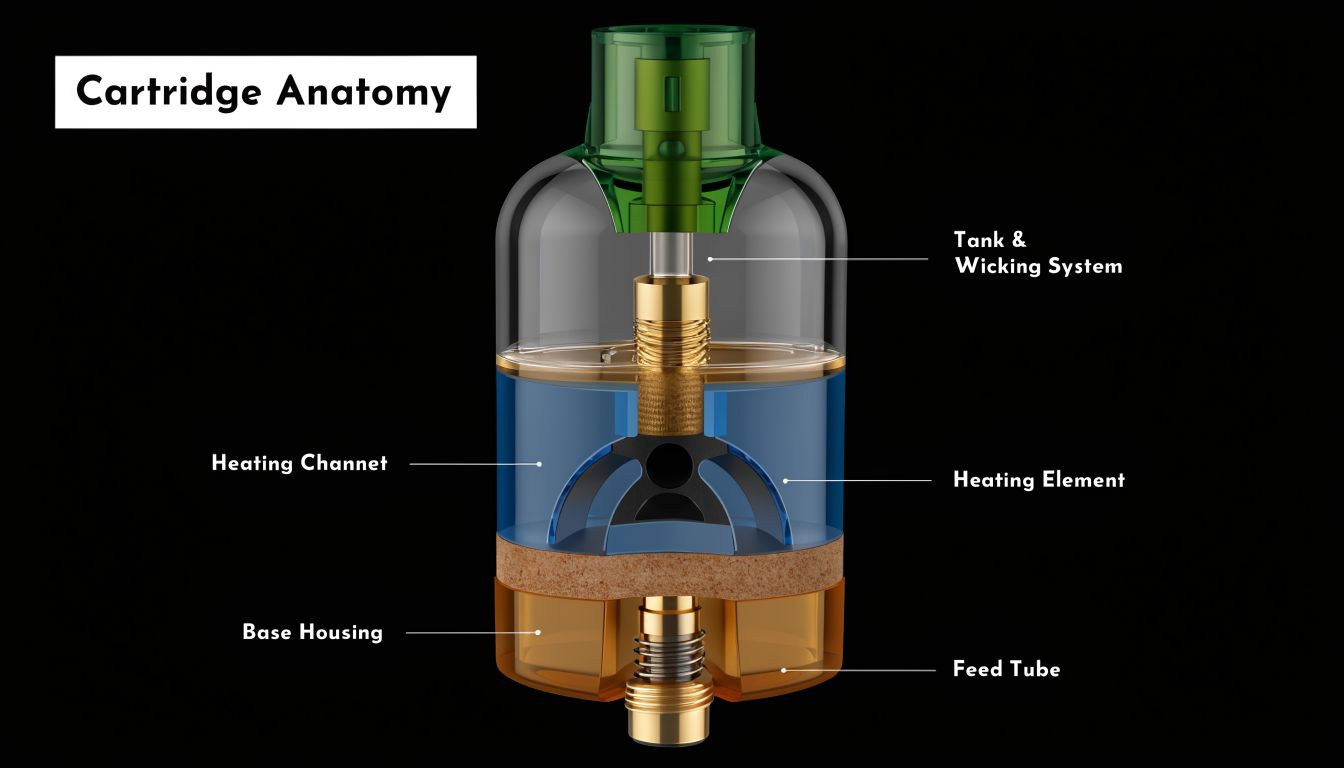
A vape cartridge has four parts that determine how it performs: the tank, the atomizer, the mouthpiece, and the base connection. If you are shopping in DC, Maryland, or Virginia, knowing these parts helps you do more than sound informed. It helps you spot cheap hardware, ask better questions, and avoid carts that look polished online but cut corners where it counts.
The four parts that matter most
Start with the tank, sometimes called the reservoir. This is the chamber that holds the oil. Glass tanks usually inspire more confidence than thin plastic because they hold flavor better and tend to feel sturdier in the hand. If the oil looks unusually dark, watery, or full of bubbles that move too fast, the issue may be the oil itself, the hardware, or both.
Next is the atomizer. This is the heating core inside the cart. It includes the coil and the wick or porous material that pulls oil toward the heat. Many modern cartridges use ceramic components because ceramic can heat oil evenly and help preserve flavor, a design trend described in the CCELL guide to vape cartridge technology. That matters more than it may seem at first. A poor atomizer can scorch oil, clog early, or produce weak pulls even when the cart is full.
The mouthpiece is the part you interact with, so small design flaws show up quickly. A good mouthpiece gives a steady draw and stays comfortable during use. A bad one can trap condensed oil, spit droplets, or feel so restrictive that people pull too hard and flood the heating chamber.
Then there is the base connection. Most THC carts in the DMV use a 510 thread, which is the common screw-in format for standard batteries. If you are ordering from a DC delivery menu or comparing products across Maryland dispensaries, this is one of the first compatibility details to confirm. It is also why shoppers often ask whether a cart will fit the battery they already own.
What the battery actually does
The battery is not just an on and off switch. It sets the temperature range the oil will experience, and that changes flavor, vapor density, and comfort.
A simple comparison helps here. Juice tastes different straight from the fridge than it does after being warmed up on a stove. Cannabis oil responds the same way to heat. Gentle heat tends to preserve more aroma. Excess heat can flatten the flavor and make the vapor feel sharp.
That is why variable-voltage batteries are useful, especially if you switch between oil types. Thick distillate may need a little more heat to move well. Terpene-rich options often taste better at lower settings. If you want a clearer explanation of how those oils differ, this breakdown of distillate vs live resin vape carts is a helpful next read.
Here is the practical version:
- Lower voltage: better flavor, lighter vapor, easier to control
- Higher voltage: larger clouds, faster oil use, more chance of harshness
- Poor battery match: burnt taste, clogs, leaks, wasted oil
Why carts can feel stronger than expected
The hardware plays a role, but concentration is the bigger story. A cartridge contains highly concentrated cannabis oil, so a small puff can deliver more THC than a new consumer expects from something so compact. The National Institute on Drug Abuse notes that cannabis concentrates can contain much higher THC levels than flower, which helps explain why vape effects can feel intense even after only a short inhale (NIDA overview of cannabis concentrates).
Customers in the DMV sometimes get tripped up: a discreet cart bought through a legal Maryland dispensary, a DC gifting-style transaction under Initiative 71, or a delivery service menu may all look similar on a screen. The inside can be very different. Good hardware paired with clean oil usually feels smoother and more predictable. Cheap hardware can make even decent oil taste burnt or hit harder than intended because the heat is poorly controlled.
A cart gets much easier to judge once you know the parts. The battery provides power. The atomizer heats the oil. The tank and mouthpiece affect consistency. The oil itself shapes most of the experience.
Choosing Your Experience Distillate Live Resin and Rosin
The biggest difference between one cart and another usually isn’t the battery. It’s the oil.
When customers ask, “Which one hits best?” I usually slow the question down. “Best” might mean strongest. It might mean tastiest. It might mean closest to the original plant. Those are not always the same thing.
The easiest analogy is orange juice.
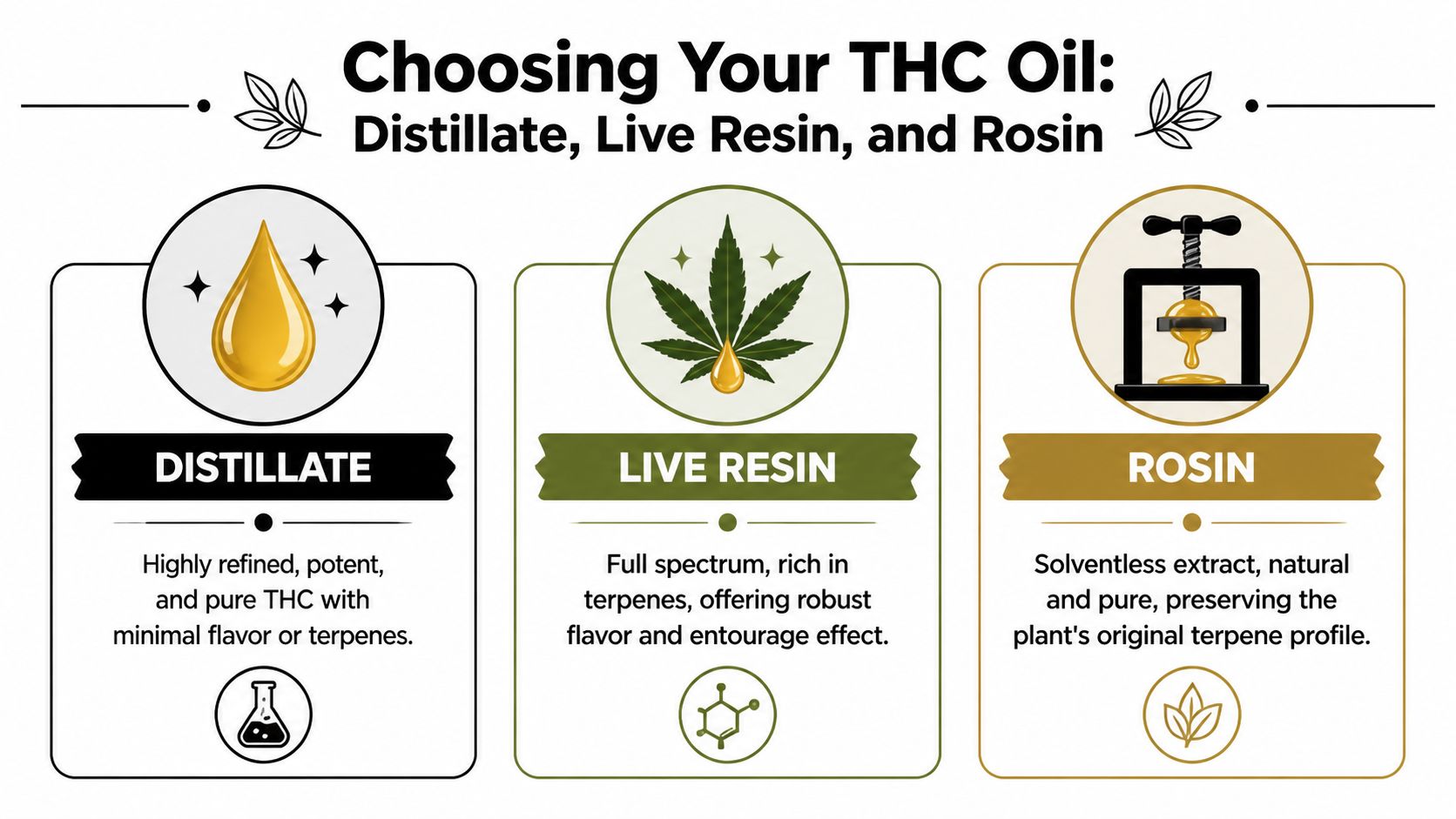
Distillate is like juice from concentrate. It’s refined, stripped down, and built for a straightforward result.
Live resin is like fresh-squeezed juice with lots of aroma still intact.
Rosin is like the small-batch, hand-pressed version. Less industrial. More natural. Usually more expensive.
Distillate
Distillate is highly refined cannabis oil. Producers isolate cannabinoids, especially THC, and remove much of the plant’s original material. The result is a very clean, potent oil with a lighter natural flavor unless terpenes are added back in later.
This is often the easiest starting point for people who want a simple, consistent effect. Distillate carts can be fruit-forward, candy-like, or strain-inspired depending on the terpene blend used.
What some people love about distillate:
- Clean profile: It feels straightforward and predictable.
- Strong potency: Many shoppers choose it when they want intensity over nuance.
- Broad availability: It’s usually the easiest format to find.
What some people don’t love:
- Less plant character: It may feel less expressive than a full-spectrum extract.
- Flavor can feel designed: Some terpene blends taste polished rather than naturally “cannabis-forward.”
Live resin
Live resin starts with cannabis that’s preserved fresh rather than dried in the traditional way. That helps retain more of the volatile aromatic compounds that can get lost during standard processing.
The result is often richer in aroma and more “true to strain.” If you’ve ever smelled a cart and thought, “This smells like the flower did,” there’s a good chance it was a live resin product.
Live resin tends to attract people who care about flavor and the broader feel of the plant, not just raw THC. If you want more context on how these two categories differ, this breakdown of distillate and live resin differences gives a useful side-by-side look.
If distillate is a spotlight on THC, live resin is more like stage lighting. You notice the whole performance, not just the lead actor.
Rosin
Rosin is the category many connoisseurs chase. It’s generally made without hydrocarbon solvents, using heat and pressure to extract oil from the plant material. That “solventless” point is why many shoppers see it as the most natural-style extract in the cart world.
Rosin often offers the deepest plant expression of the three. It can be earthy, bright, funky, floral, or gassy depending on the cultivar. It also tends to cost more and can be a little less forgiving in cheap hardware, because premium oils deserve a decent battery and careful heat settings.
Quick comparison table
| Attribute | THC Distillate | Live Resin | Live Rosin |
|---|---|---|---|
| Main style | Refined and THC-forward | Fuller-spectrum extract | Solventless full-spectrum extract |
| Flavor | Usually lighter or terpene-added | Rich, strain-expressive | Deep, natural, often most nuanced |
| Typical shopper | Wants potency and consistency | Wants flavor plus strong effects | Wants purity and terpene character |
| Production approach | Highly refined extraction and distillation | Extracted to preserve more original compounds | Heat-and-pressure extraction without added solvents in the final process |
| Cost | Usually lower | Mid to premium | Usually premium |
| Best fit | Everyday convenience | Flavor-driven sessions | Enthusiast or quality-first use |
How to choose without overthinking it
If you’re new and want a simple answer, use this filter:
- If you care most about clarity and consistency, start with distillate.
- If you care most about flavor and a broader plant feel, try live resin.
- If you care most about solventless extraction and top-shelf expression, choose rosin.
None of these is automatically “better.” They’re just different tools for different moods.
A Smart Consumer's Guide to Vaping Safety and Lab Reports
A customer in DC orders a cartridge from a delivery menu, sees a strain name they recognize, and assumes that means the product is safe. That is the mistake I try to stop first.
A THC cart should be judged like food from a good kitchen. The label matters a little. The ingredients, handling, and testing matter much more. In the DMV, that distinction is especially important because legal access works differently in DC, Maryland, and Virginia, and products can move through very different supply chains before they reach your hand.
Why unverified carts deserve extra caution
The clearest warning came during the 2019 EVALI outbreak. The CDC reported a national outbreak of serious lung injuries linked to e-cigarette or vaping products, with vitamin E acetate strongly associated with many cases involving THC products, especially those obtained from informal sources, according to the CDC's overview of the EVALI outbreak and product findings.
That history still matters. It showed buyers a hard truth. A cartridge can look polished, taste fine at first, and still come from a chain of production that cuts corners.
Heavy metals are another reason to care about the hardware itself, not just the oil. Researchers summarized by Johns Hopkins Bloomberg School of Public Health on toxic metals in vaping products have pointed out that device components can contribute metals such as lead, chromium, and nickel to the aerosol. For a shopper, the practical takeaway is simple. Safe vaping starts before the first puff, with verified sourcing and real testing.
What a COA should actually tell you
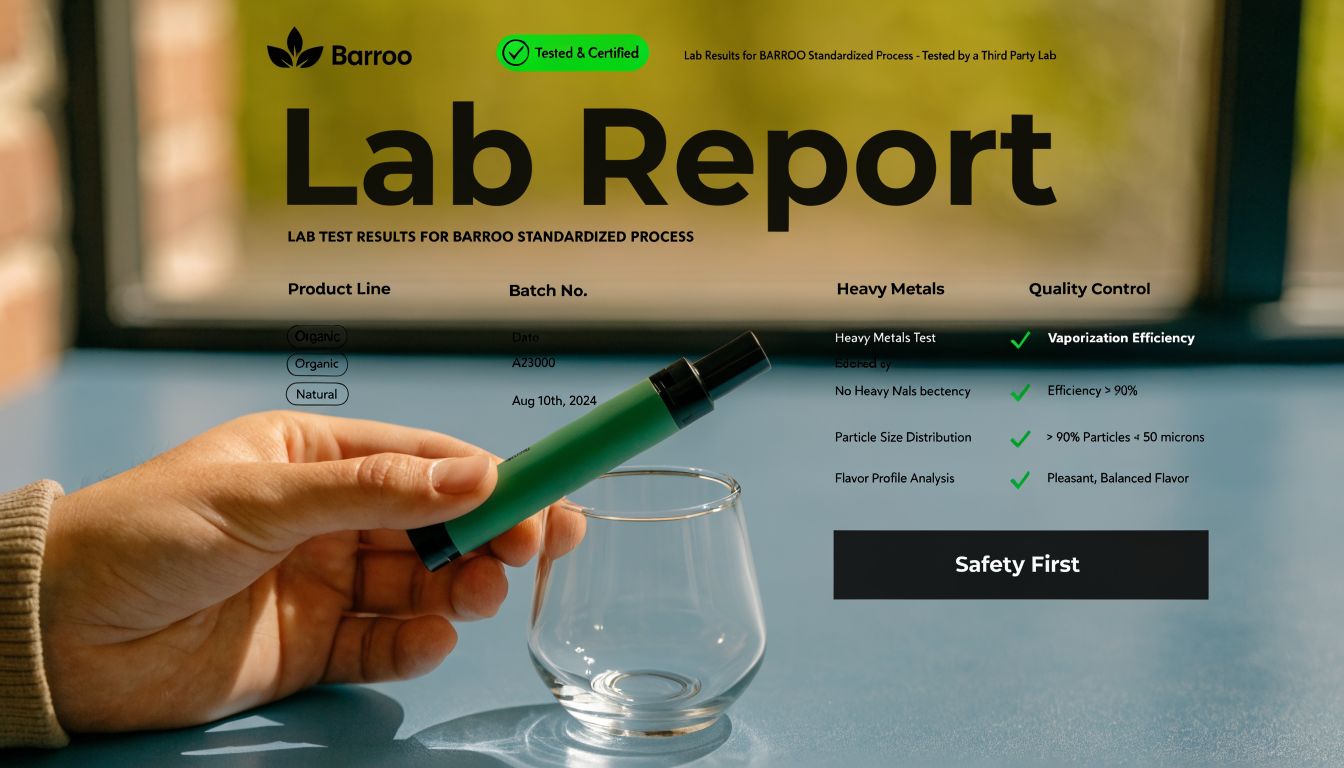
A Certificate of Analysis, or COA, is the batch-specific lab report for the product. If a shop, delivery service, or brand cannot show one clearly, you are being asked to trust packaging instead of proof.
Read a COA like a receipt plus a safety inspection. You are checking that the cart is what it claims to be, and that it passed the screens that matter.
A useful COA answers four questions:
- Does the batch match the package? Product name, lot number, and test date should line up.
- Is the potency realistic? You want measured cannabinoid content, not marketing language.
- What else is in the oil? Terpenes and minor cannabinoids can help explain flavor and effect.
- Did it pass contamination testing? That includes pesticides, heavy metals, residual solvents, and microbial screening where required.
How to read one without getting lost
Start with the identity section.
If the package in your hand says one batch and the report shows another, stop there. In a regulated market, batch matching is basic housekeeping. In a mixed market like the DMV, where shoppers may see everything from licensed products to gray-market offerings, it is one of the fastest trust checks you have.
Next, look at potency. A real lab report lists measured results. Numbers can vary by batch, and that is normal. What should make you suspicious is a product with huge claims and no report, or a report that looks generic enough to fit any cart on the shelf.
Then check the contaminant panel. This is the part that keeps you out of trouble.
Look for pass results for:
- Heavy metals
- Residual solvents
- Pesticides
- Microbials or related contamination screens
If those sections are missing, blurred, outdated, or impossible to verify by QR code or batch number, treat that as a warning, not a minor inconvenience.
Red flags DMV shoppers should take seriously
The local market can confuse newer buyers because "available" does not always mean "well sourced." DC's setup under Initiative 71 has made many shoppers comfortable with delivery-style access, but convenience should never replace verification.
Watch for these problems:
- No accessible COA
- Brand-heavy packaging with little batch detail
- Anonymous source information
- Oil with particles, separation, or an odd color for the extract type
- A widely copied street brand with no clear manufacturer
If you want a real-world example of how counterfeit or unverified brands circulate, this guide on how to tell whether Glo carts are real is worth reading.
The standard to keep in your head
A good cart should be traceable, tested, and sold by someone who can answer plain questions without getting slippery.
That does not make vaping risk-free. It does help you avoid the avoidable problems. Mystery oil, mystery hardware, and mystery sourcing are where customers get burned.
If you remember one rule, use this one. Read the lab report before you fall for the flavor name.
Getting Started Right Batteries Dosing and Maintenance
Once you’ve chosen a cart, the next job is using it in a way that gives you control. Most bad first experiences come from one of three things: too much heat, too many puffs, or poor storage.
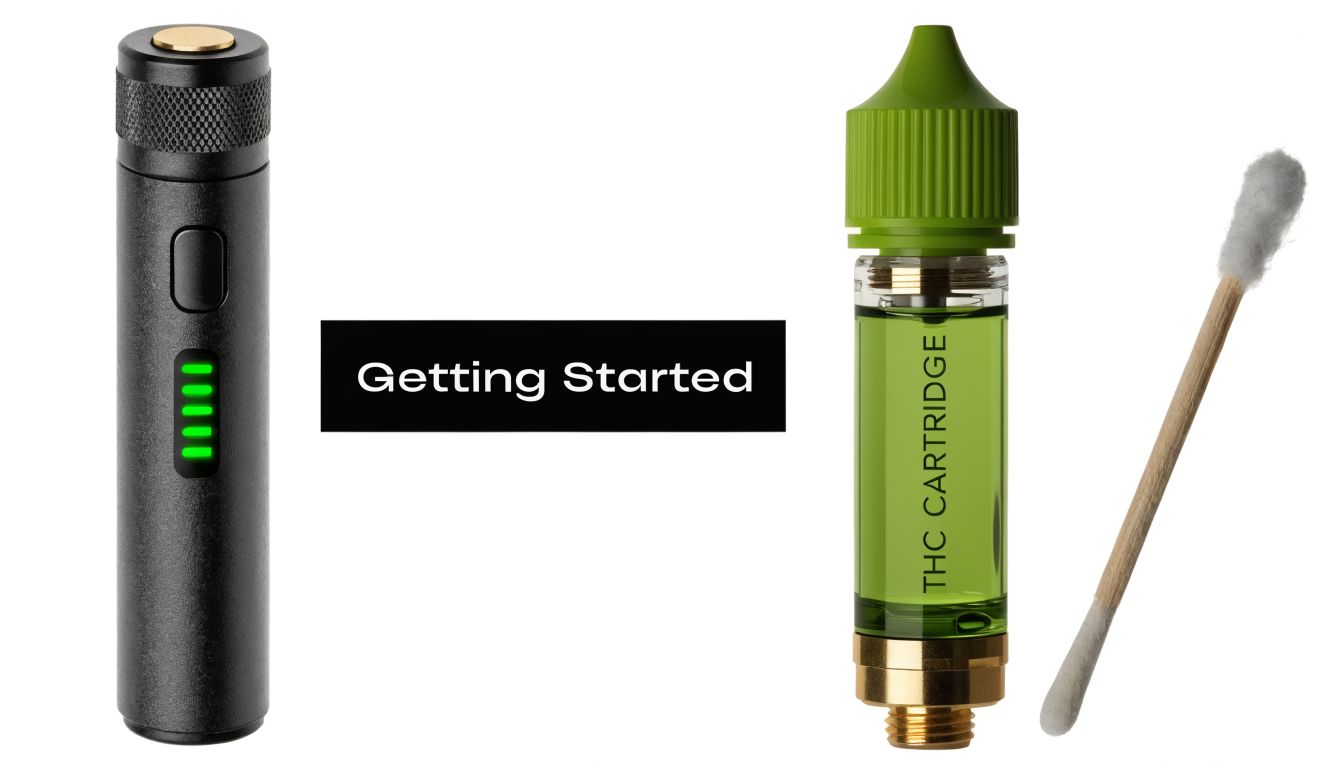
Pick the right battery
If your cart uses a 510 thread, you need a compatible 510 battery. That part is simple. The better question is whether your battery lets you adjust voltage.
Variable voltage matters because different oils behave differently. Thick live resin or rosin may need a little patience and the right setting. A lower setting usually protects flavor better and reduces the chance of a burnt taste.
A simple beginner approach:
- Charge the battery fully
- Start on the lowest setting
- Increase only if the cart isn’t drawing well
- Avoid “hot and hard” pulls
Dose like you mean it
Verified data from a 2023 analysis found that two-thirds of tested hemp delta-9 THC vapes deviated from their stated potency by over 10%, and some cartridges can reach up to 95% THC, which is why this potency-labeling analysis in PMC supports a careful, self-moderated approach.
That’s the academic version of what budtenders say all day: one small puff can be plenty.
First-use checklist
- Take one short inhale.
- Wait 15 to 20 minutes before deciding whether you need more.
- Notice your body. Dry mouth, warmth behind the eyes, and a mood shift often arrive before the full peak.
- Only then consider a second puff.
If you’re used to flower, don’t assume the same rhythm applies. Carts can feel smoother than they are strong.
Beginner move: inhale less than you think you need, then give the cart time to speak.
A quick visual can help if you’re brand new to assembling and using the hardware:
Keep the cart working properly
Maintenance is boring until it saves your cart.
Store cartridges upright when you can. That helps the oil settle around the intake points correctly and lowers the chance of leaks. Keep them out of direct heat and don’t leave them in a hot car.
If a cart clogs, don’t immediately yank on it like a milkshake straw. Warm it gently in your hands, make sure the battery contact is clean, and try a softer draw. Sometimes a cotton swab around the connection point solves what looks like a hardware failure.
A cart is usually spent when the visible oil is nearly gone and repeated normal draws no longer produce satisfying vapor. Don’t keep blasting an almost-empty cart at high heat. That’s how you get burnt flavor and wasted residue.
Navigating Cannabis Laws in DC Maryland and Virginia
You can live ten minutes from the District line, cross into Maryland for dinner, then head into Virginia the next day. Your route is simple. The cannabis rules are not.
For THC cartridge shoppers in the DMV, that difference matters more than people expect. A cart that is easy to buy in one jurisdiction may be harder to access in another, and the legal path behind the sale can look completely different even within the same metro area.
Washington DC
DC runs on its own logic. Adults can possess and gift cannabis under Initiative 71, but Congress has blocked the District from creating a standard adult-use retail sales system. The DC Council's overview of Initiative 71 explains the basic rule set and why the local market developed in such a distinct way.
That history shaped the buying experience adults still see today. In practice, you need to pay attention to how a business describes ordering, identity checks, delivery, and what is being provided. Clear explanations are a good sign. Vague wording is not.
If you want a local primer before placing an order, this guide on how to buy weed in DC legally and confidently helps explain what adults commonly encounter in the District.
Maryland
Maryland is easier for many customers to understand because the adult-use system looks more like a standard retail model. You walk into a licensed dispensary, review the menu, and purchase through a regulated channel.
That does not mean every cart on the shelf is the same. One may be made with distillate and botanical terpenes. Another may use live resin and different hardware. The legal structure is cleaner, but you still need to read the label the way you would read the label on two different juices at the grocery store. Both are legal products. They can still taste, feel, and perform very differently.
Virginia
Virginia creates the most confusion in the DMV. Adults often hear that cannabis is legal there, then assume buying a THC cartridge will be straightforward. Possession rules and retail access are separate questions, and that gap trips people up.
The practical lesson is simple. Do not treat legal possession as proof that a local, lawful purchase option exists for the product you want at that moment.
Safety research adds another reason to slow down. A published review in Tobacco Control on cannabis vaping and aerosol toxicants describes how chemical exposure can vary based on product composition, device design, and heating conditions. In a patchwork market, transparent third-party testing matters even more because the law only tells you what may be allowed. It does not confirm oil quality, additives, or hardware reliability.
Local law answers one question. Product quality answers another.
The practical DMV takeaway
Treat DC, Maryland, and Virginia as three separate systems every time you shop for a cartridge. Ask yourself:
- Is there a lawful local path for this product where I am?
- Can I verify testing and product details before I buy?
- Do I understand the rules for possession, delivery, and use in that jurisdiction?
That habit saves time, reduces risk, and helps you shop with the same care you would use for any product going straight into your lungs.
Your Trusted Source Green Express DC for Premium THC Cartridges
You are in DC for the evening, your battery is charged, and you want a cartridge that feels predictable from the first puff. That usually means more than finding any cart for sale. It means finding oil with clear sourcing, hardware that performs properly, and a delivery process that follows District rules instead of asking you to guess.
For adults shopping in Washington, DC, trust is built through details. You should know what kind of oil you are buying, whether the product has been lab tested, and how the service handles age verification and delivery. After the vaping safety concerns discussed earlier in this guide, careful sourcing is not a bonus. It is part of buying wisely.
That is the role Green Express DC aims to fill.
Green Express DC offers premium cannabis delivery for adults 21+ in Washington, DC, with a focus on lab-tested products, discreet service, and a curated menu that includes THC cartridges for different experience levels. For a new customer, that can remove a lot of friction. Instead of sorting through vague listings or questionable products, you can start with a menu built around clear options and a local process.
Value shows up in everyday situations. A newer user may want a cart that is simple, authentic, and less likely to create an uncomfortable first session. A regular consumer may care more about whether a cartridge is distillate, live resin, or rosin, and whether the flavor matches the cultivar on the label. Someone visiting the District often wants one thing above all else. A process that feels legitimate, organized, and respectful of privacy.
Green Express DC speaks to those practical concerns. The service covers more than carts, but its cartridge selection fits what careful DMV shoppers usually look for. Clear product categories. Delivery within the District. ID verification at drop-off. Those are basic signals of a business that takes compliance and customer safety seriously.
A good cartridge purchase should feel boring in the best way.
You know what you ordered. You understand how it should feel. You can verify the basics before it arrives. Then the product shows up discreetly, and your evening goes according to plan.
For adults in DC searching for vape cartridge thc, that is often the goal. A reliable local option that respects the legal realities of the District, cuts down on gray-market uncertainty, and makes it easier to choose a product you can feel comfortable using.