
You're probably here because you want homemade edibles that work, taste decent, and don't turn into a long, uncomfortable night. That is the challenge. Making edibles isn't hard, but making predictable edibles takes some care.
In the DC, Maryland, and Virginia area, the biggest difference between a smooth edible session and a bad one usually starts before you ever turn on the oven. It starts with what you buy, how you activate it, how carefully you infuse it, and whether you respect the slow onset of edibles. Clinical research has documented that edible effects are delayed, with onset effects averaging about 3 hours post-ingestion in some studies, which is exactly why people get impatient and overdo it when they treat edibles like smoking or vaping (clinical overview of edible cannabis use).
If you're asking what do you need to make edibles, the short answer is simple. You need quality cannabis, a way to decarb it properly, a fat to infuse, a few basic kitchen tools, and enough patience to dose carefully. The longer answer is where the useful details live.
Sourcing Your Key Ingredient in DC, Maryland, and Virginia
The first real decision is whether you're making edibles from flower or from a concentrate. Both can work. They just solve different problems.
Flower is the classic starting point. It gives you flexibility, and many home cooks like that it feels familiar. You can decarb it yourself, infuse it into butter or oil, and use that infusion in brownies, cookies, chocolates, or gummies. The downside is that flower takes more work, and if the product isn't tested, your potency estimate can drift fast.
Concentrates are a different lane. Distillate is the easiest for a lot of people because it's already more refined, easier to mix into recipes, and cleaner in flavor than a flower infusion. If you hate the strong herbal taste that homemade edibles sometimes carry, concentrates can make your finished product much more neutral. The trade-off is that beginners sometimes treat concentrates casually, when in reality they can make dosing mistakes even faster if they don't know what they bought.
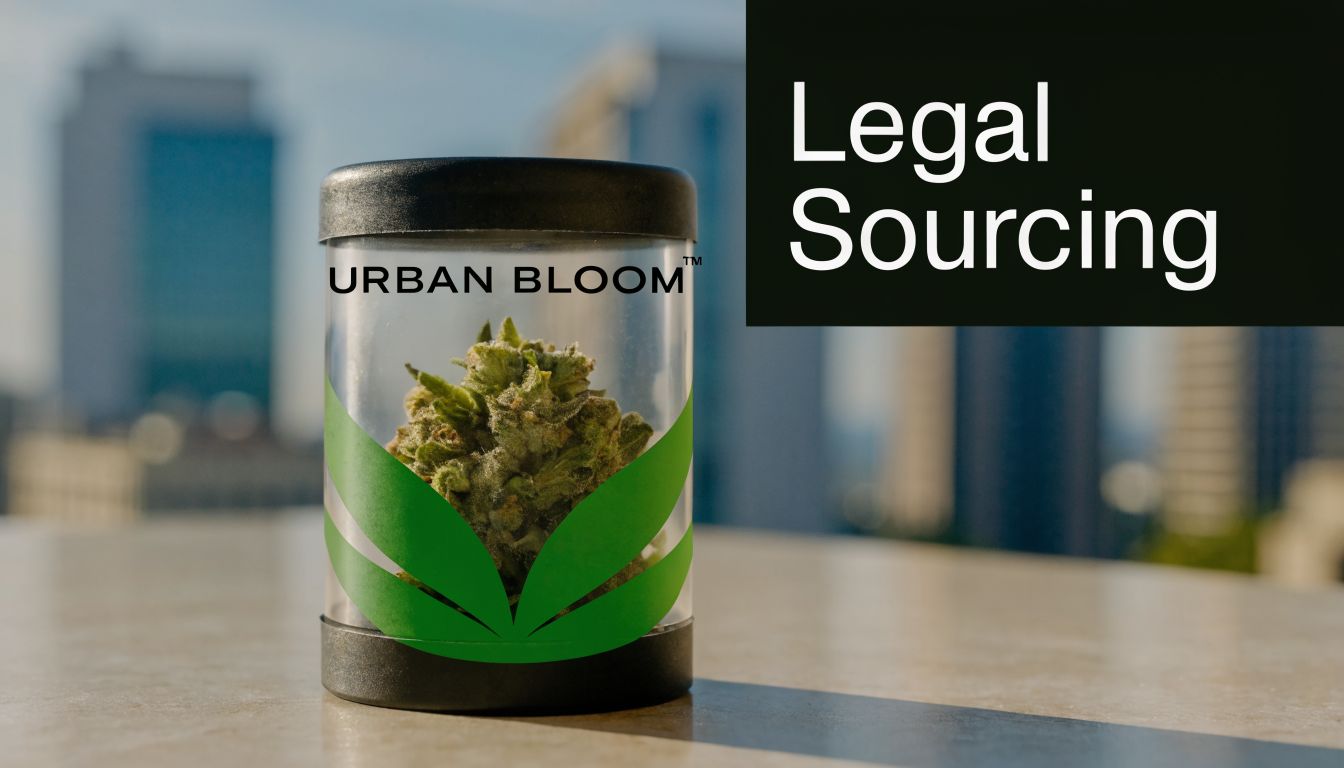
Why tested cannabis matters more than strain hype
When people shop for edible ingredients, they often get distracted by strain names. For homemade edibles, the more important questions are practical:
- Is it lab-tested
- Do you know the potency
- Is it clean enough that you want to cook with it
- Will the flavor fit the recipe
That matters in the DMV because plenty of people want to skip guesswork. In DC especially, tourists and occasional users often don't realize how much homemade potency can swing when the starting material is inconsistent. If you can't trust the label, you can't trust your math later.
Practical rule: Buy cannabis for edibles the way you'd buy ingredients for a dinner party. If you wouldn't trust the source for something you're serving to friends, don't cook with it.
This is also why reliable delivery or dispensary sourcing beats random pickup options. In DC, if you're still learning the local system, a basic guide to buying weed in DC helps you understand what compliant purchasing looks like and what questions to ask before you order.
Flower versus concentrate for real kitchen use
Here's the practical comparison:
| Starting material | Best for | Main advantage | Main drawback |
|---|---|---|---|
| Flower | Brownies, cookies, infused butter, infused oil | Flexible and familiar | More smell, more prep, stronger plant flavor |
| Distillate or similar concentrate | Gummies, chocolates, no-bake recipes | Cleaner taste and easier mixing | Easier to overdo if you don't track potency carefully |
Consumer demand has moved hard toward consistency. U.S. edibles sales rose from $2.2B in 2020 to $3.4B in 2022, with gummies dominating the market, according to Fortune Business Insights on the cannabis edibles market. That doesn't just say edibles are popular. It tells you what people value most: repeatable dosing and products that don't feel like a gamble.
The local angle in DC, Maryland, and Virginia
In DC, delivery is part of how many adults prefer to source product because it's simple and discreet. In Maryland and Virginia, many home cooks rely on licensed dispensary options available to them based on local rules and eligibility. The common thread across all three is the same. Start with something tested and clearly labeled.
That's the boring advice. It's also the advice that keeps your brownies from becoming a chemistry experiment.
Gathering Your Essential Kitchen Equipment
You don't need a commercial kitchen to make strong edibles. You do need a few tools that keep the process controlled. The people who say edibles are “easy” usually skip over the part where sloppy tools create sloppy dosing.
The short list that actually matters
Start with these:
- Digital scale for weighing flower or concentrate accurately
- Oven thermometer because many ovens run hot or cold
- Grinder for breaking up flower to a coarse, even texture
- Baking sheet lined with parchment paper for decarbing
- Double boiler or slow cooker for gentle infusion
- Cheesecloth or fine mesh strainer for filtering plant material
- Heat-safe glass jar or bowl for storing infused butter or oil
- Measuring spoons and cups for recipe consistency
If I had to pick only two essential items, it would be the digital scale and the oven thermometer. Without the scale, your potency estimate is loose before you even begin. Without the thermometer, your oven can wreck the batch.
Why cheap shortcuts fail
A lot of home cooks eyeball their cannabis and trust the oven dial. That's where bad batches come from.
A grinder matters because you want coarse, even pieces, not powder. Powder extracts more chlorophyll and leaves your infusion grassy and bitter. A lined baking sheet matters because cleanup is easier and the cannabis stays spread out instead of clumping. A slow cooker or double boiler matters because direct heat is aggressive and unpredictable.
Most edible mistakes don't come from the recipe. They come from poor temperature control.
One setup for beginners
If you want the simplest beginner setup, use this combination:
- Flower
- Hand grinder
- Sheet pan with parchment
- Oven thermometer
- Small slow cooker
- Cheesecloth
- Mason jar for storage
That setup is forgiving. It gives you room to move slowly and fix small mistakes before they become big ones.
What not to waste money on first
You don't need specialty infusion gadgets to make good edibles. They can be nice, but they aren't required. Learn the fundamentals first. If you can decarb accurately, hold a low infusion temperature, and portion your final recipe evenly, you've already solved most of what matters.
The equipment should make your process repeatable, not fancy. A plain kitchen setup with decent measuring habits beats a drawer full of gimmicks every time.
The Critical First Step Activating Your Cannabis
Raw flower won't do much in a brownie batter. The cannabis has to be decarboxylated, which means applying controlled heat so THCA converts into THC. If you skip that step, you can make a tray of beautiful brownies that barely land.
That's the part new cooks underestimate. They think infusion creates potency. It doesn't. Activation comes first.
The decarb method that works
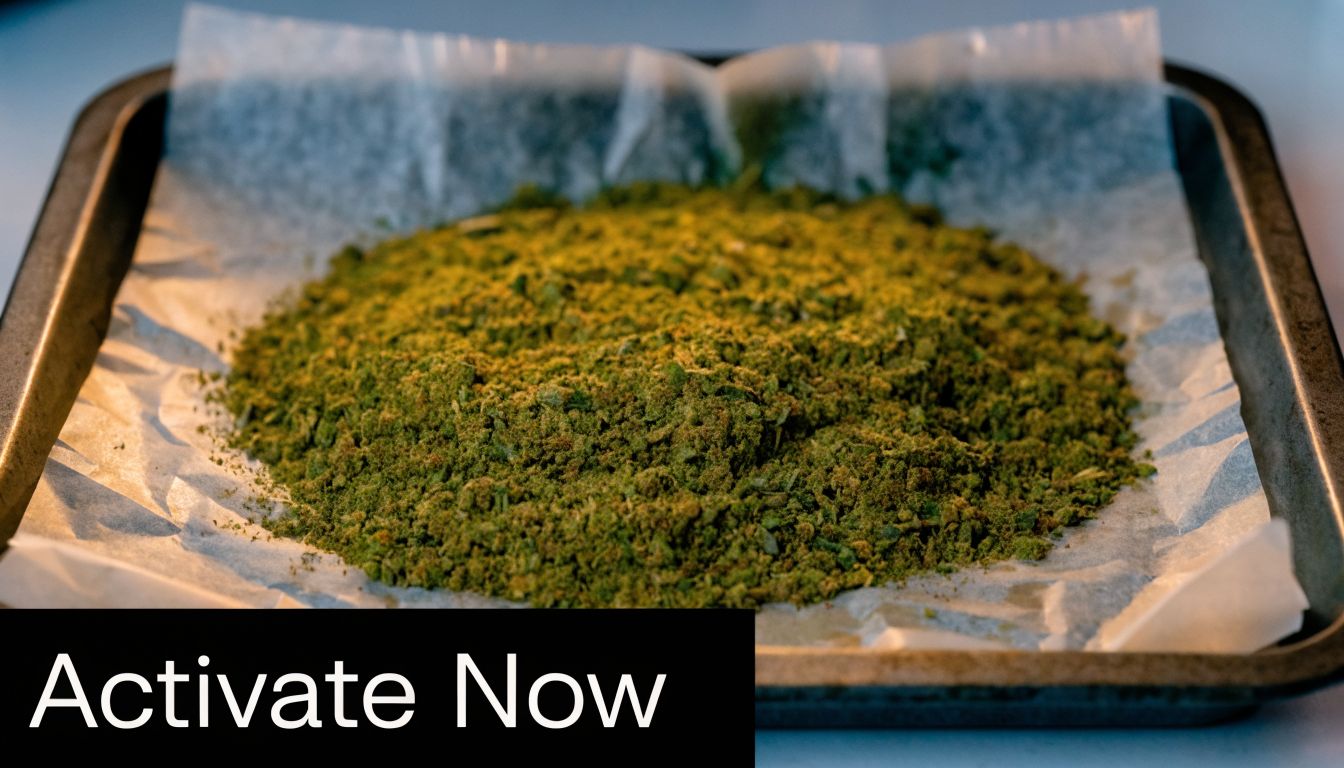
The most reliable home method is straightforward. According to this guide on making medical marijuana infused treats, proper decarboxylation at 240°F (115°C) for 30 to 40 minutes can achieve 90% to 95% cannabinoid activation. The same source notes that overheating above 250°F can degrade THC, while skipping decarb leaves most THCA inactive.
Use this sequence:
- Preheat the oven to 240°F
- Check the actual temperature with an oven thermometer
- Break up the flower coarsely
- Spread it evenly on parchment paper
- Bake for 30 to 40 minutes
- Stir every 10 minutes for more even heating
- Cool completely before infusing
That's the core process. Nothing fancy. The discipline is what matters.
Why people ruin decarb at home
Most failed decarb jobs happen in one of three ways.
First, people grind too fine. That creates a dusty layer that can toast unevenly and pull too much plant flavor into the infusion.
Second, they rush and crank the heat. More heat doesn't mean better activation. It means more risk of burning off what you want.
Third, they trust the oven display instead of measuring the actual chamber temperature. Home ovens drift. Some swing hot, some cold, and some cycle hard enough to make a “set it and forget it” approach a bad idea.
If your oven runs hotter than you think, the batch can smell ready before it's actually usable.
What properly decarbed flower looks like
You're not looking for ash, and you're not looking for green raw flower either. Properly decarbed flower usually looks drier, slightly darker, and lightly toasted. The smell gets stronger and more roasted.
Don't chase a dramatic visual transformation. This isn't coffee roasting. You want controlled activation, not visible browning for its own sake.
A practical checklist before the tray goes in
Use this quick check:
- Texture: Coarse pieces, not powder
- Pan setup: Single even layer on parchment
- Temperature check: Oven verified, not guessed
- Timing: Full window available so you don't rush
- Ventilation: Decarbing smells strong, so plan for that
A simple way to think about the science
THCA is the locked version. Decarb is the key. If you put raw flower straight into butter, you're infusing a lot of material that hasn't been fully activated. The fat can hold cannabinoids, but it can't replace the heat step.
That's why decarb deserves your full attention. If you're serious about what do you need to make edibles, this is near the top of the list. You need cannabis that's been activated correctly. Everything after that depends on it.
Infusing Fats with Cannabis for Potency
After decarb, the next job is moving those activated cannabinoids into a fat your recipe can use. Butter works. Coconut oil works. Other cooking oils can work too. The key is choosing a fat that suits your recipe and then keeping the infusion gentle.
Many home cooks get impatient and scorch the batch.
Pick the right fat for the recipe
Butter is great for baked goods. It gives brownies and cookies a classic texture and flavor. Coconut oil is especially useful for gummies, chocolates, and recipes where you want a stable, versatile fat.
If you ask experienced home edible makers what works best overall, many lean toward coconut oil because it stores well and plays nicely in both sweet and savory recipes. Butter still wins when you want familiar baking performance.
The temperature range you want
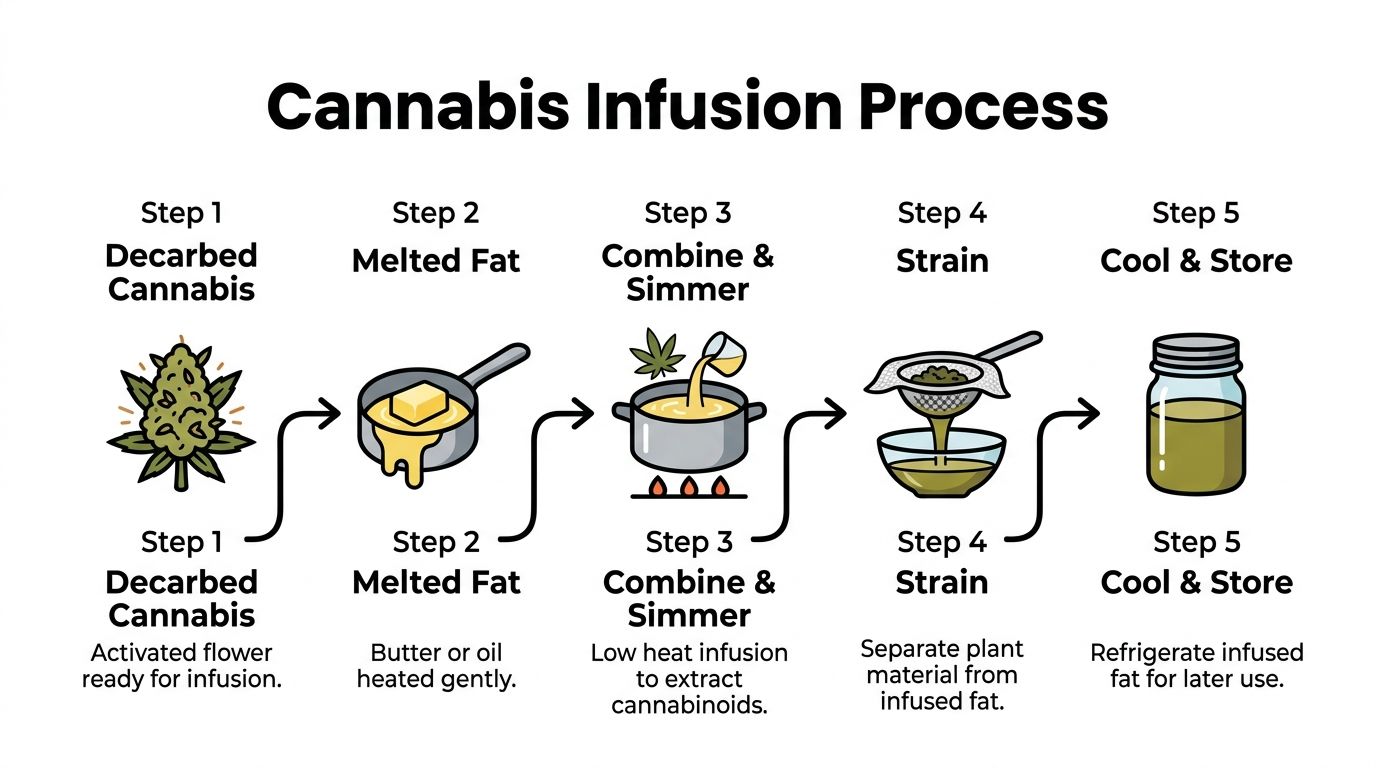
According to Verilife's edible gummy guide, successful infusion relies on maintaining a low simmer of 160°F to 180°F for 2 to 6 hours, which can achieve 80% to 90% THC extraction efficiency. The same source warns that boiling can destroy 30% to 50% of potency.
That's the main rule. Keep it low. Don't boil.
Two home methods that are reliable
Slow cooker method
This is the easiest for beginners because it reduces the chance of hot spots.
- Add your fat to the cooker
- Add the decarbed cannabis
- Keep the heat low
- Stir occasionally
- Let it infuse slowly
- Strain when finished
A slow cooker is forgiving. It gives you a longer runway and less direct heat aggression.
Double boiler method
This works well if you want more hands-on control.
- Fill the lower pot with water
- Put butter or oil and decarbed cannabis in the top vessel
- Hold the infusion in the target heat range
- Stir now and then
- Watch the water level
A double boiler is great if you already cook carefully and don't mind staying near the stove.
Kitchen habit that helps: If the mixture looks like it's trying to boil, back off immediately. Gentle movement is enough.
Straining without ruining flavor
Bad straining leaves behind grit and a strong green taste. Good straining gives you a smoother final product.
Use double-layer cheesecloth or a fine mesh strainer. Let gravity do most of the work first, then press lightly if needed. If you squeeze too hard, you can force more bitter plant material through. Some people want every drop. I'd rather lose a little volume than push harsh flavor into the jar.
Butter versus oil in real recipes
| Fat | Best use | Flavor impact | Practical note |
|---|---|---|---|
| Butter | Brownies, cookies, blondies | Rich and familiar | Refrigerate after infusion |
| Coconut oil | Gummies, chocolates, versatile baking | Neutral to lightly coconut | Easy to portion and store |
A few mistakes worth avoiding
- High heat: This is the fastest way to flatten potency
- Rushing the timer: Shortcuts usually mean weaker extraction
- Poor straining: Your texture suffers and the taste gets rough
- Using the wrong fat: Some recipes just work better with one base than another
Infusion is where your decarbed cannabis becomes something useful in the kitchen. Done well, it gives you a stable ingredient you can use in small, controlled amounts. Done poorly, it gives you an oily, bitter, unpredictable mess.
Calculating Potency and Dosing Your Edibles Safely
Home cooks either become careful or become cocky at this stage. Homemade edibles don't come with a printed label, so the person making them has to do the quality control.
The first thing to remember is that edible effects are delayed. Clinical research noted earlier found onset effects averaging about 3 hours post-ingestion in some studies, which is why waiting matters so much. If you've ever watched someone say “these aren't working” and then regret the second serving later, that's the mechanism in action. If you want a deeper read on timing, this explainer on how long edibles take is useful for setting expectations.
The easy math for estimating potency
Use a simple estimate:
- Find the THC percentage of your flower
- Convert grams of flower into milligrams
- Apply the THC percentage
- Adjust for losses during decarb and infusion
- Divide by the number of servings
Example formula:
grams of flower × 1,000 = total milligrams of flower material
total milligrams × THC percentage = approximate THC before process losses
Then divide that final estimate by the amount of infused butter or oil you used in the recipe, and then again by the number of pieces you cut.
Because home processes vary, treat your result as an estimate, not a promise.
Reference table for a 1 cup batch of infused fat
The table below gives rough estimates for a batch made from 1 cup of infused oil or butter, then divided across about 48 teaspoons. These are planning numbers, not lab results.
| Starting Flower THC % | Approx. Total THC in Batch (mg) | Approx. THC per Teaspoon (mg) |
|---|---|---|
| 10% | Qualitatively lower potency batch | Qualitatively lower per teaspoon |
| 15% | Qualitatively moderate potency batch | Qualitatively moderate per teaspoon |
| 20% | Qualitatively stronger potency batch | Qualitatively stronger per teaspoon |
| 25% | Qualitatively very strong batch | Qualitatively very strong per teaspoon |
I'm keeping that table qualitative because exact potency depends on your tested input, your infusion efficiency, and how much fat you recover after straining. Without those exact facts, pretending the final number is precise would be bad advice.
The serving rule that keeps people out of trouble
For homemade edibles, smaller pieces are smarter. Cut brownies into more pieces than you think you need. Stir batter thoroughly. Don't pour all the infused oil into one corner and assume baking will fix it.
Start with a small portion and wait the full window before taking more. Homemade edibles punish impatience.
If you're cooking for friends, tell them what's in the food and how strong you think it is. Label the container. Don't put infused brownies next to regular brownies and expect everyone to keep track.
Good edible making isn't just about potency. It's about restraint.
Beginner Recipes and Proper Storage Solutions
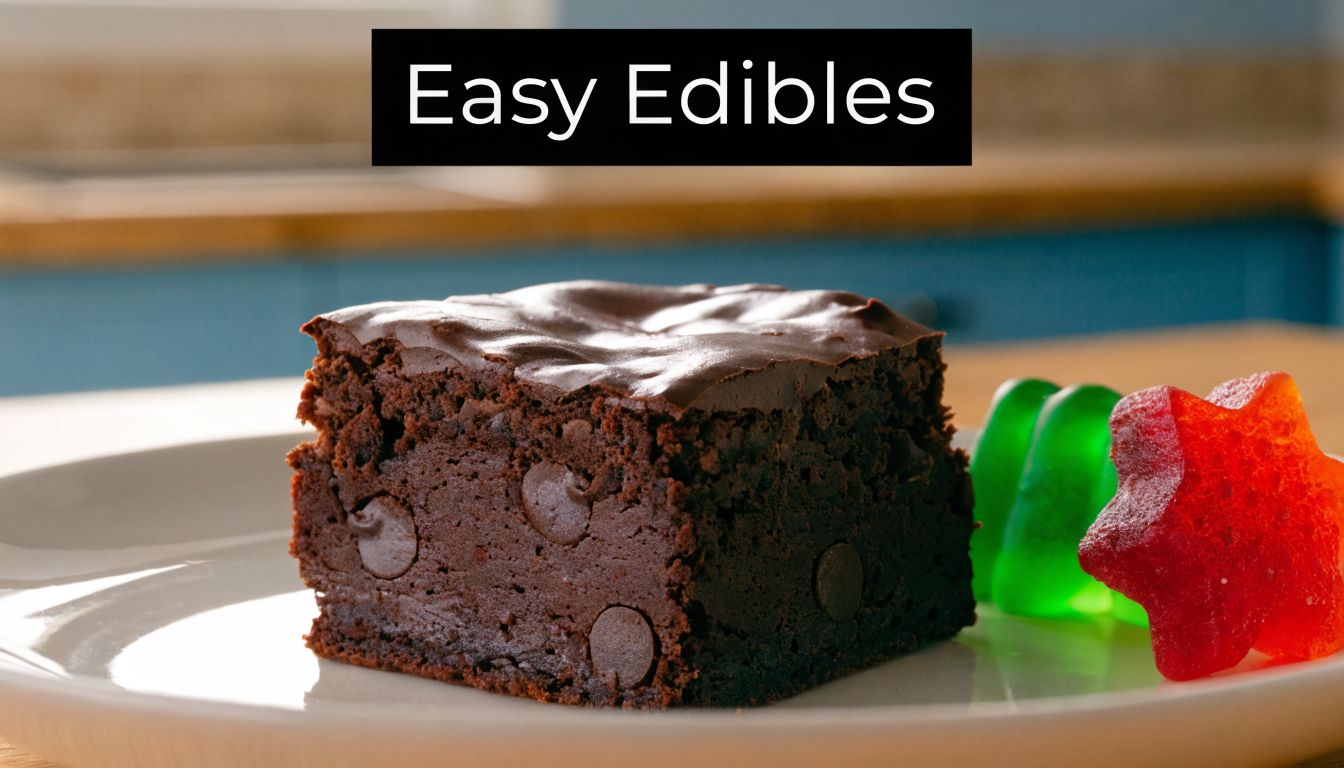
The best first edible recipes are the ones with enough fat to carry cannabinoids well and enough structure that you can portion them evenly. Brownies are a classic because they're forgiving. Gummies can work too, especially if you're using infused oil carefully and mixing thoroughly.
Beginner recipe one brownies
Use your favorite boxed brownie mix or a simple scratch recipe. Replace part or all of the regular fat with your infused butter or oil. If you're new to this, replacing only part of the fat makes it easier to keep the dose manageable and the flavor balanced.
A practical approach:
- Mix thoroughly so the infused fat is evenly distributed
- Use a pan size you know so the bake time stays predictable
- Cut equal pieces after cooling
- Label immediately once portioned
Brownies are good for beginners because the chocolate helps cover some cannabis flavor. They're also easy to divide into small squares.
Beginner recipe two simple gummies
Gummies are a little more technical because even distribution matters a lot. If you're using infused oil, whisking and emulsifying matter more than they do in brownies. Don't just drizzle oil into a gummy base and hope for the best. You want a uniform mixture before it goes into molds.
If you like the rice crispy style of edible more than baked goods, these cannabis rice crispy treats are a good example of a simpler edible format that doesn't ask much from the cook.
A few recipe habits that improve consistency
- Warm the infused fat first so it blends more evenly
- Scrape the bowl fully because potency can cling to the sides
- Portion with intention using a knife, scoop, or mold
- Keep a batch note with the date, recipe, and estimated strength
That last one sounds nerdy, but it helps. If a batch turns out stronger than expected, you'll want to remember exactly what you did.
A visual walkthrough can help if you're more of a cook-by-watching person.
Storage matters more than most people think
Storage isn't just about freshness. In DC, it's also part of being responsible with cannabis at home. According to this guide on making edibles with weed, refrigerating cannabutter at 35°F to 40°F extends shelf-life to 2 to 3 months, and it should be kept in airtight glass containers to reduce terpene loss.
That applies to finished edibles too. Keep them sealed, labeled, and out of casual reach.
How to store homemade edibles safely
Use a system like this:
| Item | Best storage | Key note |
|---|---|---|
| Cannabutter | Airtight glass in the refrigerator | Label with date and potency estimate |
| Infused oil | Airtight sealed container | Protect from heat and light |
| Brownies | Sealed container in fridge or freezer | Separate from non-infused food |
| Gummies | Cool sealed container | Watch for sticking and melting |
Don't store infused treats in packaging that makes them look like regular snacks. That's how accidental eating happens.
The local responsibility piece
In DC, adults can make edibles for personal use within applicable rules, but that doesn't mean casual handling is fine. Don't give them away carelessly. Don't leave them where children, pets, roommates, or visitors can grab them. And don't forget that “homemade” doesn't excuse bad labeling.
A piece of tape and a marker solve a lot of problems. Write THC-infused, the date, and your best potency estimate. That small habit makes your kitchen safer.
Frequently Asked Questions About Homemade Edibles
Why didn't my edibles work
Usually it's one of three issues. The cannabis wasn't decarbed properly, the infusion ran too hot or too short, or the potency estimate was wrong from the beginning.
Sometimes people also underdose the final recipe without realizing it. They make a full tray of brownies with a mild infusion, then cut it into many servings and assume each square will feel strong. That's not always how the math works out.
Why did my edibles hit way harder than expected
Most often, the person eating them got impatient and took more before the first dose had fully landed. Homemade edibles can also hit unevenly if the batter or gummy mixture wasn't mixed thoroughly.
Another common issue is cutting inconsistent portions. One brownie corner can end up much stronger than another if the pan wasn't mixed or spread well.
Is flower or distillate better for homemade edibles
It depends on the recipe and your tolerance for prep work.
Flower is great if you want full control and don't mind decarbing and infusing. Distillate is useful if you want a cleaner taste and a shorter path into chocolates, gummies, or no-bake recipes. For a first batch, flower teaches the fundamentals better. For convenience, many experienced cooks appreciate the simplicity of a refined concentrate.
How do I make edibles taste less weedy
A few practical fixes help:
- Choose chocolate, peanut butter, or bold fruit flavors that can stand up to the infusion
- Strain carefully so less plant material gets into the final fat
- Don't overcook the infusion
- Use cleaner starting material
The flavor issue usually starts in the infusion stage, not the recipe stage.
How long should I wait before taking more
Wait for the full effect window. Don't stack doses because you're bored. Edibles are slower than inhaled cannabis, and that delay is exactly what causes trouble.
If you're unsure, treat every homemade edible as stronger than it looks.
Can I use my infused butter in any recipe
Almost any recipe that uses butter or oil can be adapted, but not every recipe is a smart first choice. Start with foods that are easy to portion and mix evenly. Brownies, cookies, rice crispy treats, and simple chocolates are much easier than trying to make something delicate or highly technical.
What should I label on homemade edibles
At minimum:
- THC-infused
- Date made
- Best estimate of strength
- A warning to keep away from kids and pets
That label is part safety tool, part courtesy to everyone else in the home.
Is it legal to sell homemade edibles in DC
No. Personal use and making your own edibles are not the same thing as selling infused products. Keep homemade edibles in the personal-use lane and stay current on local rules if you live in DC or move between DC, Maryland, and Virginia.
If your real goal is less kitchen guesswork and more dependable products or premium flower for cooking, Green Express DC is a practical option for adults 21+ in Washington, DC who want lab-tested, organic cannabis delivered discreetly. It's a straightforward way to start with better ingredients, whether you're making your own edibles or skipping the cooking and ordering ready-to-enjoy products instead.